*By Hope King*
Roku is out with new hardware to help grow its...software business.
The streaming TV company launched two new wireless speakers Monday designed to work with pretty much only Roku TVs.
Roku says the speakers will only work with TVs made by its manufacturing partners ー such as TCL, Sharp, and Hisense ー and not with TVs plugged into a Roku box. But in reality, the company's VP of Product Management Mark Ely said they could be used with Bluetooth connected devices, such as a phone or tablet.
“They also include a Bluetooth radio…so you can stream and playback through the speaker,” he told me.
Pre-orders for the new Roku TV speakers began Monday with a promotional price of $150. The price will increase starting next week to $180. Shipping will begin in October when prices go up to $200. The wireless speakers also come with a TV remote and a touch remote, both with voice control only for Roku TV.
The announcement comes a few months after Roku saw its platform business surpass its device business, in term of percent of revenue, for the first time during the first quarter of this year.
The distinction of the speakers' compatibility may seem like a fine point, but for a company competing with evermore wireless speaker brands such as Sonos, and smart speakers from Amazon, Google, and Apple, it’s one that should be made. After all, how many connected speakers do people need in their homes, especially if they can’t all work together? To that end, Roku’s software inside the speakers could enable wider usage in the future.
“We’re always upgrading those systems,” said Ely. “Even the very first Roku TVs we shipped back in 2014 have the latest software.”
To be clear, Roku is not trying to compete directly with the growing smart speaker market here. The company instead is trying to make it easier for existing Roku customers to listen to music, shows, and movies through something other than their TV speakers.
“Our goal is to make Roku TVs the best TVs,” Ely said. “Sound is a critical part of that.” He went on to say that “great sound \[means\] a more immersive experience, and that drives our business overall.”
As of the end of the [first quarter,](https://ir.roku.com/static-files/8b04826b-95a6-49c4-82a6-c3e6ffa30f25) Roku saw platform revenue of $75.1 million ー about 55 percent of its total revenue and more than double what it was the year before.
Ely said he expects the new speakers to add to that growth because the company is focused on “delivering a great streaming experience \[through\] really innovative hardware products.”
“The better streaming experiences we can deliver, the more that drives platform engagement, and that drives the growth of our business,” said Ely.
Shares of Roku closed down about 1 percent Monday. The stock is up about 82 percent since it began trading on the NASDAQ last September.
For the full segment, [click here.] (https://cheddar.com/videos/roku-introduces-wireless-speakers-to-hardware-line-up)
World leaders are currently dealing with a handful of pressing issues, including Russia's invasion of Ukraine, inflation, and not to mention the COVID-19 pandemic; but it could be argued that the most pressing issue is one that has experienced its fair share of neglect in the past -- climate change. As tensions escalate between Russia and Ukraine, there is fear the focus on climate will once again be pushed aside. However, the White House appears to be making some effort to prevent that from happening. The White House Office of Science and Technology held a first-of-its-kind roundtable discussion with some of the nation's leading climate scientists on Thursday. Michael Mann, Director of the Earth System Science Center at Pennsylvania State University, and author of the book 'The New Climate War' joins Cheddar News' Closing Bell to discuss his experience as one of the climate scientists at the White House event.
U.S. stocks rebounded to end higher on Thursday after President Biden announced new sanctions against Russia following the country's attack on Ukraine. The Dow was down 859 points at its lowest point of the session, before ultimately finishing the day in the green. Melissa Armo, founder and owner of the Stock Swoosh, joins Cheddar News' Closing Bell to discuss.
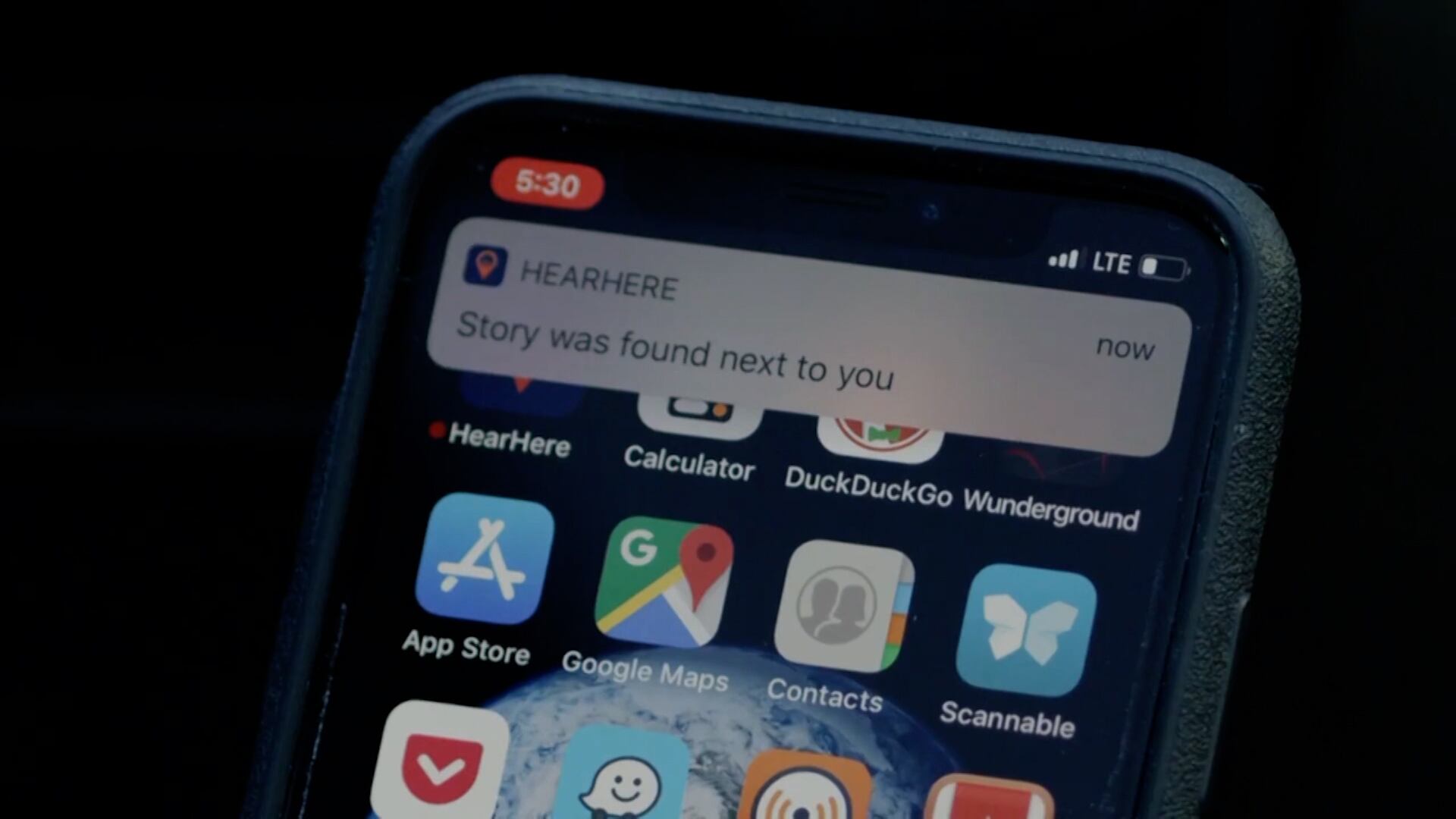
HearHere bills itself as a mobile audio entertainment app for road trips. The company just announced $3.2 million in seed funding led by Camping World, a retail company that sells recreational vehicles and camping supplies. HearHere's GPS-powered app offers over 8,880 stories across the continental U.S. and serves up the stories based on a users' geographic location and interests. The stories are narrated by some big-name celebrities including actor Kevin Costner, who is a co-founder of the company. Woody Sears, co-founder and CEO of HearHere, joins Cheddar News' Closing Bell to discuss.
On December 25, 2021, NASA got into the holiday spirit by launching the James Webb Space Telescope, the largest and most powerful space science observatory in history.
It is intended to succeed the Hubble Space Telescope as NASA's flagship mission in astrophysics and is able to view objects too old and distant for Hubble. Gregory Robinson, director of NASA's James Webb Space Telescope program, joins Cheddar News' Closing Bell to discuss the mission. "I think a lot of what we don't know today is what I'm expecting to find and certainly really understand what took place more than 13.5 billion years ago and see the formation of some of the first galaxies in our universe," said Robinson.
YouTube creator platform Spotter recently announced $200 million in Series D financing at a valuation of $1.7 billion, led by SoftBank Vision Fund 2. Spotter allows YouTubers to license the rights to their video catalogs in exchange for large sums of cash paid upfront. The company's clients include some of YouTube's most popular personalities, with a combined total of more than 1.2 billion subscribers. Aaron Debevoise, founder and CEO of Spotter, joins Cheddar News' Closing Bell to discuss.
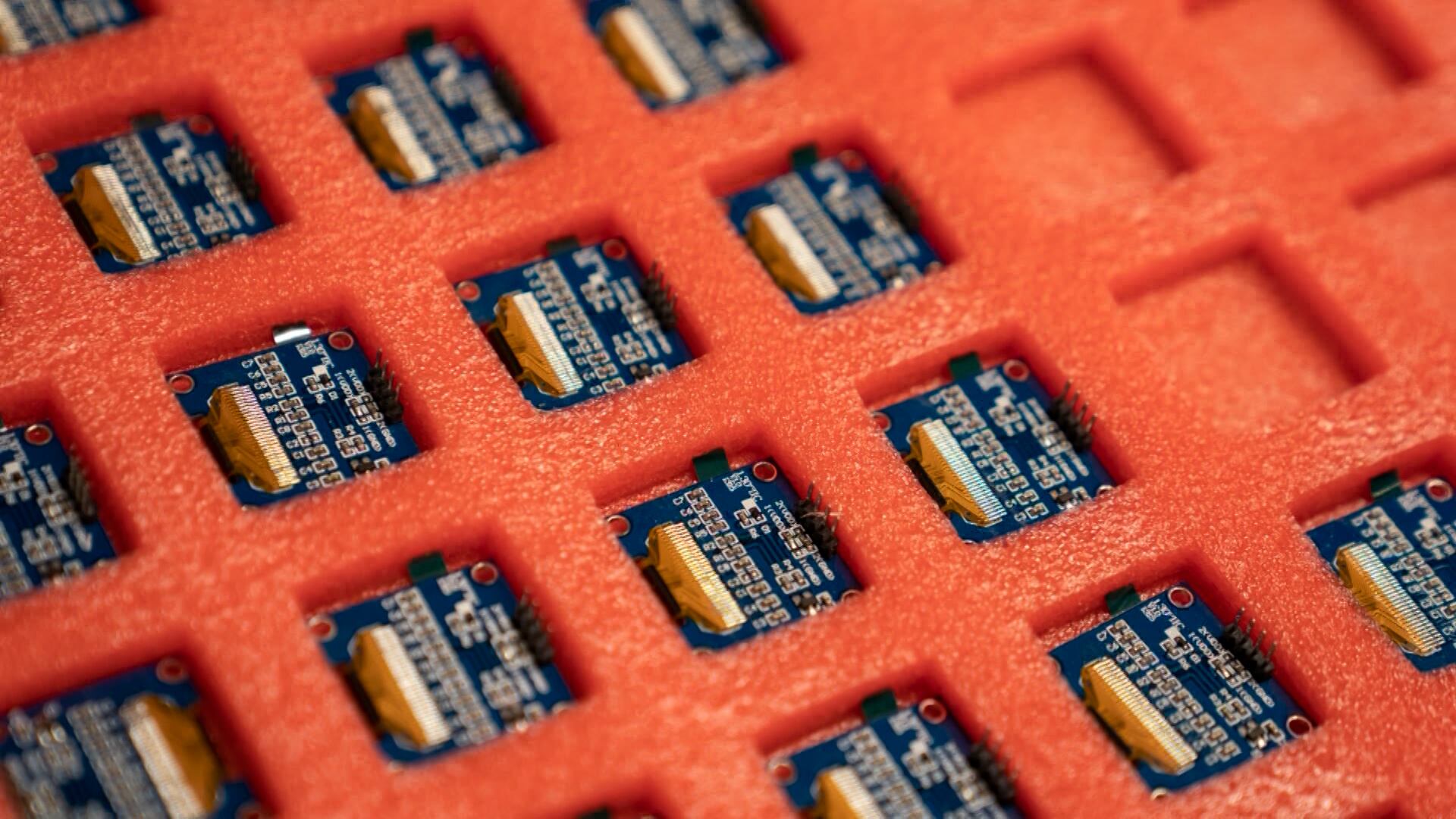
The Russia-Ukraine conflict drags on — and global economies could see pandemic-era prices and supply chain issues come back full force. Both countries supply key commodities and materials, including semiconductor production. That sector, in particular, was hit hard by the pandemic and was just beginning to see a recovery when the invasion began. What happens next? Do companies have enough to fall back on and can they rely on pandemic-era measures to stay afloat? Everett Millman, Chief Market Analyst at Gainesville Coins, joins Closing Bell to discuss which sectors are being hit the hardest, rising prices, how consumers could feel the impact, and more.
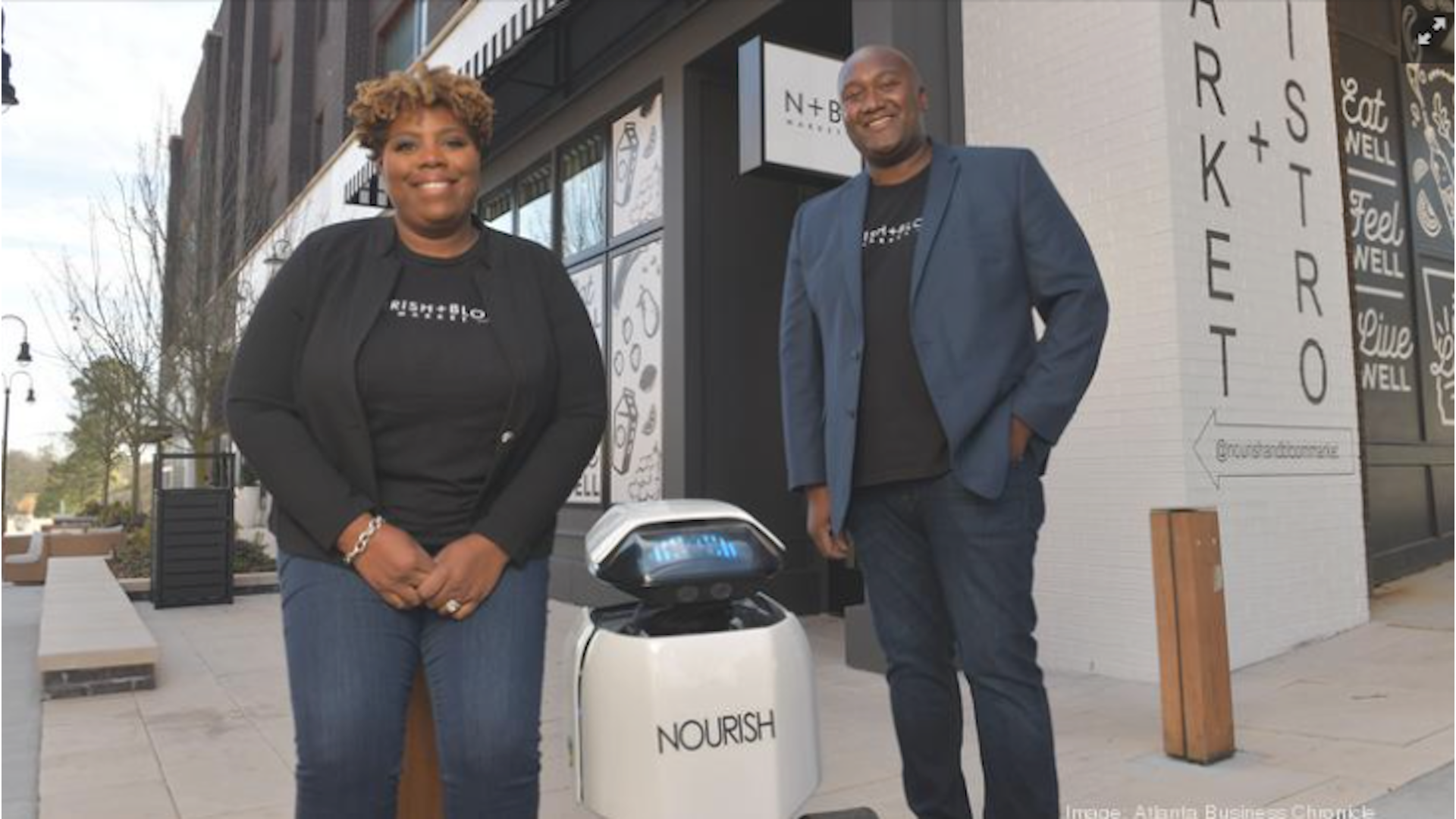
Jamie Hemmings and Jilea Hemmings, owners and founders of Nourish + Bloom Market, join Cheddar News to talk about the inspiration behind creating their cashierless grocery store.