Rep. Rashida Tlaib said on Friday that she will not visit her family in the West Bank due to the conditions required by the Israeli government. The decision follows a reversal by Israel, which first barred the Michigan Congresswoman from the country and later granted her entry on humanitarian grounds.
"Visiting my grandmother under these oppressive conditions meant to humiliate me would break my grandmother's heart," the freshman Democrat said in a statement. "Silencing me with treatment to make me feel less-than is not what she wants for me – it would kill a piece of me that always stands up against racism and injustice."
Tlaib had submitted a formal request to Israeli Interior Minister Aryeh Deri on Thursday requesting a visit to see family and her aging grandmother who lives outside Ramallah. "This could be my last opportunity to see her," the request letter read.
Deri had approved the request under the condition that Tlaib cease her support for the Boycott, Divestment, Sanctions (BDS) movement, a formal campaign aimed at curbing international support for Israel over its treatment and policies towards Palestinians. The movement also aims to pressure Israel to comply with international law on issues such as expanding Israeli settlements in Palestianian territories, which has been declared illegal by the United Nations.
Tlaib's request "was just a provocative request, aimed at bashing the State of Israel," Deri said on Twitter. "Apparently her hate for Israel overcomes her love for her grandmother."
The dual reversals come after Israeli Prime Minister Benjamin Netanyahu's government had originally announced that Tlaib and fellow Democrat Rep. Ilhan Omar of Minnesota would not be allowed into the country, claiming that the "sole purpose" of their visit is to "increase incitement" against Israel.
Netanyahu's decision followed an extraordinary tweet from President Trump urging Israel to bar the two sitting U.S. Congresswomen. "They hate Israel & all Jewish people, & there is nothing that can be said or done to change their minds," Trump said.
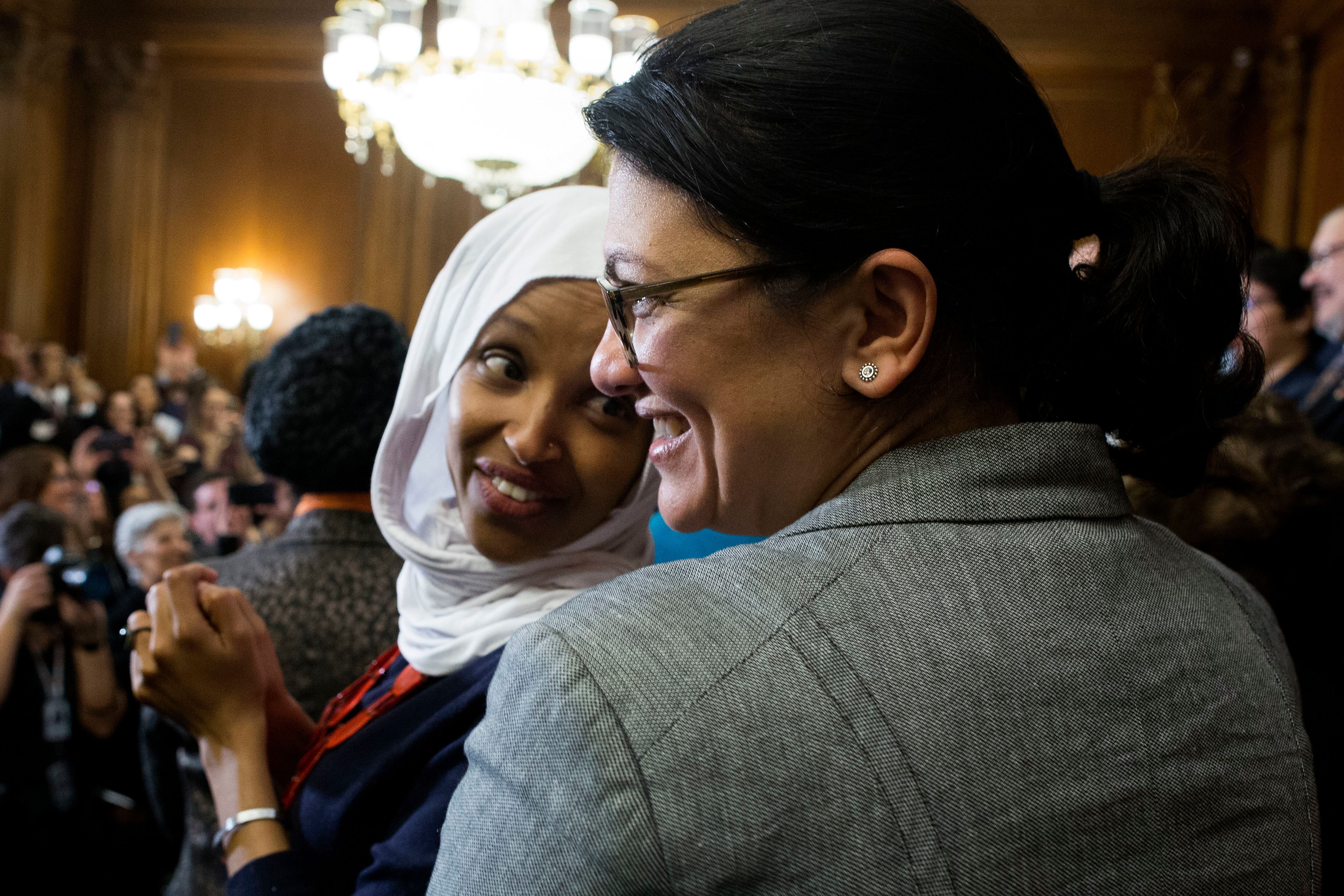
<i>Democratic Representative from Minnesota Ilhan Omar (L) and Democratic Representative from Michigan Rashida Tlaib at an event in March. Photo Credit: EPA-EFE/Shutterstock.</i>
Trump's tweet and the decision to bar the lawmakers from an allied country — one that receives billions of U.S. dollars in aid — rocked the political consciousness in Washington and in Israel.
"As a member of the House Committee on Foreign Affairs, it is my job to conduct oversight of foreign aid," Omar said in a statement. "The irony of the 'only democracy' in the Middle East making such a decision is that it is both an insult to democratic values and a chilling response to a visit by government officials from an allied nation."
House Speaker Nancy Pelosi said that the denial of entry of the Congresswomen "is a sign of weakness, and beneath the dignity of the great State of Israel" — a direct rebuke of Trump's tweet, which said the entry of Omar and Tlaib would "show great weakness."
The American Israel Public Affairs Committee — the powerful pro-Israel lobbying group better known as AIPAC — also said that while it does not support the Congresswomen's "anti-Israel" positions, it does believe that every member of Congress should be able to visit Israel. Republican Sen. Marco Rubio of Florida also said blocking their entry was a mistake.
Yet Washington's ambassador to Israel, David Friedman, said in a statement that the U.S. supported Israel's earlier decision to deny entry. "This trip, pure and simple, is nothing more than an effort to fuel the BDS engine that Congresswomen Tlaib and Omar so vigorously support," Friedman said in a statement.
Tlaib and Omar — the first two Muslim American women ever to be elected to Congress — have been vocal supporters of the BDS movement. In July, the Congresswomen and just a handful of other lawmakers voted against a resolution to formally condemn the BDS campaign. The bill passed overwhelmingly with 398 votes in favor and 17 against.
In a tweet on Friday, the BDS movement said that "Palestinians do not bow to oppressor's diktats" and that the attempt by Israel's "far-right regime" to humiliate Tlaib had failed.
"I cannot allow the Israeli government to take that away from them or to use my deep desire to see my grandmother, potentially for the last time, as a political bargaining chip," Tlaib added in her statement.
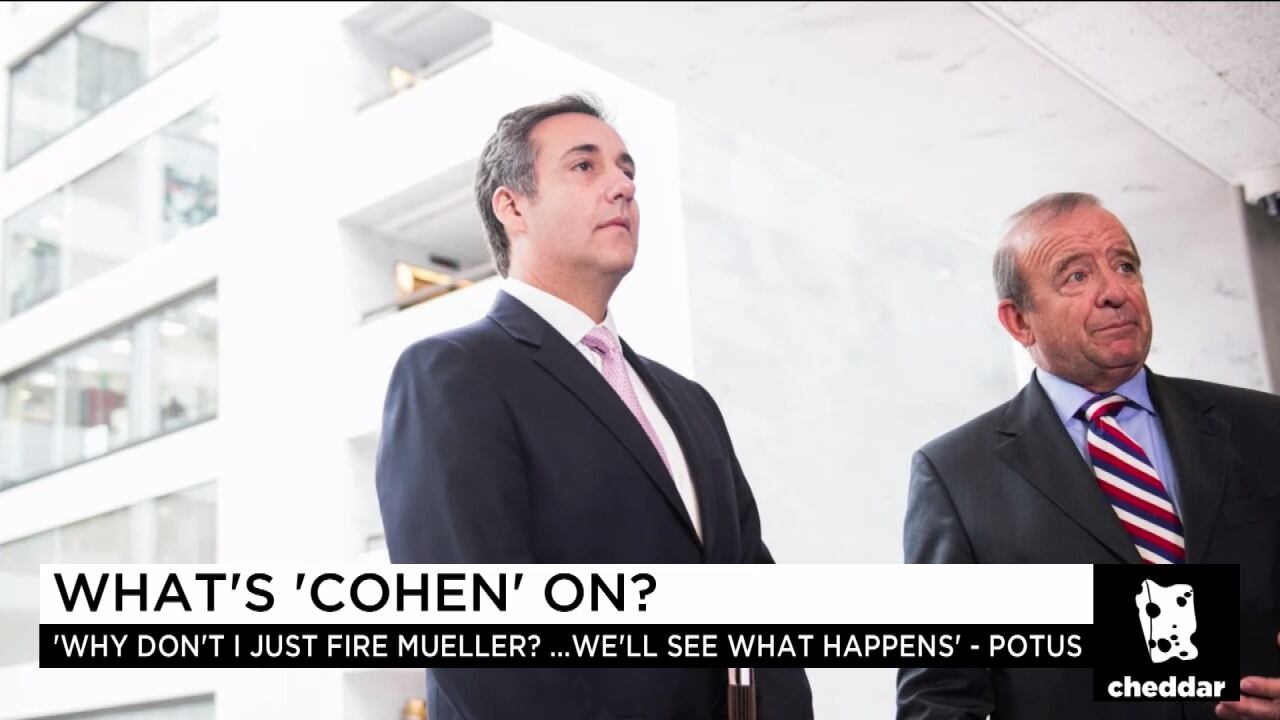
It is extremely rare for federal prosecutors to get search warrants for lawyers "because they usually want to protect attorney-client privilege," explains Politico's Daniel Lippman. The fact that the FBI moved on Cohen suggests he "might not have been totally legal" in his work for Trump. The president blasted the raid, calling it a "disgraceful situation."
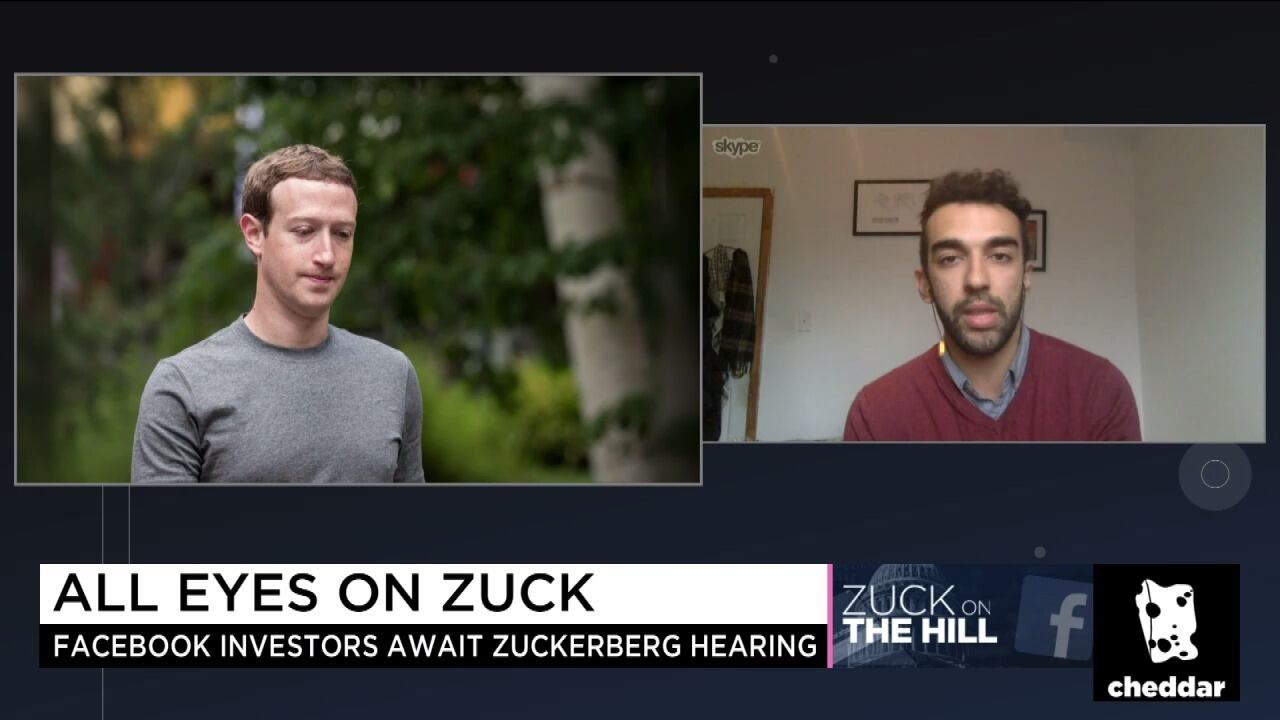
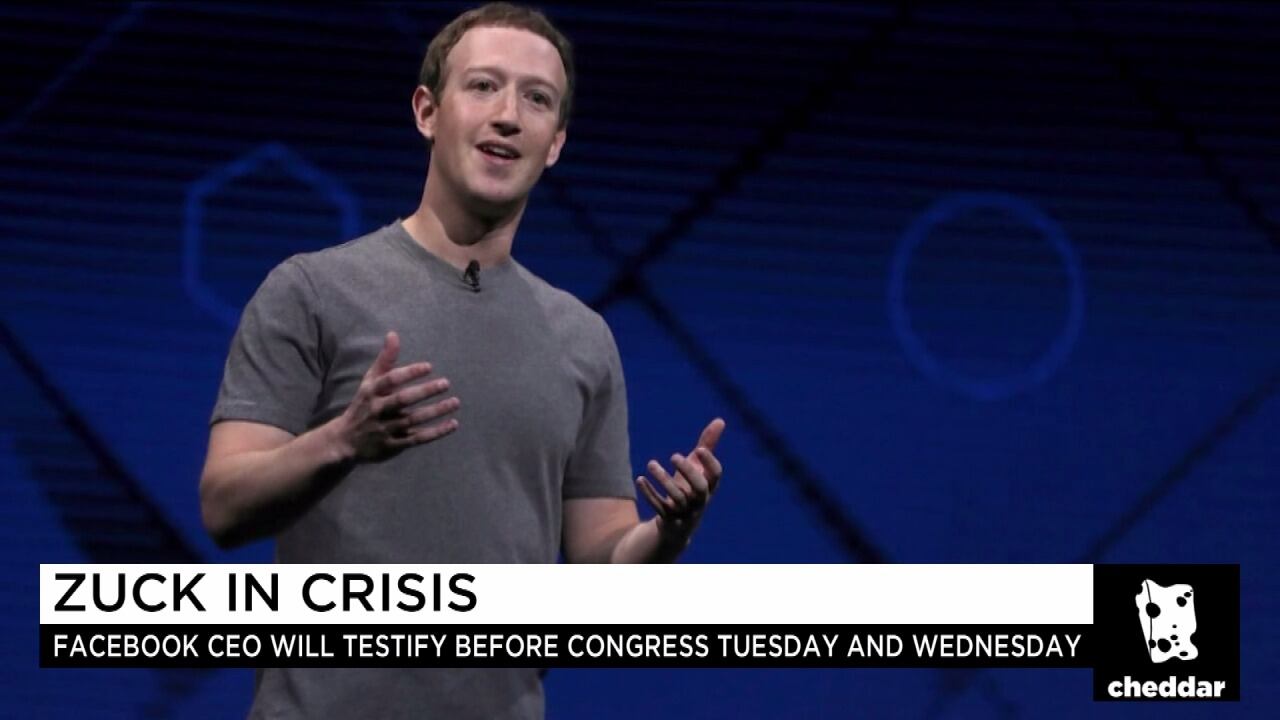
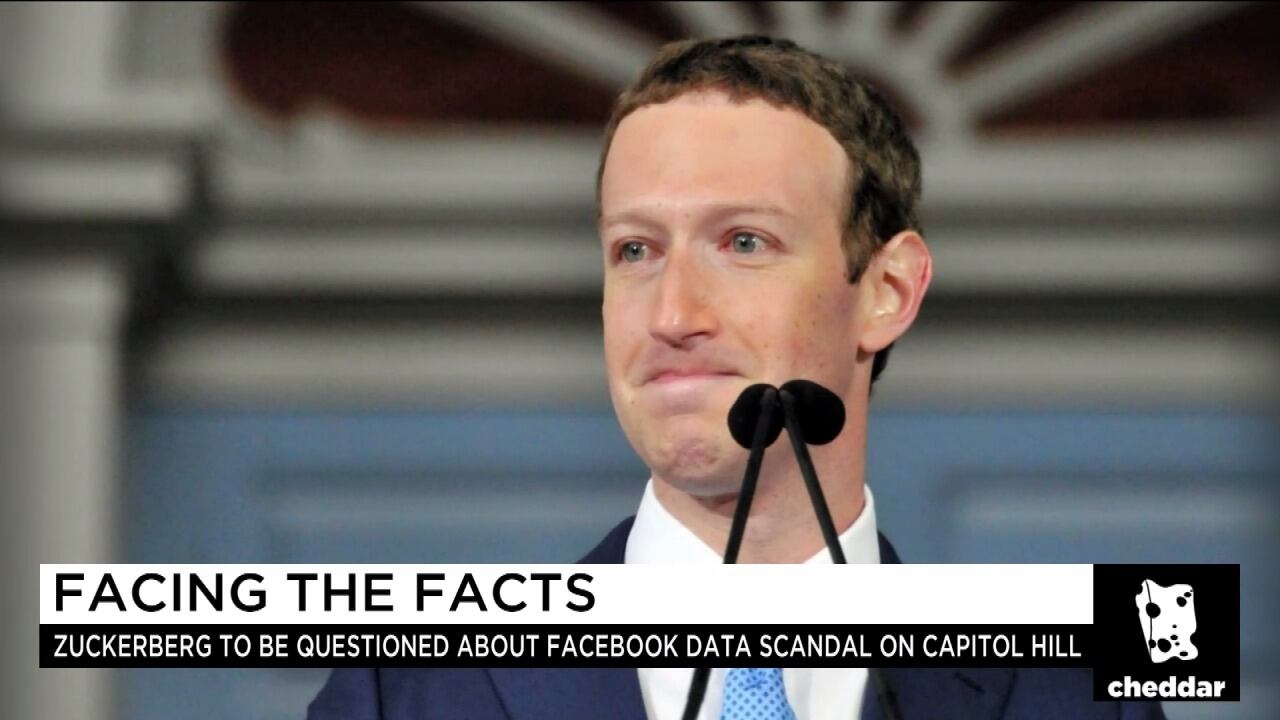
Democrats have already signaled that they're going to focus more on election interference and be "a little bit more aggressive than Republicans" during Mark Zuckerberg's testimonies this week, says Ali Breland, technology and politics reporter at The Hill. The Facebook CEO will appear before Congress Tuesday and Wednesday to face questions about the Cambridge Analytica scandal.
President Trump's feud with Amazon and its CEO Jeff Bezos continues, as the president claims that the tech giant does not pay its fair share of taxes and that it's causing the U.S. Postal Service to lose money. Cheddar breaks down President Trump's claims and explores how Amazon's deal with the post office works.
The Facebook CEO's hearings on Capitol Hill will likely dominate headlines for days. If those stories focus more on the new initiatives that the social network has recently rolled out, rather than the data scandal itself, "that would be a big win," says Aaron Pressman, Senior Technology Reporter at Fortune Magazine.
The president is likely to respond to the brutal chemical attack in Syria that took place over the weekend, says Jon Miller, CRTV's White House Correspondent. That's based on the fact that, not only has the president taken military action against Syria before, but there also seems to be some support for some kind of a response among voters.
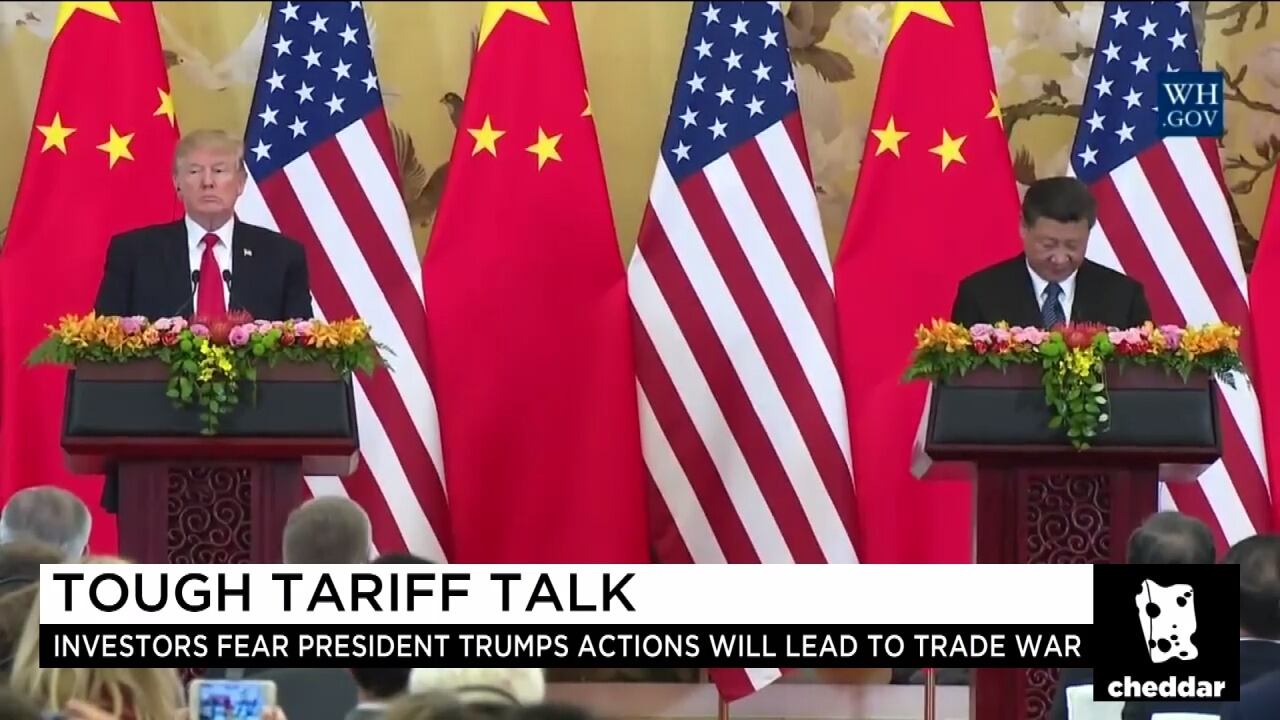
The trade war rhetoric "runs the risk of overplaying [Trump's] hand" in negotiations, says Clayton Allen, Vice President of Special Situations at Height Capital Management. That could, in the long run, come back and hurt employment rates in the U.S.
A lot of top executives of big name brands, like Apple or Starbucks, are starting to take political stances that are "unrelated to the bottom line," explains Aaron Chatterji, Associate Professor at Duke University's Fuqua School of Business and author of a recent Harvard Business Review article about CEO activism.
Washington won't easily forgive Facebook for sending a "low-level" deputy to testify when Congress first wanted answers about Russia's role in the 2016 election. And legislators are likely to take out their frustration on the CEO when he appears before them next week, says Ken Gude, Senior Fellow at the Center for American Progress.
President Trump is stoking fears of a trade war with China yet again. On Thursday evening, Trump threatened more tariffs on China worth $100 billion dollars, on top of the tariffs Trump is already planning. China immediately fired back, saying the country will continue to meet Trump's tariff threats with counter-actions.
President Trump also made news when he finally broke his silence on the Stormy Daniels controversy. When asked by reporters if he knew about the payment by his lawyer to Daniels, Trump quickly said, "no." Michael Avenatti, Stormy Daniels' lawyer, said Trump denying knowledge of the payment is "a gift from the heavens."
Executives and fighters from the UFC were at the New York Stock Exchange to ring the opening bell on Friday in celebration of the organization's 25th anniversary. Amanda Nunes, a UFC fighter, and Lawrence Epstein, the COO of the UFC, join us to weigh in on the milestone and preview the UFC 223 taking place at Barclays Center in Brooklyn this weekend. Epstein also commented on the arrest of UFC star Conor McGregor, saying McGregor's actions don't represent UFC's values.
West Virginia is the first state to test out voting via blockchain, collaborating with venture capitalist Bradley Tusk. "[People] want to vote the same way that they order something from Amazon," says Mac Warner, WV's Secretary of State. The experiment has rolled out for deployed military voters in some counties, with plans to deploy it across the state for the midterm elections in November.