Rep. Rashida Tlaib said on Friday that she will not visit her family in the West Bank due to the conditions required by the Israeli government. The decision follows a reversal by Israel, which first barred the Michigan Congresswoman from the country and later granted her entry on humanitarian grounds.
"Visiting my grandmother under these oppressive conditions meant to humiliate me would break my grandmother's heart," the freshman Democrat said in a statement. "Silencing me with treatment to make me feel less-than is not what she wants for me – it would kill a piece of me that always stands up against racism and injustice."
Tlaib had submitted a formal request to Israeli Interior Minister Aryeh Deri on Thursday requesting a visit to see family and her aging grandmother who lives outside Ramallah. "This could be my last opportunity to see her," the request letter read.
Deri had approved the request under the condition that Tlaib cease her support for the Boycott, Divestment, Sanctions (BDS) movement, a formal campaign aimed at curbing international support for Israel over its treatment and policies towards Palestinians. The movement also aims to pressure Israel to comply with international law on issues such as expanding Israeli settlements in Palestianian territories, which has been declared illegal by the United Nations.
Tlaib's request "was just a provocative request, aimed at bashing the State of Israel," Deri said on Twitter. "Apparently her hate for Israel overcomes her love for her grandmother."
The dual reversals come after Israeli Prime Minister Benjamin Netanyahu's government had originally announced that Tlaib and fellow Democrat Rep. Ilhan Omar of Minnesota would not be allowed into the country, claiming that the "sole purpose" of their visit is to "increase incitement" against Israel.
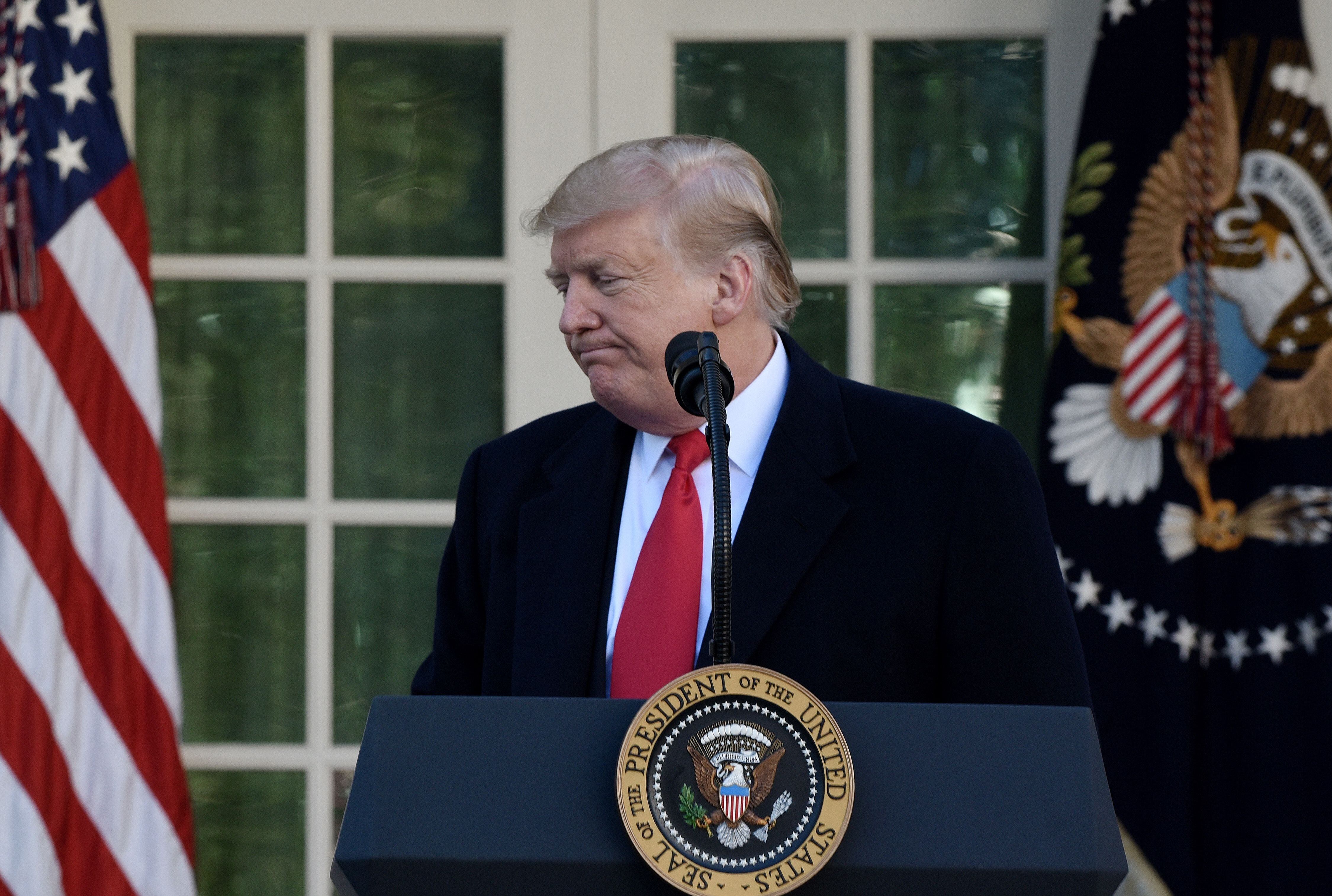
Netanyahu's decision followed an extraordinary tweet from President Trump urging Israel to bar the two sitting U.S. Congresswomen. "They hate Israel & all Jewish people, & there is nothing that can be said or done to change their minds," Trump said.
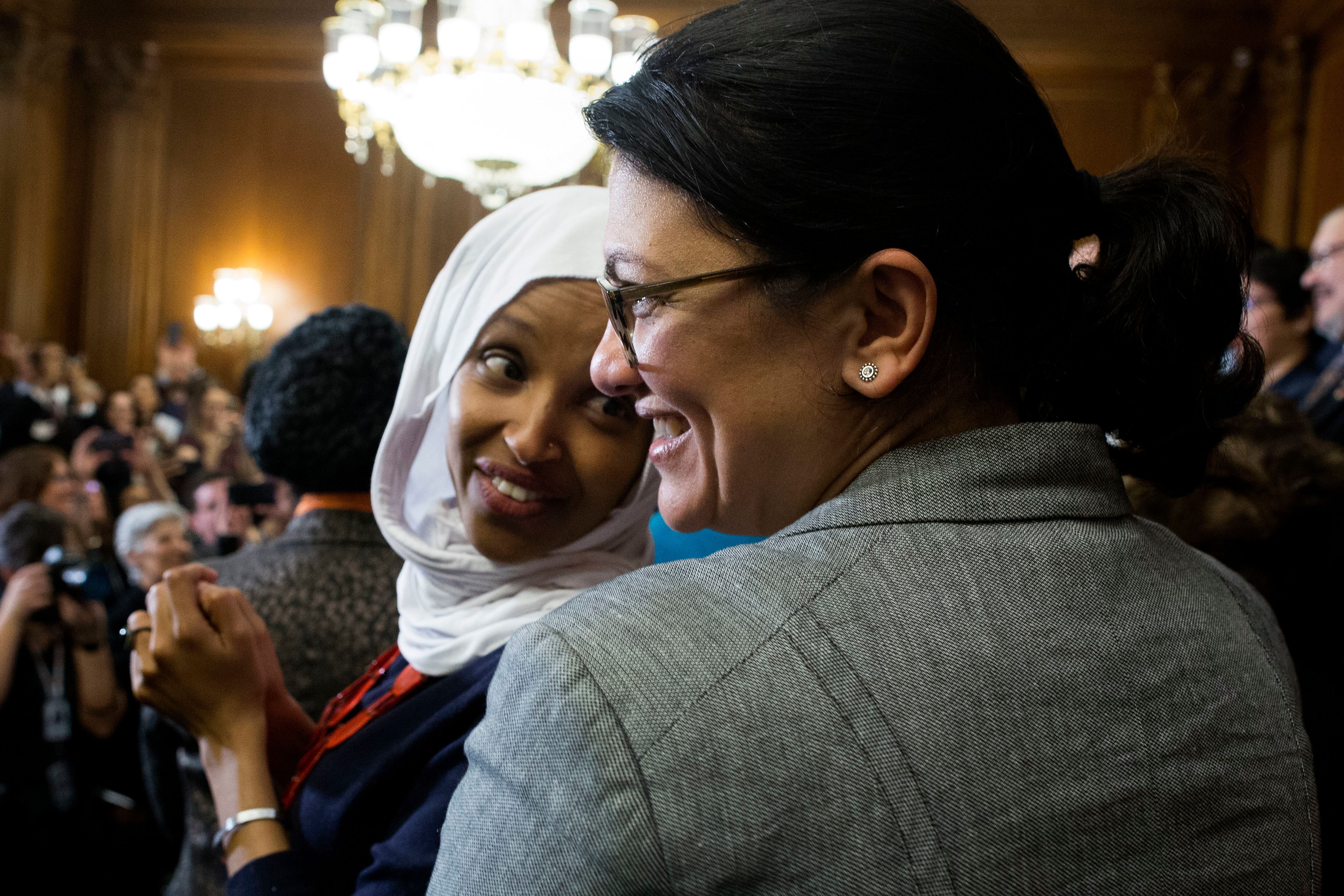
<i>Democratic Representative from Minnesota Ilhan Omar (L) and Democratic Representative from Michigan Rashida Tlaib at an event in March. Photo Credit: EPA-EFE/Shutterstock.</i>
Trump's tweet and the decision to bar the lawmakers from an allied country — one that receives billions of U.S. dollars in aid — rocked the political consciousness in Washington and in Israel.
"As a member of the House Committee on Foreign Affairs, it is my job to conduct oversight of foreign aid," Omar said in a statement. "The irony of the 'only democracy' in the Middle East making such a decision is that it is both an insult to democratic values and a chilling response to a visit by government officials from an allied nation."
House Speaker Nancy Pelosi said that the denial of entry of the Congresswomen "is a sign of weakness, and beneath the dignity of the great State of Israel" — a direct rebuke of Trump's tweet, which said the entry of Omar and Tlaib would "show great weakness."
The American Israel Public Affairs Committee — the powerful pro-Israel lobbying group better known as AIPAC — also said that while it does not support the Congresswomen's "anti-Israel" positions, it does believe that every member of Congress should be able to visit Israel. Republican Sen. Marco Rubio of Florida also said blocking their entry was a mistake.
Yet Washington's ambassador to Israel, David Friedman, said in a statement that the U.S. supported Israel's earlier decision to deny entry. "This trip, pure and simple, is nothing more than an effort to fuel the BDS engine that Congresswomen Tlaib and Omar so vigorously support," Friedman said in a statement.
Tlaib and Omar — the first two Muslim American women ever to be elected to Congress — have been vocal supporters of the BDS movement. In July, the Congresswomen and just a handful of other lawmakers voted against a resolution to formally condemn the BDS campaign. The bill passed overwhelmingly with 398 votes in favor and 17 against.
In a tweet on Friday, the BDS movement said that "Palestinians do not bow to oppressor's diktats" and that the attempt by Israel's "far-right regime" to humiliate Tlaib had failed.
"I cannot allow the Israeli government to take that away from them or to use my deep desire to see my grandmother, potentially for the last time, as a political bargaining chip," Tlaib added in her statement.
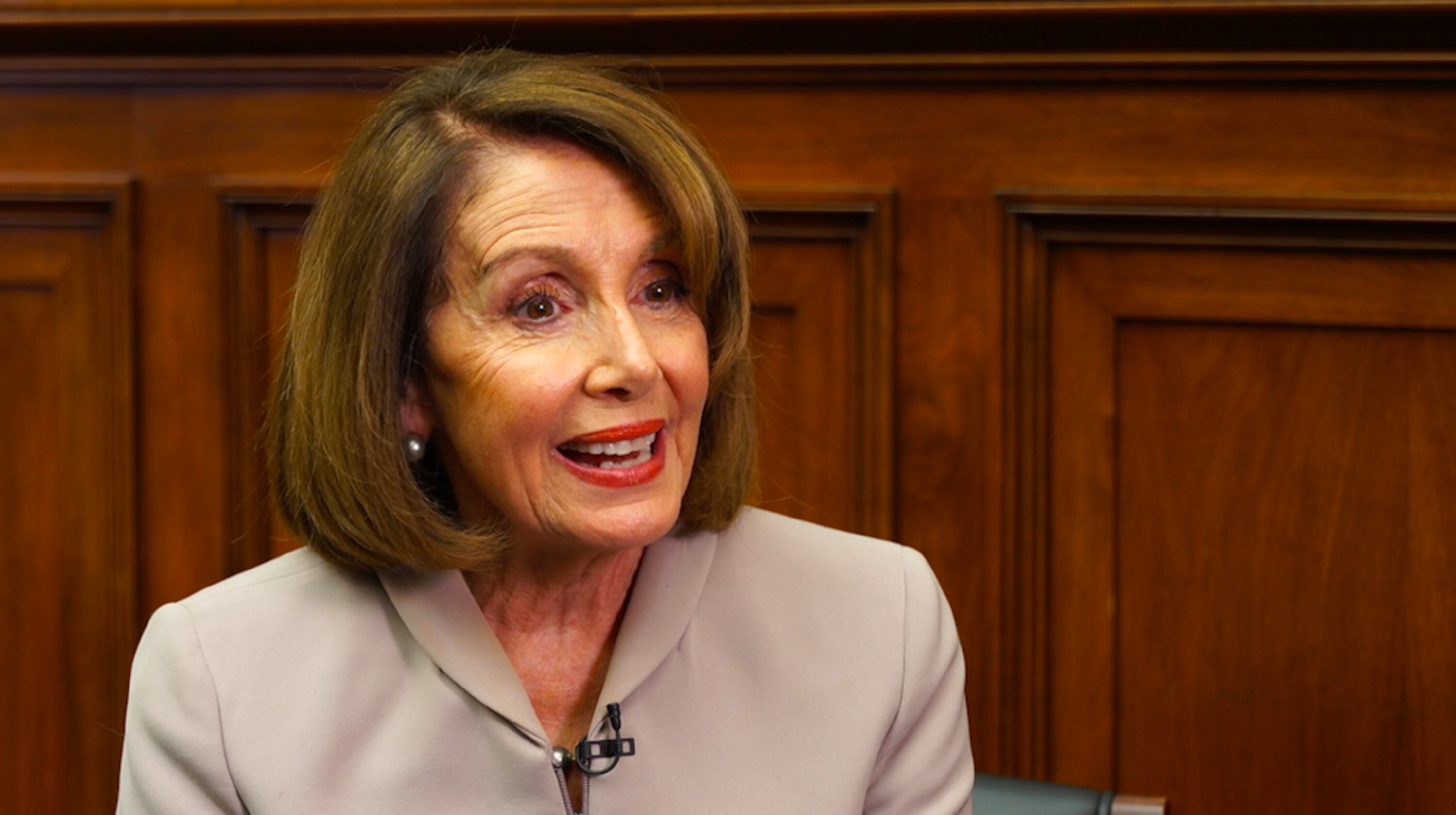
Young Americans face a double burden from crushing student debt and the ballooned federal deficit that is the result of President Trump's tax cut, House Speaker Nancy Pelosi told Cheddar's J.D. Durkin in an interview that aired Wednesday. Pelosi called the economic position many millennials find themselves in, even as the economy remains strong, "unconscionable." "Republicans foisted onto future generations [an] economy that is unfair, that is not really lending itself to growth in a strong, predictable, confident, certain way," Pelosi said.
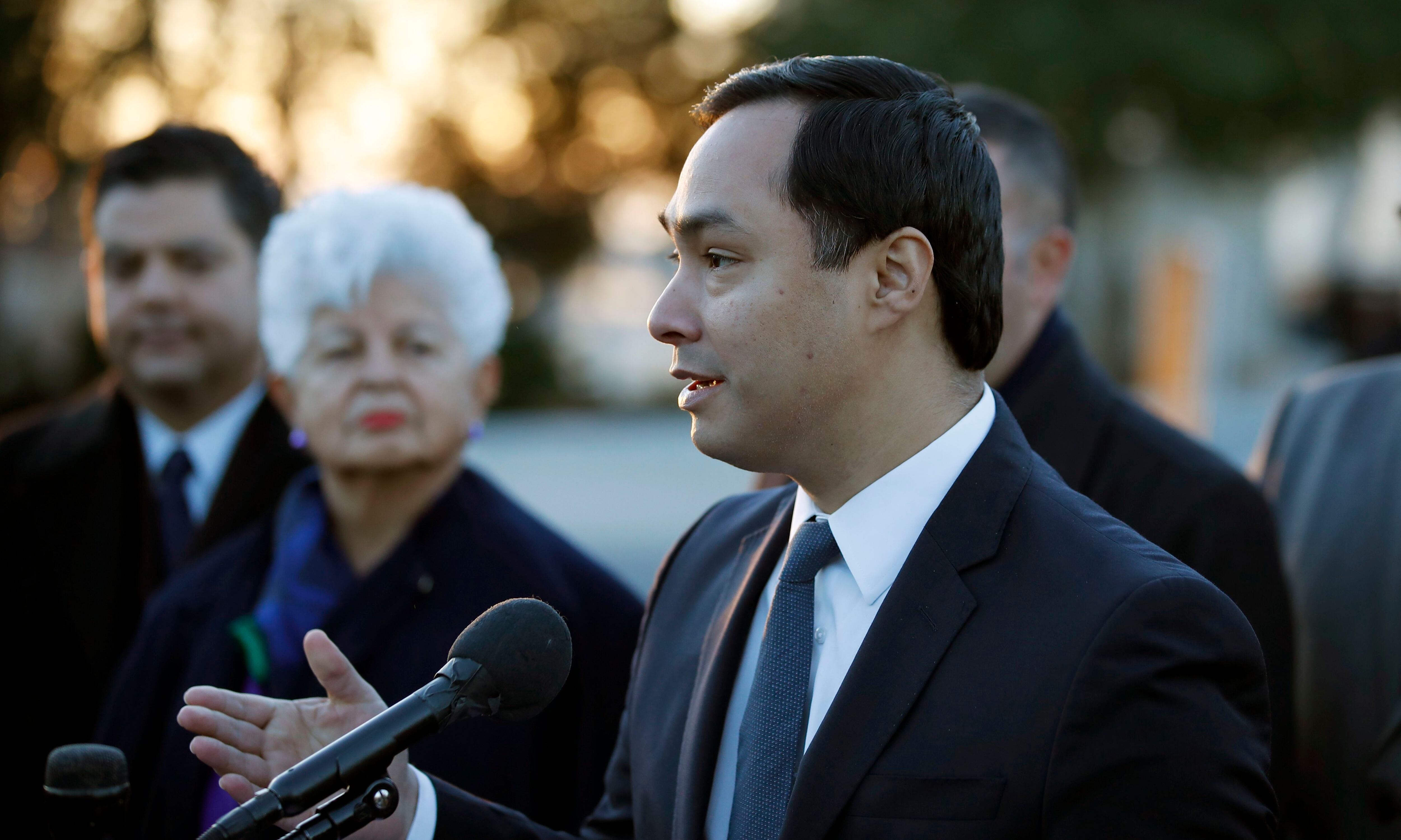
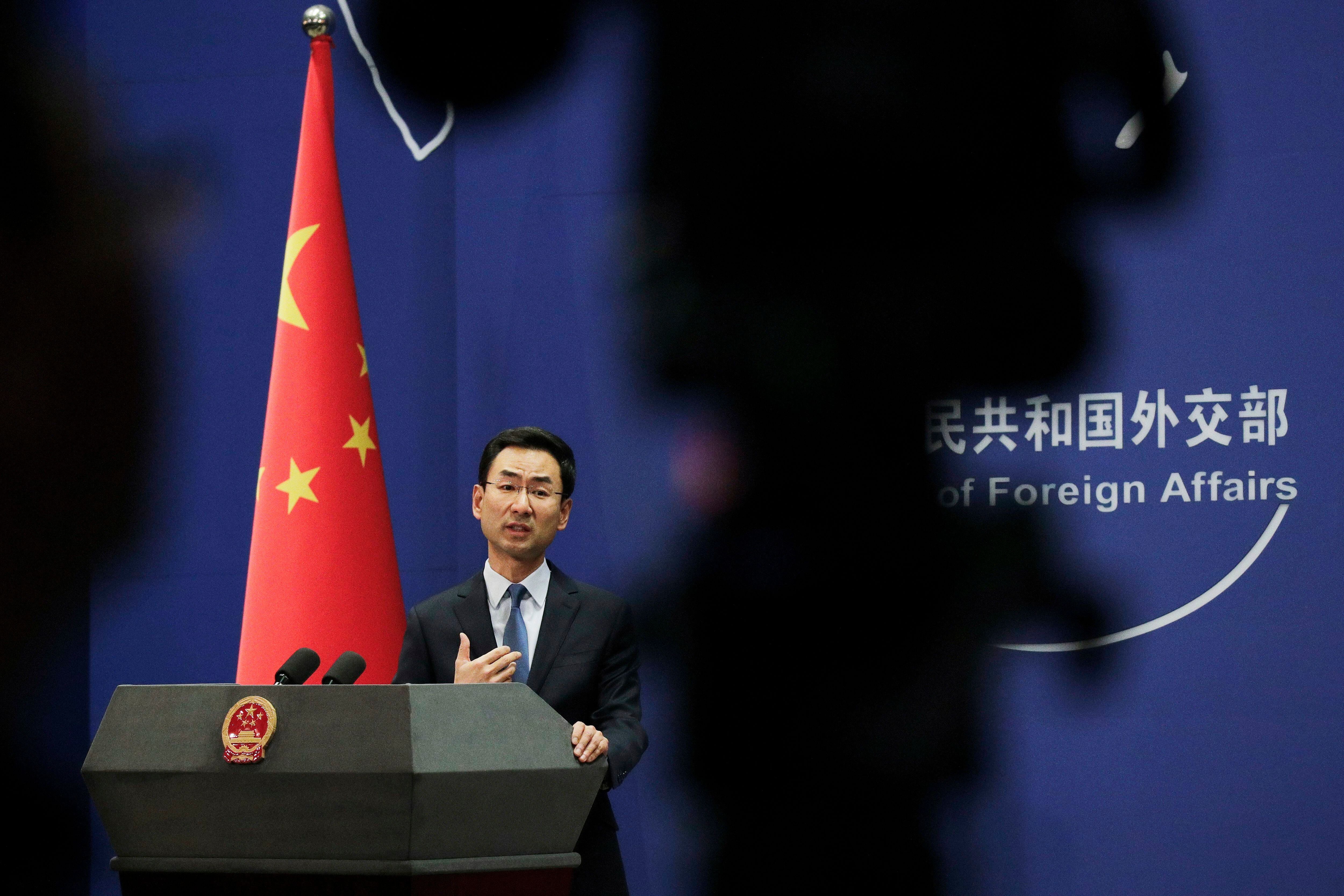
The newly appointed vice chairman of the House Foreign Affairs Committee, Rep. Joaquin Castro (D-Tex.), said he is "absolutely" concerned that Chinese telecommunication giant Huawei poses a threat to national security in an interview on Cheddar Tuesday.
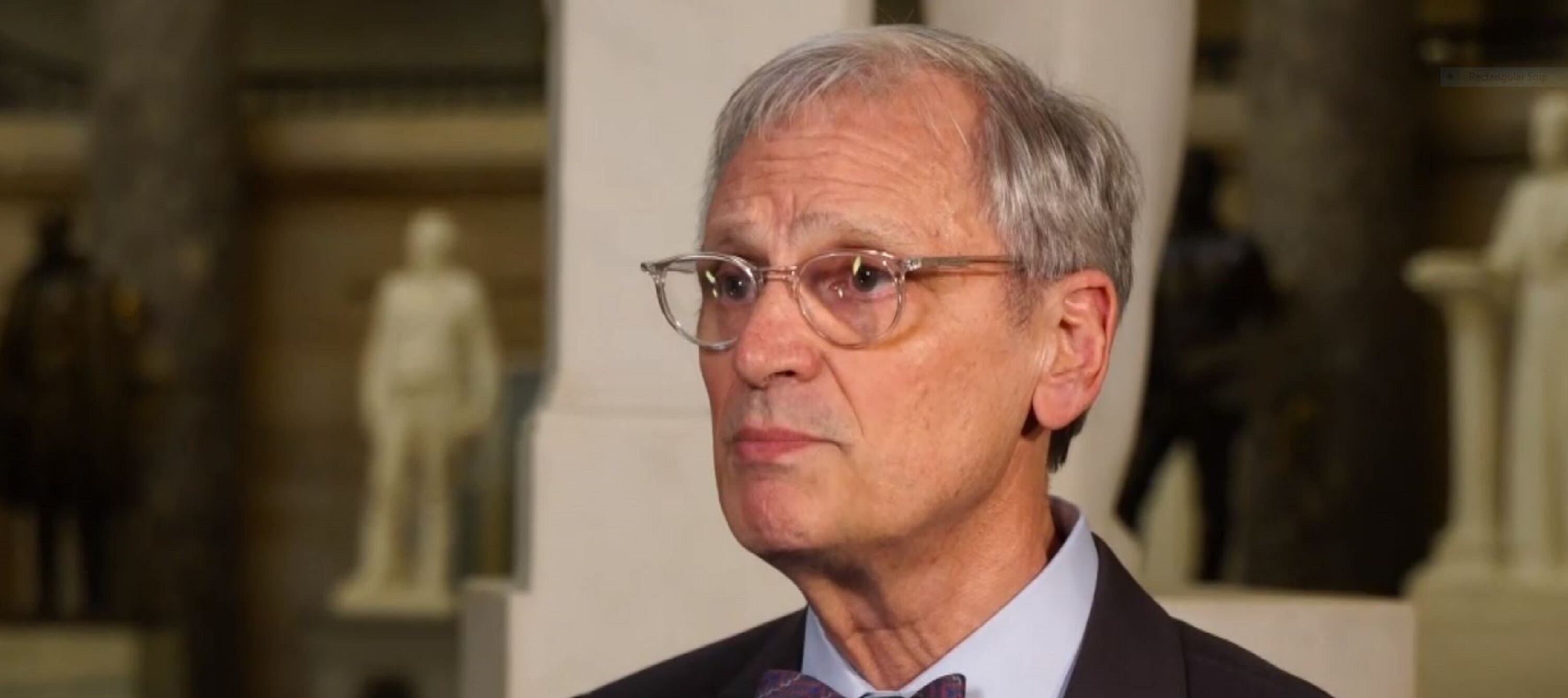
Democratic Rep. Earl Blumenauer of Oregon is pushing forward for marijuana reform, introducing the aptly named House Resolution 420 to regulate marijuana much like alcohol was regulated post-Prohibition. "Ultimately we're going to be moving in that direction, allowing the states to be able to set up a regulatory system that meets their needs ー have their own approach in terms of taxation and distribution, just like alcohol," Blumenauer told Cheddar Tuesday. "
The cannabis business is budding across the United States, and one company is hoping to take hemp mainstream. Socati just announced a new $33 million round of funding. The company's CEO Josh Epstein talked to Cheddar about how that investment will help Socati expand is business.
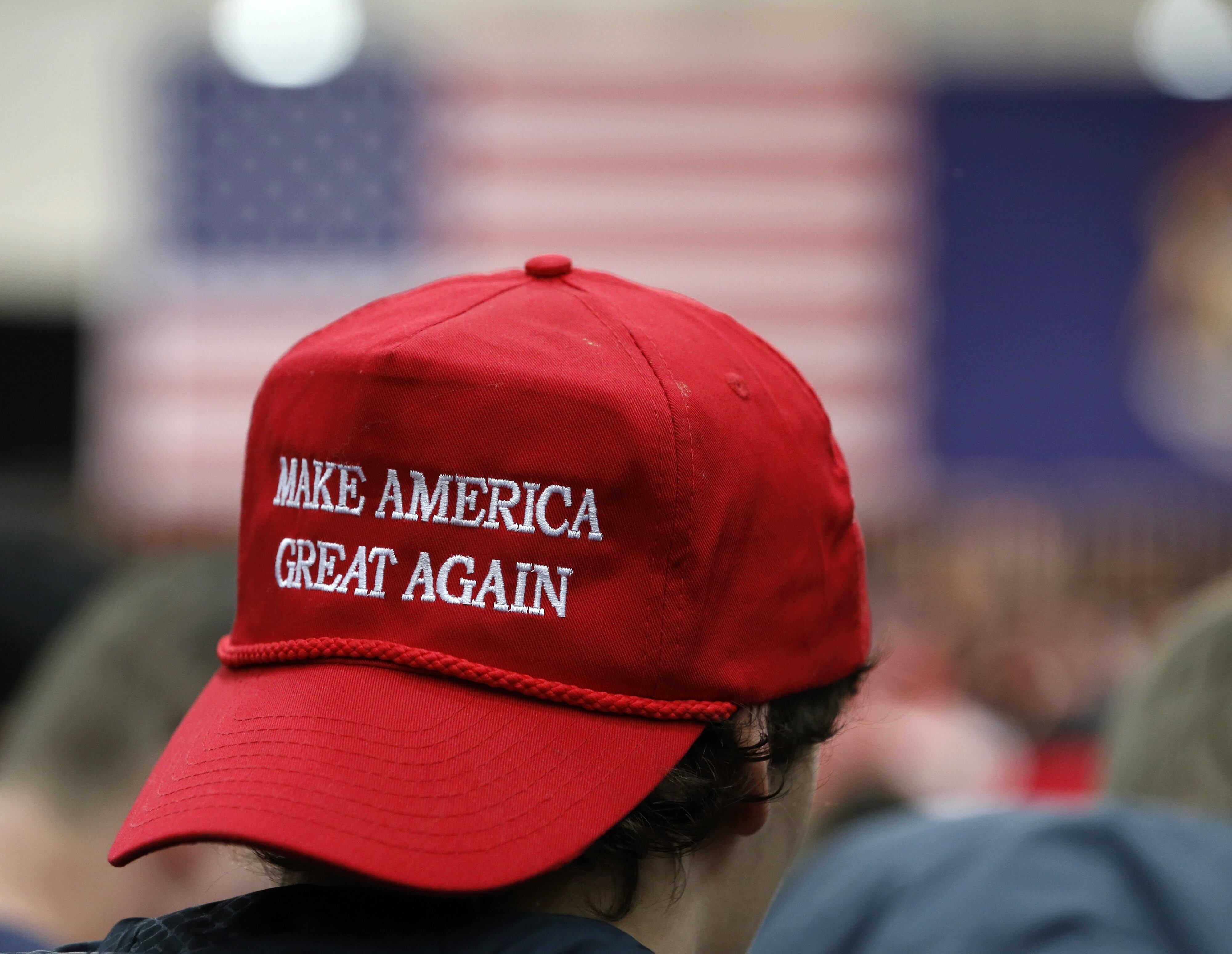
President Trump's "Make America Great Again" cap is more than just a hat, it's a "symbol of us vs. them," Washington Post fashion editor Robin Givhan told Cheddar. Givhan penned a column last week about what the hat has come to mean in the years since it burst on the scene as a campaign accessory for Trump's 2016 presidential bid. The hat, she wrote, has become "a symbol of us vs. them, of exclusion and suspicion, of garrulous narcissism, of white male privilege, of violence and hate."
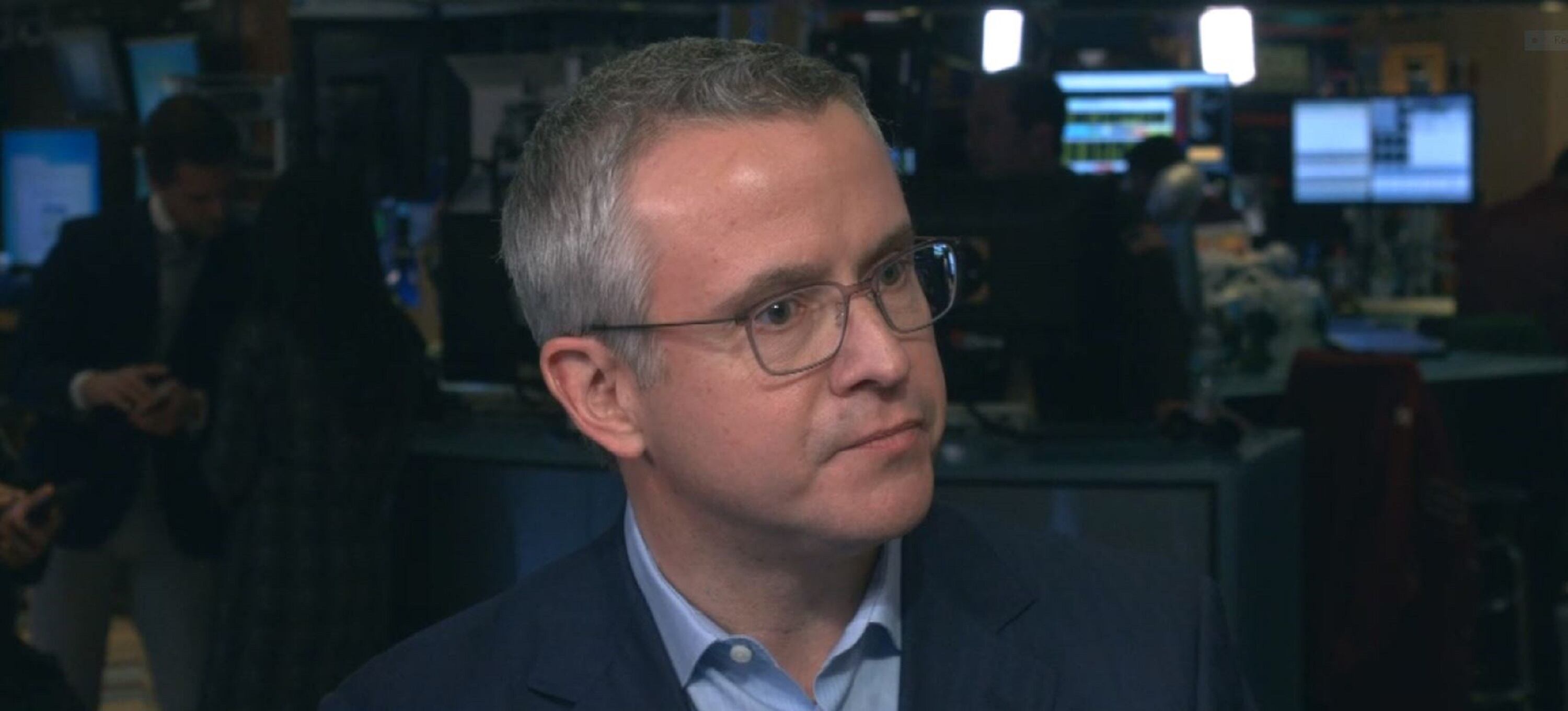
Between changes in the tax code and the government shutdown, H&R Block knows this year's tax season is likely to be stressful for many. That's why the company's introducing a slate of tools, some artificial intelligence-enabled, to help make it easier and more transparent to file. "This year we are introducing upfront, transparent pricing, so every single consumer will know what's it going to cost before I start," H&R Block CEO Jeff Jones told Cheddar.
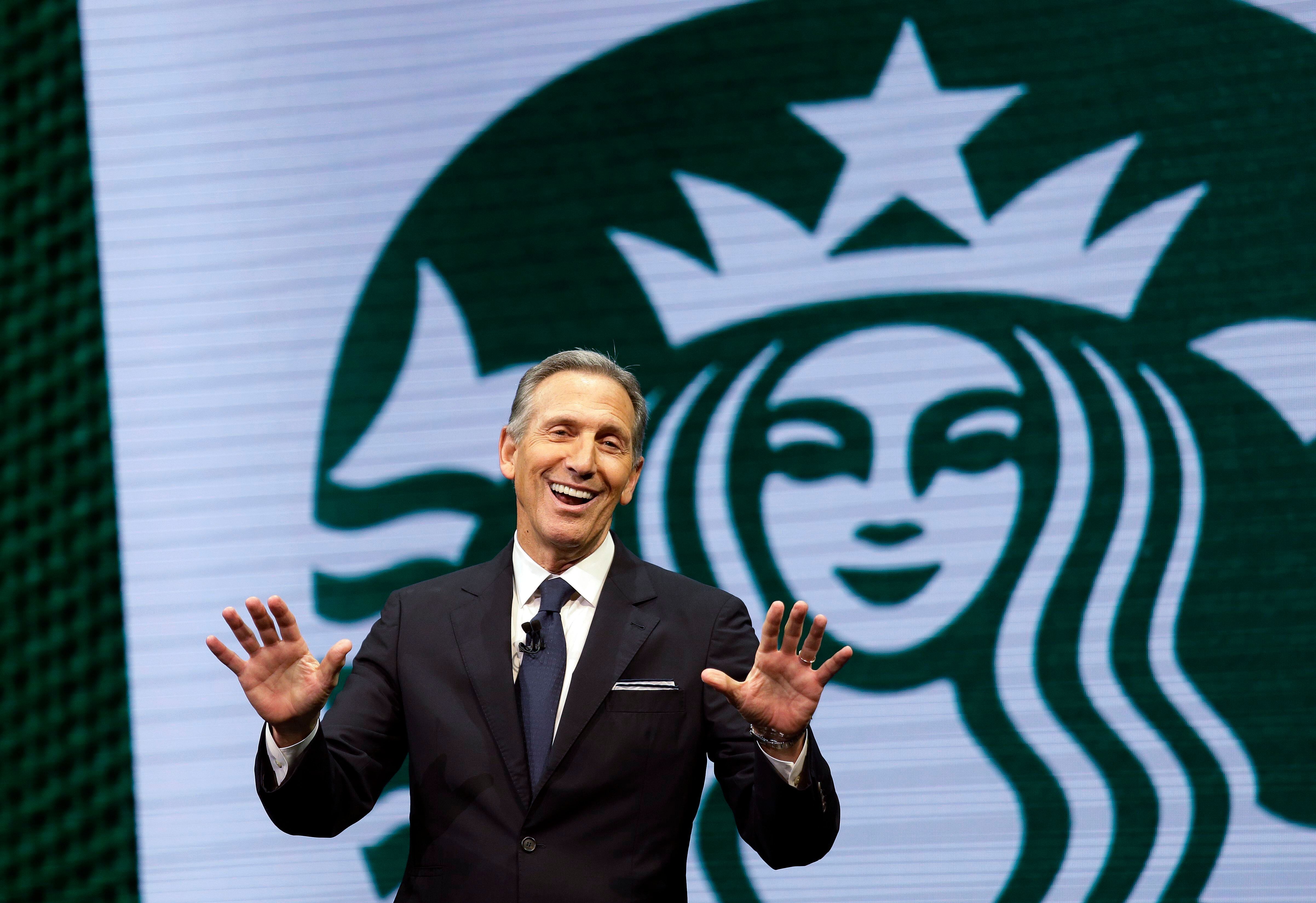
The battle of the billionaires may be heating up ahead of the 2020 presidential race, as former mayor and media mogul Michael Bloomberg took a swipe at ex-Starbucks CEO Howard Schultz after he announced a potential run for president as an independent during an interview on "60 Minutes" Sunday. The two billionaires are looking in part to capitalize on their corporate success to gain an edge against President Trump, who leveraged his business career to gain the presidency. "Anything is really possible at this point, and you don't want to ignore a white billionaire announcing a candidacy for president," Julia Manchester, reporter at The Hill, told Cheddar Monday. "We saw it happen in 2015 and \[Trump]\ won."
The U.S. Treasury on Monday announced sanctions against Venezuela's state-owned oil firm in an effort to undermine incumbent president Nicolás Maduro and reinforce support for interim president Juan Guaidó. Brett Bruen, a former diplomat and director of global engagement under President Obama, called the administration's decision a "rare bright spot" in Trump's foreign policy. "The Trump administration is holding firm to defend democracy, they are standing up for human rights, they are standing up for the rule of law," Bruen told Cheddar Monday.
Trump's political calculus to appeal to his base ー an older, whiter, more conservative demographic ー is coming at the expense of his popularity among millennials, said Kristen Soltis Anderson, a Republican pollster and author of "The Selfie Vote: Where Millennials Are Leading America." That poses a problem for the GOP as it seeks to broaden its tent in anticipation of a future when Donald Trump is not on the ballot.