Rep. Rashida Tlaib said on Friday that she will not visit her family in the West Bank due to the conditions required by the Israeli government. The decision follows a reversal by Israel, which first barred the Michigan Congresswoman from the country and later granted her entry on humanitarian grounds.

"Visiting my grandmother under these oppressive conditions meant to humiliate me would break my grandmother's heart," the freshman Democrat said in a statement. "Silencing me with treatment to make me feel less-than is not what she wants for me – it would kill a piece of me that always stands up against racism and injustice."

Tlaib had submitted a formal request to Israeli Interior Minister Aryeh Deri on Thursday requesting a visit to see family and her aging grandmother who lives outside Ramallah. "This could be my last opportunity to see her," the request letter read.

Deri had approved the request under the condition that Tlaib cease her support for the Boycott, Divestment, Sanctions (BDS) movement, a formal campaign aimed at curbing international support for Israel over its treatment and policies towards Palestinians. The movement also aims to pressure Israel to comply with international law on issues such as expanding Israeli settlements in Palestianian territories, which has been declared illegal by the United Nations.

Tlaib's request "was just a provocative request, aimed at bashing the State of Israel," Deri said on Twitter. "Apparently her hate for Israel overcomes her love for her grandmother."

The dual reversals come after Israeli Prime Minister Benjamin Netanyahu's government had originally announced that Tlaib and fellow Democrat Rep. Ilhan Omar of Minnesota would not be allowed into the country, claiming that the "sole purpose" of their visit is to "increase incitement" against Israel.

Netanyahu's decision followed an extraordinary tweet from President Trump urging Israel to bar the two sitting U.S. Congresswomen. "They hate Israel & all Jewish people, & there is nothing that can be said or done to change their minds," Trump said.

<i>Democratic Representative from Minnesota Ilhan Omar (L) and Democratic Representative from Michigan Rashida Tlaib at an event in March. Photo Credit: EPA-EFE/Shutterstock.</i>

Trump's tweet and the decision to bar the lawmakers from an allied country — one that receives billions of U.S. dollars in aid — rocked the political consciousness in Washington and in Israel.

"As a member of the House Committee on Foreign Affairs, it is my job to conduct oversight of foreign aid," Omar said in a statement. "The irony of the 'only democracy' in the Middle East making such a decision is that it is both an insult to democratic values and a chilling response to a visit by government officials from an allied nation."

House Speaker Nancy Pelosi said that the denial of entry of the Congresswomen "is a sign of weakness, and beneath the dignity of the great State of Israel" — a direct rebuke of Trump's tweet, which said the entry of Omar and Tlaib would "show great weakness."

The American Israel Public Affairs Committee — the powerful pro-Israel lobbying group better known as AIPAC — also said that while it does not support the Congresswomen's "anti-Israel" positions, it does believe that every member of Congress should be able to visit Israel. Republican Sen. Marco Rubio of Florida also said blocking their entry was a mistake.

Yet Washington's ambassador to Israel, David Friedman, said in a statement that the U.S. supported Israel's earlier decision to deny entry. "This trip, pure and simple, is nothing more than an effort to fuel the BDS engine that Congresswomen Tlaib and Omar so vigorously support," Friedman said in a statement.

Tlaib and Omar — the first two Muslim American women ever to be elected to Congress — have been vocal supporters of the BDS movement. In July, the Congresswomen and just a handful of other lawmakers voted against a resolution to formally condemn the BDS campaign. The bill passed overwhelmingly with 398 votes in favor and 17 against.

In a tweet on Friday, the BDS movement said that "Palestinians do not bow to oppressor's diktats" and that the attempt by Israel's "far-right regime" to humiliate Tlaib had failed.

"I cannot allow the Israeli government to take that away from them or to use my deep desire to see my grandmother, potentially for the last time, as a political bargaining chip," Tlaib added in her statement.


Share:
More In Politics
Snap, Youtube, TikTok to Face Questioning from Lawmakers
Later today House Republicans will grill Snap, Tiktok and Youtube on how their products affect the mental health of teenagers. It comes after a report revealed that Facebook's photo sharing platform, Instagram, can be harmful to teen's mental health. Rishi Bharwani, Director of Partnerships and Policy, Accountable Tech joined Cheddar's Opening Bell to discuss.
Paid Family Leave Program in Flux
As the White House and Congressional leaders work towards finalizing the legislative framework of the Build Back Better budget deal, paid family leave, one of the hallmarks of President Joe Biden's Social Safety Net agenda, still stands in flux. Molly Day, Executive Director, Paid Leave for the U.S. joined Cheddar's Opening Bell to discuss why the finalization of this bill is imperative.
New York City Workers Protest Vaccine Mandate
Marjorie Mesidor, Esq., Partner, Phillips and Associates, PLLC and Dr. Anthony Santela, professor of health administration and university covid coordinator at the University of New Haven join J.D. Durkin and None Of The Above to talk about the expected fallout from New York City's vaccine mandate.
COP26 Summit In Glasglow Officially Underway
Leaders around the world have come together to discuss plans to bring action towards the Paris Agreement along with solutions on how to solve the evolving climate change crisis at the COP26 Summit. President and CEO of Center for International Environmental Law Carroll Muffett, joined Cheddar to discuss more.
What's Next for World Leaders After COP26 Commitments to Abate Climate Change
Rachel Cleetus, the policy director and lead economist of the climate and energy program for the Union of Concerned Scientists, joined Cheddar to break down some of the key goals from the COP26 summit and why leaders must focus on the science of climate change instead of getting bogged down by petty politics and the fossil fuel industry. "The main thing they have to do, make sure we're cutting our emissions sharply within this decade because the science shows that we have to cut global emissions in half by 2030 if we're going to meet our goals of averting some of the most catastrophic impacts of climate change," she said.
Election Day, Climate Pledges & Cautionary TV Tale
Carlo and Baker cover the big races to watch on this off-cycle Election Day, the concrete pledges starting to come out of COP26, Jeffrey Epstein keeps causing CEOs to lose their jobs, and Ryan Murphy's TV hit that wasn't.
November Begins with Record Closes, Clorox Reports Earnings
The Dow, S&P, and Nasdaq begin November by not only ending Monday's session higher but with a record close as well. Melissa Armo, Founder and Owner of The Stock Swoosh, has her eye on major economic storylines and joins Cheddar News' Closing Bell to discuss what role the news could play on Wall Street.
Climate-Focused Investing in Focus at COP26
The UN climate change conference kicked off on Sunday with about 120 world leaders and delegates gathering in Glasgow, Scotland this week, as experts continue to warn about the harms of heightened emissions and the effects on climate change. The topic of ESG investing is expected to be a top priority at the summit. Jefferies global head of ESG and sustainability research Aniket Shah joined Cheddar News' Closing Bell to discuss.
Schools Reconsider Gifted and Talented Programs Amid Race, Class Disparities
Gifted and talented education programs in schools throughout the United States are falling under greater scrutiny as the race and class divide in the programs remain wide. Marcia Gentry, a professor of educational studies and the director of the Gifted Education Research and Resource Institute at Purdue University, joined Cheddar to weigh in on if advanced tracking for students can also be equitable for lower income students and students of color.
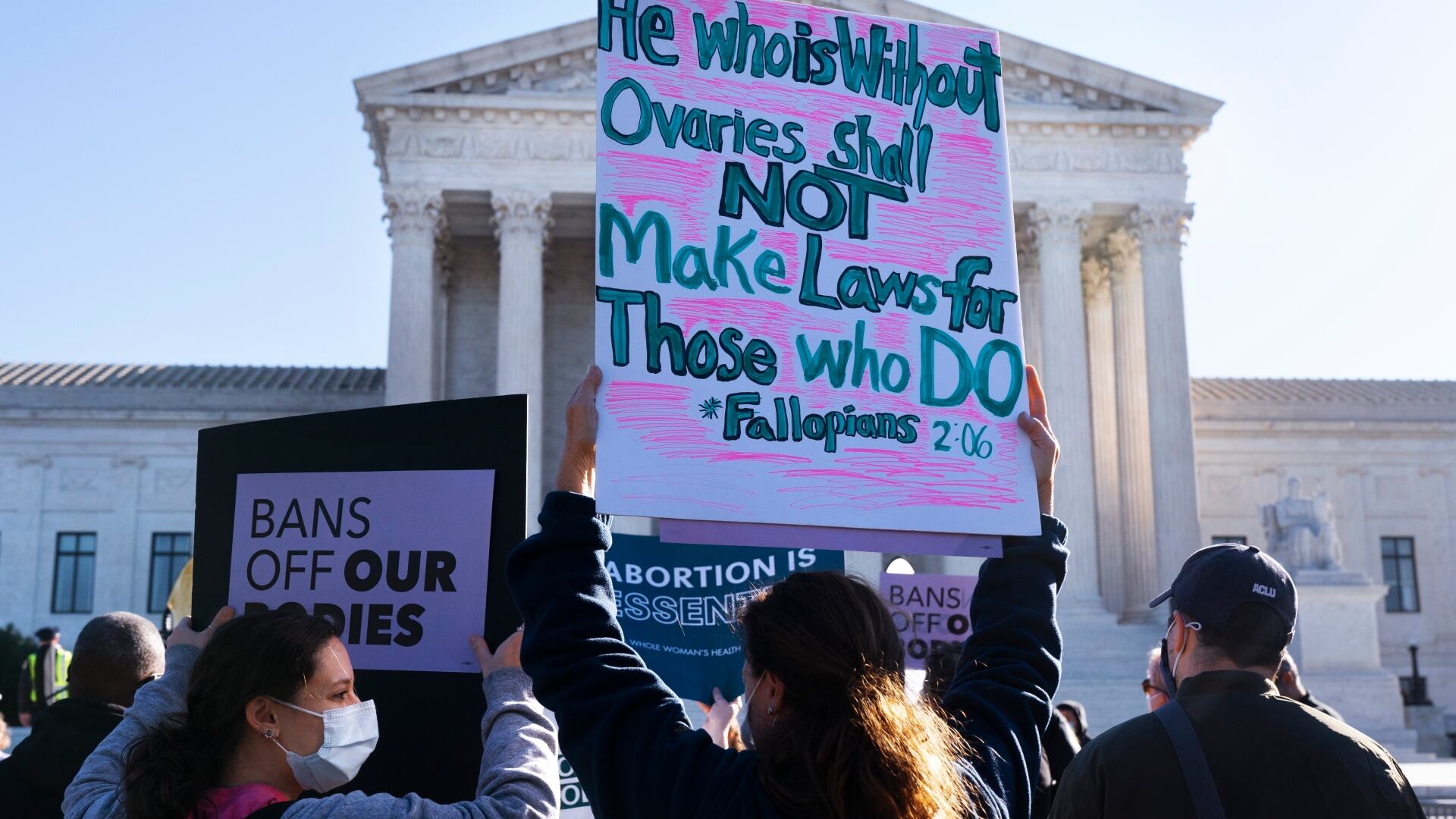
Supreme Court Weighs in on Texas Abortion Law
The Supreme Court is now weighing in on one of the nation's most restrictive abortion laws. The Texas law, which was enacted on September 1, bans abortions after six weeks of pregnancy. In addition, it allows any private citizen to sue anyone who helps a woman get an abortion. Jimmy Hoover, Supreme Court Editor-At-Large at Law360, joined Cheddar News to discuss more.
Load More