*By Christian Smith*
Congressman Ro Khanna wants to inspire companies to do better by their workers.
"It's absurd that you have multi-billion dollar companies, trillion-dollar companies that aren't able to pay their workers $15," Rep. Khanna said Friday in an interview on Cheddar.
That's why the prominent House progressive, who represents California's Silicon Valley, is teaming up with ex-presidential candidate and Vermont Sen. Bernie Sanders to introduce legislation that would place a tax on large corporations ー money that is equivalent to the amount of federal benefits their low-income employees receive to make a livable wage.
Rep. Khanna's House bill is called the "Corporate Responsibility and Taxpayer Protection Act" and targets large companies across industries, including tech, retail, and fast food, he said.
Sanders was a little more pointed with his version, dubbed the "Stop Bad Employers by Zeroing Out Subsidies Act." That's Stop BEZOS, if you didn't notice.
Rep. Khanna said that Amazon has responded to the Sanders bill, saying the company creates safe working spaces for employees and offers competitive benefits. But the Congressman said the point of benefits is a separate matter.
"They're still not addressing the fundamental point," Khanna said.
"Why can't they just come out and say they're going to pay every employee in our company at least a $15 wage so they can have a livable wage?"
For full interview [click here](https://cheddar.com/videos/congressman-ro-khanna-wants-major-corporations-to-improve-worker-pay-or-pay-more-in-taxes).
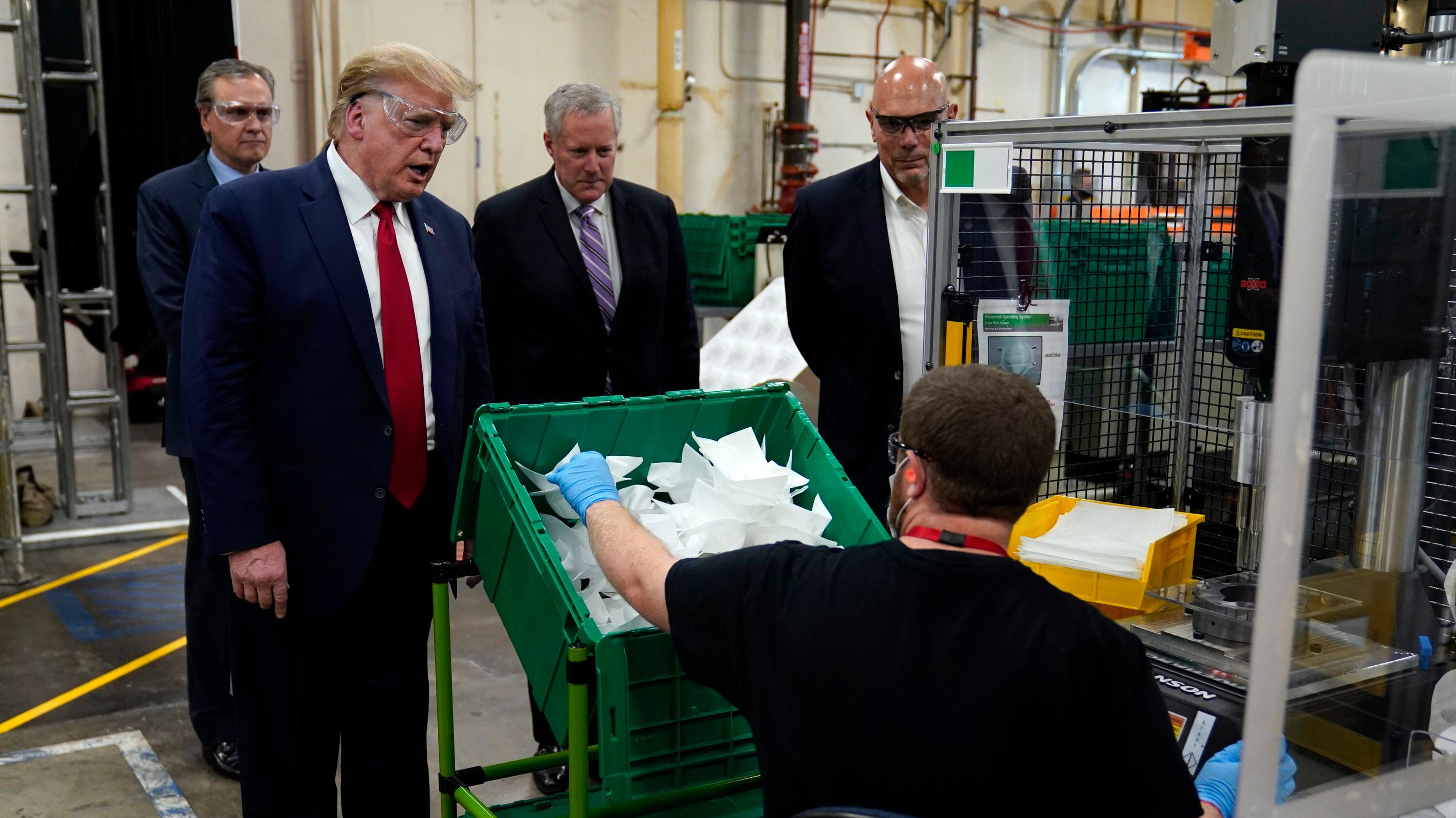
One day after saying that the COVID-19 task force would be winding down, President Donald Trump says it would continue on indefinitely, but focus on rebooting the economy.
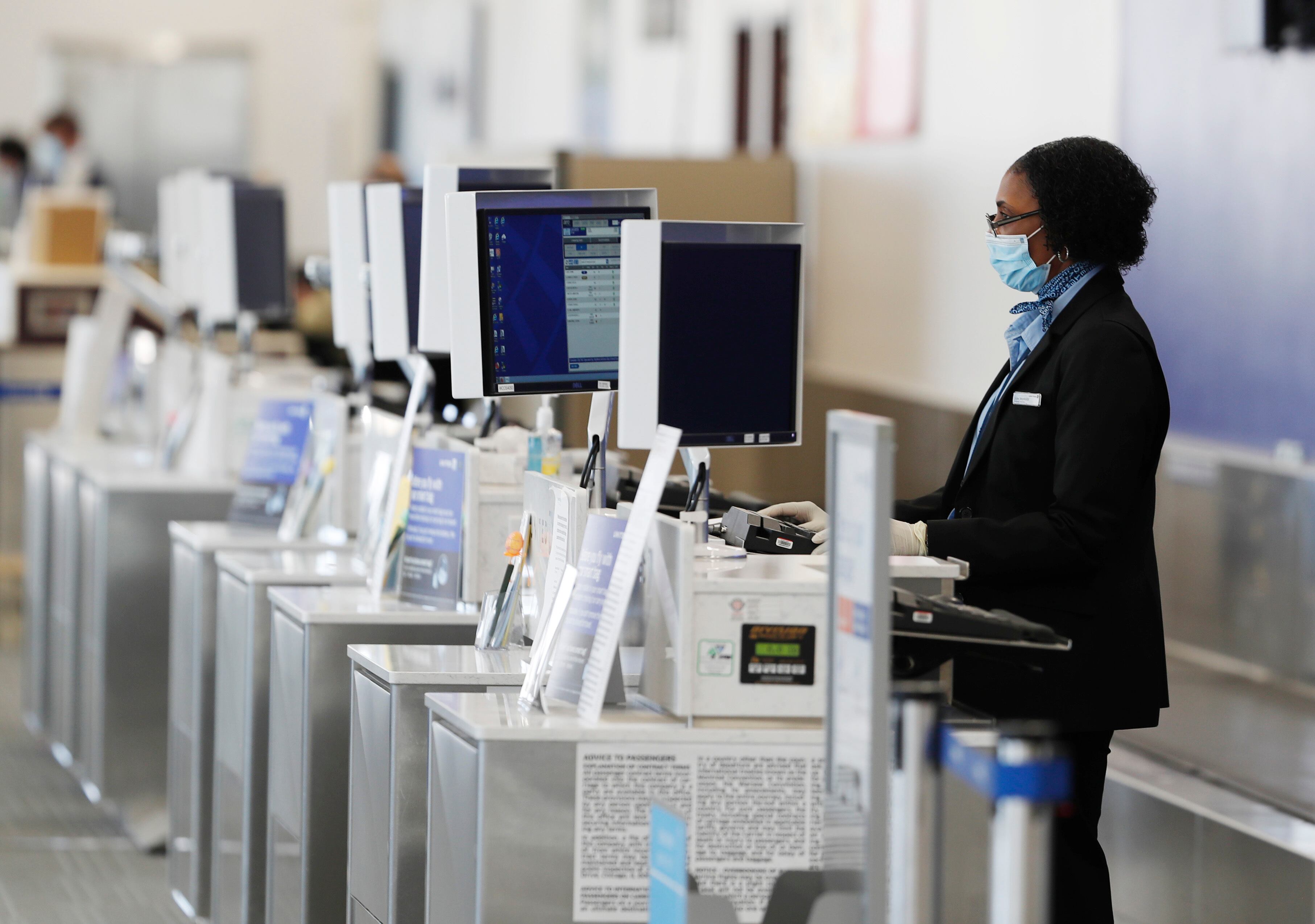
David Banmiller, an airline industry insider and former CEO of Pan Am, doesn't like referring to the $25 billion of relief the airline industry got from the federal government as a 'bailout.'
An Associated Press analysis finds that taking the New York metropolitan area’s progress against the coronavirus out of the equation shows the rest of the U.S. moving in the wrong direction, with the infection rate rising even as states move to lift their lockdowns.
Stocks closed higher on Wall Street but gave up about half of their early gains in a late-afternoon bout of selling. The S&P 500 rose 0.9% Tuesday after being up 2% earlier.
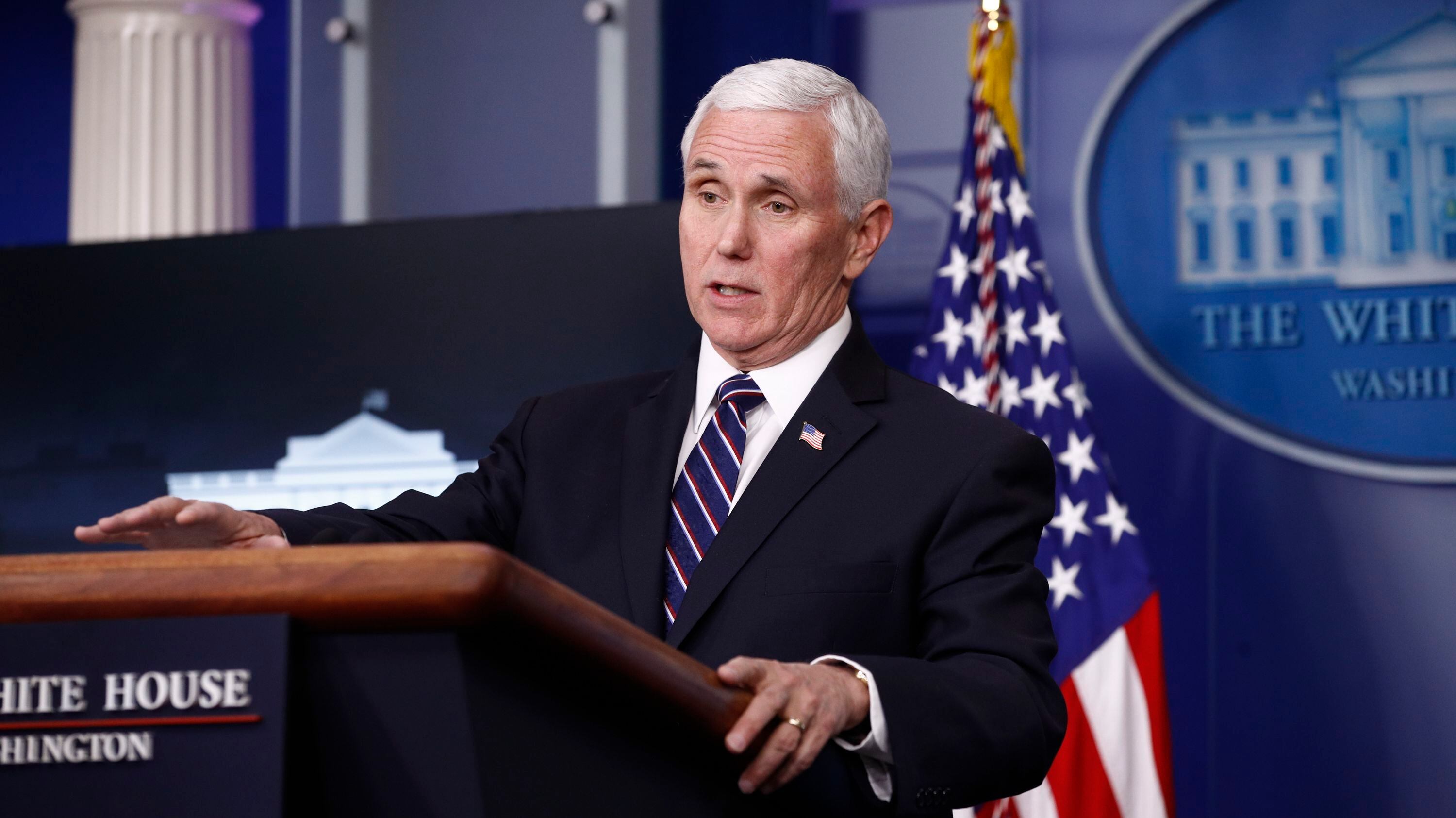
Vice President Mike Pence says the White House coronavirus task force could wind down its work by early June.
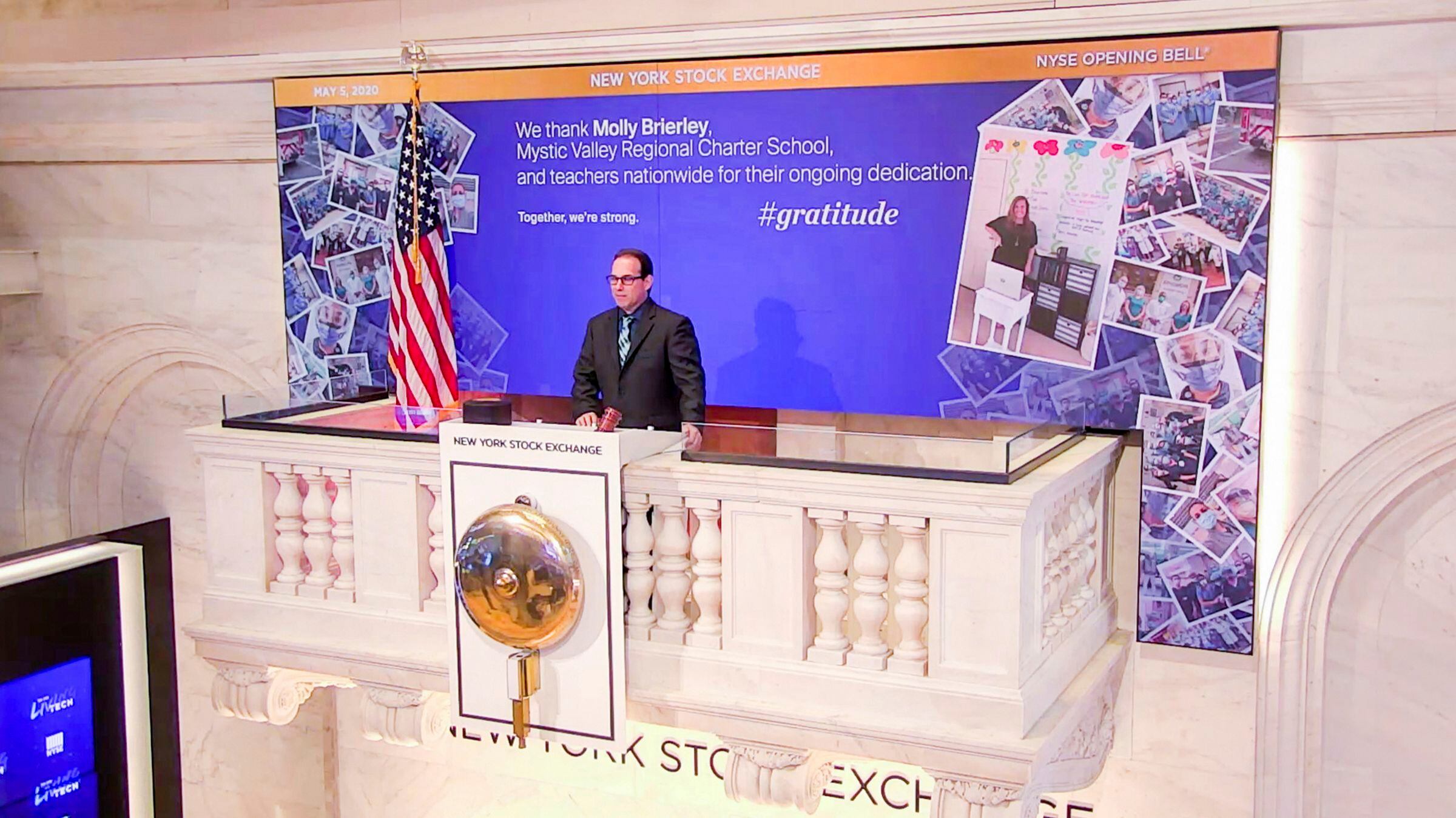
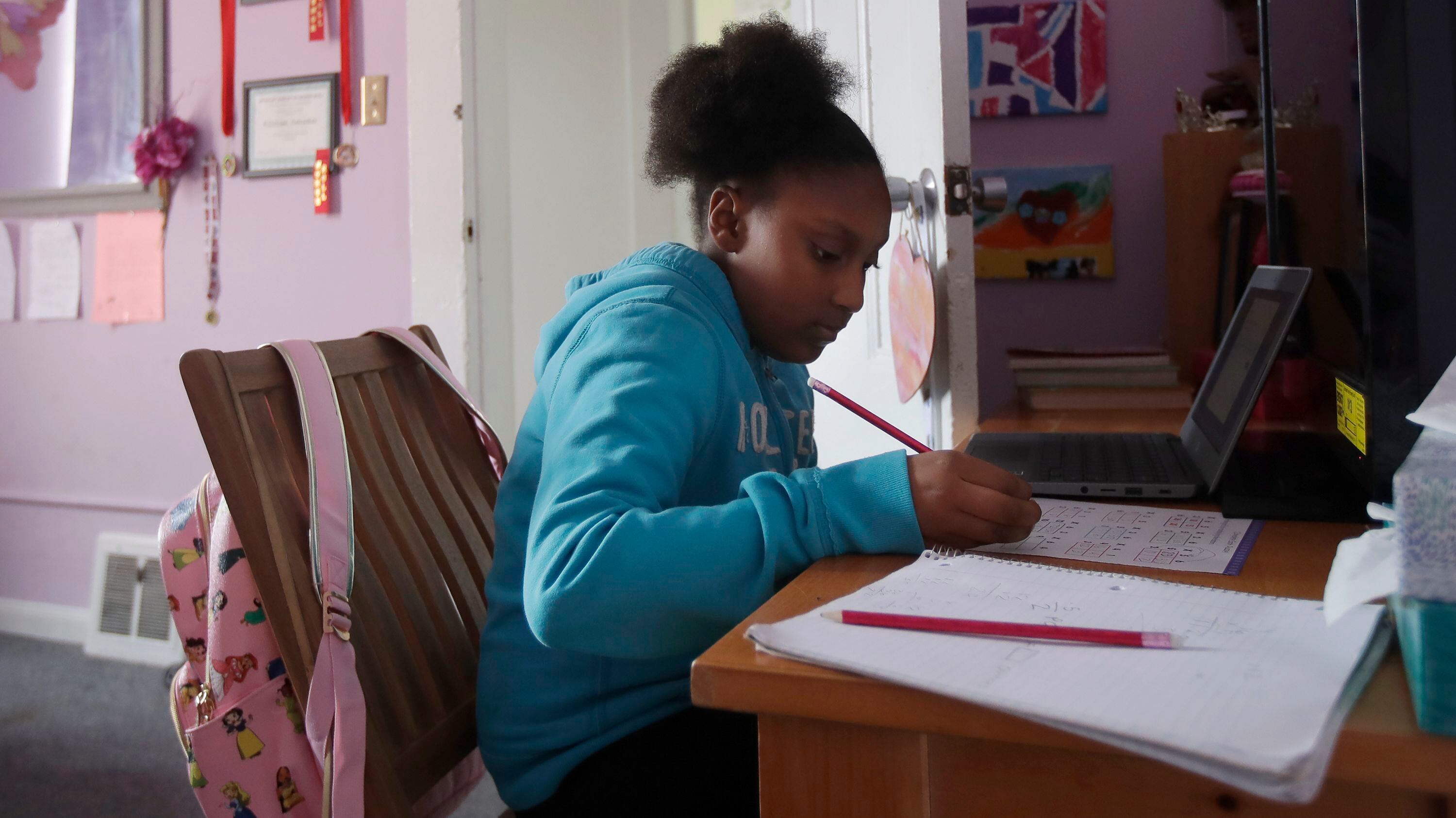
Randi Weingarten, president of the American Federation of Teachers, told Cheddar on Tuesday that they were not prepared to switch so quickly and have been working well with what they have, but online learning simply isn't the same as teaching in person.
The trip means a small army of advisers, logistical experts and security staff will also resume regularly hitting the road and taking a measure of risk to assist Trump.
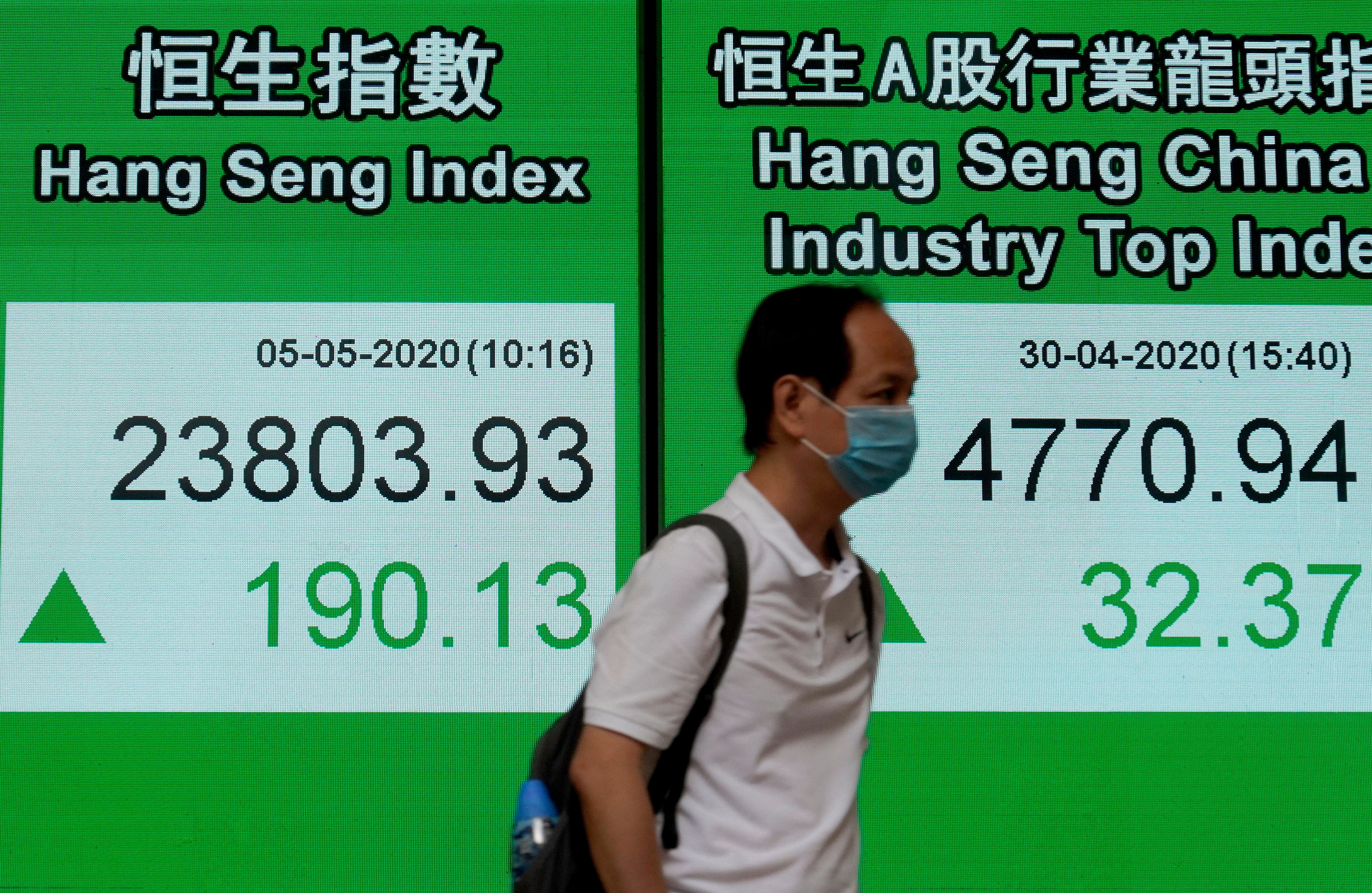
Stocks are rallying worldwide on Tuesday as more countries relaxed restrictions on businesses, raising hopes for a recovery from the historic plunge sweeping the global economy.
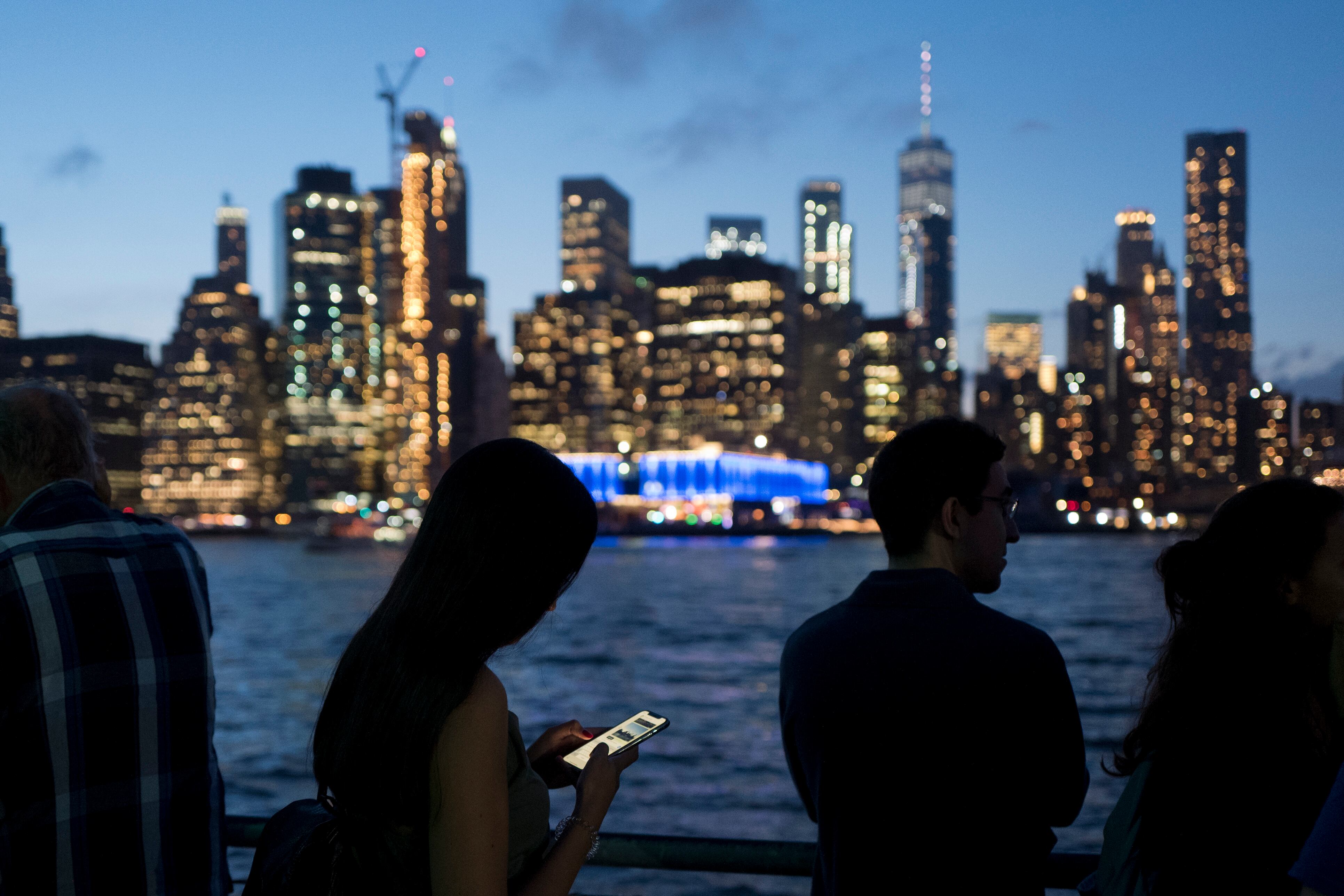
As governments around the world consider how to monitor new coronavirus outbreaks while reopening their societies, many are starting to bet on smartphone apps to help stanch the pandemic. But their decisions on which technologies to use — and how far those allow authorities to peer into private lives — are highlighting some uncomfortable trade-offs between protecting privacy and public health.
The stock market shook off a weak start and ended with modest gains Monday, thanks to another solid showing from big technology companies.