The sweeping $1.9 trillion COVID-19 relief bill is one step closer to becoming law after Vice President Kamala Harris cast the deciding Senate vote on a key measure early this morning. As the bill heads back to the House of Representatives for a vote on reconciliation, Rep. Al Green (D-Texas 9th District), told Cheddar that while Democrats look to pass the bill as it stands, he is willing to negotiate on some terms of the potential law.
The bill includes $350 billion in state and local aid, a $20 billion national vaccine plan, and $50 billion for testing efforts. Americans applying for unemployment benefits would also receive an extra $400 per claim in addition to $1,400 checks for qualified Americans.
"I think the president has outlined an outstanding bill. I do believe that it's important that we get the rent paid because it helps the renters as well as the landlords," Green said.
Another item that could make it into the bill is the raising of the federal minimum wage to $15, although the Senate voted it down overnight, a provision that the congressman said he believed would bring people out of poverty. Though Green admitted that there is concern that the job market could take a blow as a result of the increase, he said that a minimum wage boost "helps the entire economy."
"We hear this same argument each time we raise the minimum wage and each time it's successfully raised and the economy is helped as a result of it. The minimum wage is not going to just simply go immediately to $15, it's phased in," Green noted.
Following debate over the amended relief bill, Congress is likely to begin steps to investigate r/WallStreetBets, in what he says will be an inquiry into January's stunning rise and fall of stocks like GameStop and any potentially nefarious dealings.
"Well, at some point, have a hearing, and we'll start with witnesses that are available to us at the time and then we sort of follow the facts," he said. "I believe that the facts ought to determine where an investigation goes."
Chipmaker Nvidia is poised to release a quarterly report that could provide a better sense of whether the stock market has been riding an overhyped artificial intelligence bubble or is being propelled by a technological boom that’s still gathering momentum.
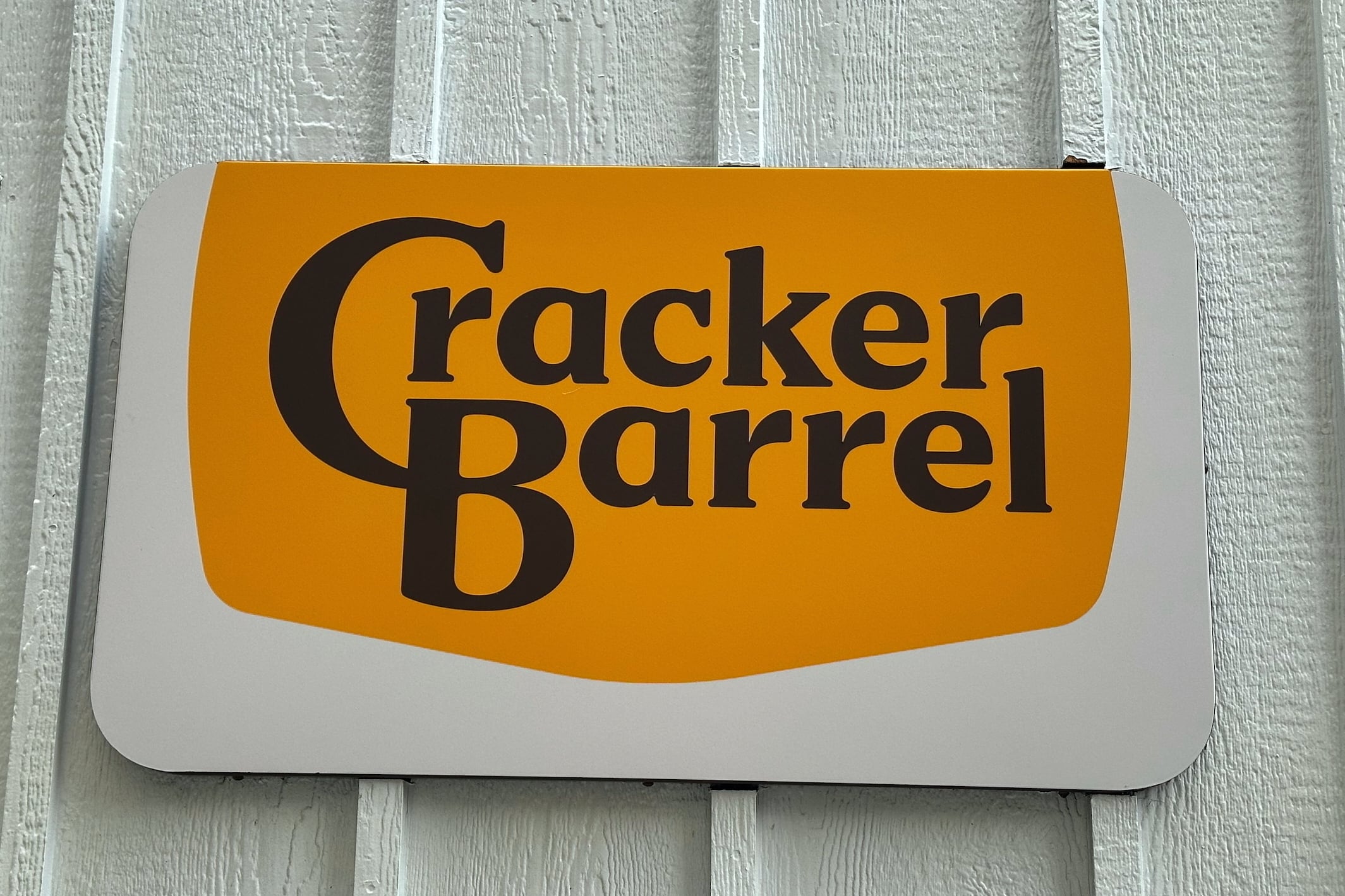
Cracker Barrel said late Tuesday it’s returning to its old logo after critics — including President Donald Trump — protested the company’s plan to modernize.
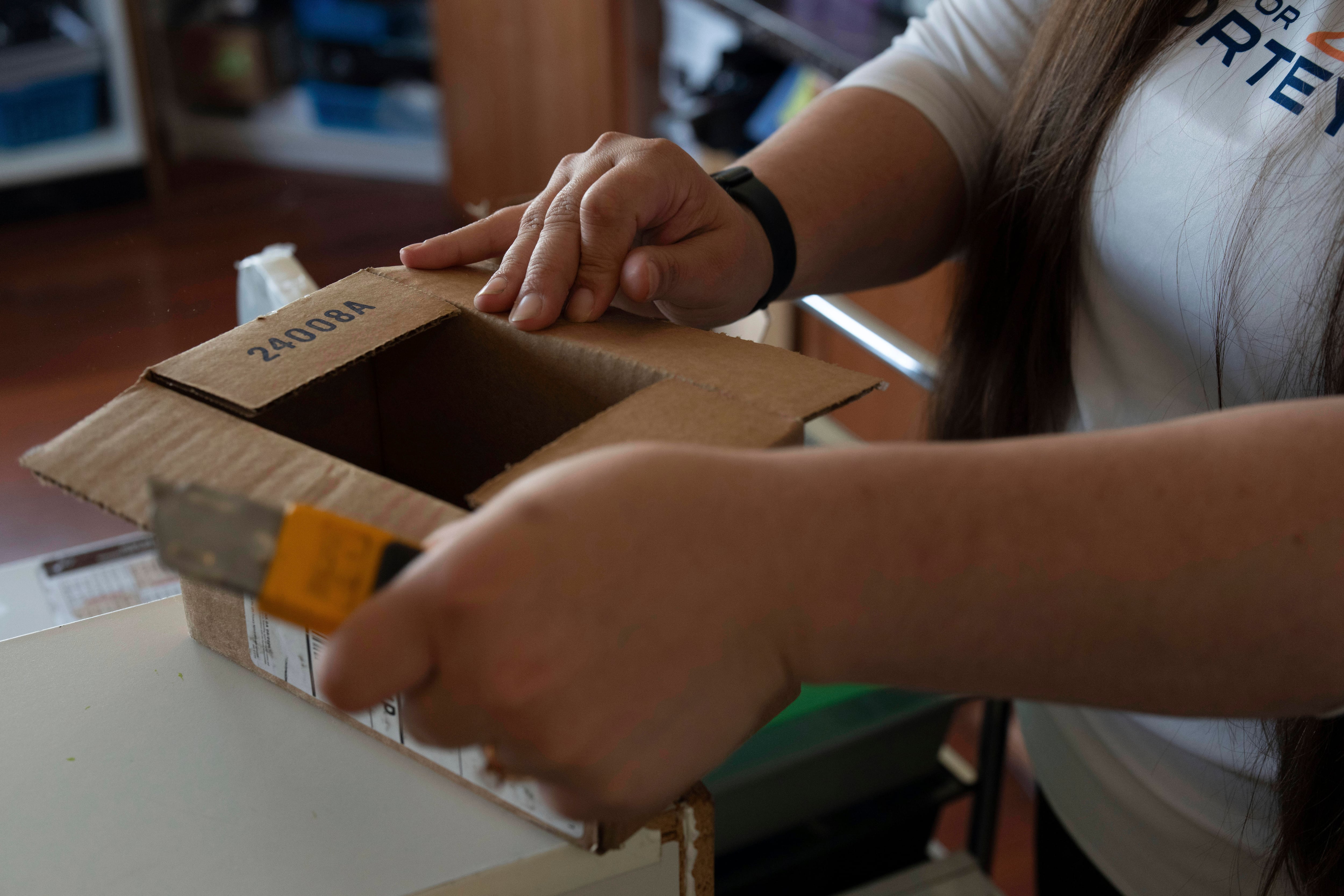
Low-value imports are losing their duty-free status in the U.S. this week as part of President Donald Trump's agenda for making the nation less dependent on foreign goods. A widely used customs exemption for international shipments worth $800 or less is set to end starting on Friday. Trump already ended the “de minimis” rule for inexpensive items sent from China and Hong Kong, but having to pay import taxes on small parcels from everywhere else likely will be a big change for some small businesses and online shoppers. Purchases that previously entered the U.S. without needing to clear customs will be subject to the origin country’s tariff rate, which can range from 10% to 50%.
Southwest Airlines will soon require plus-size travelers to pay for an extra seat in advance if they can't fit within the armrests of one seat. This change is part of several updates the airline is making. The new rule starts on Jan. 27, the same day Southwest begins assigning seats. Currently, plus-size passengers can pay for an extra seat in advance and later get a refund, or request a free extra seat at the airport. Under the new policy, refunds are still possible but not guaranteed. Southwest said in a statement it is updating policies to prepare for assigned seating next year.
Cracker Barrel is sticking with its new logo. For now. But the chain is also apologizing to fans who were angered when the change was announced last week.
Elon Musk on Monday targeted Apple and OpenAI in an antitrust lawsuit alleging that the iPhone maker and the ChatGPT maker are teaming up to thwart competition in artificial intelligence.
Hear from Gabino & Stephen Roche on Saphyre’s institutional AI platform that centralizes pre‑ and post‑trade data, redefining settlement speed and accuracy.