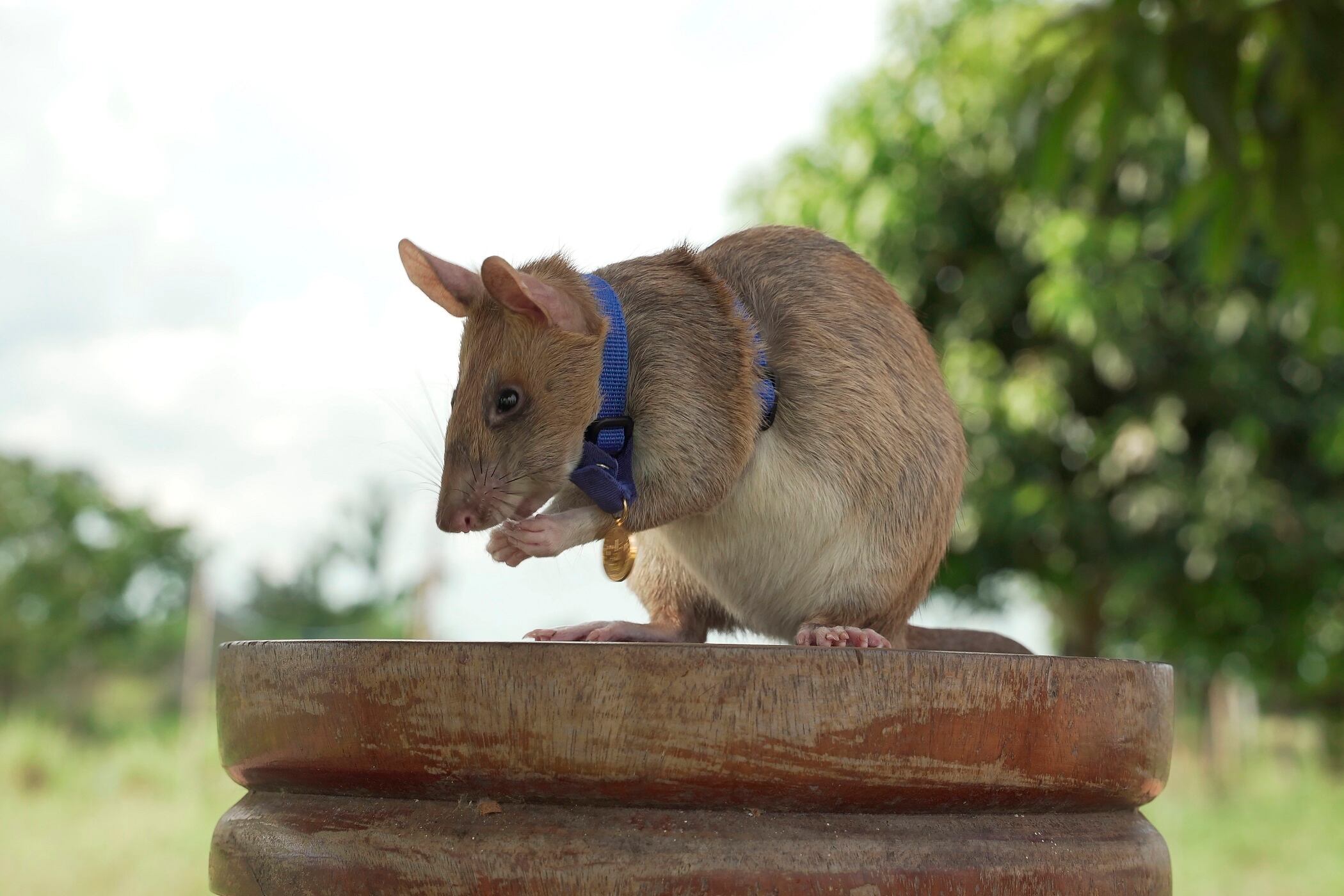
In this undated photo issued by the PDSA, People's Dispensary for Sick Animals, Cambodian landmine detection rat, Magawa is photographed wearing his PDSA Gold Medal, the animal equivalent of the George Cross, in Siem Reap, Cambodia. Magawa passed away in early Jan. 2022, said an announcement on the website of APOPO, a Belgium-headquartered non-profit group. The organization trains rats and dogs to sniff out land mines and tuberculosis. (PDSA via AP, File)
By Sopheng Cheang
A land mine-detecting rat in Cambodia who received a prestigious award for his life-saving duty has died in retirement, the charity for which he had worked has announced.
Magawa, an African giant pouched rat, passed away last weekend, said an announcement on the website of APOPO, a Belgium-headquartered non-profit group. The organization trains rats and dogs to sniff out land mines and tuberculosis.
“All of us at APOPO are feeling the loss of Magawa and we are grateful for the incredible work he’s done,” the announcement said. Magawa was born in November 2013 in Tanzania, where APOPO maintains its operational headquarters and training and breeding center. He was sent to Cambodia in 2016.
The death of Magawa was announced a day after three mine removal experts working for another group were killed by an accidental explosion of an anti-tank mine in Cambodia’s northern province of Preah Vihear. Almost three decades of civil war that ended in 1998 left Cambodia littered with land mines and other unexploded ordnance that continues to kill and maim.
APOPO’s office in Cambodia posted condolences for the three dead and one wounded from the Cambodia Self Help Demining group.
According to APOPO, Magawa detected more than 100 land mines and other explosives during his five-year career before retiring last year.
“His contribution allows communities in Cambodia to live, work, and play without fear of losing life or limb,” said the group. In 2020, the rat also won a gold medal from the Britain-based People’s Dispensary for Sick Animals, considered the highest award for gallantry an animal can receive.
African giant pouched rats are believed to be especially well-suited for land mine clearance because their small size lets them walk across mine fields without triggering the explosives.
In retirement in Cambodia’s northwestern province of Siem Reap, Magawa was housed in his usual cage, and fed the same food — mostly fresh fruit and vegetables — that sustained him during his active career. To keep him trim, he was released for 20-30 minutes a day into a larger cage with facilities such as a sandbox and a running wheel. His death at 8 years of age was not unusual for the species.
Sarah Kellogg Neff, CEO of The Lactation Network, joins ChedHER to discuss how they are expanding access to lactation support for families nationwide, and some of the struggles new families face during the fourth trimester.
Award-winning journalist, entrepreneur, and host Soledad O'Brien spoke to Cheddar about empowering women through her own podcast on financial literacy this Women's History Month.
President Bident talks to President Xi about Ukraine, rising COVID cases in Europe have U.S. officials concerned, and a deal is putting DoorDash against actual Girl Scouts for GS cookie sales. Here is all the news you Need2Know for Friday. March 18, 2022.
March Nadness is officially underway, and betting on this year's tournament has the potential to reach record levels. About 45 million Americans are expected to wager a total of $3.1 billion on just the men's tournament alone, according to a new survey from the American Gaming Association. Prince Grimes, Senior Writer for USA Today's sports betting media property, BetFTW, joins Cheddar News' Closing Bell to discuss how betting could play into this year's tournament and other storylines surrounding March Madness.
Medical cannabis company Akanda went public this week in what was the first traditional IPO of the month. Shares jumped about 163% in the stock's first day of trading. The London-based company says it hopes to supply medical cannabis products to wholesalers in international markets. Tej Virk, CEO of Akanda, joins Cheddar News' Closing Bell to discuss.
Software company Akeneo CEO Fred De Gombert joined Closing Bell to discuss its recently closed Series D funding round raising $135 million in its quest to redefine product information management. De Gombert said the company is set out to improve the product information category by harnessing the power of data, which comes at a time where customer behavior has shifted in the pandemic era. "We are more and more demanding as consumers when we are shopping online or even offline. We are looking for more and more information," De Gombert said.
Sara Bareilles and Busy Philipps join Cheddar News at South by Southwest in Austin, Texas. The two actors talk all about their Peacock comedy series 'Girls5eva.'
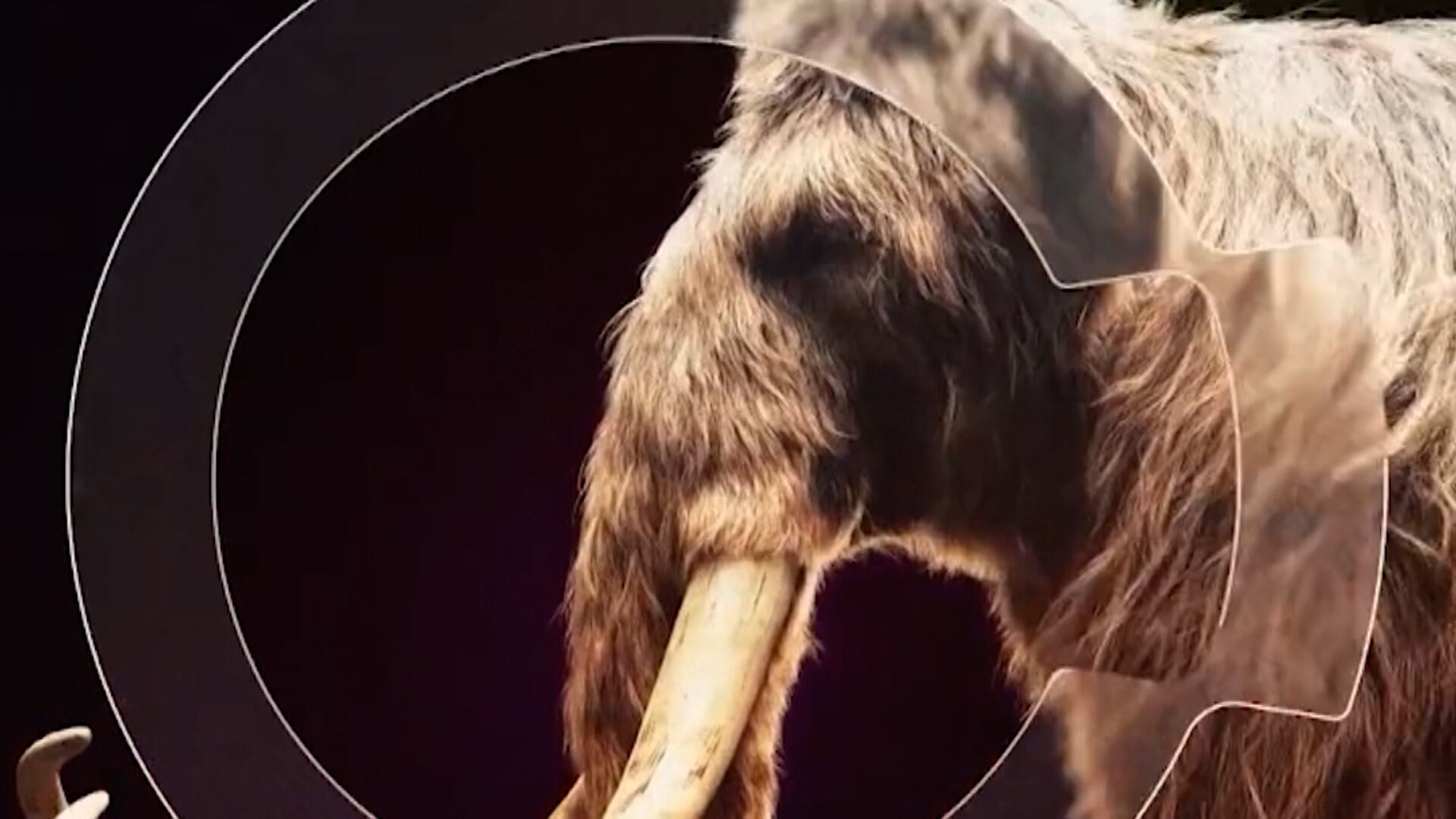
Bioscience and genetic engineering company, Colossal, raised $60 million in a Series A funding round. Colossal is focused on developing new technologies and genetic tools to restore extinct species, and protect critically endangered species. One of the startup's long-term goals is to resurrect the woolly mammoth, and return it back to the arctic. Colossal also says it is developing technology that expands beyond animals, and has the potential to advance human health. Ben Lamm, co-founder and CEO of Colossal, joins Cheddar News' Closing Bell to discuss.
After a two-year hiatus, the New York City St. Patrick’s Day parade up Fifth Avenue in Manhattan made its triumphant return. More than 150,000 people turned up to celebrate the day even through bad weather.