By Marcia Dunn
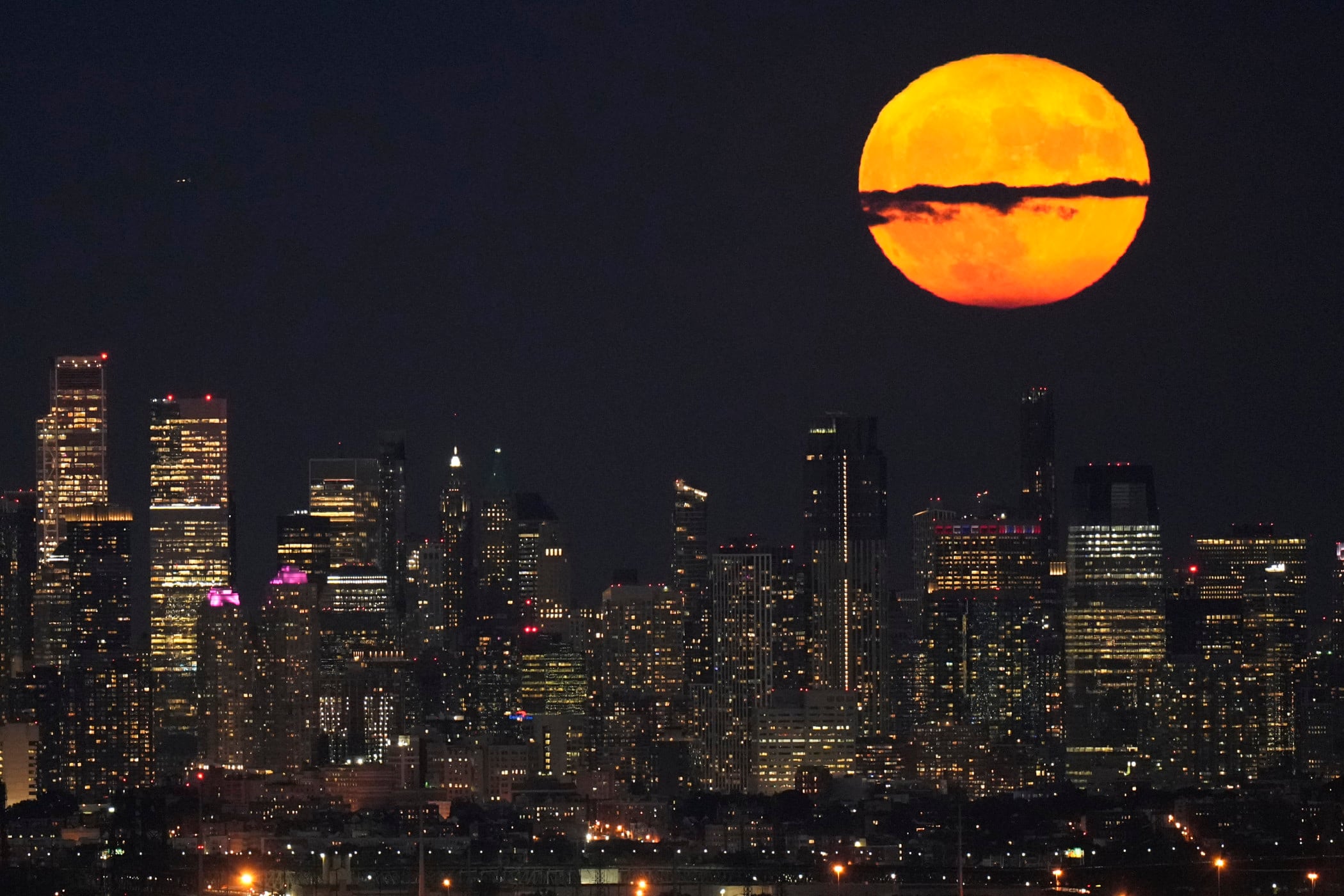
Stargazers are in for a double treat on Aug. 30: a rare blue supermoon with Saturn peeking from behind.
The cosmic curtain rises Wednesday night with the second full moon of the month, the reason it’s considered blue. It’s dubbed a supermoon because it’s closer to Earth than usual, appearing especially big and bright.
This will be the closest full moon of the year, just 222,043 miles (357,344 kilometers) or so away. That’s more than 100 miles (160 kilometers) closer than the Aug. 1 supermoon.
As a bonus, Saturn will be visible as a bright point 5 degrees to the upper right of the moon at sunset in the east-southeastern sky, according to NASA. The ringed planet will appear to circle clockwise around the moon as the night wears on.
If you missed the month’s first spectacle, better catch this one. There won’t be another blue supermoon until 2037, according to Italian astronomer Gianluca Masi, founder of the Virtual Telescope Project.
Clouds spoiled Masi's attempt to livestream the supermoon rising earlier this month. He’s hoping for clearer skies this time so he can capture the blue supermoon shining above St. Peter’s Basilica at the Vatican.
Weather permitting, observers don’t need binoculars or telescopes — “just their own eyes." said Masi.
“I’m always excited to admire the beauty of the night sky,” he said, especially when it features a blue supermoon.
The first supermoon of 2023 was in July. The fourth and last will be in September.
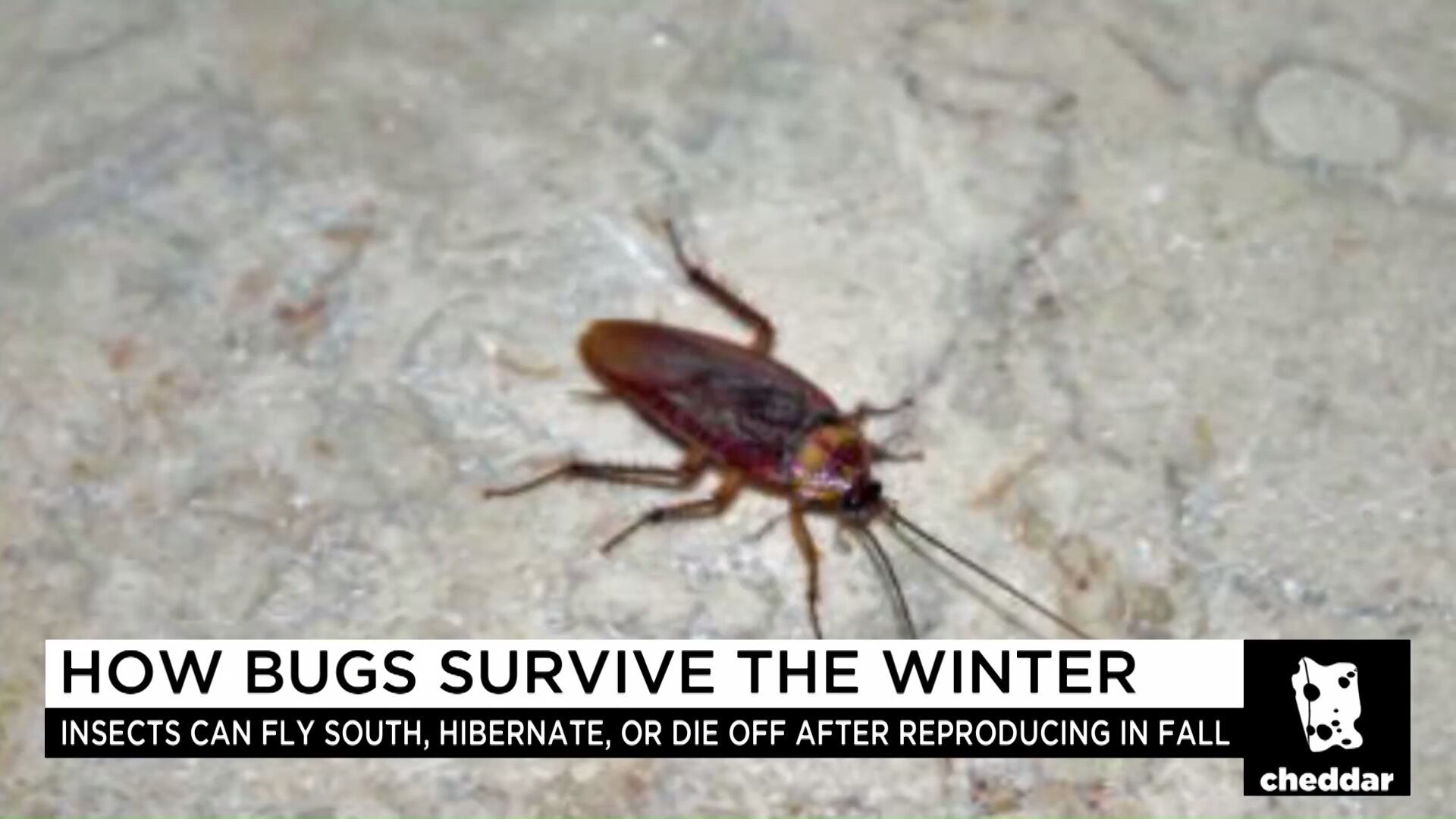
Not all of us can cozy up by the fire to brave the winter weather. Curiosity.com's Ashley Hamer joins Cheddar to answer how insects survive the cold, and more of your burning winter questions.
Chief Strategy and Financial Officer George Barrios told Cheddar at CES that this initiative by the WWE is an extension of the company's social and digital strategy.
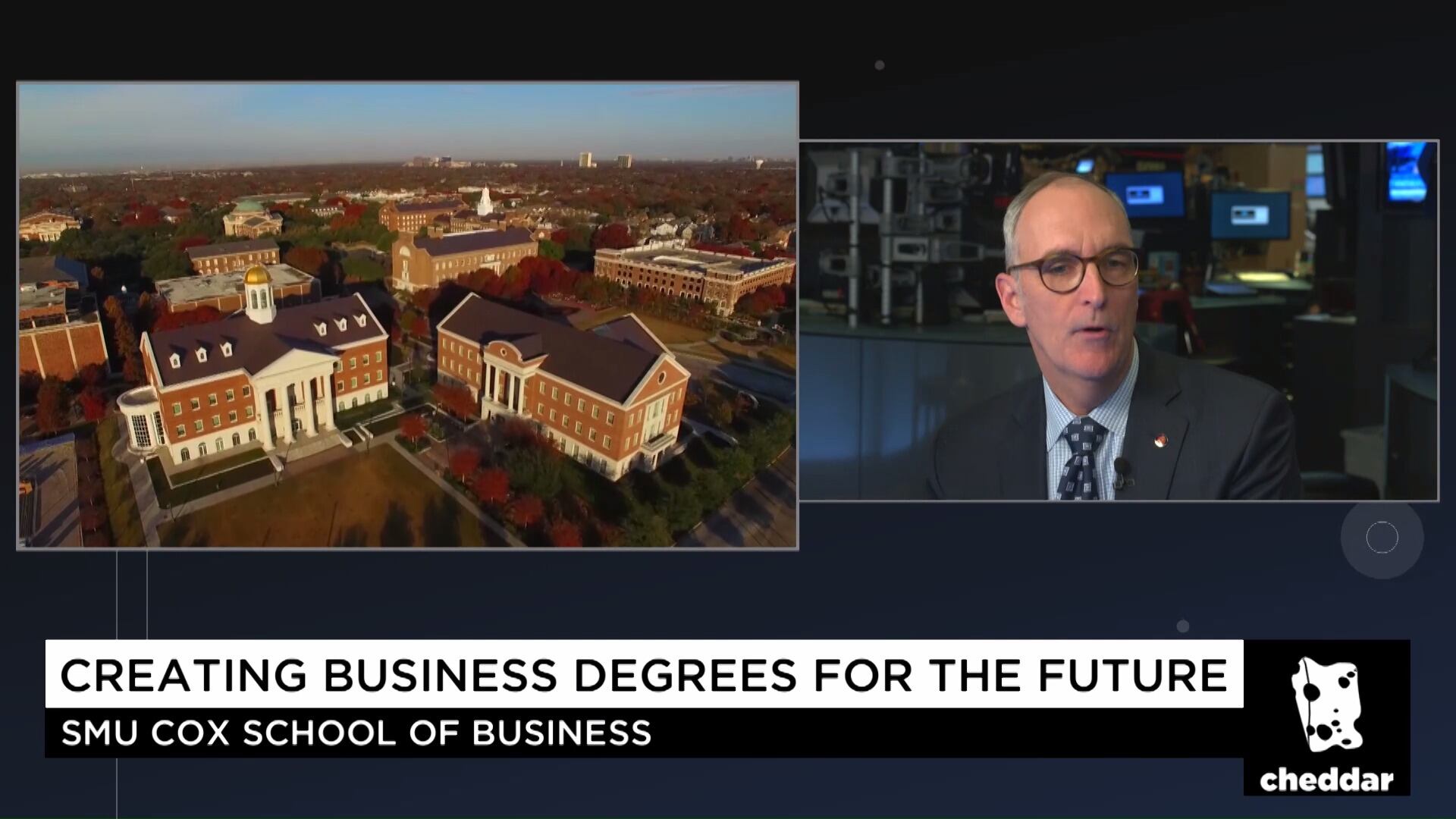
Matthew Myers has been the Dean of the Cox School of Business at Southern Methodist University since August 2017. Myers has been working with the leadership team at SMU to continue attracting students to SMU and building out their STEM program collaborations.
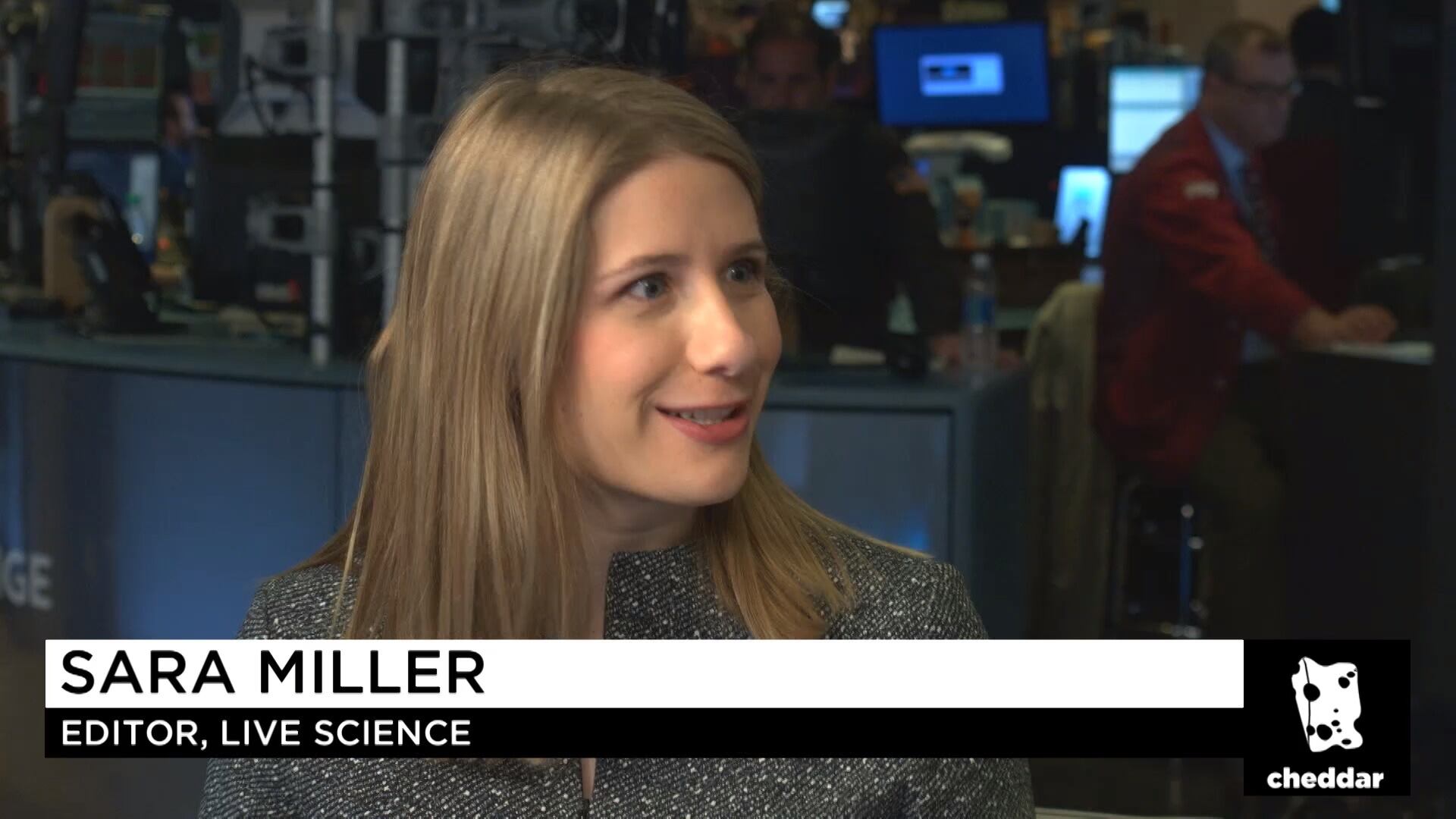
The east coast is recovering this Monday after a brutally cold weekend following the bomb cyclone. Sara Miller, Editor at Live Science, joins Cheddar to discuss what we can expect for the rest of the winter and what signs we should look out for when it comes to global warming.
The snow from the "bomb cyclone" may be done falling, but those snowflakes are being replaced by falling and freezing temperatures. Meteorologists Mace Michael and Dan Leonard join Cheddar to go over what to expect this weekend and how businesses are fairing in these temps.
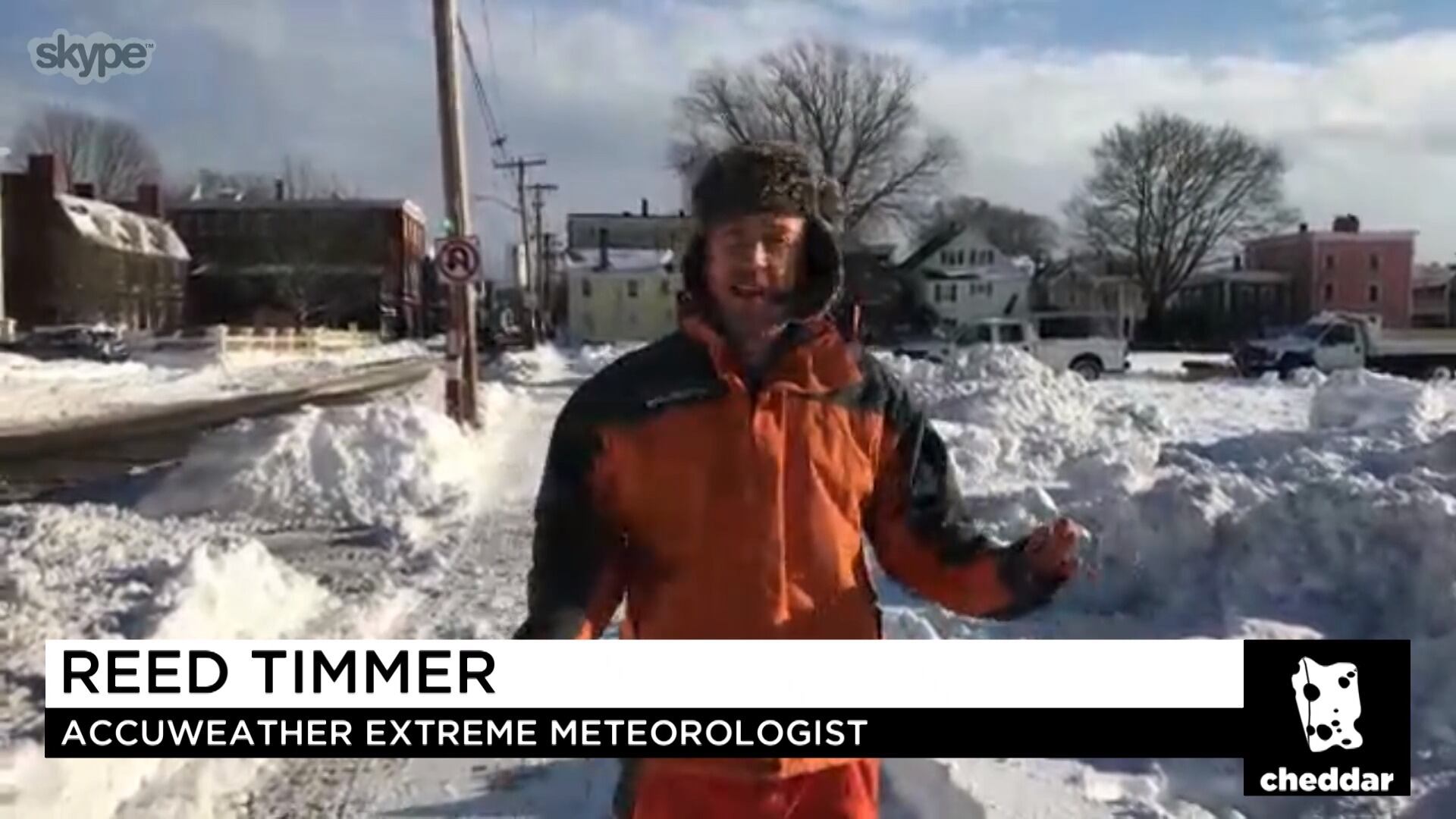
Reed Timmer, AccuWeather Extreme Meteorologist, joins us live from Salem, Massachusetts where he discusses the record flooding and the historic cold and precipitation from bomb cyclone "Grayson."
The East Coast is getting hit by a major snowstorm. The weather event is being called a "bomb cyclone." Andrew Freedman is a Science Editor at Mashable and he joins Cheddar to explain why the storm is so strong and what will continue to happen.
VF Hive + Between Bells: The crew from Vanity Fair’s Hive discusses the new day at 'Today.' Between Bells looks at the Trump's new war on Bannon, and why Meryl is calling out Ivanka and Melania. With Women's Health, Mental Floss, YourTango and more.
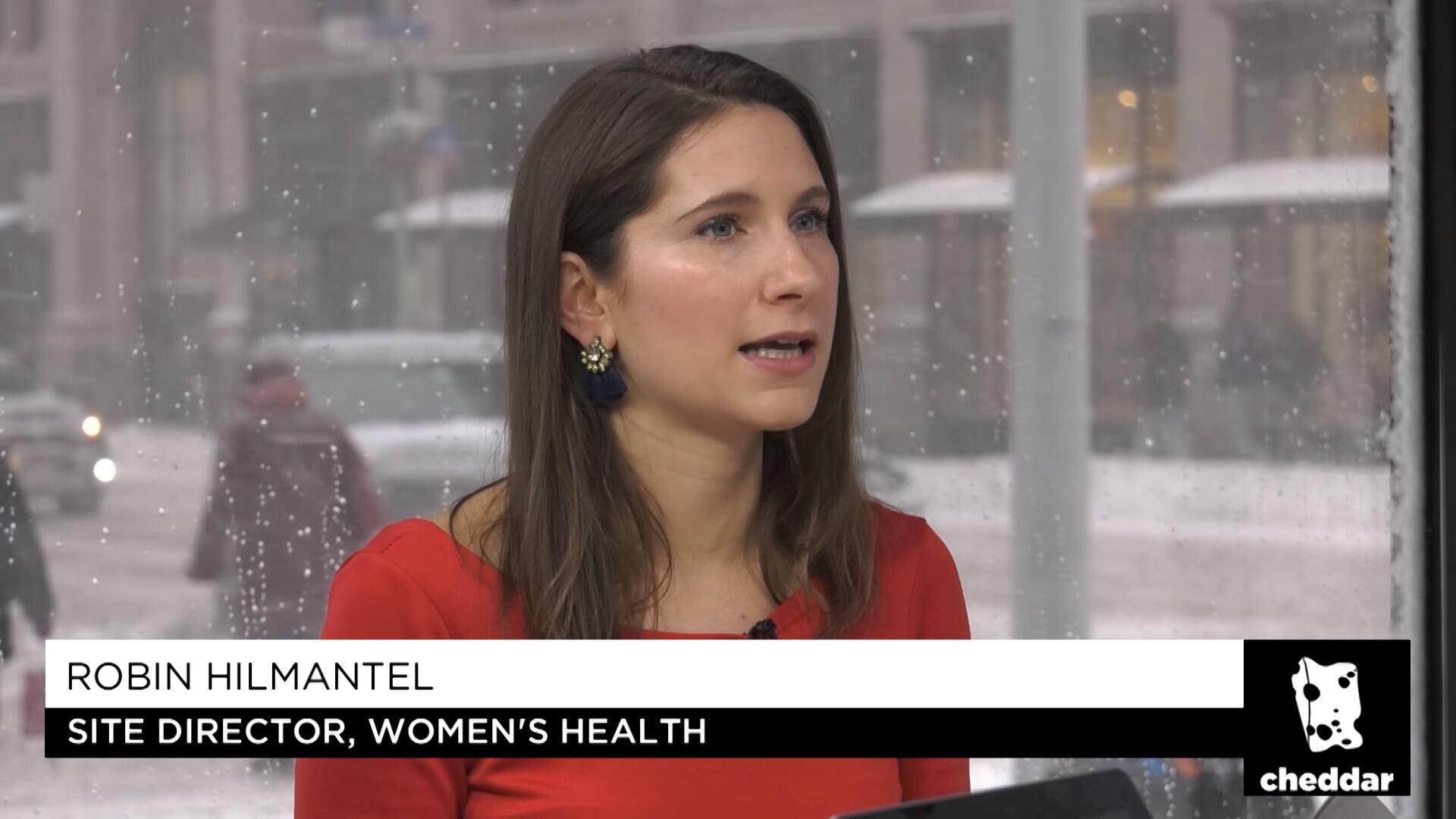
Women's Health Magazine is making a move to showcase more diverse body types in its pages. Starting this month, the magazine will permanently replace fitness models with physically fit readers of all types and sizes in its popular "15-Minute Workout" column. Site Director Robin Hilmantel joins us with more on the change.
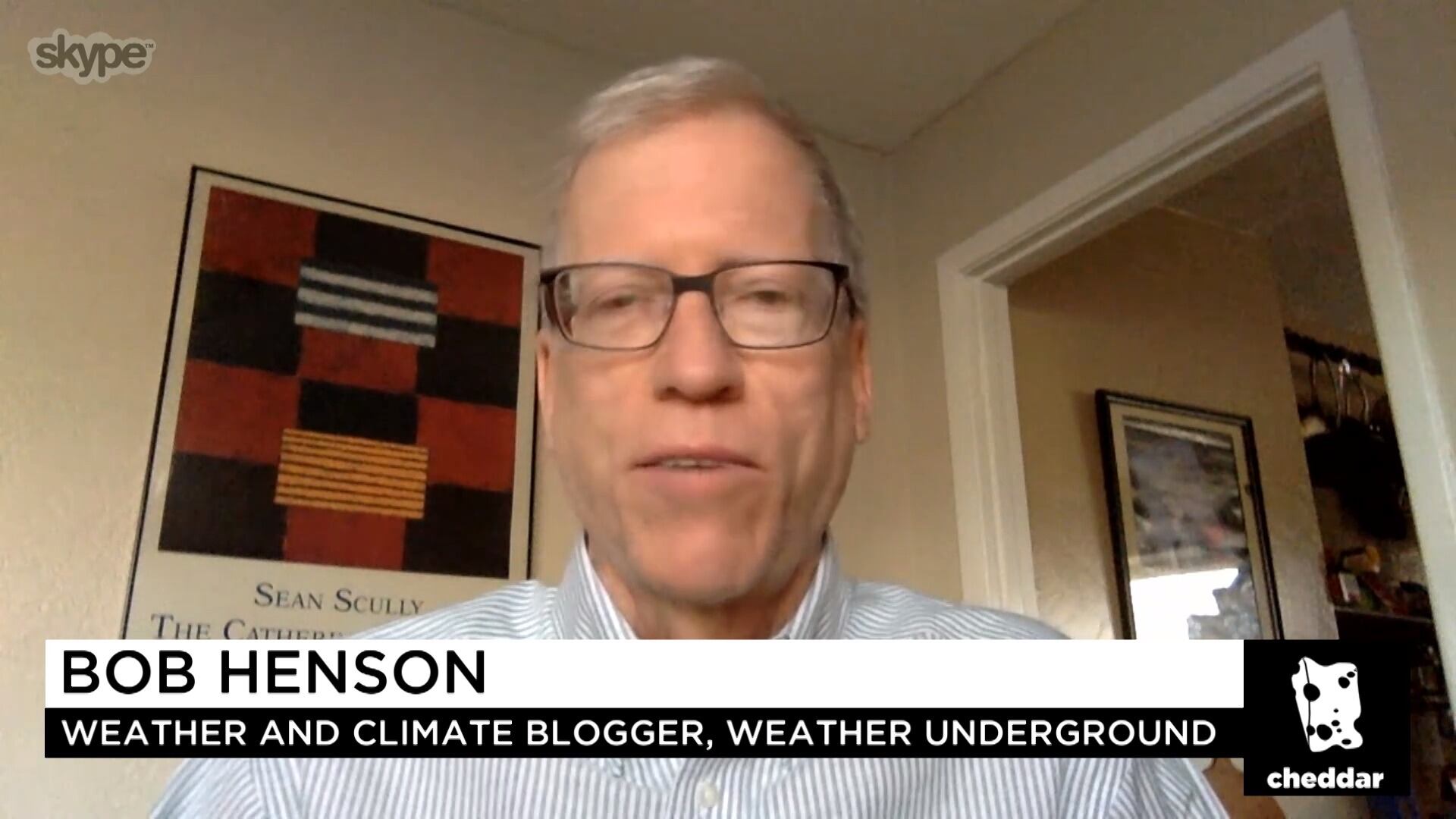
Bob Henson, weather and climate blogger at Weather Underground, discuss the arctic blast of cold air the United States has seen over the last couple of weeks and the "bomb" cyclone that meteorologists are calling winter storm Grayson.