By Marcia Dunn
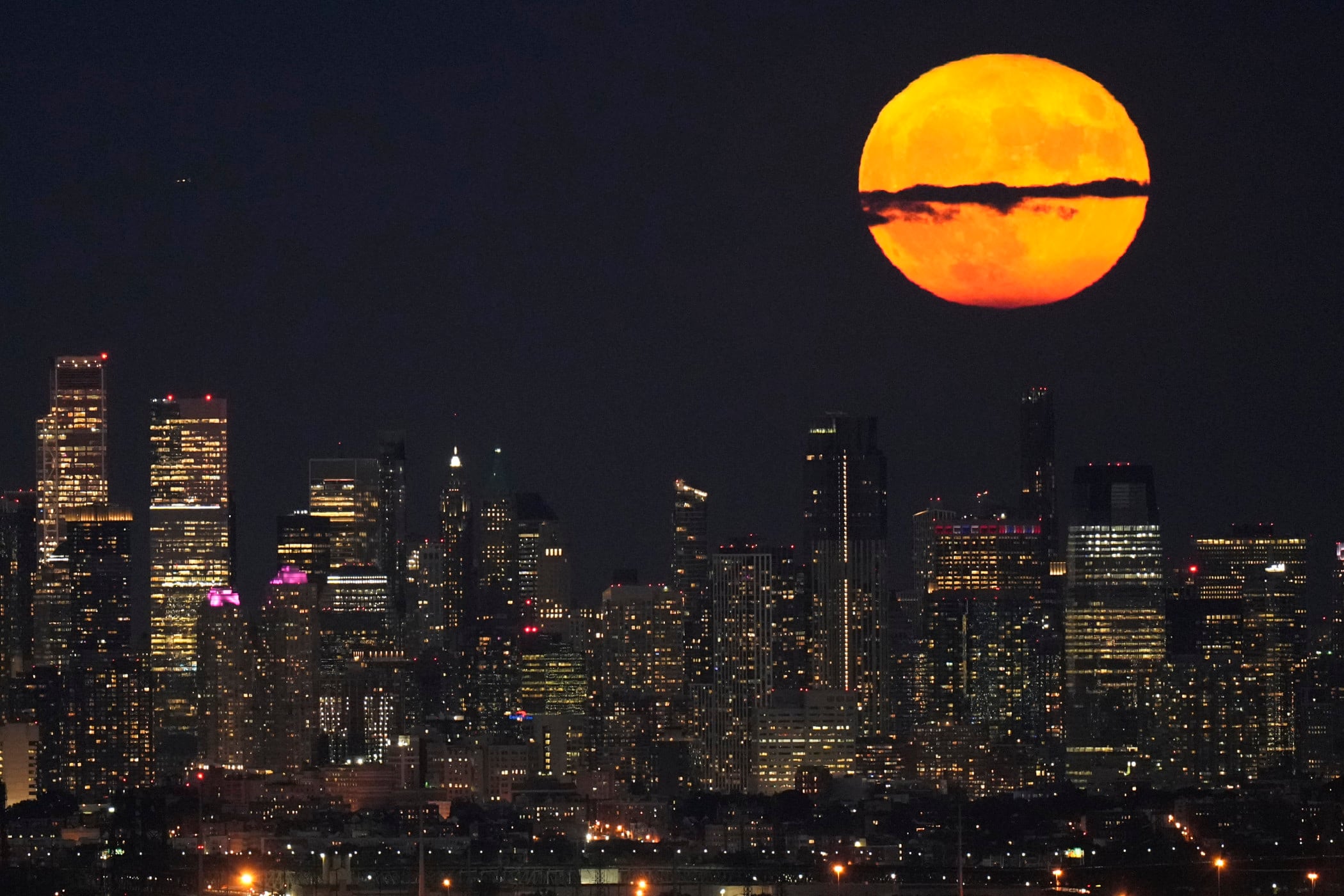
Stargazers are in for a double treat on Aug. 30: a rare blue supermoon with Saturn peeking from behind.
The cosmic curtain rises Wednesday night with the second full moon of the month, the reason it’s considered blue. It’s dubbed a supermoon because it’s closer to Earth than usual, appearing especially big and bright.
This will be the closest full moon of the year, just 222,043 miles (357,344 kilometers) or so away. That’s more than 100 miles (160 kilometers) closer than the Aug. 1 supermoon.
As a bonus, Saturn will be visible as a bright point 5 degrees to the upper right of the moon at sunset in the east-southeastern sky, according to NASA. The ringed planet will appear to circle clockwise around the moon as the night wears on.
If you missed the month’s first spectacle, better catch this one. There won’t be another blue supermoon until 2037, according to Italian astronomer Gianluca Masi, founder of the Virtual Telescope Project.
Clouds spoiled Masi's attempt to livestream the supermoon rising earlier this month. He’s hoping for clearer skies this time so he can capture the blue supermoon shining above St. Peter’s Basilica at the Vatican.
Weather permitting, observers don’t need binoculars or telescopes — “just their own eyes." said Masi.
“I’m always excited to admire the beauty of the night sky,” he said, especially when it features a blue supermoon.
The first supermoon of 2023 was in July. The fourth and last will be in September.
Sara Fischer, Media reporter for Axios, discusses how data effects foreign investments in U.S. Technology. Ripple Partners With MoneyGram to Lower Remittance Cost. Turner CEO John Martin gives his take on future of media and TV. Walmart announce it is closing 63 Sam's Club stores across the country. Former White House Chief Strategist Steve Bannon is set to appear next week before the House Intelligence Committee.
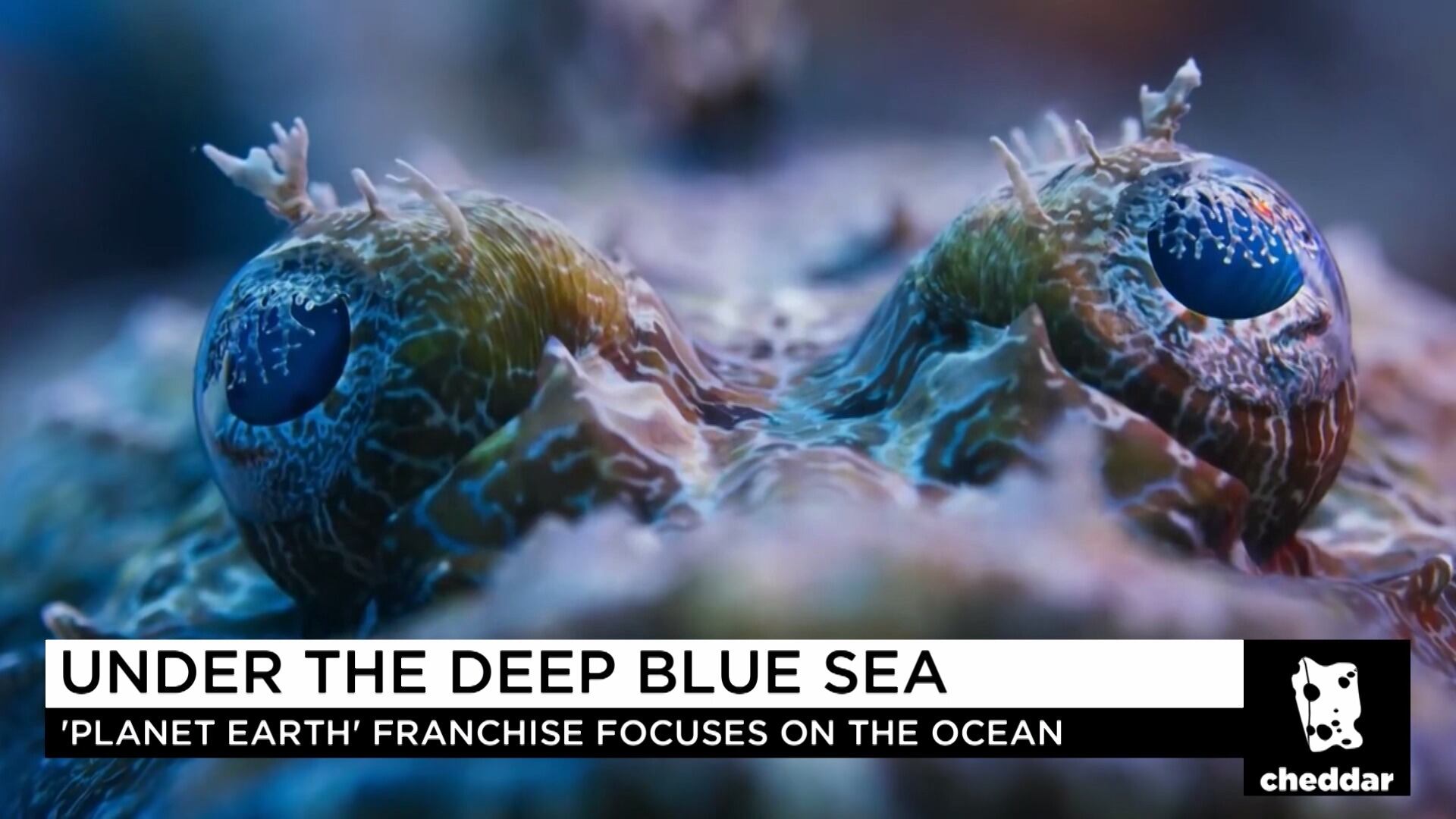
"Blue Planet" is the Emmy-Award winning series that looks at life under the deep blue sea. It's back for a new season 17 years after the original aired in 2001. The producers sit down with Alyssa Julya Smith in Los Angeles to talk about the four-year production of the latest installment.
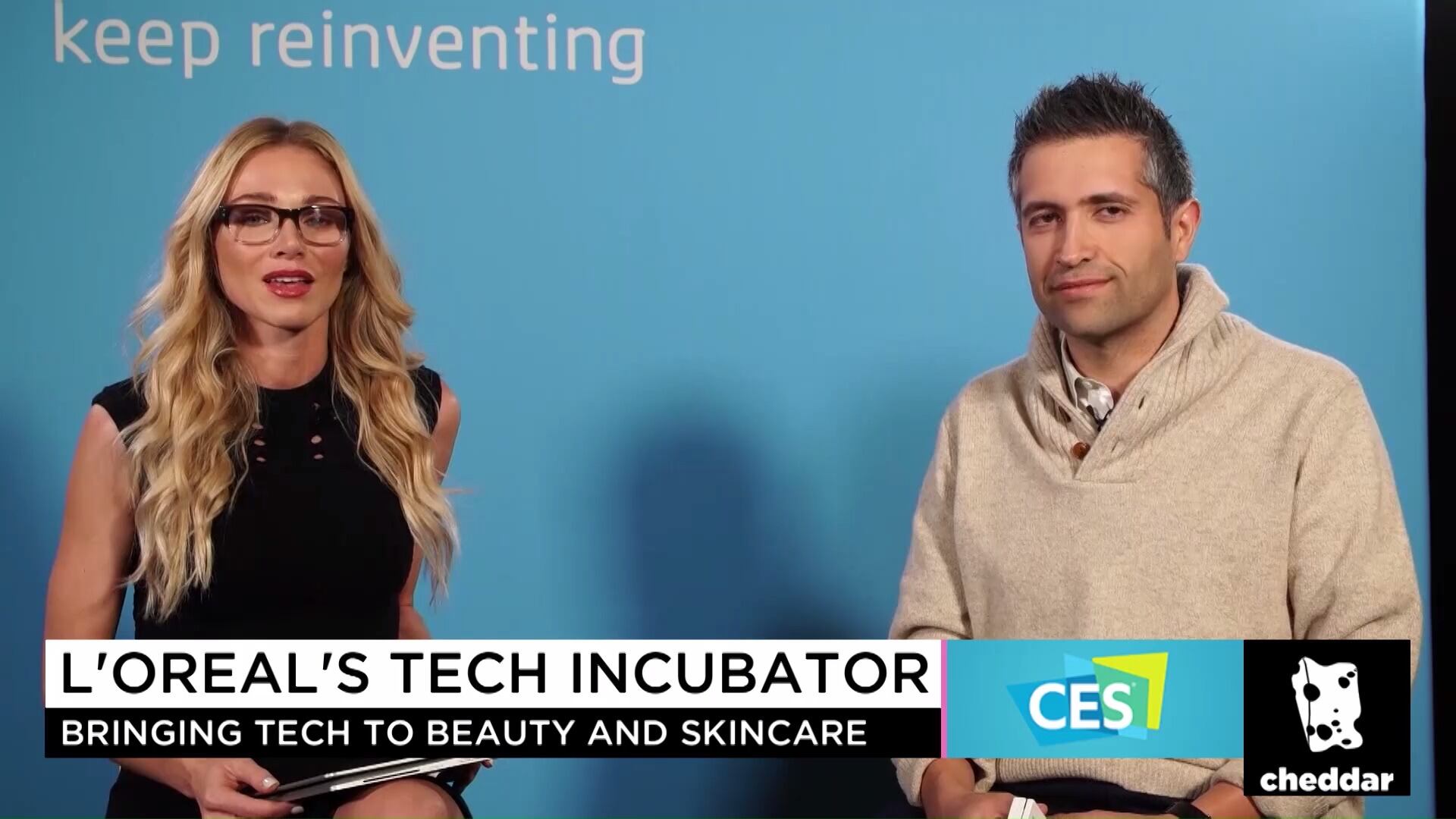
In 1935 L'Oreal developed the first commercial sunscreen product. Now, the beauty company is out with the first battery-free wearable that help will with UV protection. UV Sense could usher in a new wave of preventative sun skincare.
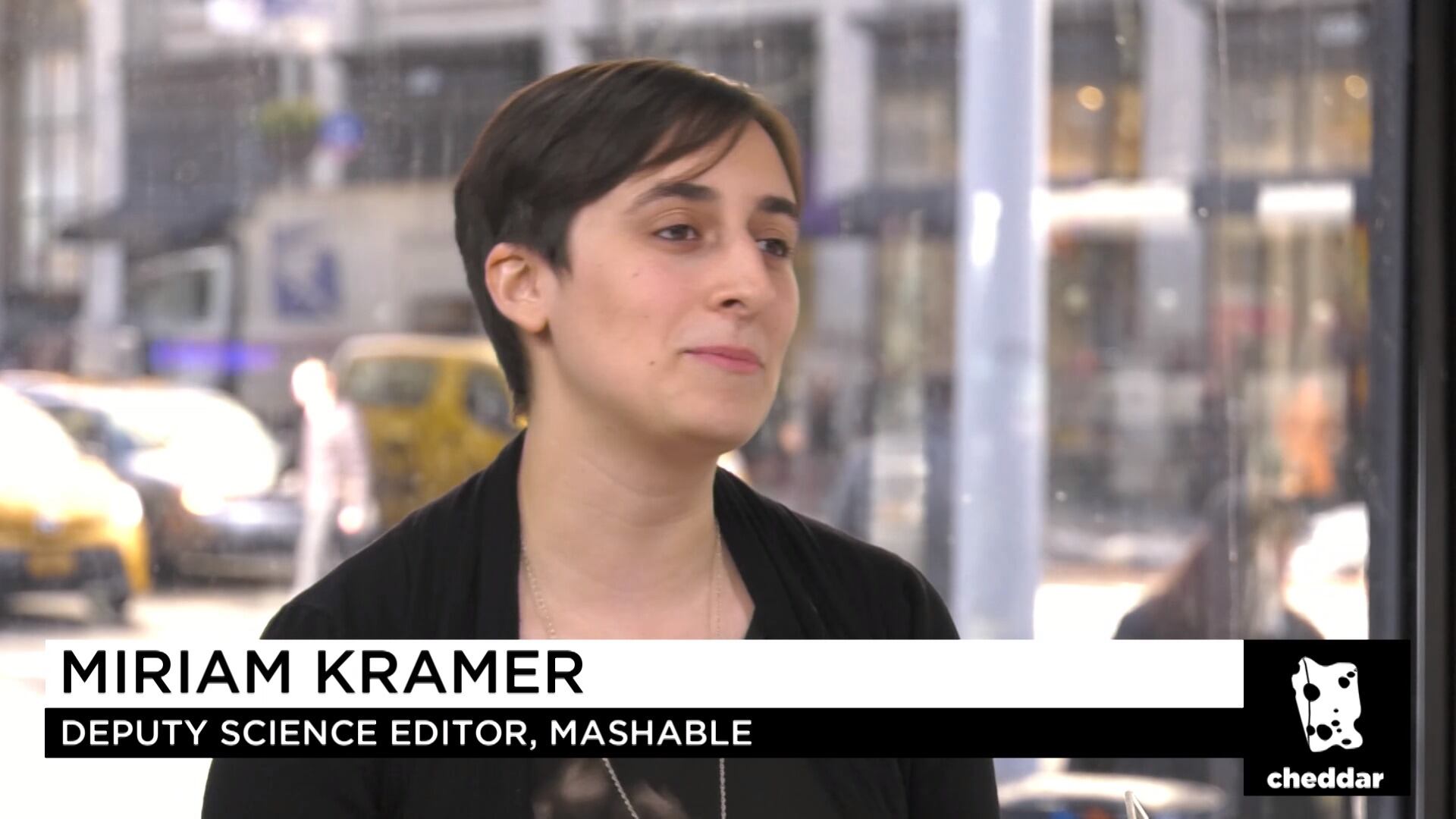
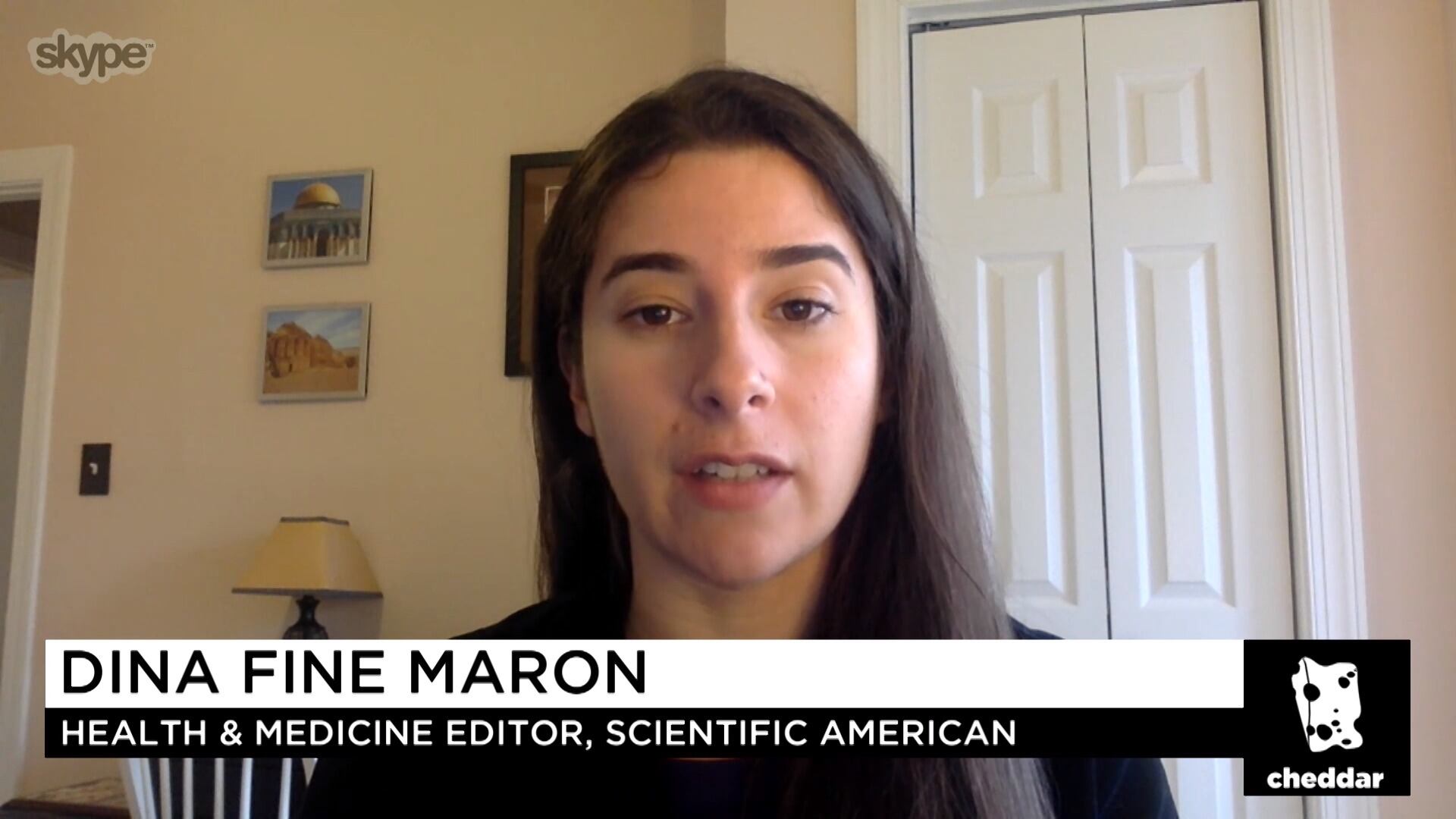
Space Mysteries: the search for Zuma. How DJ Khaled will change Weight Watchers, we're cruising with Volvo Cars at CES. With YourTango, Scientific American, and more.
Conspiracy theories are flying around after reports that a secret government satellite went missing during the most recent SpaceX launch. The Zuma satellite is rumored to be lost in space, but not everyone is convinced that's true.
As officials struggle to fight the opioid epidemic that is plaguing the country, some big cities are considering creating "safe injection" sites. No city has submitted a formal plan, but the idea is already stirring up controversy.
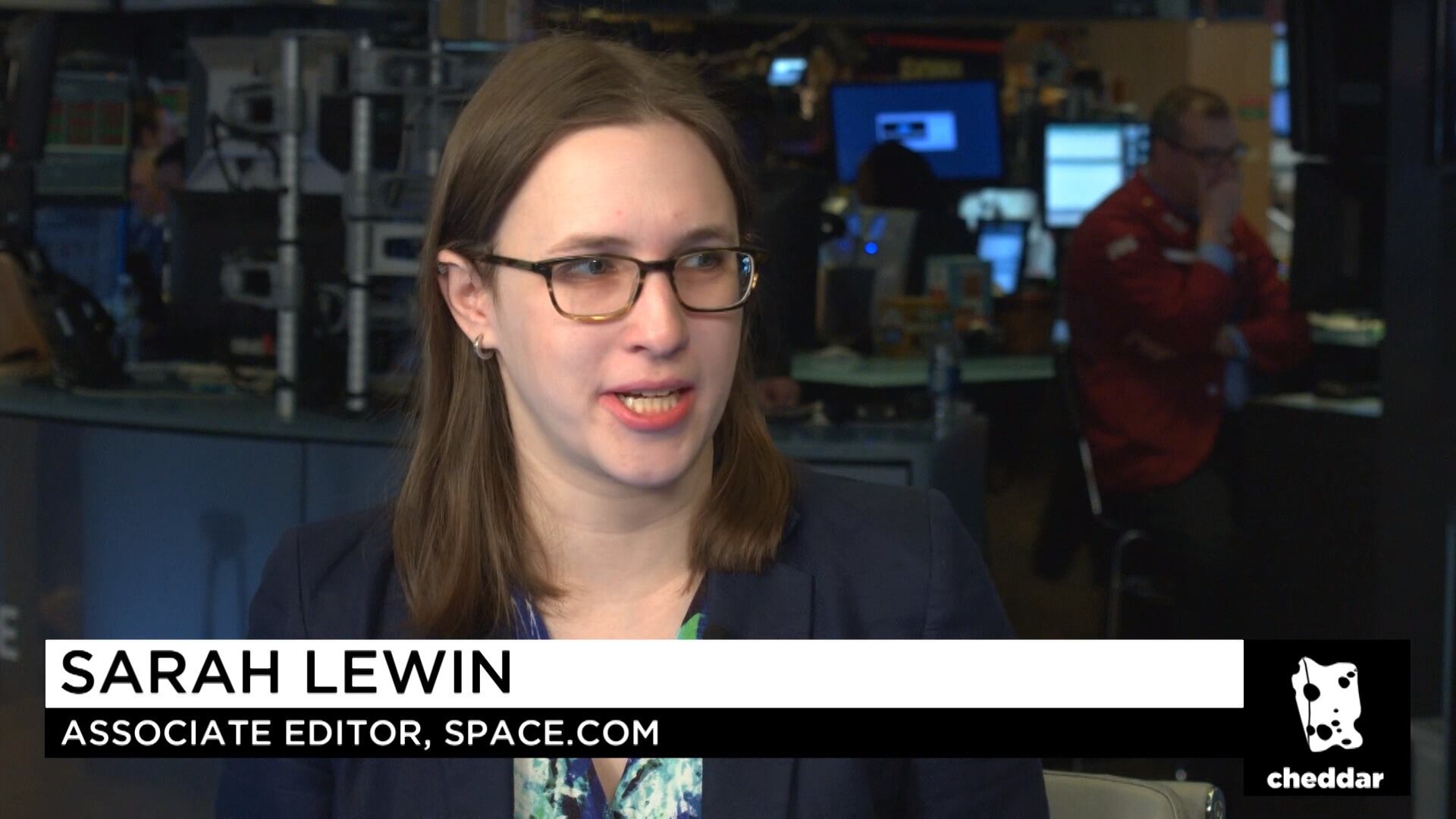
Associate editor at Space.com Sarah Lewin sheds some light on SpaceX's mysterious Sunday night launch and breaks down the fascinating new photos we just got of Jupiter.
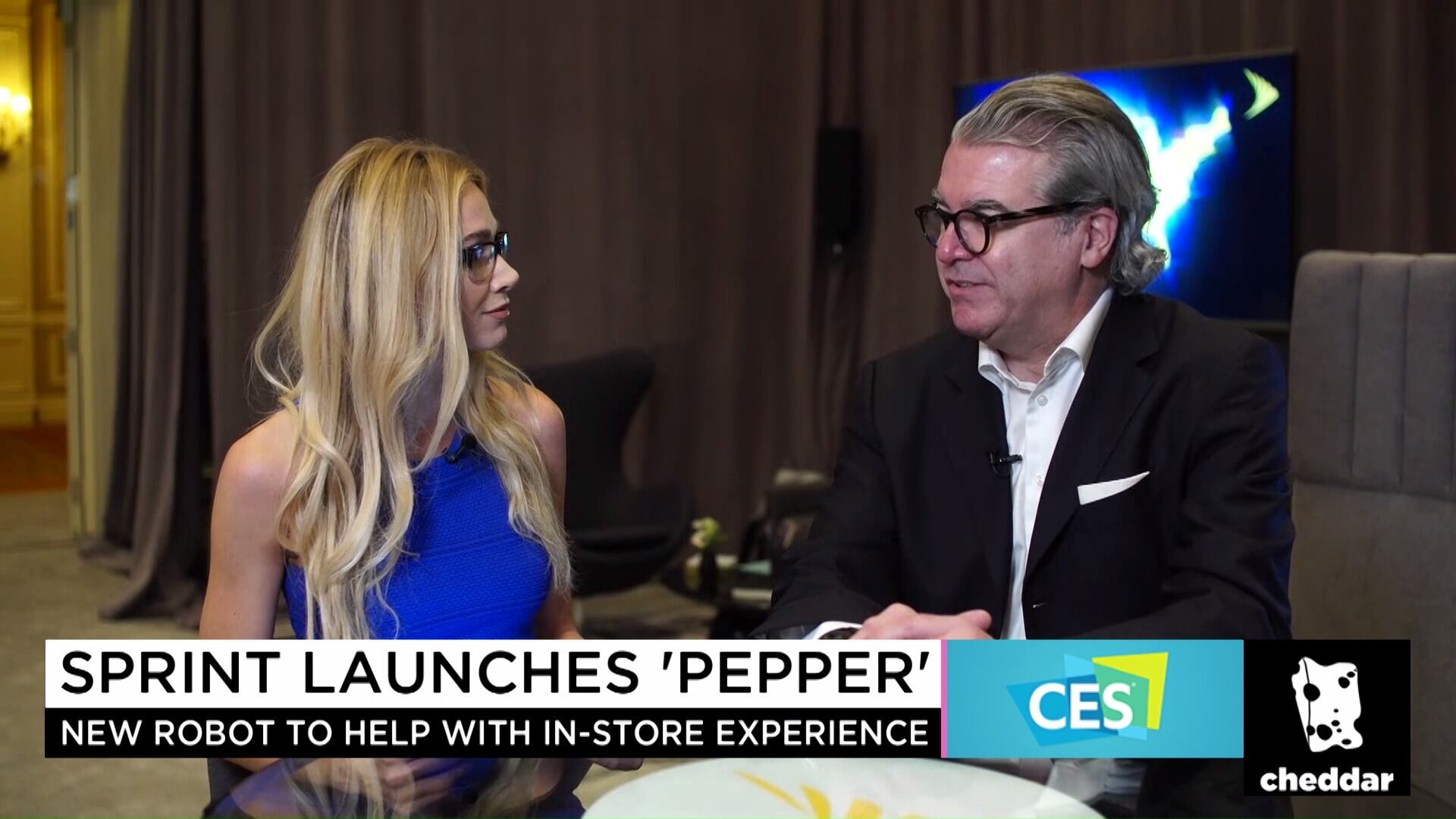
The next time you walk into a Sprint store you could be greeted by their newest employee, the humanoid robot "Pepper." Pepper uses machine learning and artificial intelligence to greet customers and work with them throughout their Sprint store experience. Pepper is already in some stores across America.
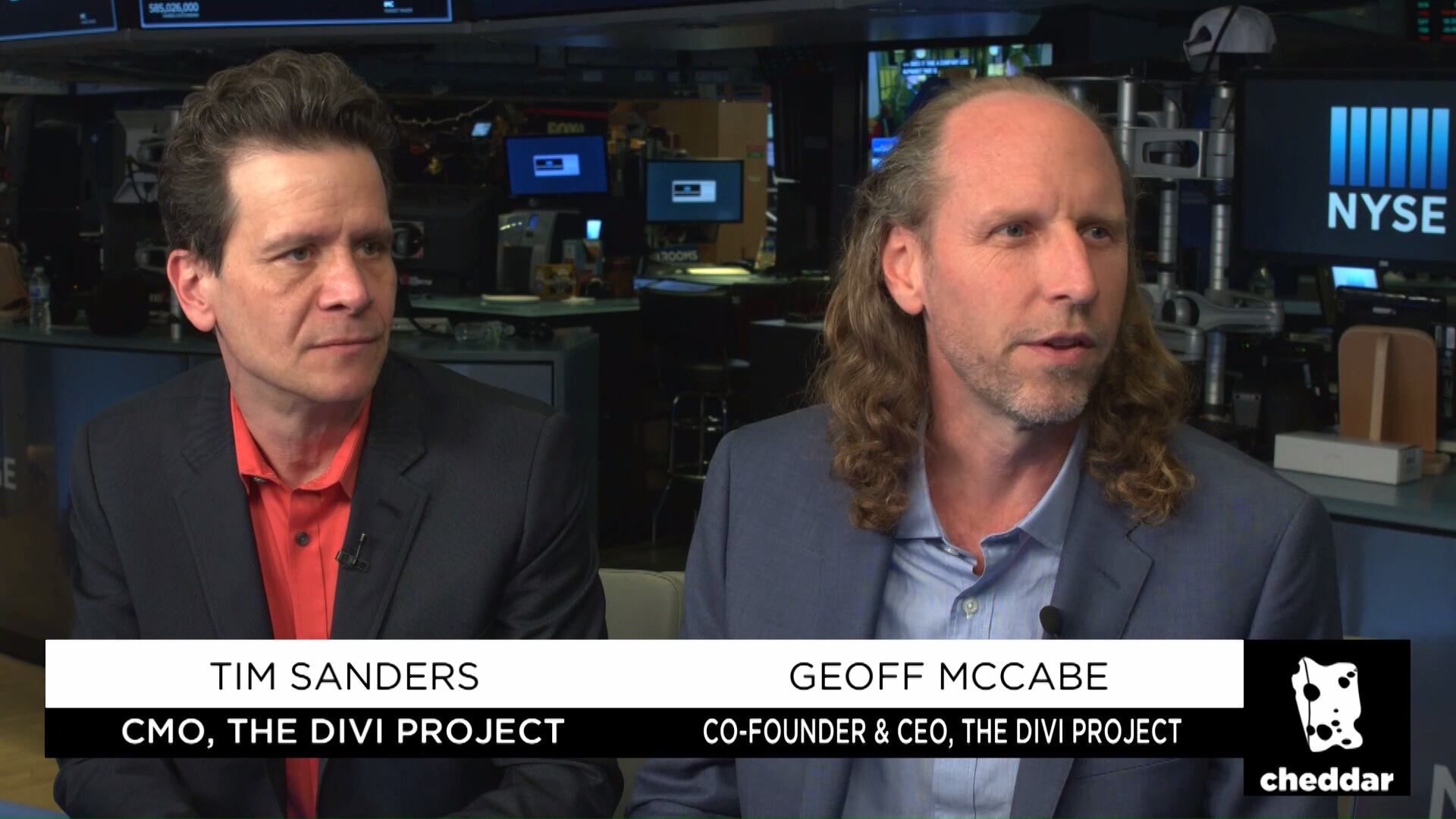
Divi Coins wants to make their cryptocurrency as convenient and accessible as possible. The Divi Project is a new crypto company that closed their initial coin sale in November. The new crypto is looking to replace exchanges like Paypal or Venmo.
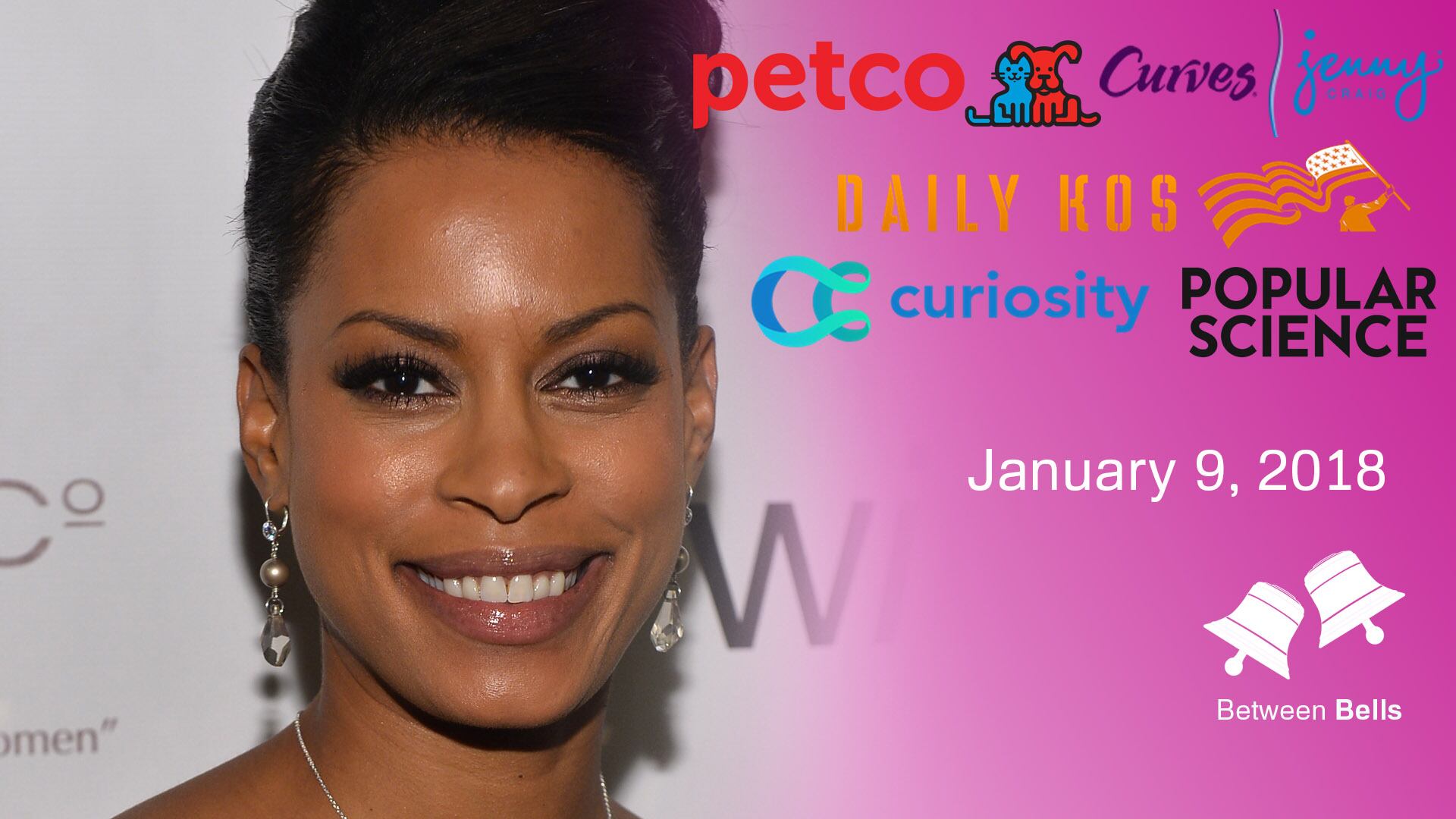
This Changes Things: Advice for the executives and leaders of tomorrow, sponsored by American Express OPEN. On Between Bells: the latest from the Consumer Electronics Show, net neutrality's last stand, and more. With Petco, Curiosity, Daily Kos, Popular Science, and more.