By Marcia Dunn
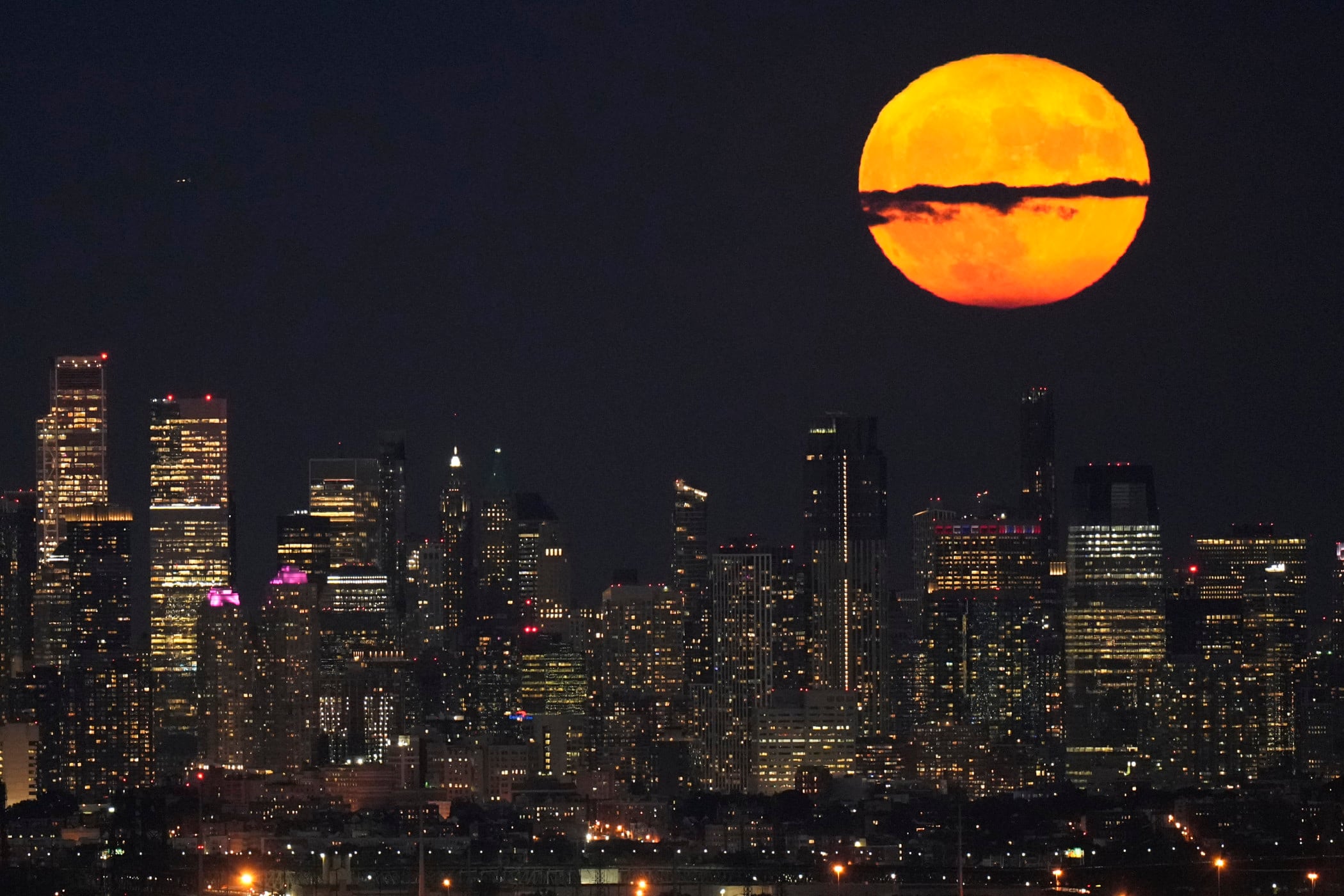
Stargazers are in for a double treat on Aug. 30: a rare blue supermoon with Saturn peeking from behind.
The cosmic curtain rises Wednesday night with the second full moon of the month, the reason it’s considered blue. It’s dubbed a supermoon because it’s closer to Earth than usual, appearing especially big and bright.
This will be the closest full moon of the year, just 222,043 miles (357,344 kilometers) or so away. That’s more than 100 miles (160 kilometers) closer than the Aug. 1 supermoon.
As a bonus, Saturn will be visible as a bright point 5 degrees to the upper right of the moon at sunset in the east-southeastern sky, according to NASA. The ringed planet will appear to circle clockwise around the moon as the night wears on.
If you missed the month’s first spectacle, better catch this one. There won’t be another blue supermoon until 2037, according to Italian astronomer Gianluca Masi, founder of the Virtual Telescope Project.
Clouds spoiled Masi's attempt to livestream the supermoon rising earlier this month. He’s hoping for clearer skies this time so he can capture the blue supermoon shining above St. Peter’s Basilica at the Vatican.
Weather permitting, observers don’t need binoculars or telescopes — “just their own eyes." said Masi.
“I’m always excited to admire the beauty of the night sky,” he said, especially when it features a blue supermoon.
The first supermoon of 2023 was in July. The fourth and last will be in September.
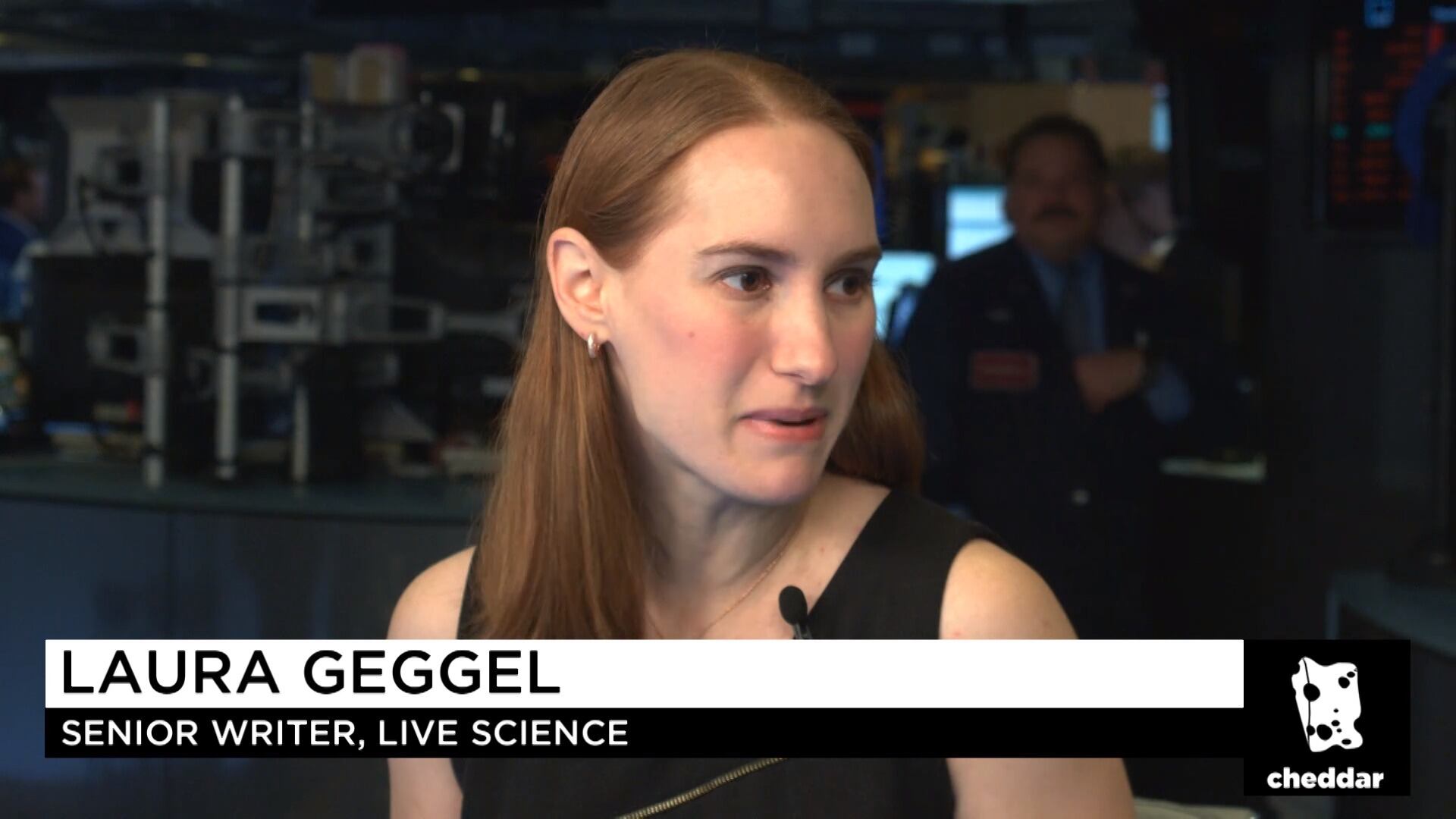
Laura Geggel, Senior Writer at Live Science, discusses the recently found void in Egypt's Great Pyramid, and how tiny robots are being used to understand this discovery.
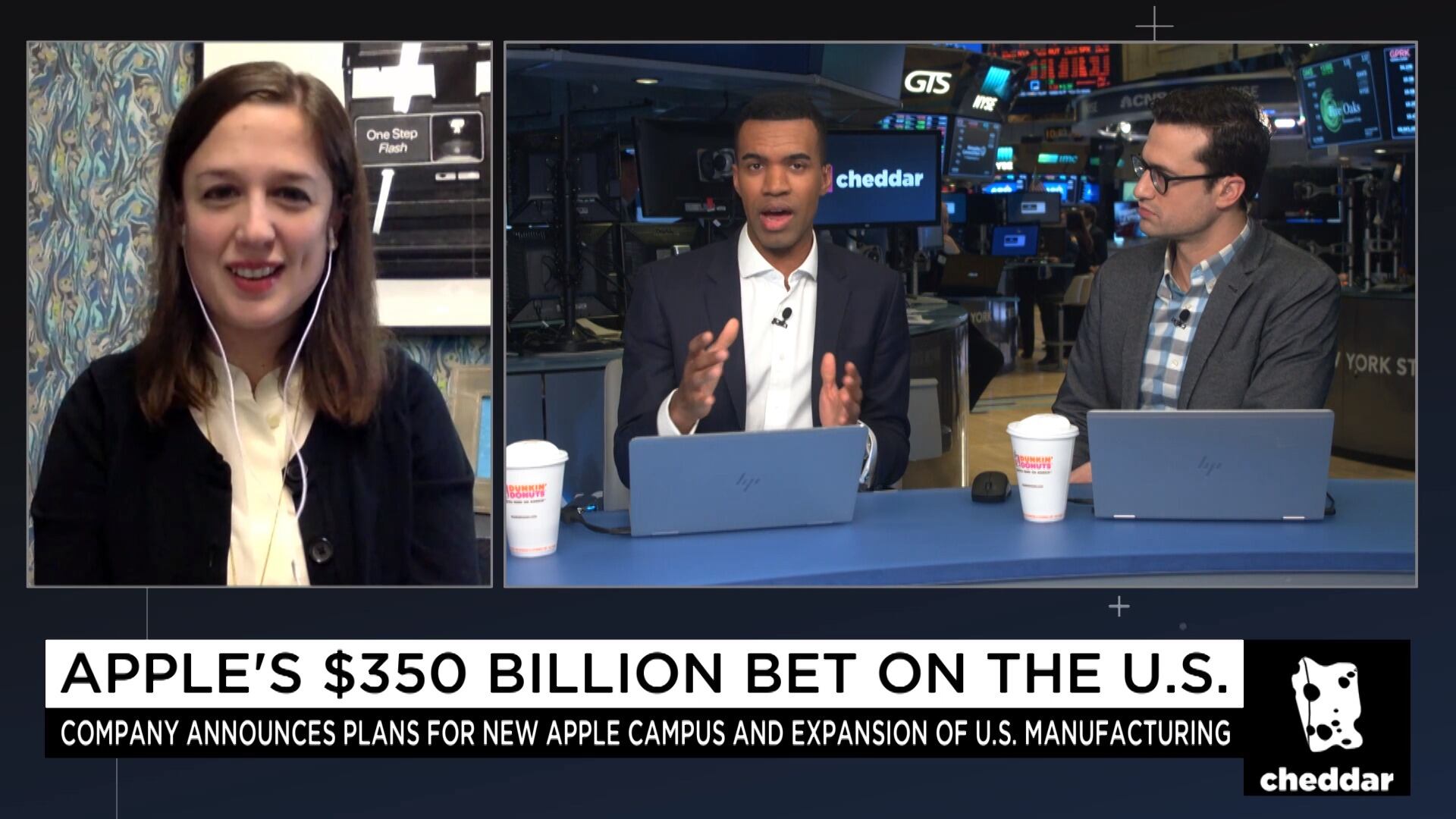
Dana Wollman, Executive Editor at Engadget, discusses Apple's announcement this week that it would invest $350 billion into the U.S. economy over the next five years. Plus, Amazon released its short list of candidates for the highly anticipated HQ2.
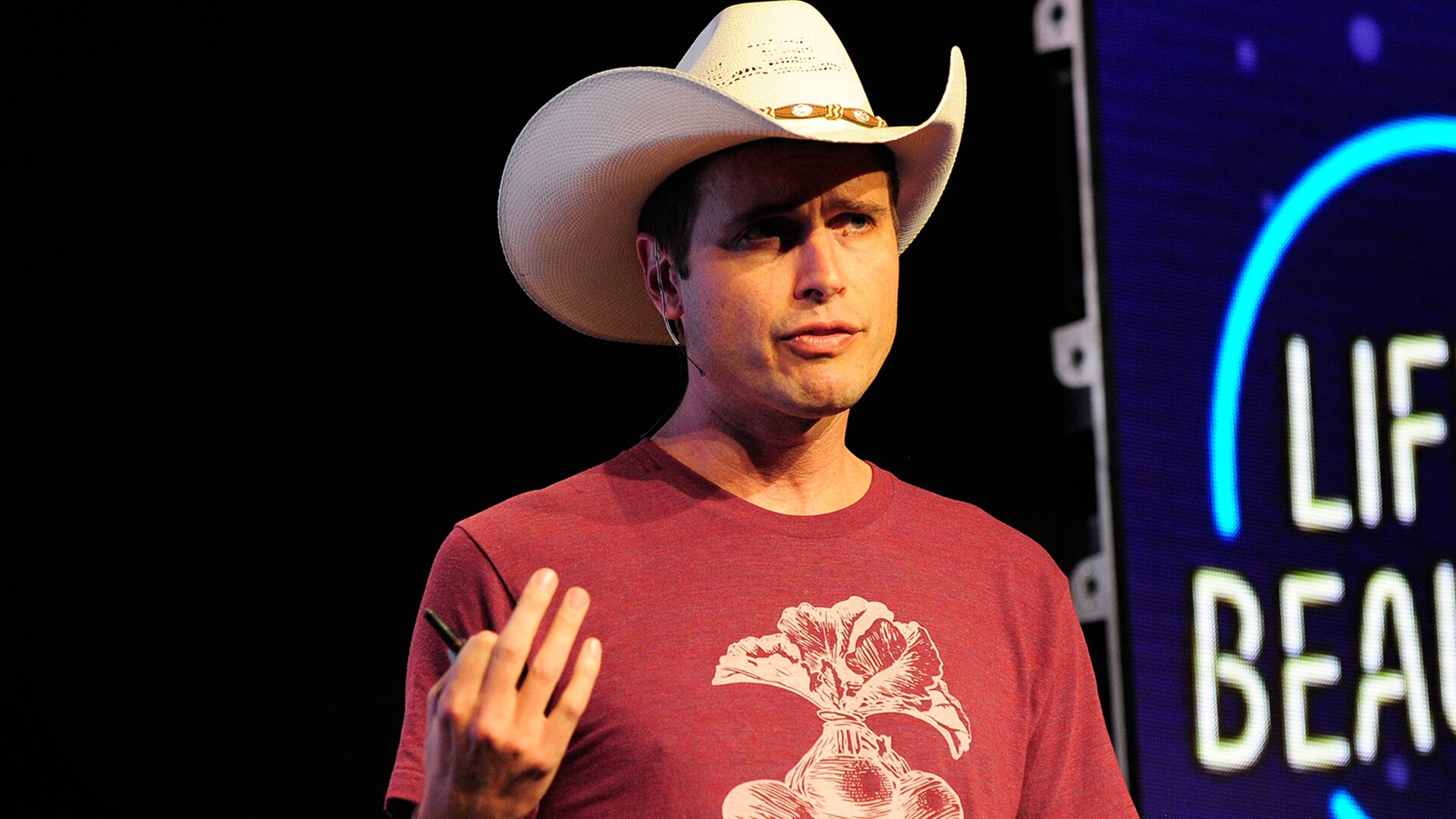
Kimbal Musk is on a mission to bring clean and good food to kids and families across the country. That is why he joins Cheddar to make some big announcement about his non-profit.
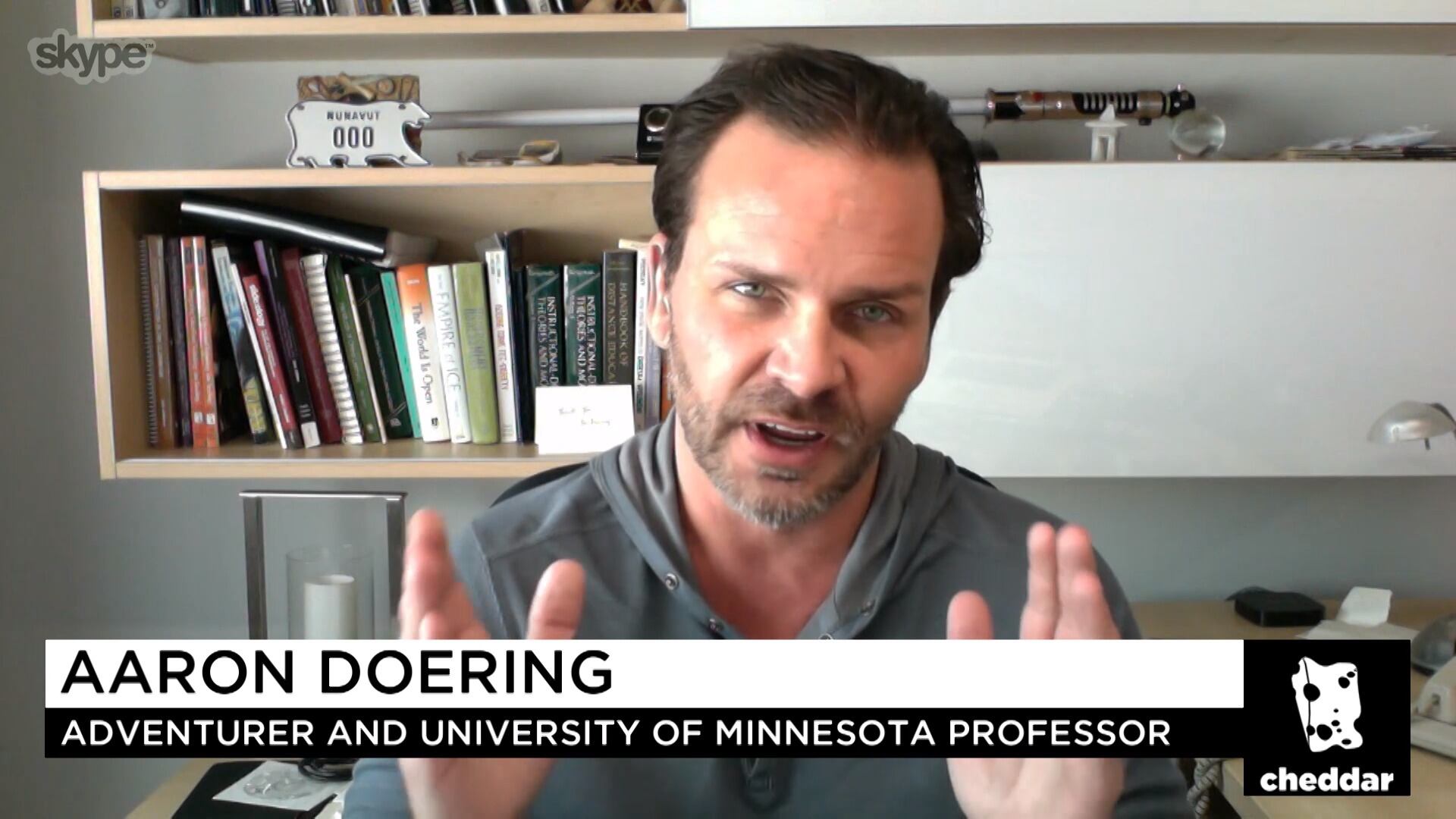
Climate change is widely accepted as science, but the cause of the phenomenon has led to many headed debates. Adventurer and University of Minnesota Professor Aaron Doering is traveling the world to document the ways climate change is quickly changing our planet.
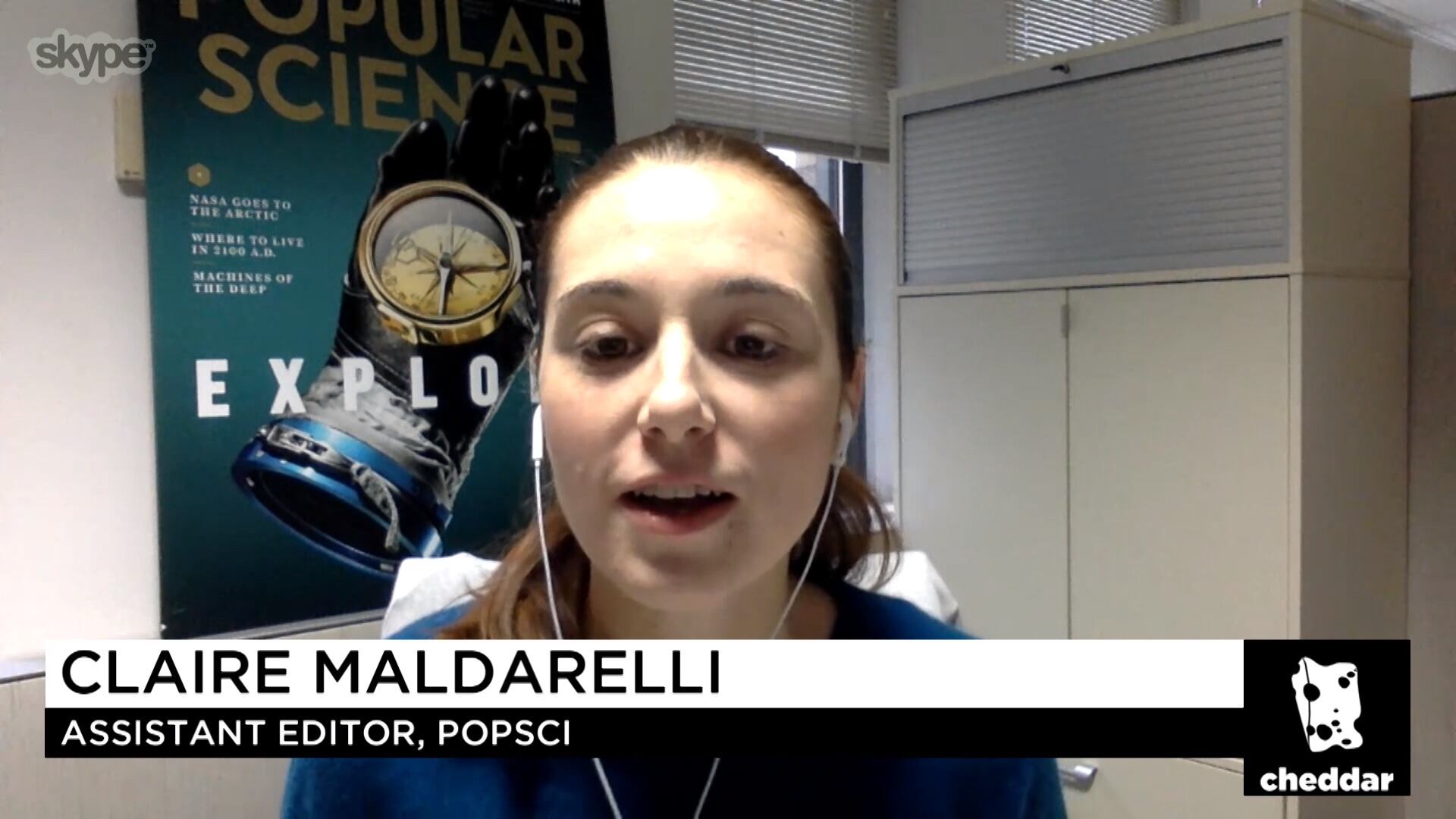
Claire Maldarelli, Assistant Editor at PopSci, discusses the publication's labeling of January as "Fat Month," where they help readers understand fat's impact on the human body as people embark on New Year's resolutions to get fit.
A look at the business of marijuana on Cheddar Cannabiz. Vermont awaits the Governor's signature on a bill making recreational marijuana legal. A former Brooklyn D.A. prosecutor has a new crime series. Facebook announce changes are coming to messenger. Bitcoin and other cryptocurrencies plunge as some countries call for more regulation. The White House releases the results of President Trump's health exam.
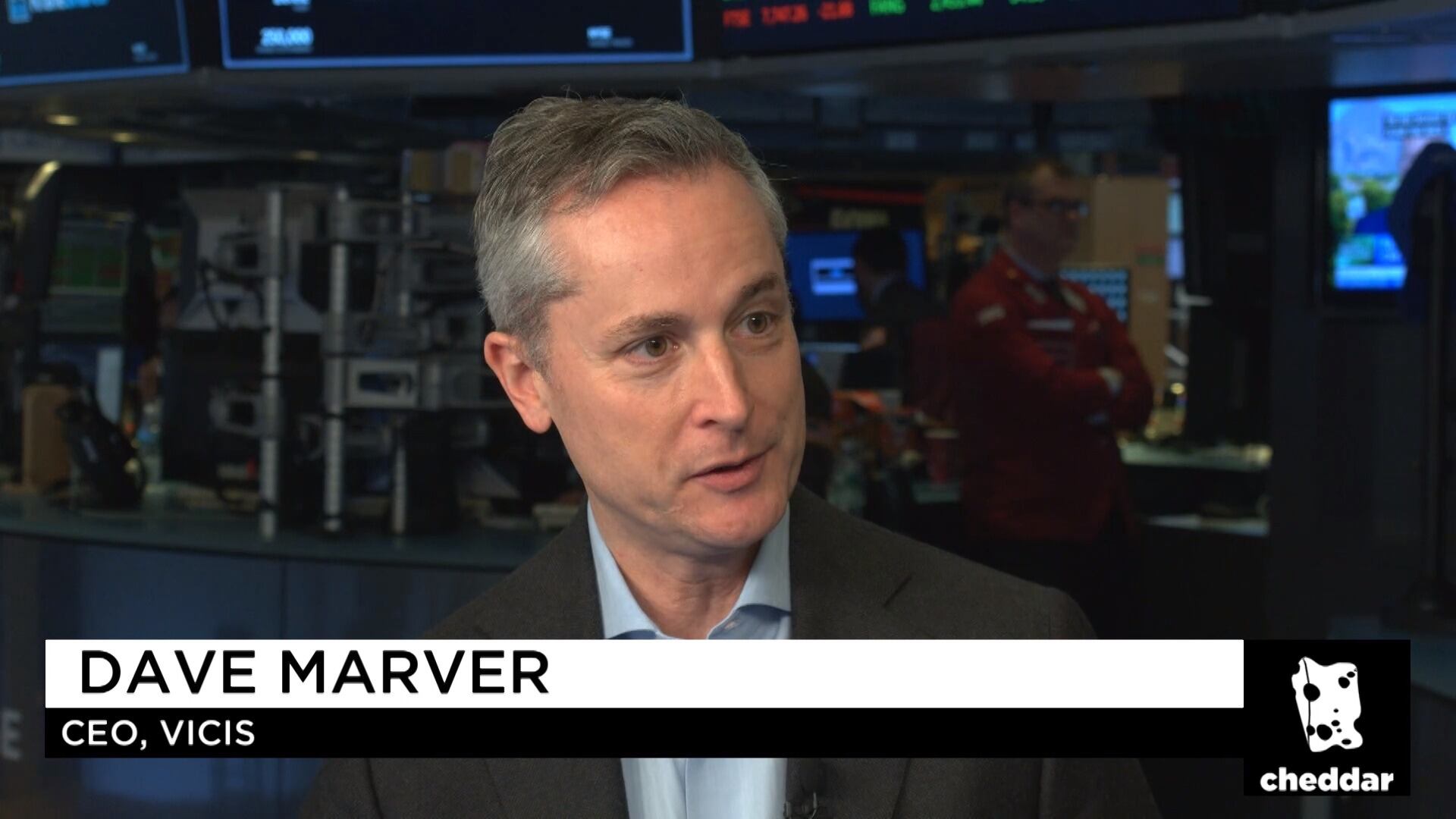
VICIS CEO Dave Marver discusses the Zero1 helmet, rated by the NFL as the safest ever made. Marver explains what makes the helmet different and what's next for the company.
Sandra Makarem and Emily Khasidy were friends for 15 years before they went into business together. The two are co-founders of The Collective Child, a membership-based subscription box for kid's clothing.
Facebook is changing up its News Feed, a new twist in the "All the Money in the World" wage gap controversy, and Lindsay Lohan might design a manmade island in Dubai. Plus, wrapping up the biggest headlines from CES with Wired, celebrity fashion designer Isaac Mizrahi, and the star of Amazon's "Philip K. Dick's Electric Dreams."
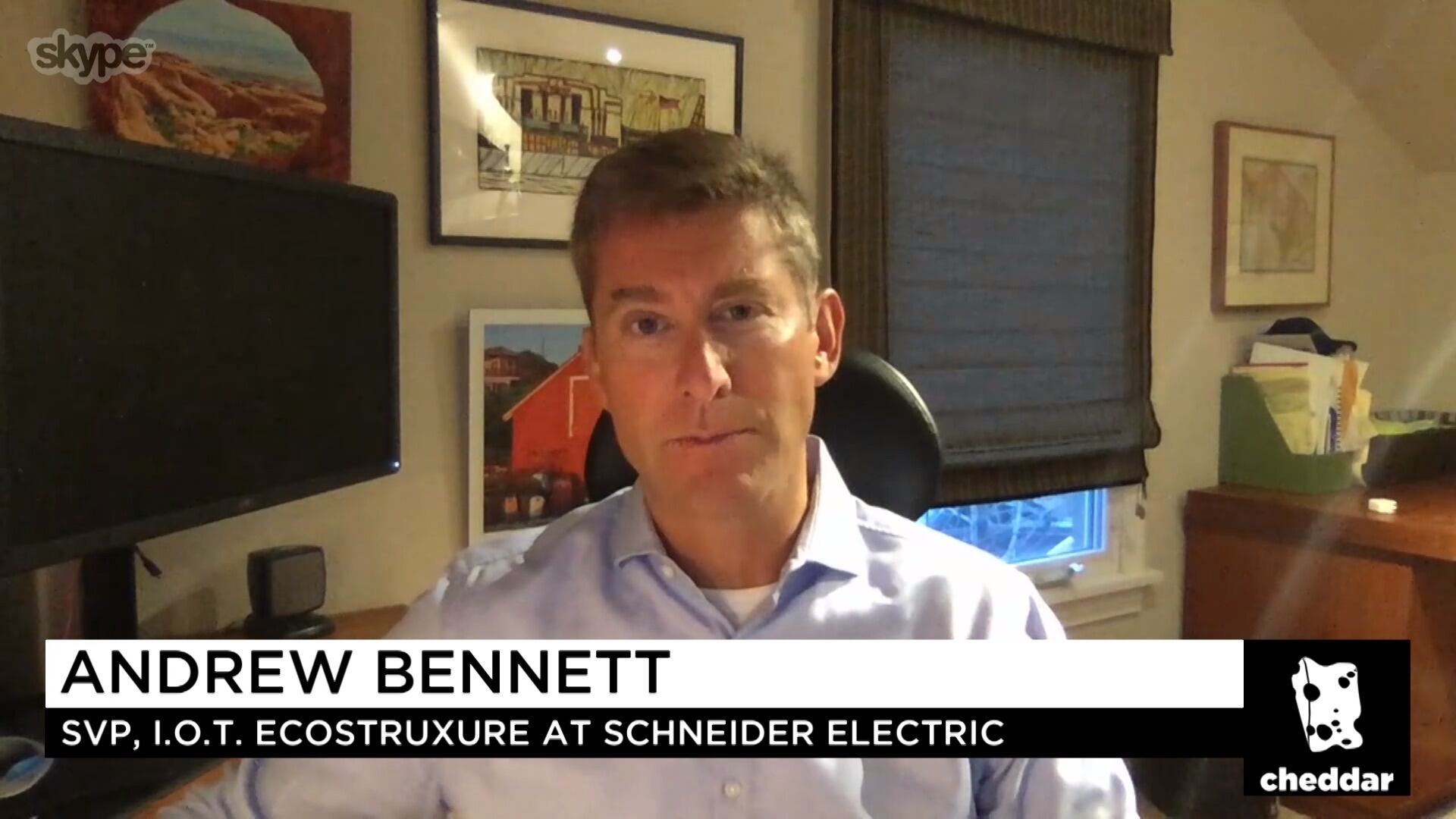
Andrew Bennett, SVP of I.O.T. Ecostruxure at Schneider Electric, joins us to speak about the company's mission to help customers optimize their energy use, regardless of whether the source is coal, wind or solar.