By Marcia Dunn
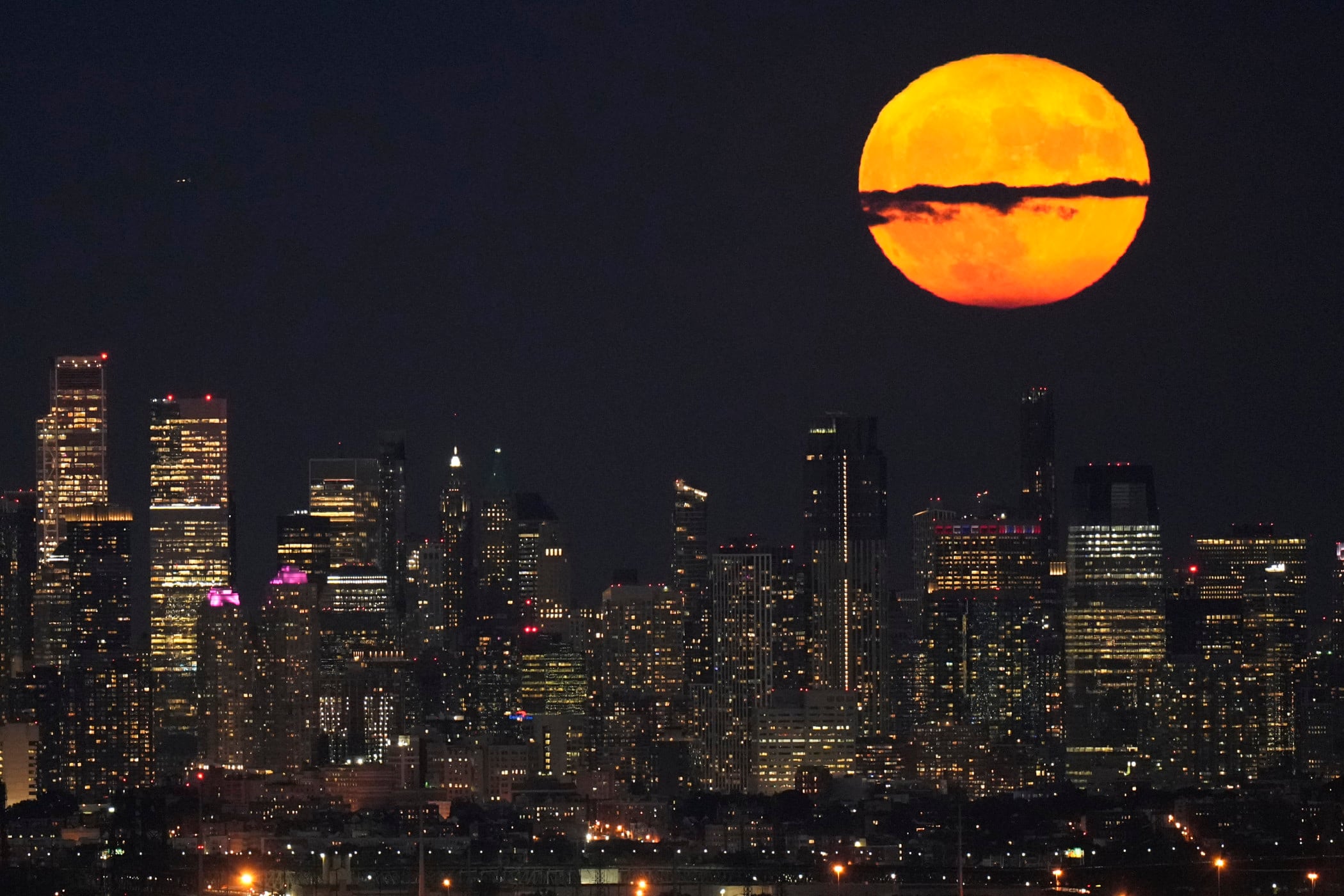
Stargazers are in for a double treat on Aug. 30: a rare blue supermoon with Saturn peeking from behind.
The cosmic curtain rises Wednesday night with the second full moon of the month, the reason it’s considered blue. It’s dubbed a supermoon because it’s closer to Earth than usual, appearing especially big and bright.
This will be the closest full moon of the year, just 222,043 miles (357,344 kilometers) or so away. That’s more than 100 miles (160 kilometers) closer than the Aug. 1 supermoon.
As a bonus, Saturn will be visible as a bright point 5 degrees to the upper right of the moon at sunset in the east-southeastern sky, according to NASA. The ringed planet will appear to circle clockwise around the moon as the night wears on.
If you missed the month’s first spectacle, better catch this one. There won’t be another blue supermoon until 2037, according to Italian astronomer Gianluca Masi, founder of the Virtual Telescope Project.
Clouds spoiled Masi's attempt to livestream the supermoon rising earlier this month. He’s hoping for clearer skies this time so he can capture the blue supermoon shining above St. Peter’s Basilica at the Vatican.
Weather permitting, observers don’t need binoculars or telescopes — “just their own eyes." said Masi.
“I’m always excited to admire the beauty of the night sky,” he said, especially when it features a blue supermoon.
The first supermoon of 2023 was in July. The fourth and last will be in September.
Maisie Devine, global director for Anheuser-Busch InBev's 100+ Accelerator, said the incubator will focus on nurturing sustainable start-ups, as the alcohol giant commits to reducing its own emissions by 25 percent.
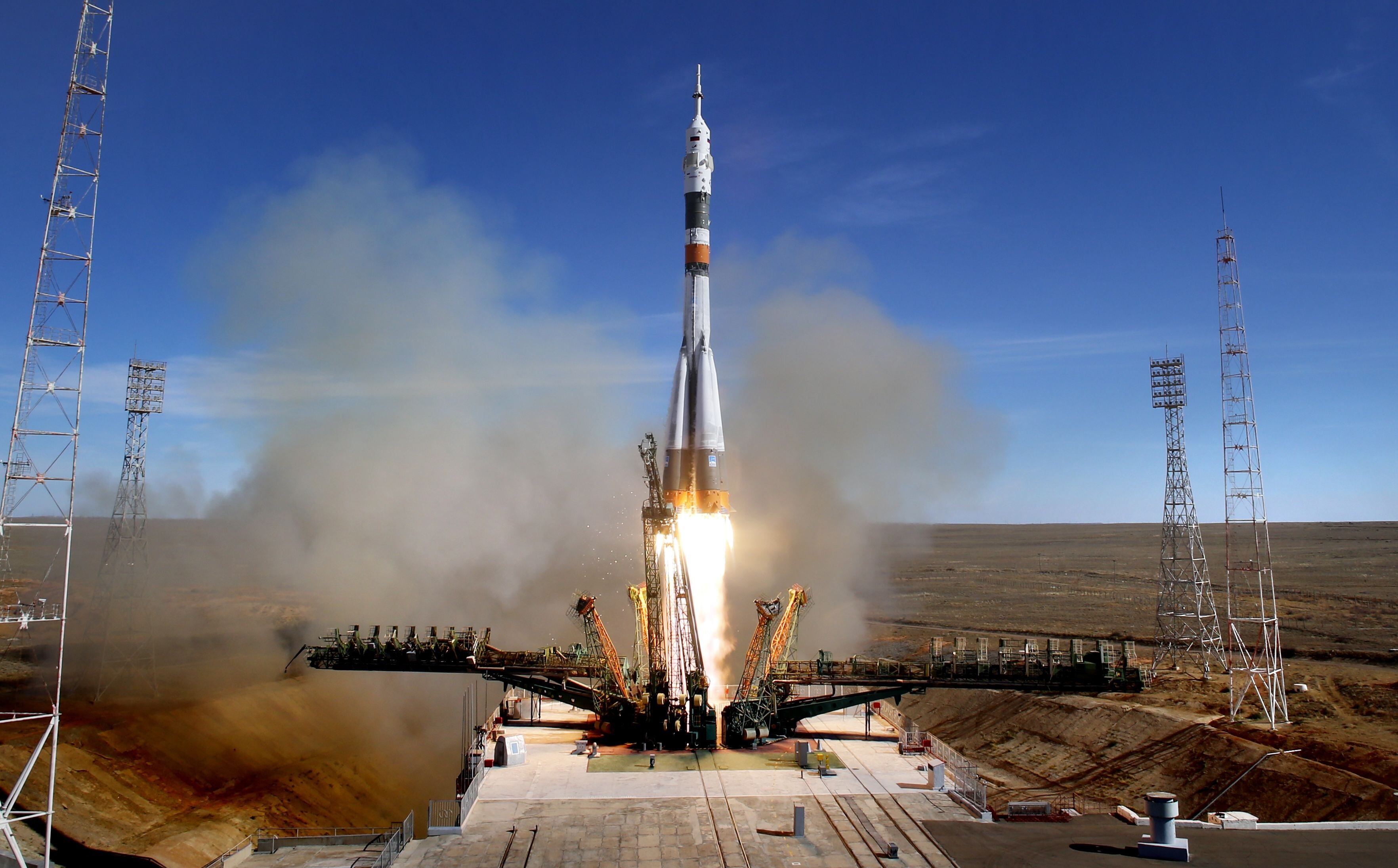
An unknown malfunction prompted an emergency landing of a Russian rocket, with the American astronaut and Russian cosmonaut on board both found safe. Sarah Lewin, an editor at Space.com, said these events are rare but astronauts train extensively for them.
The markets looked to recover from a major sell-off on Wednesday. The Dow closed down more than 800 points. The Florida Panhandle is reeling after Hurricane Michael tore through the region causing catastrophic damage. And Razer launched a handful of new products, including the Razer Phone 2, to make gaming more accessible. Kevin Allen joins Cheddar to explain what makes the products stand out in the gaming world.
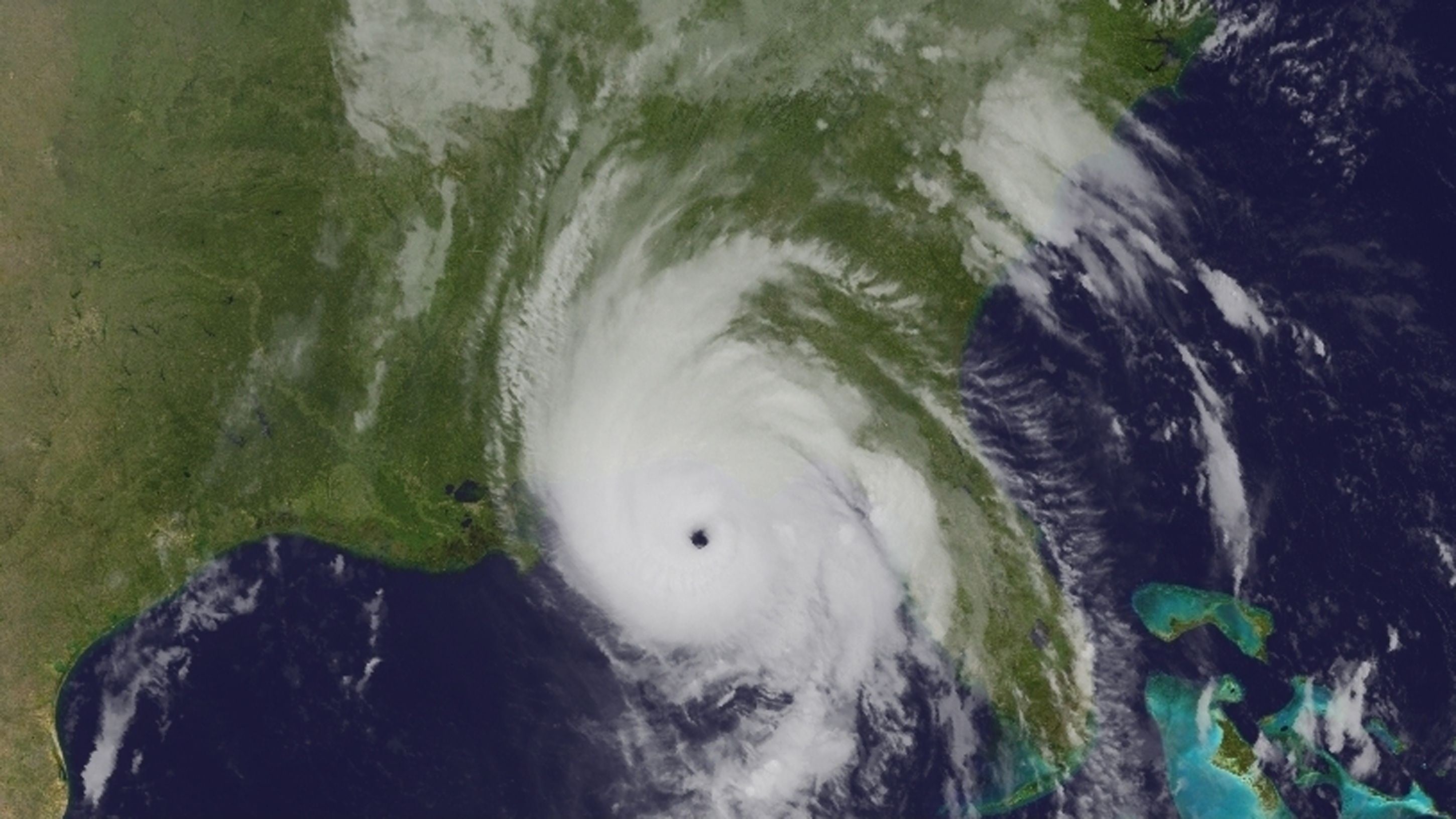
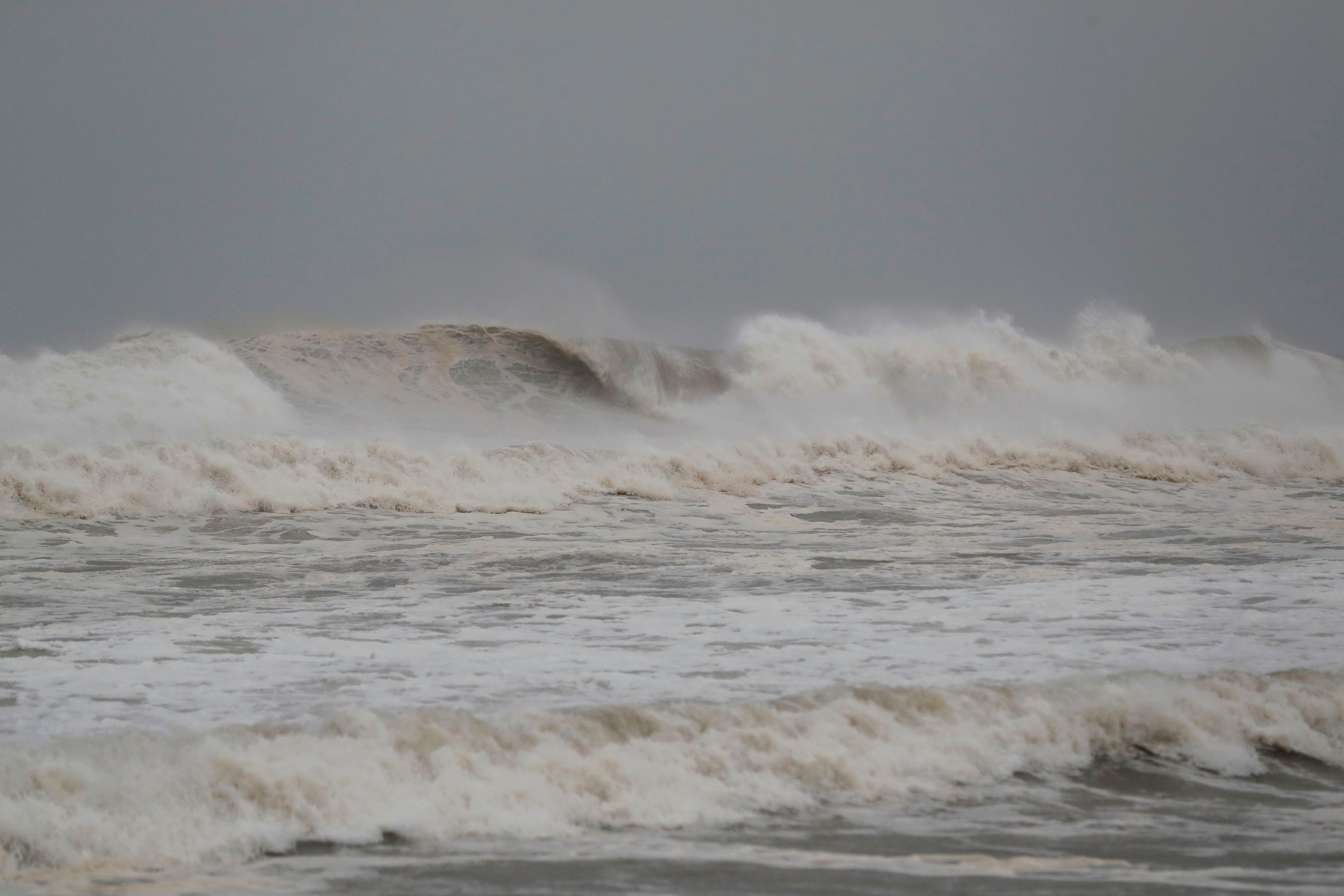
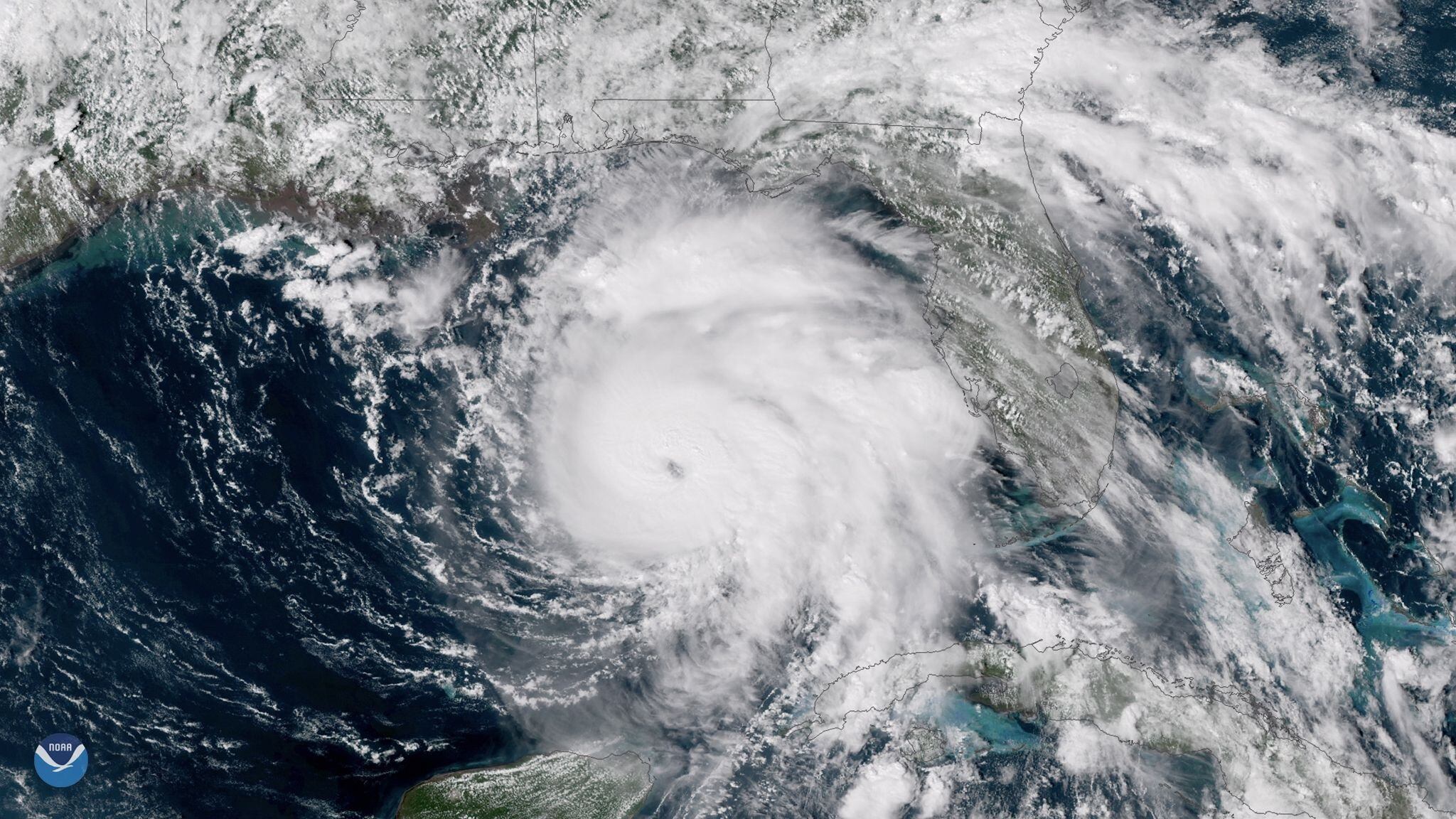
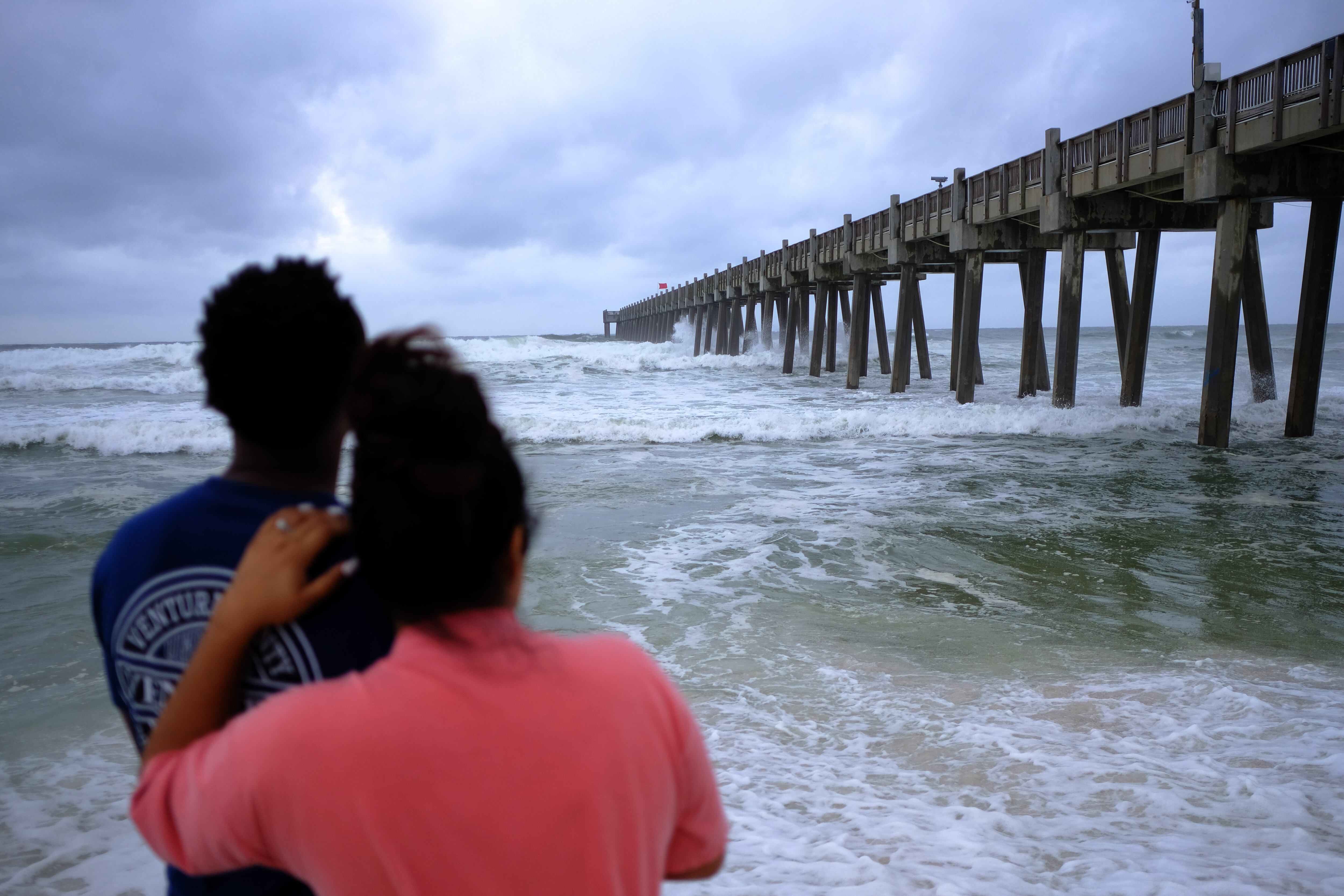
Hurricane Michael made landfall on Wednesday as a Category 4 storm, heading for areas that are still recovering from Florence. Jason Samenow, the Washington Post's weather editor, said the storm is far from over and that the biggest concern will be storm surges.
Hurricane Michael strengthened to a Category 4 overnight as it barrels towards the Florida Panhandle. AccuWeather predicts the hurricane will cause $30 billion in damage. SoftBank is reportedly in talks to take a majority stake in WeWork. Plus, Cheddar's Alyssa Julya Smith chats with actor Caleel Harris about what to expect from the upcoming 'Goosebumps 2: Haunted Halloween' movie and his role in Ava DuVernay's 'Central Park Five' TV series.
Hurricane Michael strengthened into a monster Category 4 storm overnight, tracking for a Wednesday afternoon landfall near Panama Beach, Fla. Joel Myers, founder and president of AccuWeather, explained the specific dangers of this storm for the southeast.
These are the headlines you Need 2 Know.
Hurricane Michael has strengthened to Category 2 hurricane as of Tuesday and could ramp up to Category 3 by the time it makes landfall in Florida Wednesday. Eric Holthaus, meteorologist and writer for Grist, said the storm is likely to be the worst to hit the Panhandle in decades.
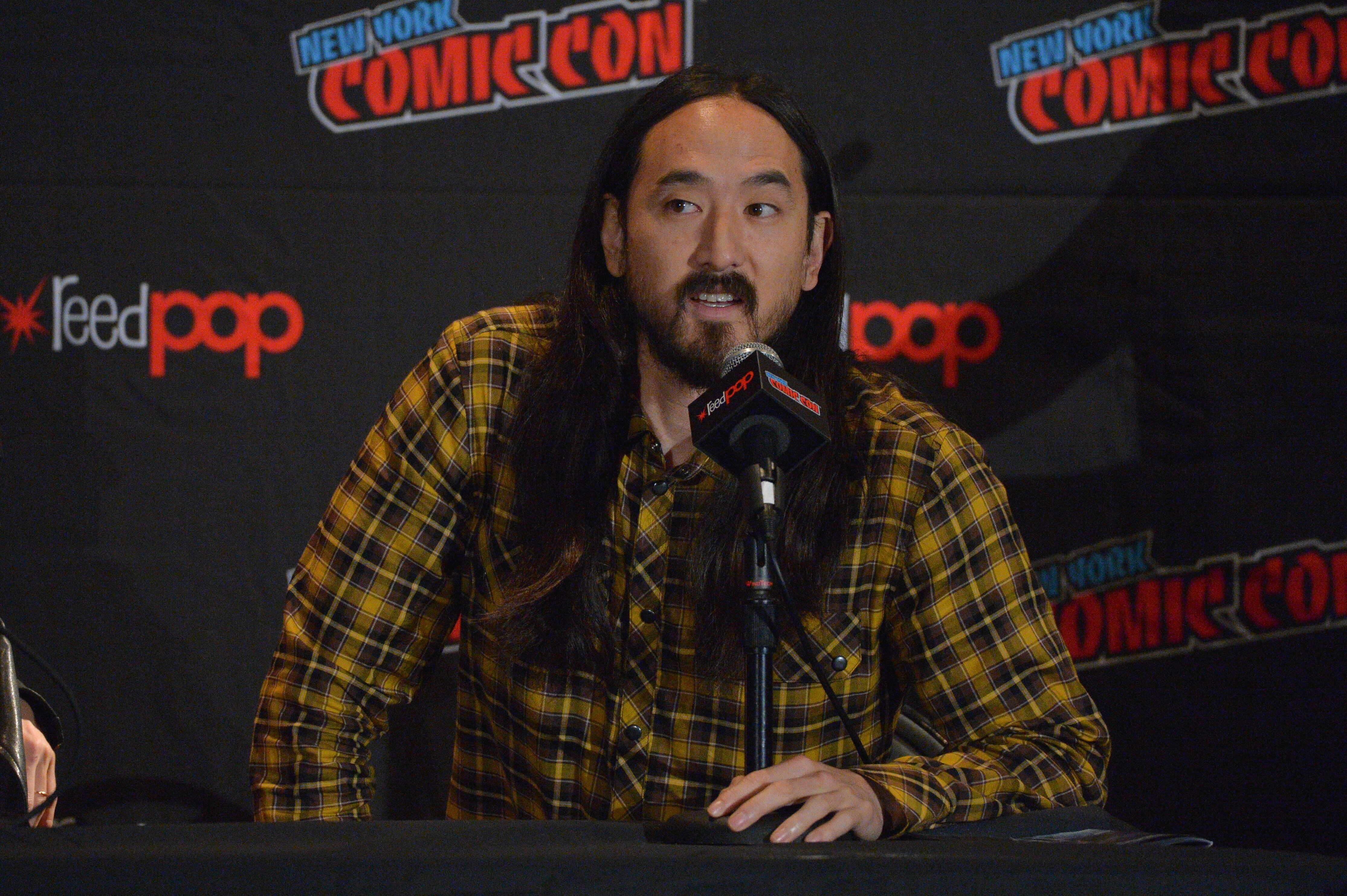
Acclaimed music producer, DJ, and entrepreneur Steve Aoki is dipping his toe into comic books. At New York Comic Con Aoki debuted 'Neon Future,' his comic debut.
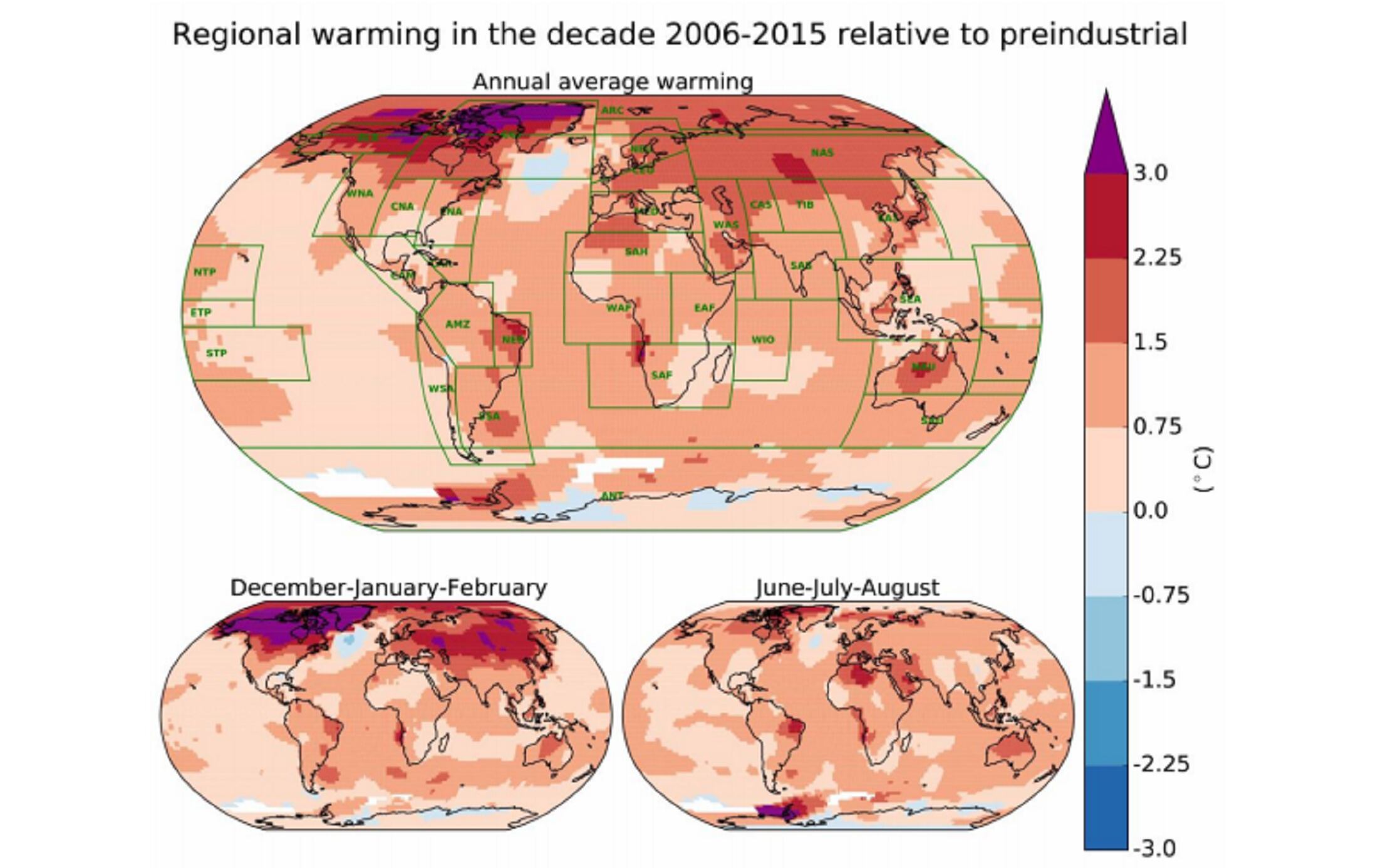
A landmark report issued by the Intergovernmental Panel on Climate Change Monday warned that there could be irreversible damage caused by climate change in as little as 12 years. Andrew Freedman, science reporter at Axios, said the effects of this could be even hotter heat waves, sea-levels rising that could wipe out coastal cities, food shortages, and more.