By Marcia Dunn
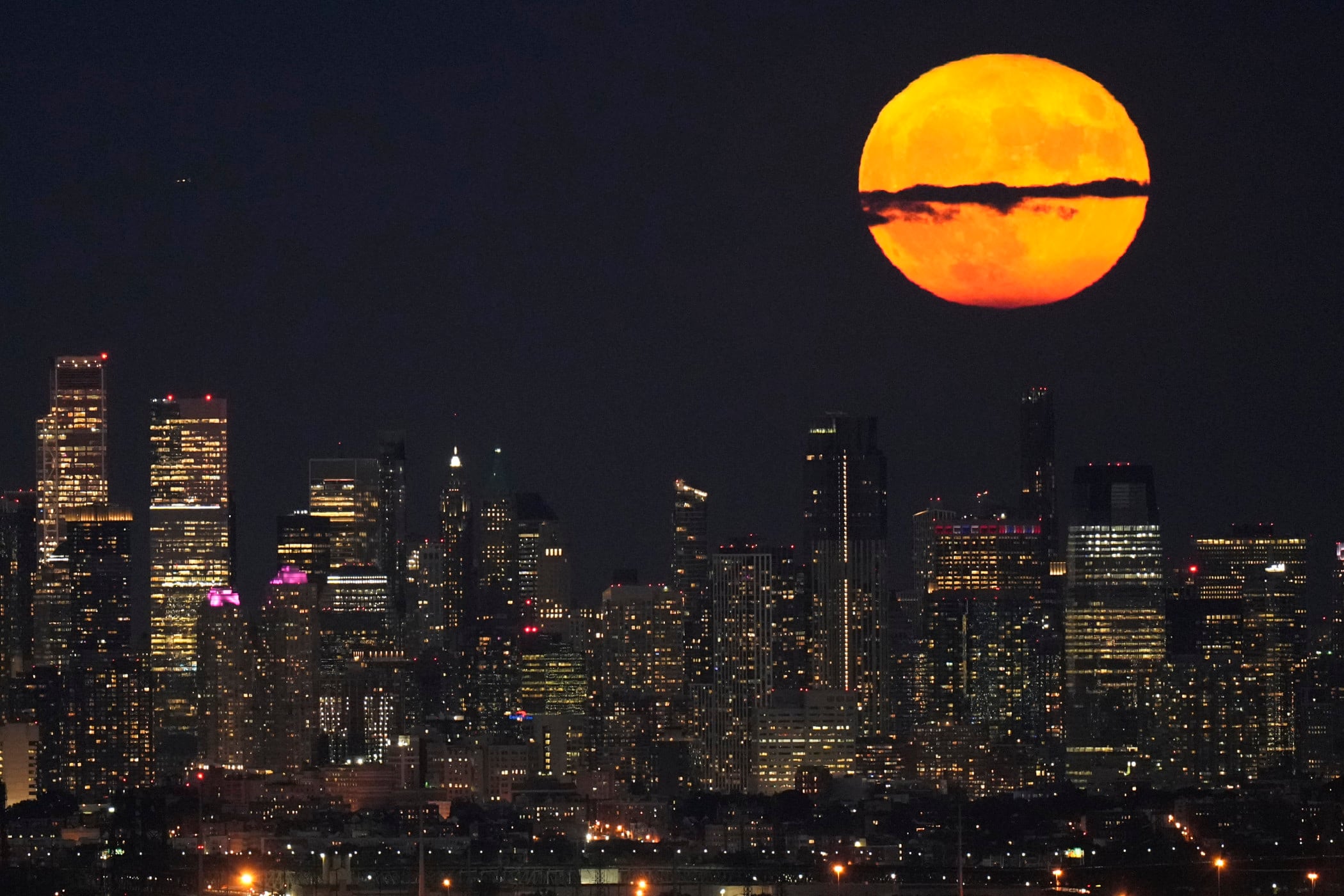
Stargazers are in for a double treat on Aug. 30: a rare blue supermoon with Saturn peeking from behind.
The cosmic curtain rises Wednesday night with the second full moon of the month, the reason it’s considered blue. It’s dubbed a supermoon because it’s closer to Earth than usual, appearing especially big and bright.
This will be the closest full moon of the year, just 222,043 miles (357,344 kilometers) or so away. That’s more than 100 miles (160 kilometers) closer than the Aug. 1 supermoon.
As a bonus, Saturn will be visible as a bright point 5 degrees to the upper right of the moon at sunset in the east-southeastern sky, according to NASA. The ringed planet will appear to circle clockwise around the moon as the night wears on.
If you missed the month’s first spectacle, better catch this one. There won’t be another blue supermoon until 2037, according to Italian astronomer Gianluca Masi, founder of the Virtual Telescope Project.
Clouds spoiled Masi's attempt to livestream the supermoon rising earlier this month. He’s hoping for clearer skies this time so he can capture the blue supermoon shining above St. Peter’s Basilica at the Vatican.
Weather permitting, observers don’t need binoculars or telescopes — “just their own eyes." said Masi.
“I’m always excited to admire the beauty of the night sky,” he said, especially when it features a blue supermoon.
The first supermoon of 2023 was in July. The fourth and last will be in September.
These are the headlines you Need 2 Know for Monday, January 27, 2020.
Health officials say woman returned from a trip to China on Jan. 13 without showing any signs of illness, but a few days later she called her doctor to report feeling sick.
Dr. Didier Houssin, emergency committee chair, told journalists on Thursday that it was too early to declare a public health emergency due to a "limited" number of cases and the ongoing containment efforts by Chinese authorities.
Steven Mnuchin says Swedish climate activist Greta Thunberg is in no position to give economic advice until she goes to college and comes out with an economics degree.
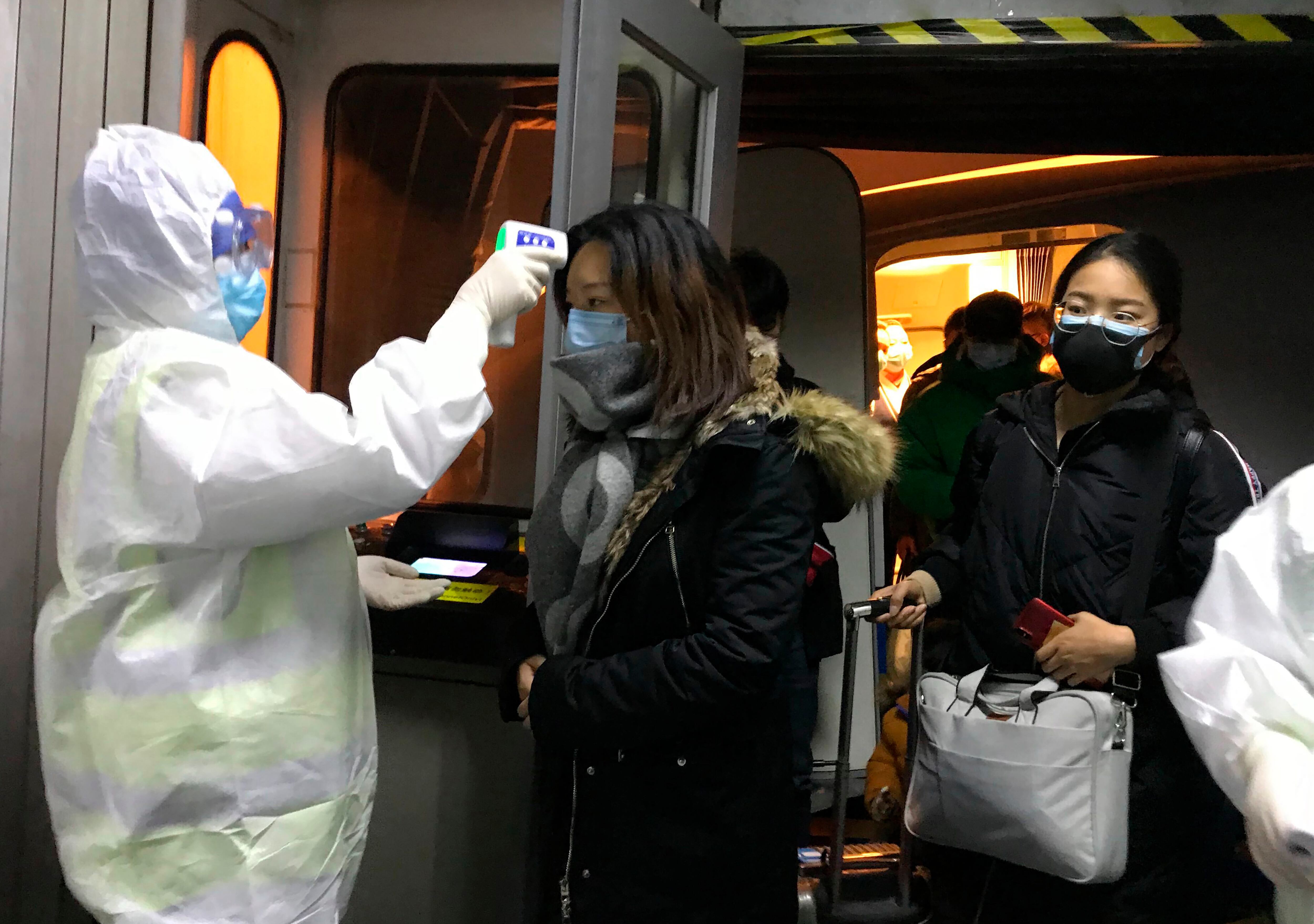
Chinese authorities Thursday moved to lock down three cities with a combined population of more than 18 million people in an unprecedented effort to contain the deadly new virus that has sickened hundreds and spread to other parts of the world during the busy Lunar New Year travel period.
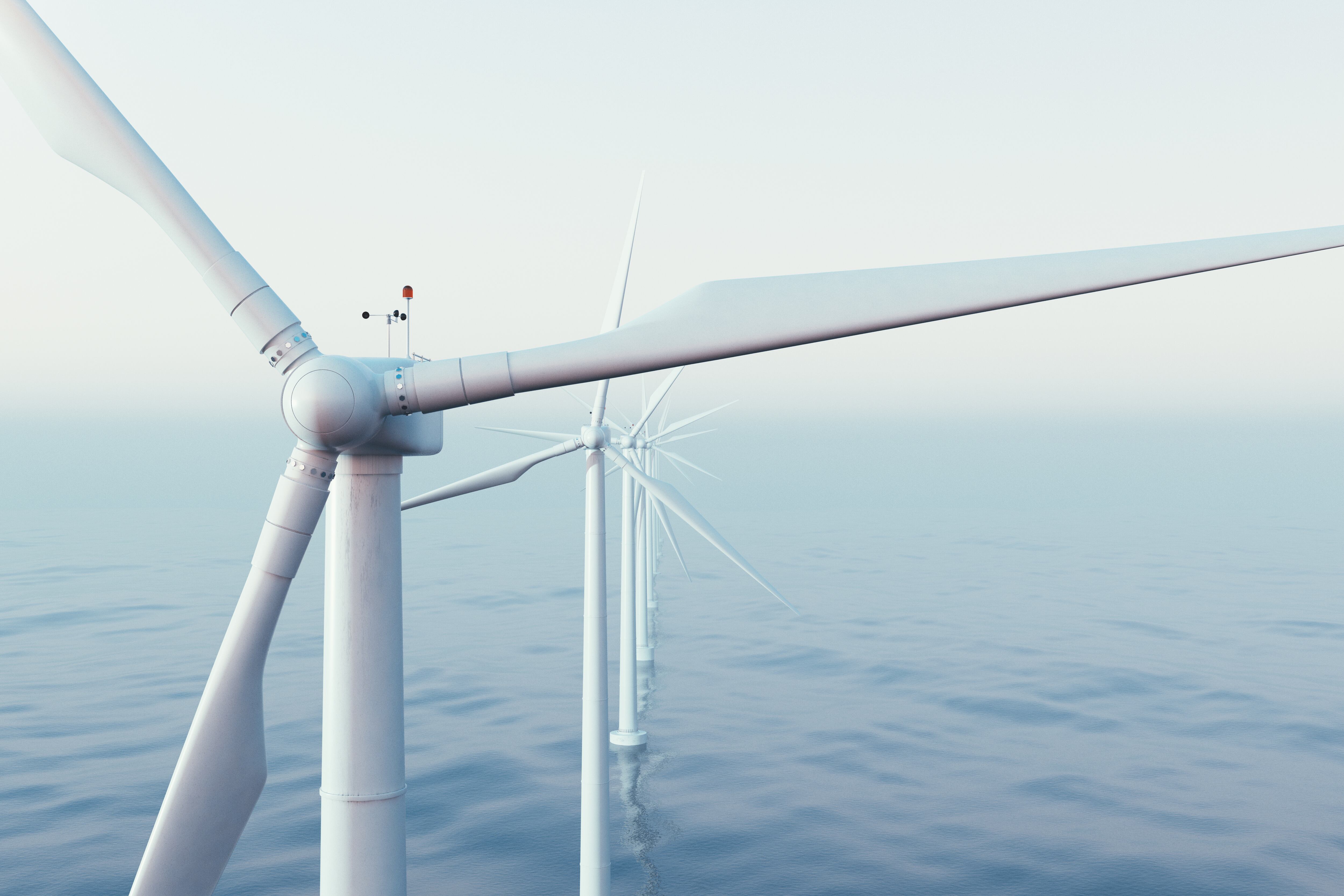
The Special Initiative for Offshore Wind, a research and advocacy organization at the University of Delaware, and the American Wind Energy Association, a trade group, hope to solicit comments and concerns from potential critics.
These are the headlines you Need 2 Know for Thursday, January 23, 2020.
Chinese health authorities urged people in the city of Wuhan to avoid crowds and public gatherings, after warning that a new viral illness that has infected more than 400 people and killed at least 17 could spread further.
These are the headlines you Need 2 Know for Wednesday, January 22, 2020.
A U.S. citizen who recently returned from a trip to central China has been diagnosed with the new virus.