By Marcia Dunn
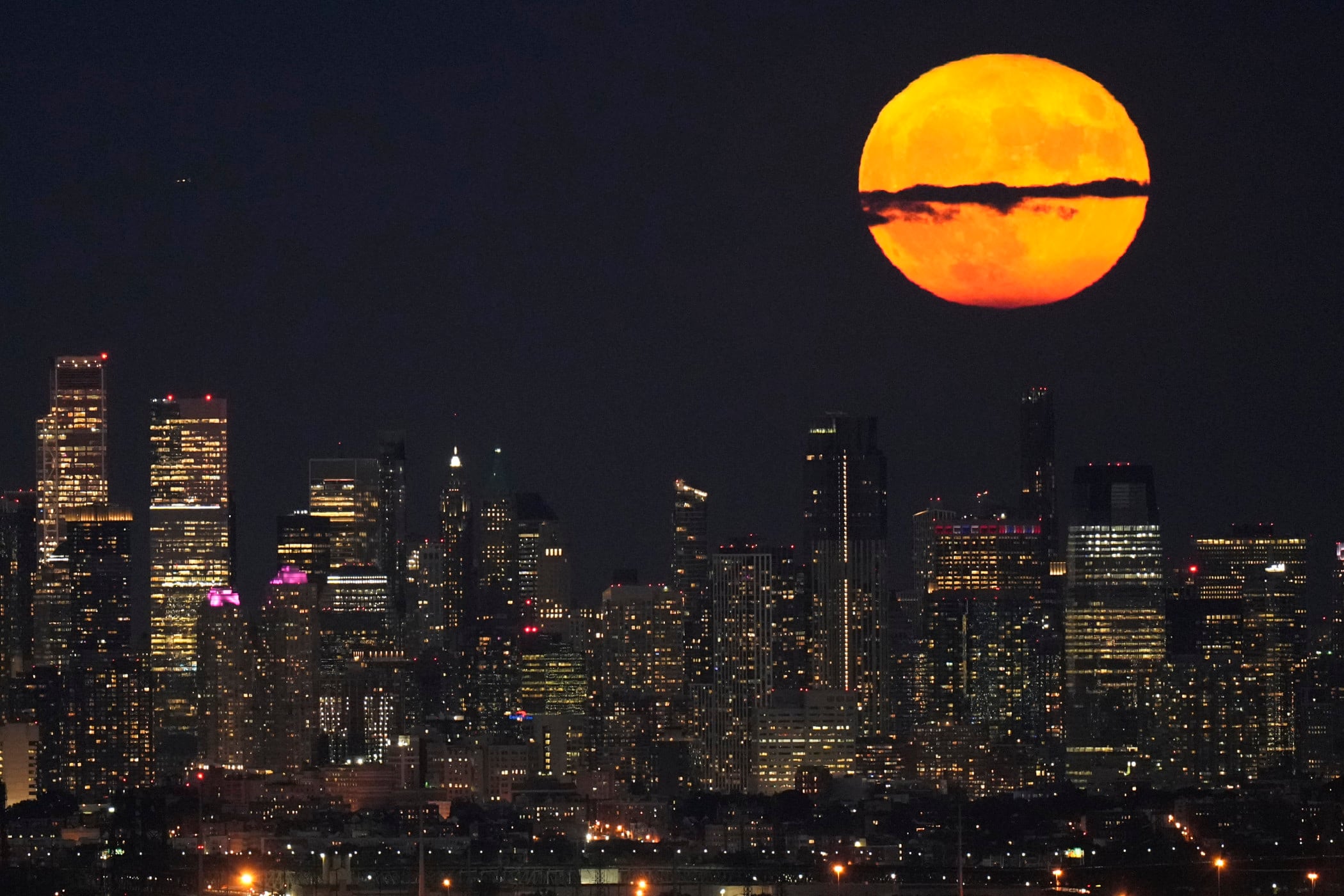
Stargazers are in for a double treat on Aug. 30: a rare blue supermoon with Saturn peeking from behind.
The cosmic curtain rises Wednesday night with the second full moon of the month, the reason it’s considered blue. It’s dubbed a supermoon because it’s closer to Earth than usual, appearing especially big and bright.
This will be the closest full moon of the year, just 222,043 miles (357,344 kilometers) or so away. That’s more than 100 miles (160 kilometers) closer than the Aug. 1 supermoon.
As a bonus, Saturn will be visible as a bright point 5 degrees to the upper right of the moon at sunset in the east-southeastern sky, according to NASA. The ringed planet will appear to circle clockwise around the moon as the night wears on.
If you missed the month’s first spectacle, better catch this one. There won’t be another blue supermoon until 2037, according to Italian astronomer Gianluca Masi, founder of the Virtual Telescope Project.
Clouds spoiled Masi's attempt to livestream the supermoon rising earlier this month. He’s hoping for clearer skies this time so he can capture the blue supermoon shining above St. Peter’s Basilica at the Vatican.
Weather permitting, observers don’t need binoculars or telescopes — “just their own eyes." said Masi.
“I’m always excited to admire the beauty of the night sky,” he said, especially when it features a blue supermoon.
The first supermoon of 2023 was in July. The fourth and last will be in September.
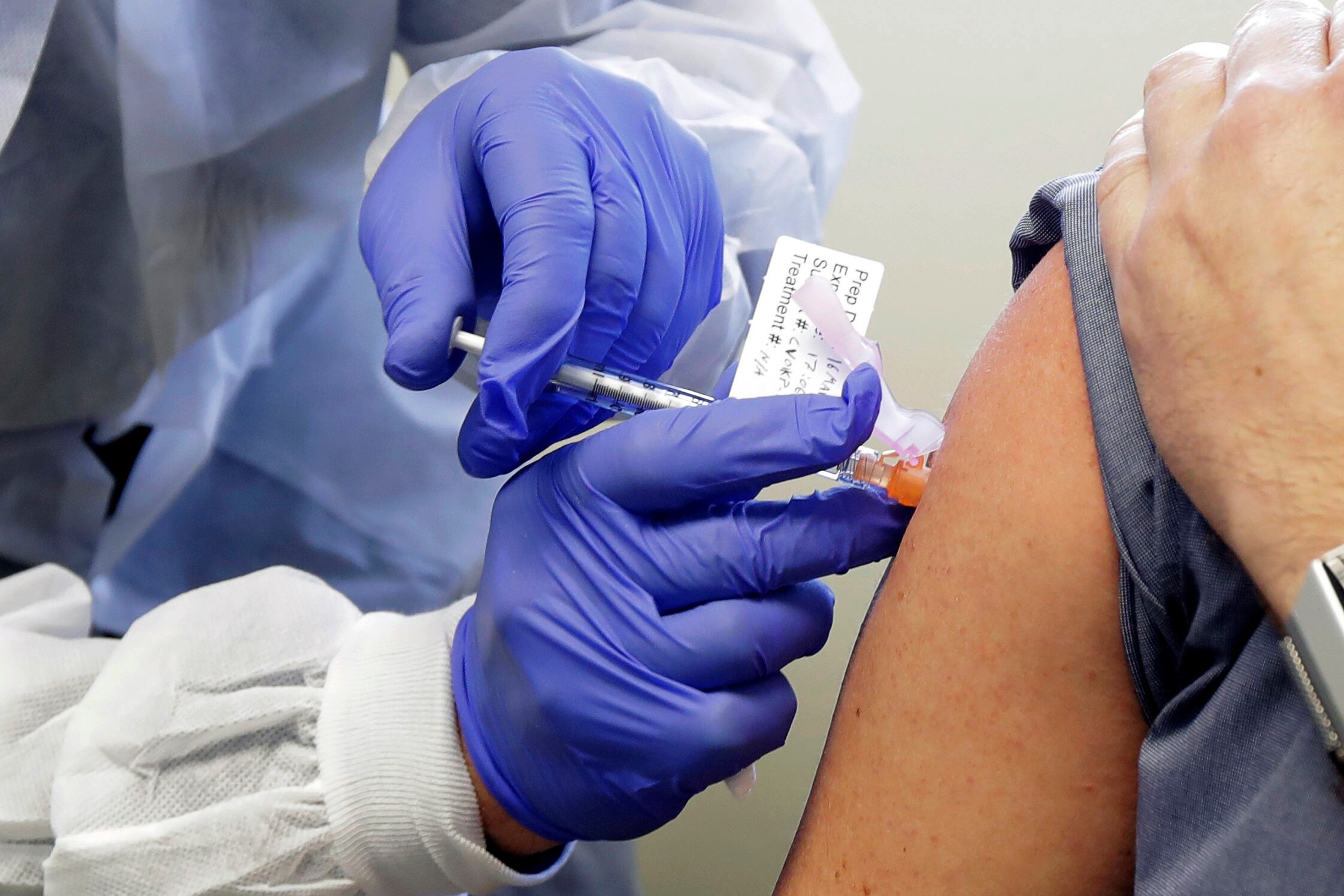
Early-stage testing showed the first COVID-19 vaccine tested in the U.S. revved up people’s immune systems the way scientists had hoped.
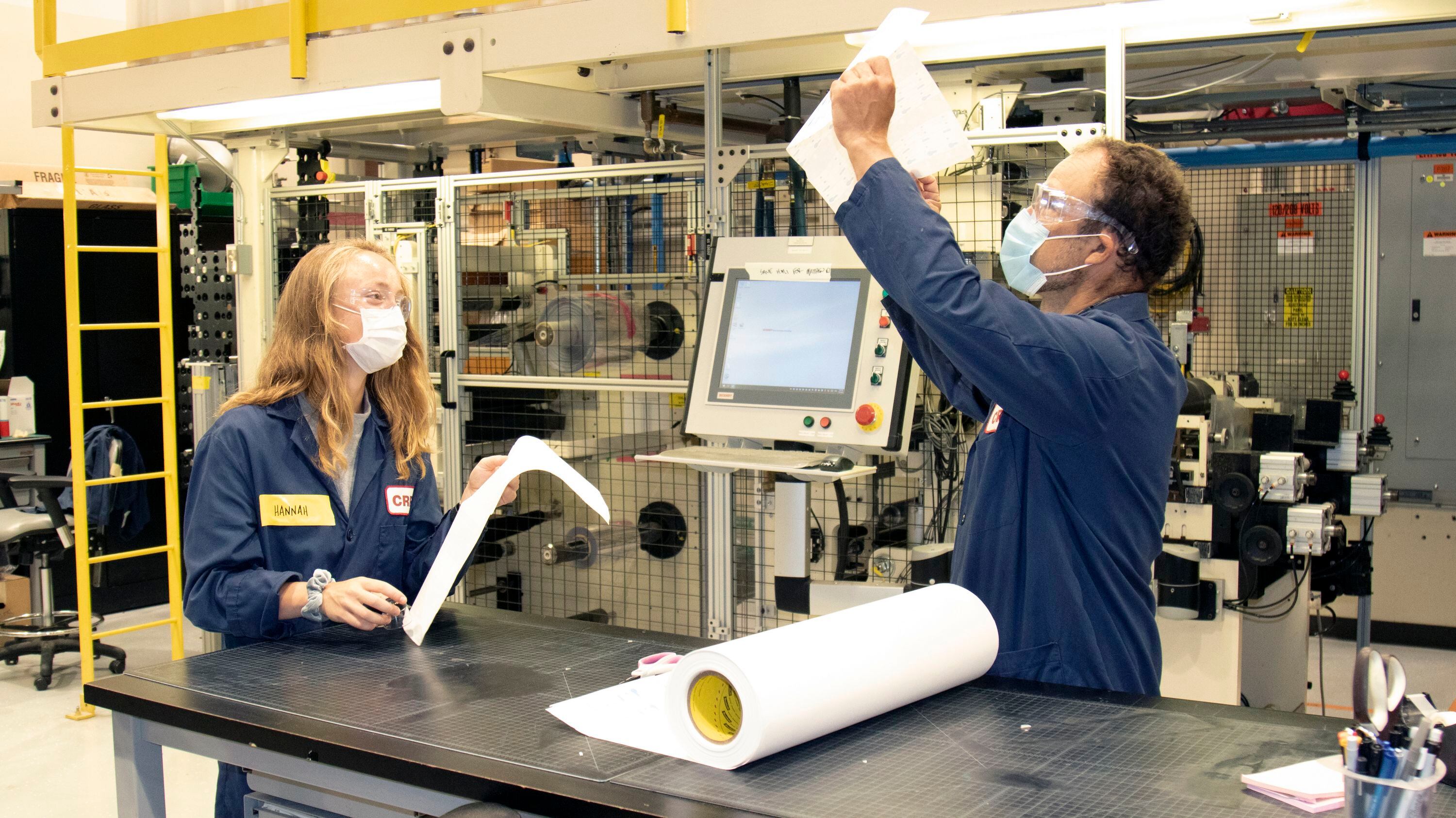
In partnership with MIT, 3M is in the early stages of developing a rapid COVID-19 test. Dr. John Banovetz, chief technology officer at 3M, said the est would yield results in 15 minutes.
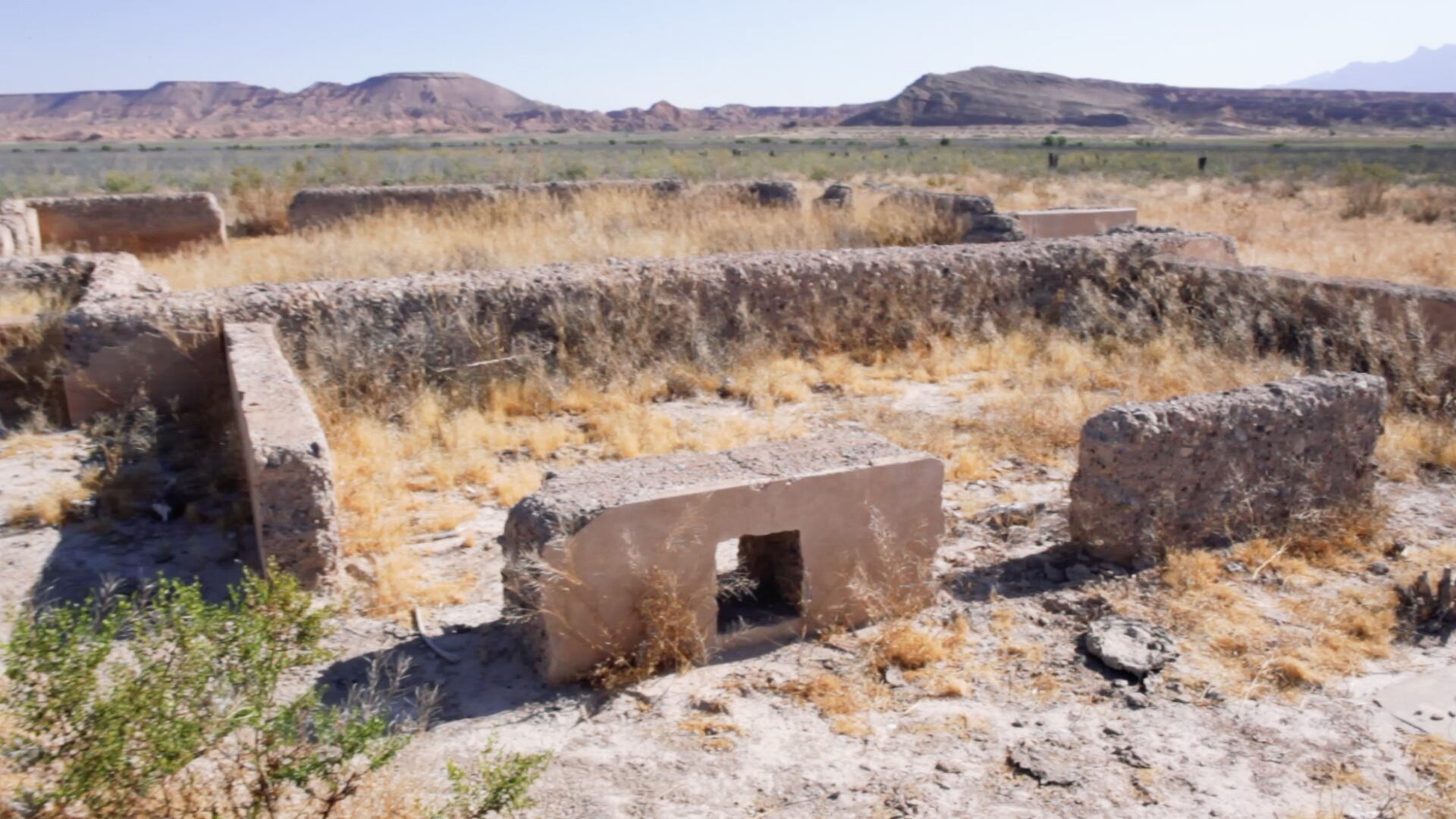
Millions of people thrive in the American West’s deserts today, but not every is thriving. You’ve probably heard of droughts and wildfires in California, of groundwater drying up in Arizona, and of entire communities, like those on the Navajo Nation, that have been left without running water. The region is finally coming to terms with decades of infrastructure projects, coupled with using more water than nature can provide, as the threat of climate change moves in. Cheddar explains why the American West is running out of water.
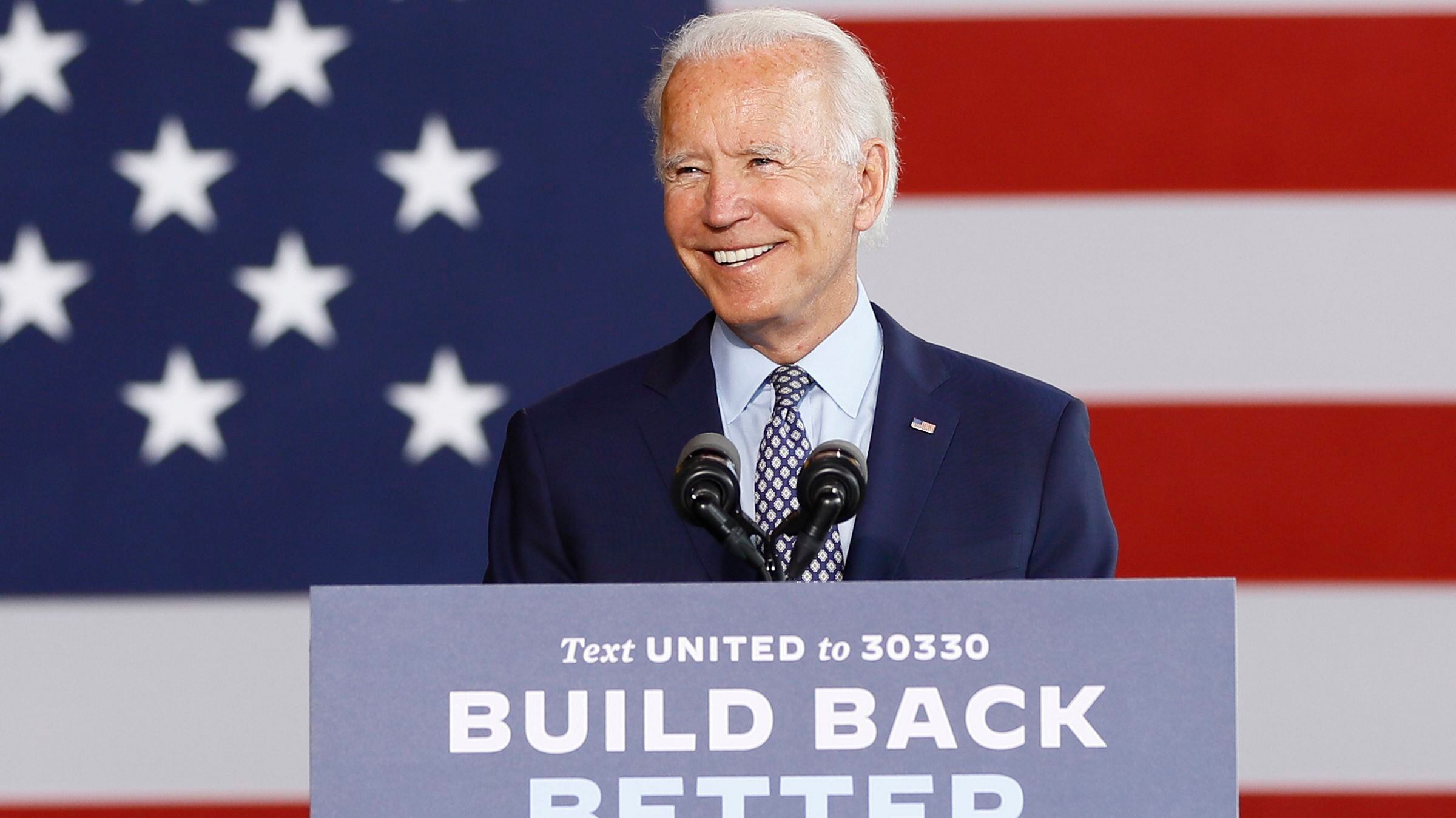
Joe Biden released a plan Tuesday aimed at combating climate change and spurring economic growth in part by overhauling America’s energy industry.
Burger King has rebalanced the diet of some of the cows by adding lemon grass in a bid to limit bovine contributions to climate change.
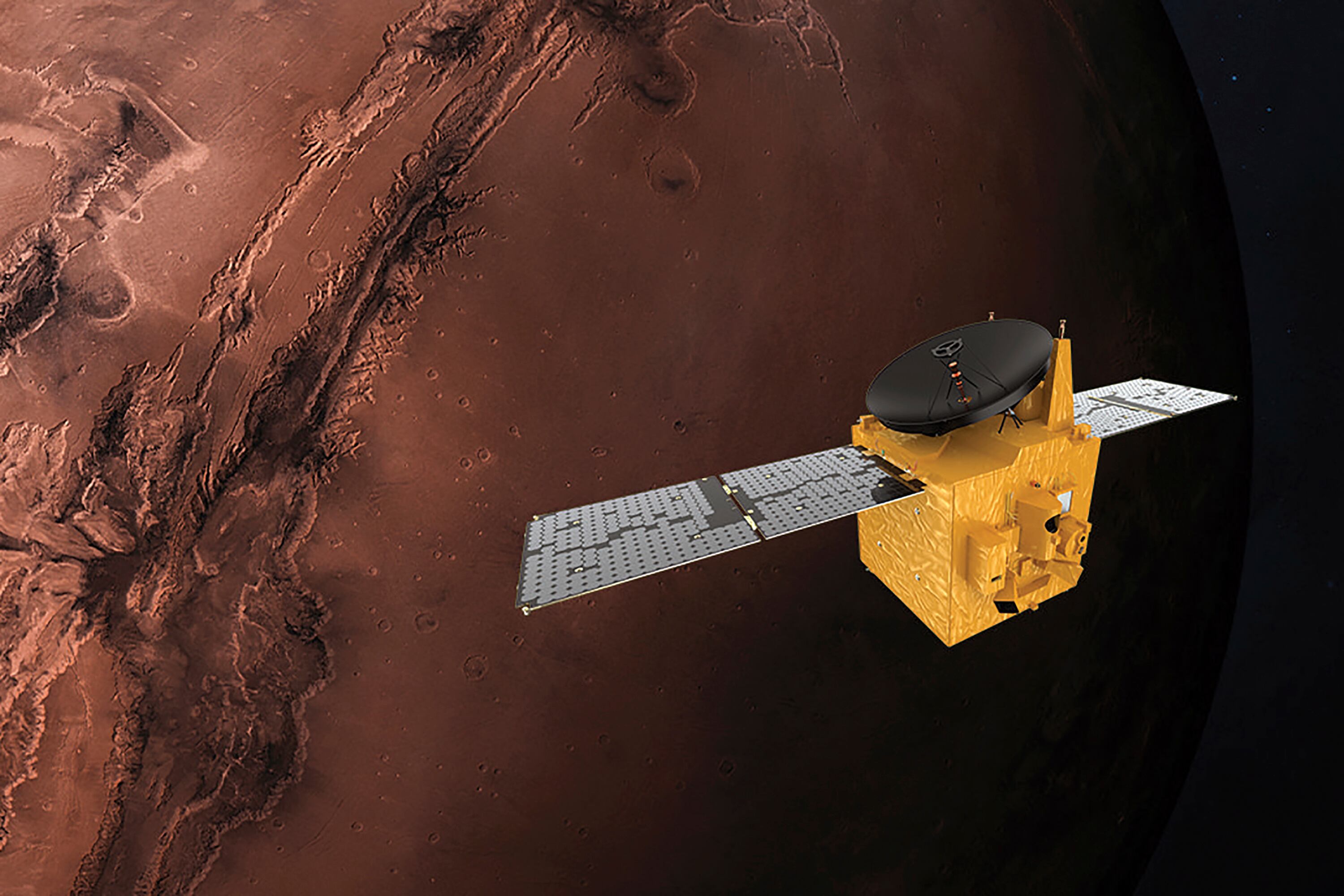
Hope is set to reach Mars in February 2021, the year the UAE celebrates 50 years since its formation. Two other Mars missions are planned in coming days by the U.S. and China.
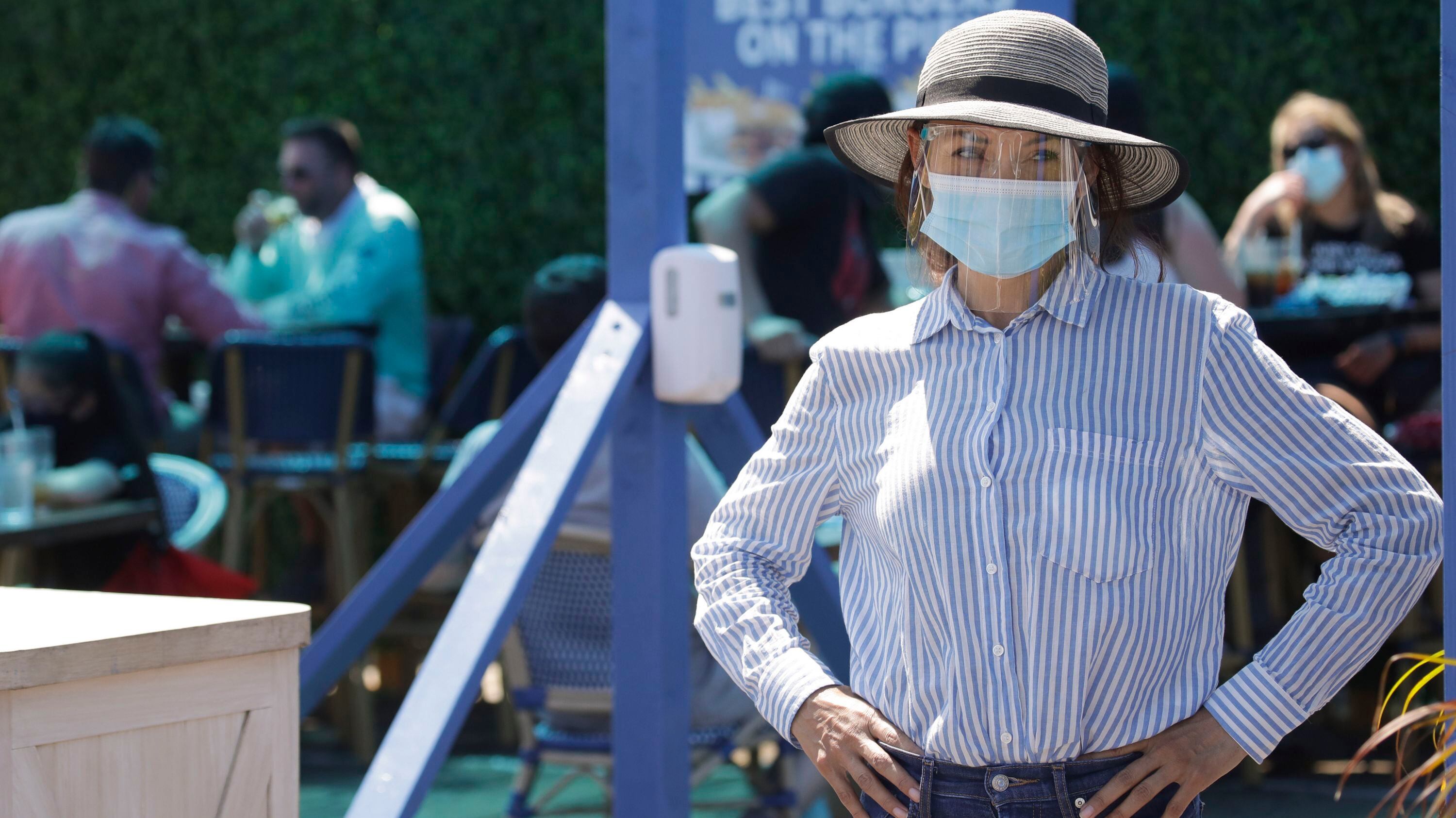
California Gov. Gavin Newsom has extended the closure of bars and indoor dining statewide and has ordered gyms, churches and hair salons closed in most places as coronavirus cases keep rising.
The United States is grappling with the worst coronavirus outbreak in the world, as Florida shattered the national record for a state’s largest single-day increase in new confirmed cases with a reported 15,299.
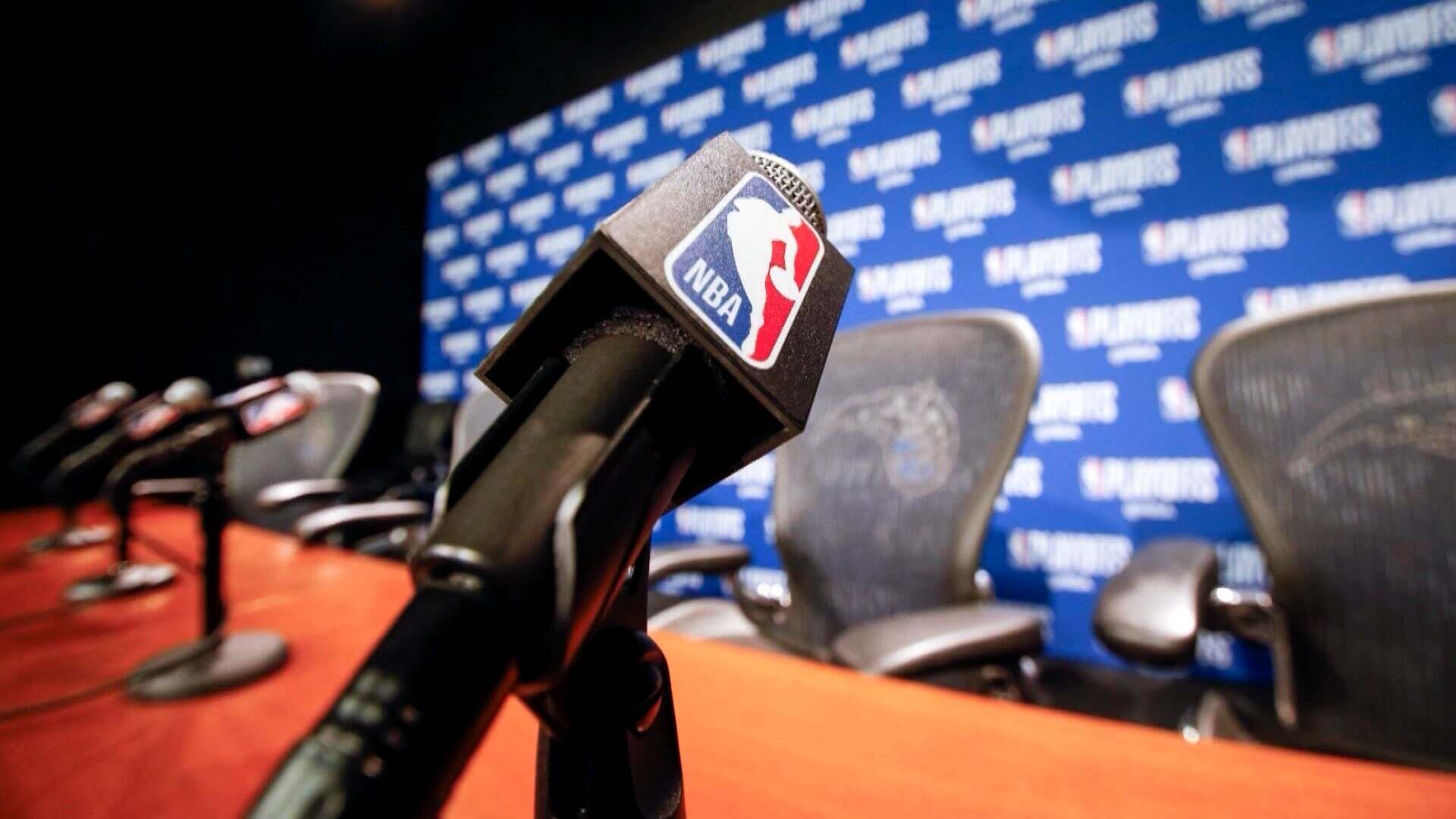
As the NBA gears up to resume gameplay in Orlando, Dr. Priya Sampathkumar, consultant of infectious diseases at the Mayo Clinic, said the league could be a model for other sports and businesses to return to operations as we fight against coronavirus.
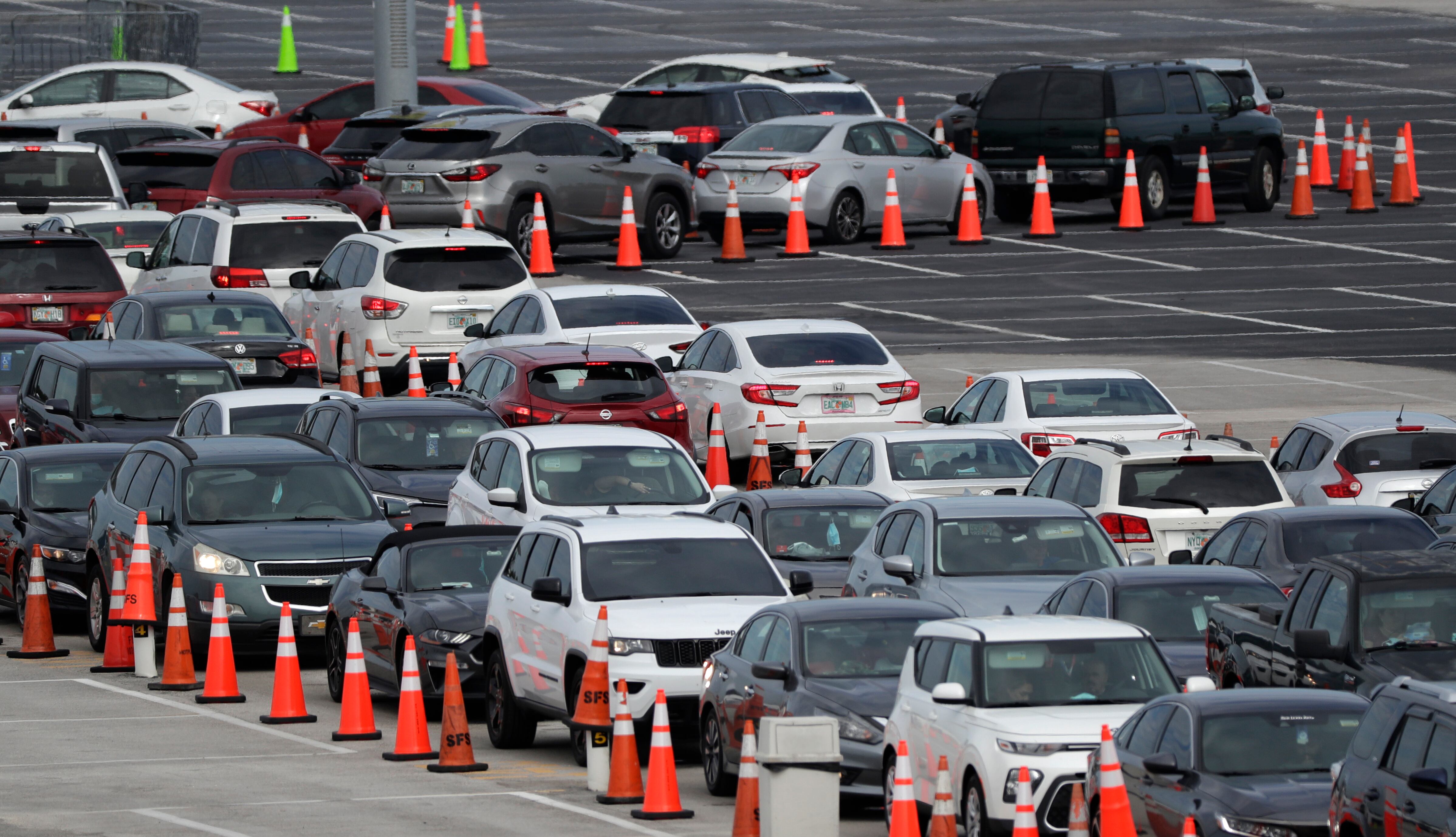
Four months, three million confirmed infections and over 130,000 deaths into the U.S. coronavirus outbreak, Americans are facing long lines at testing sites and going a week or more without receiving a diagnosis.