By Marcia Dunn
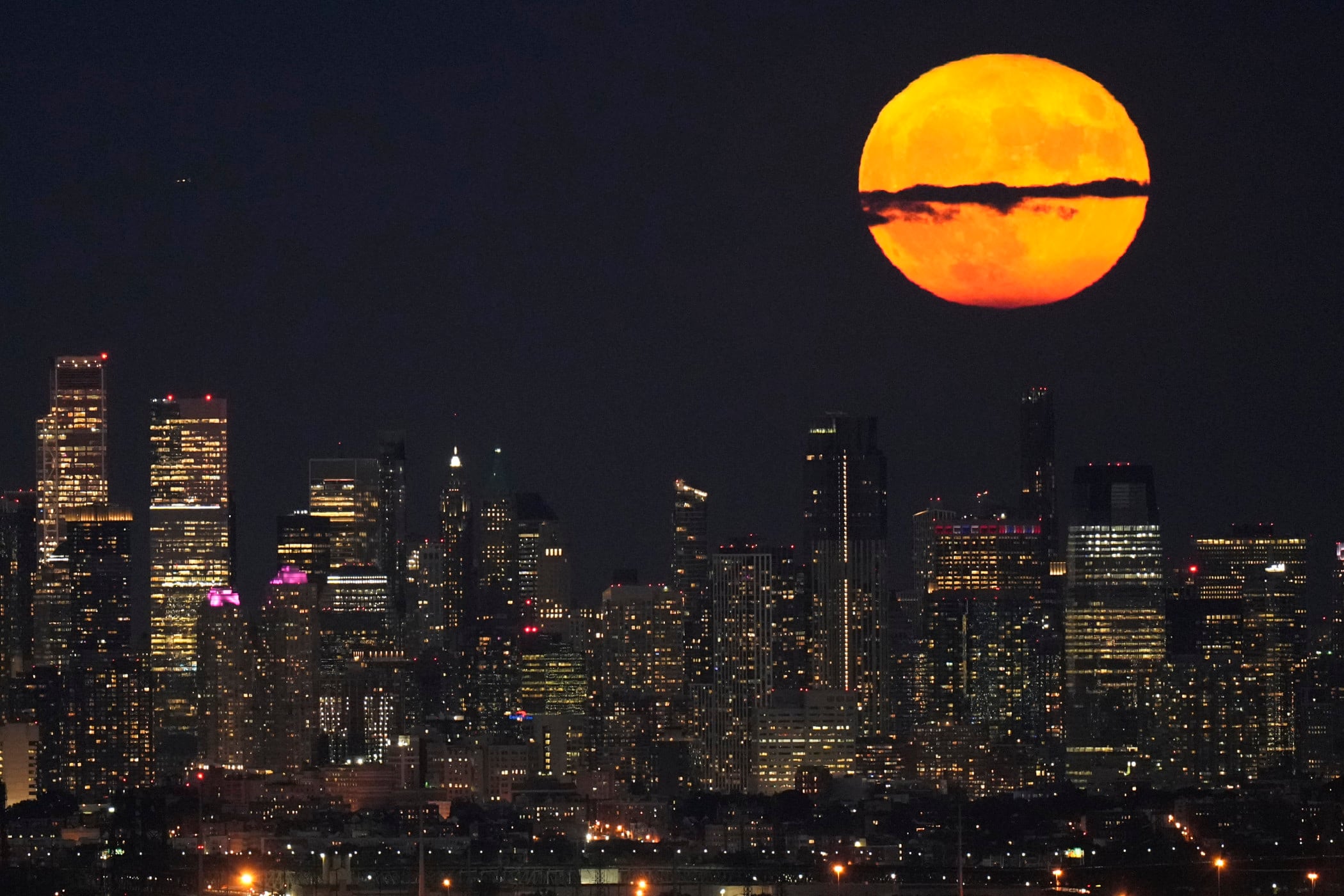
Stargazers are in for a double treat on Aug. 30: a rare blue supermoon with Saturn peeking from behind.
The cosmic curtain rises Wednesday night with the second full moon of the month, the reason it’s considered blue. It’s dubbed a supermoon because it’s closer to Earth than usual, appearing especially big and bright.
This will be the closest full moon of the year, just 222,043 miles (357,344 kilometers) or so away. That’s more than 100 miles (160 kilometers) closer than the Aug. 1 supermoon.
As a bonus, Saturn will be visible as a bright point 5 degrees to the upper right of the moon at sunset in the east-southeastern sky, according to NASA. The ringed planet will appear to circle clockwise around the moon as the night wears on.
If you missed the month’s first spectacle, better catch this one. There won’t be another blue supermoon until 2037, according to Italian astronomer Gianluca Masi, founder of the Virtual Telescope Project.
Clouds spoiled Masi's attempt to livestream the supermoon rising earlier this month. He’s hoping for clearer skies this time so he can capture the blue supermoon shining above St. Peter’s Basilica at the Vatican.
Weather permitting, observers don’t need binoculars or telescopes — “just their own eyes." said Masi.
“I’m always excited to admire the beauty of the night sky,” he said, especially when it features a blue supermoon.
The first supermoon of 2023 was in July. The fourth and last will be in September.
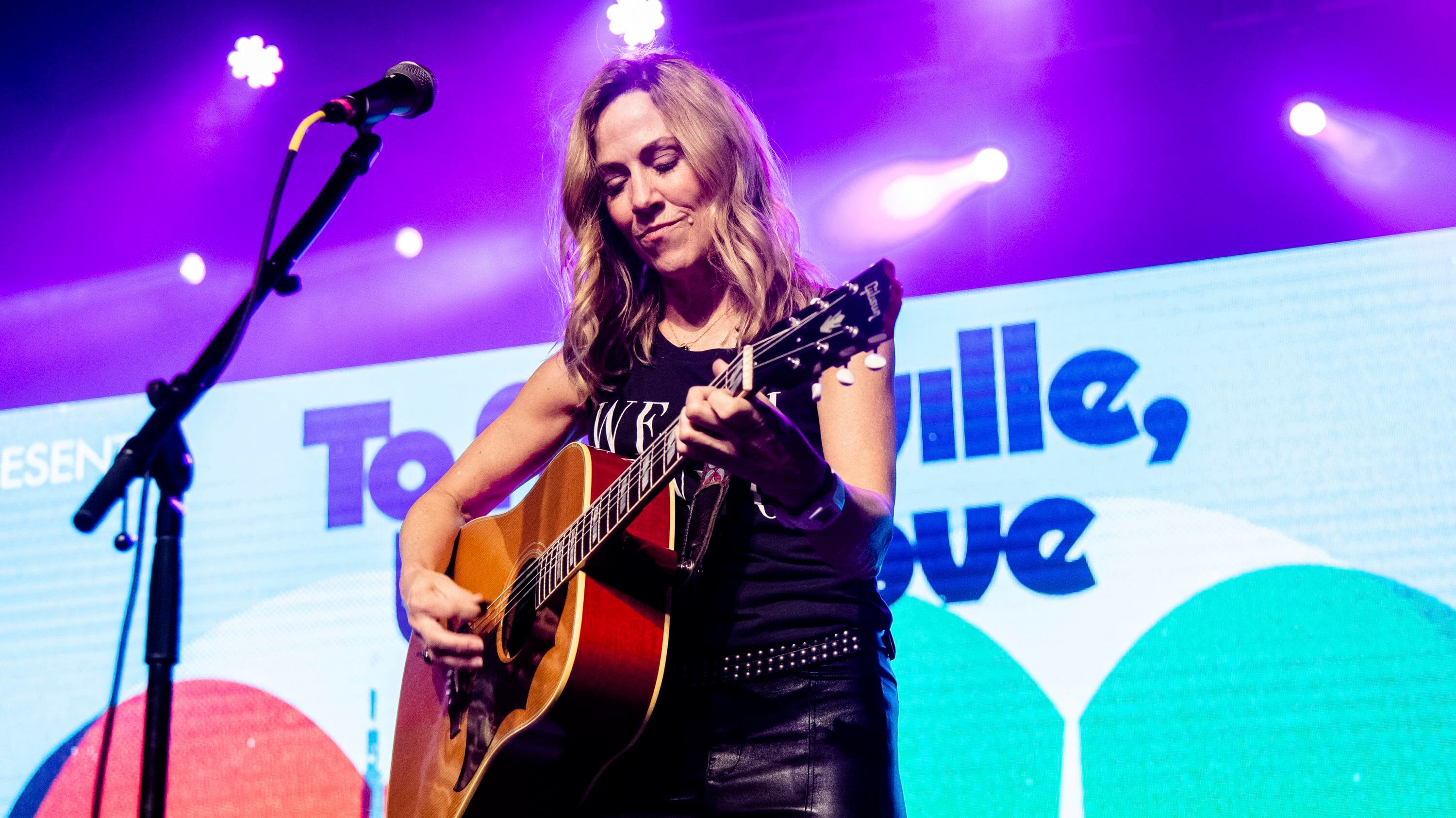
As breast cancer awareness month approaches, singer Sherly Crow dives into her personal experience with surviving the disease. Cheddar was also joined by Dr. DaCarla Albright, who emphasized the importance of annual mammogram screenings.
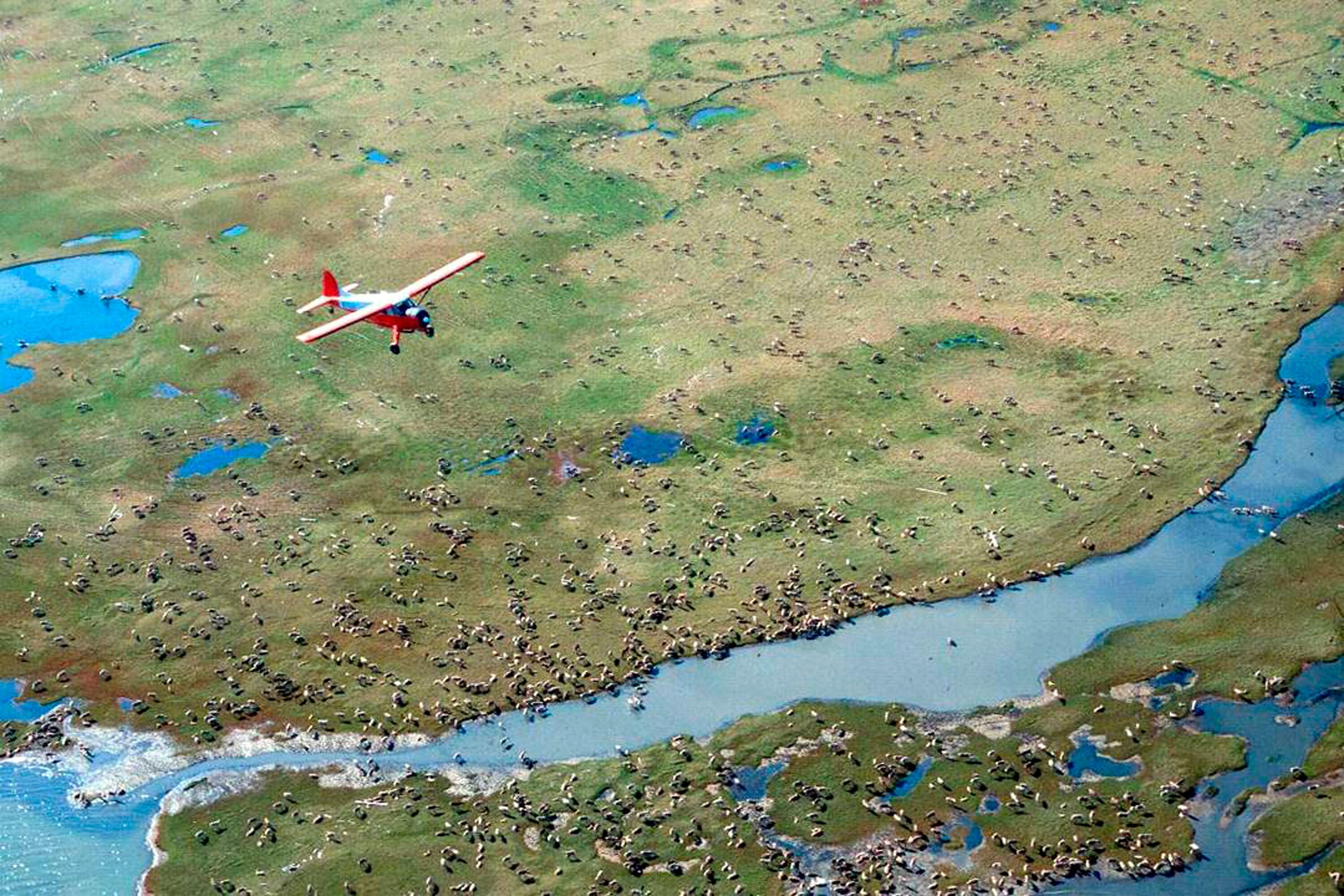
The Department of the Interior has approved an oil and gas leasing program within Alaska’s Arctic National Wildlife Refuge.
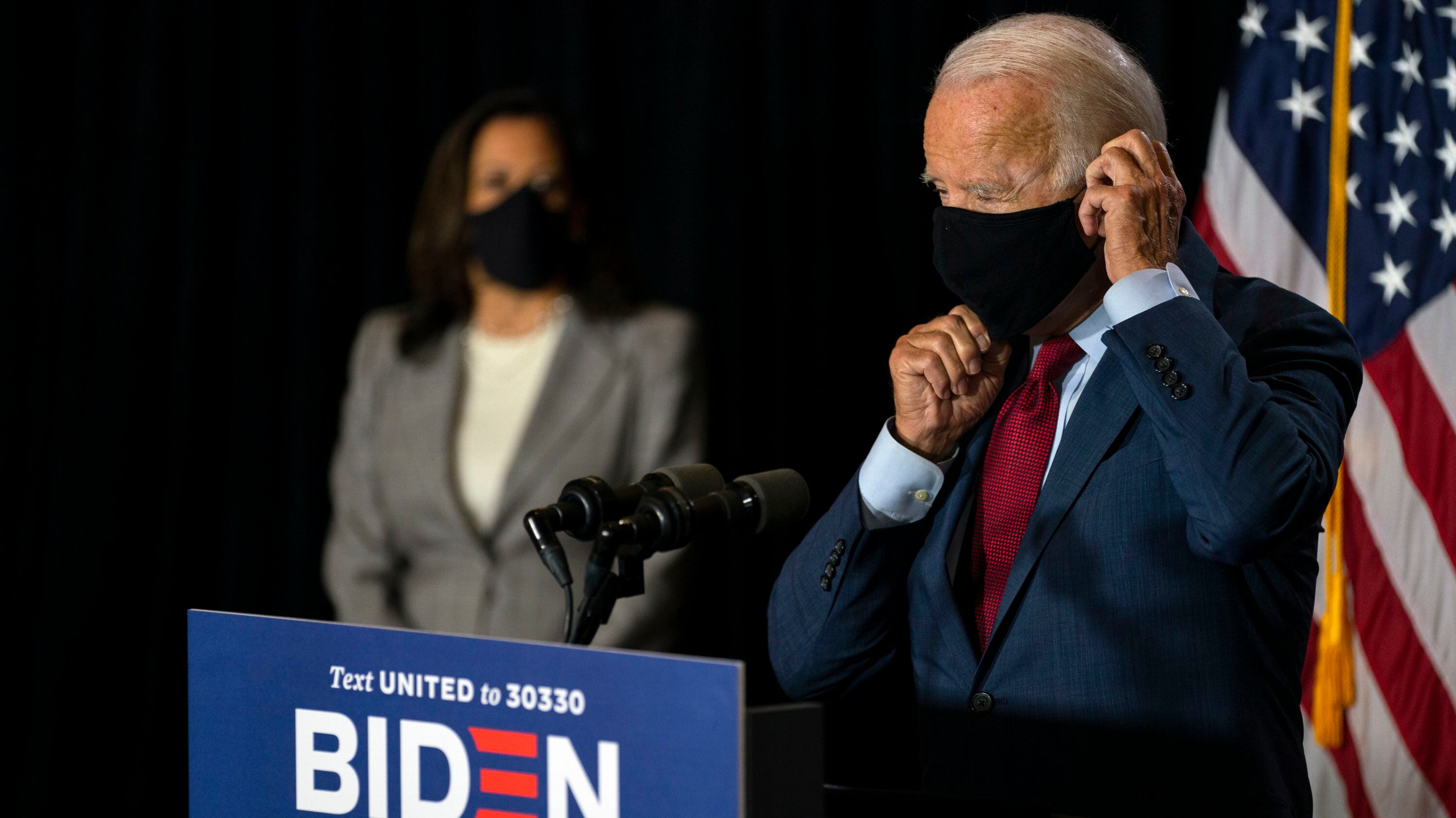
Joe Biden is calling for a nationwide mask mandate, citing health experts’ predictions that it could save 40,000 lives over the next three months.
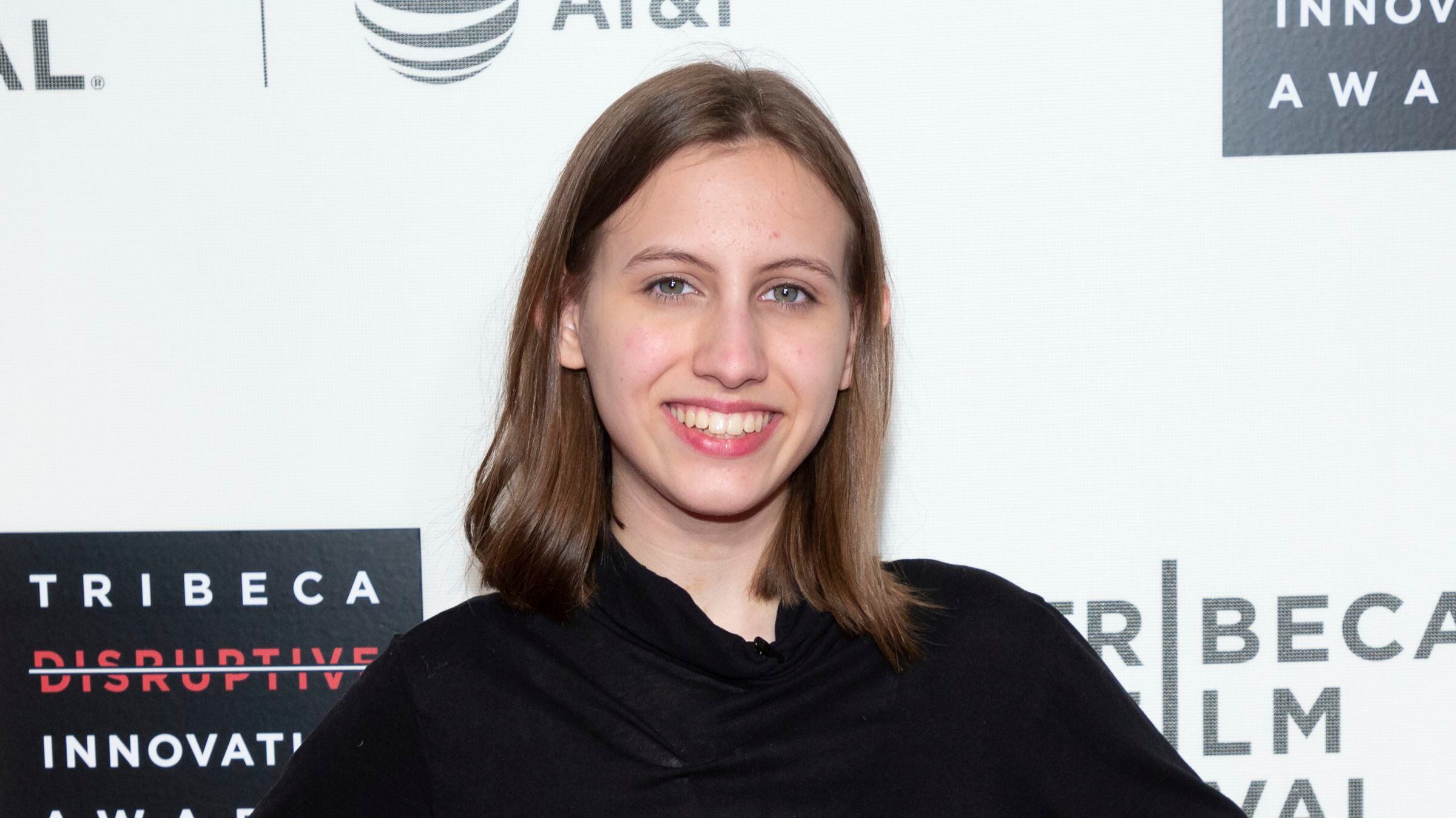
Young people across the world are uniting, calling on policymakers to adress the climate crisis. 15-year-old Alexandria Villasenor, founder of Earth Uprising, talks launching the movement and an upcoming partnership with GAP Kids on a virtual rally, encouraging the youth to make their voices heard about issues they want fixed.
CuriosityStream CEO, Clint Stinchcomb, talks about the company's plan to go public as it expands its global reach and also explains what sets his platform apart from others.
Russia has become the first country to approve a coronavirus vaccine for use among tens of thousands of its citizens.
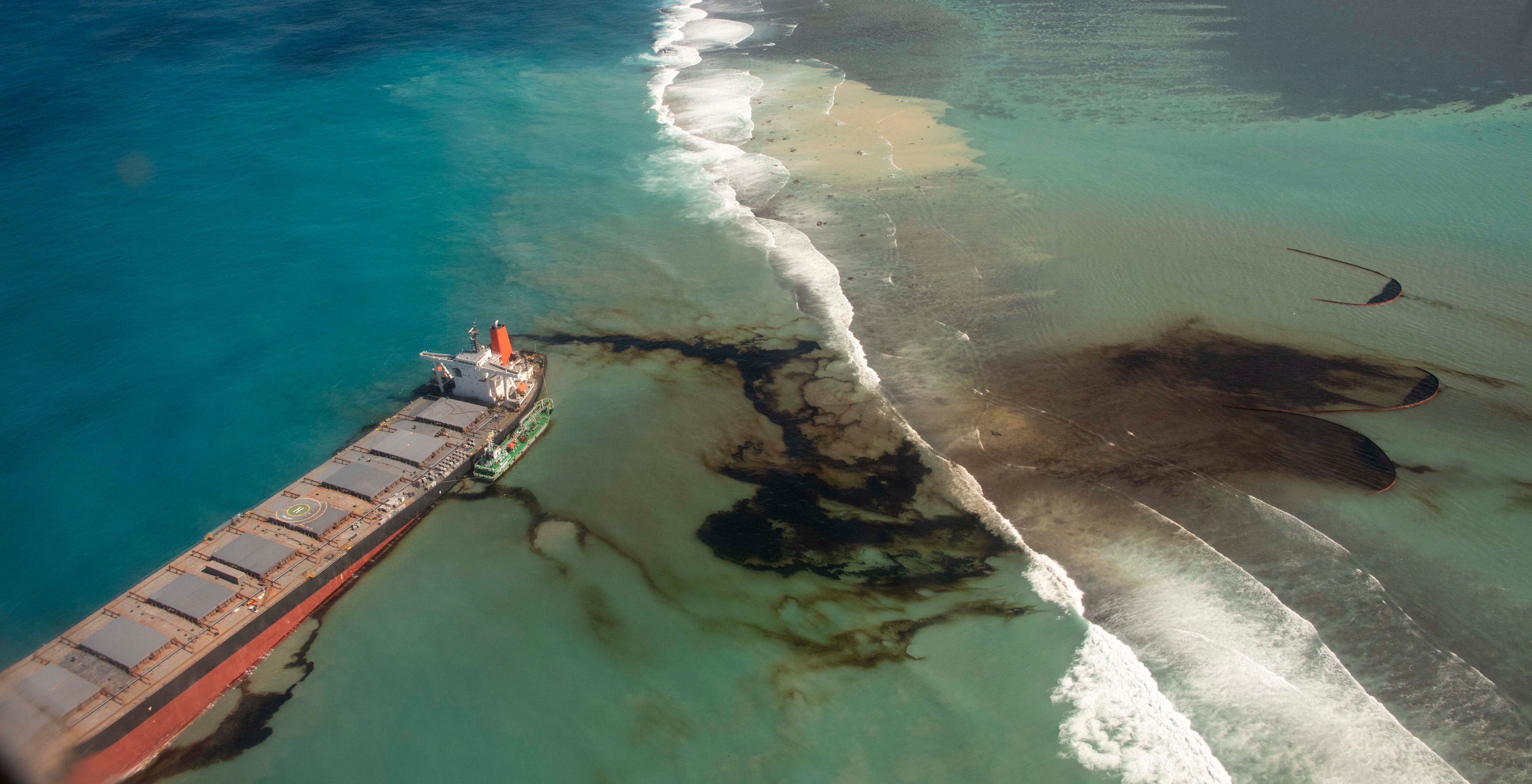
Efforts have intensified in Mauritius to empty a stranded Japanese ship of an estimated 2,500 tons of oil before the vessel breaks up and contaminates the island’s Indian Ocean coastline.
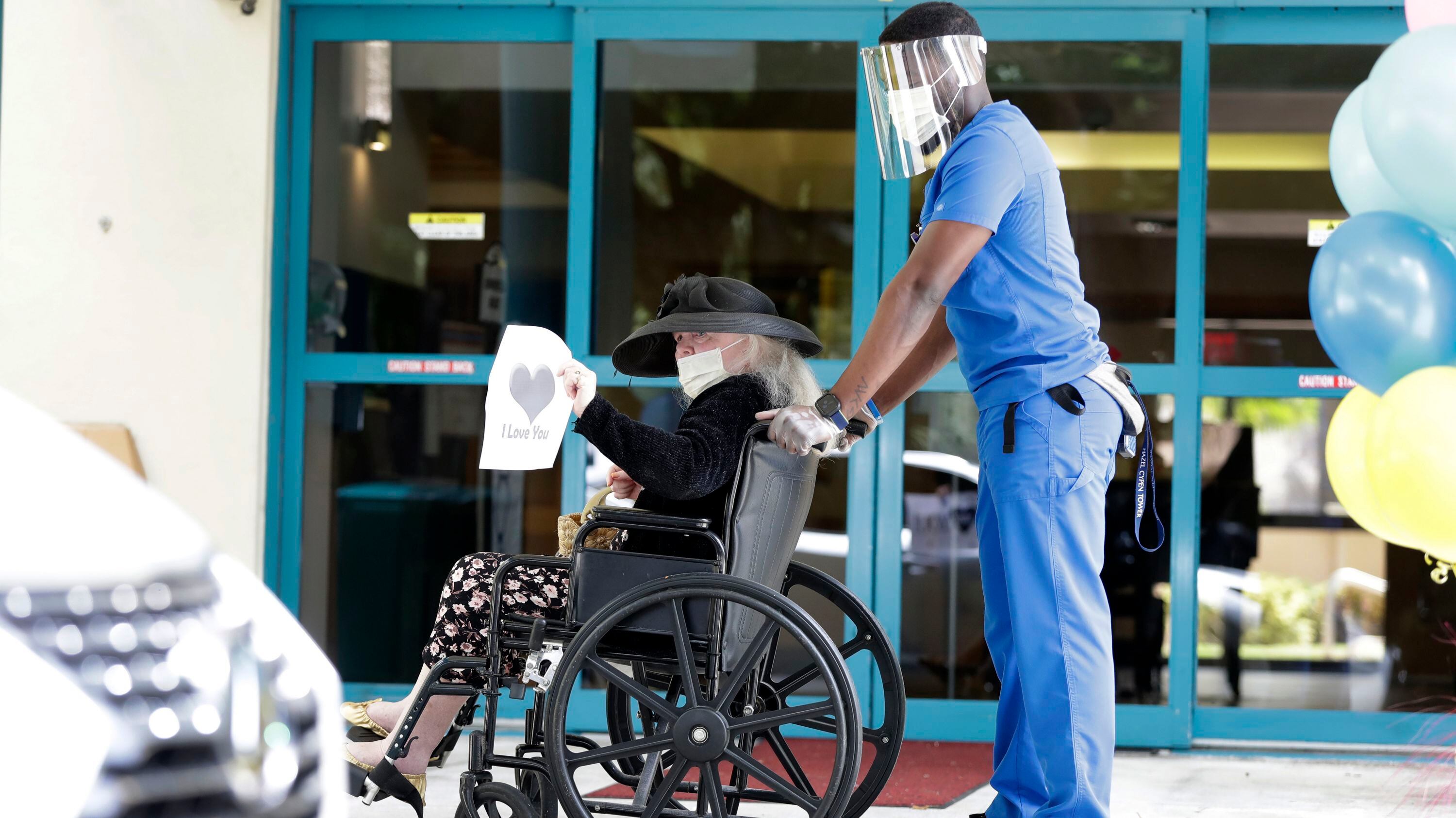
With coronavirus affecting the senior population particularly hard, pharmaceutical company, Eli Lilly, is developing an COVID-19 antibody treatment meant to protect aging senior, particularly those in assisted living facilities.
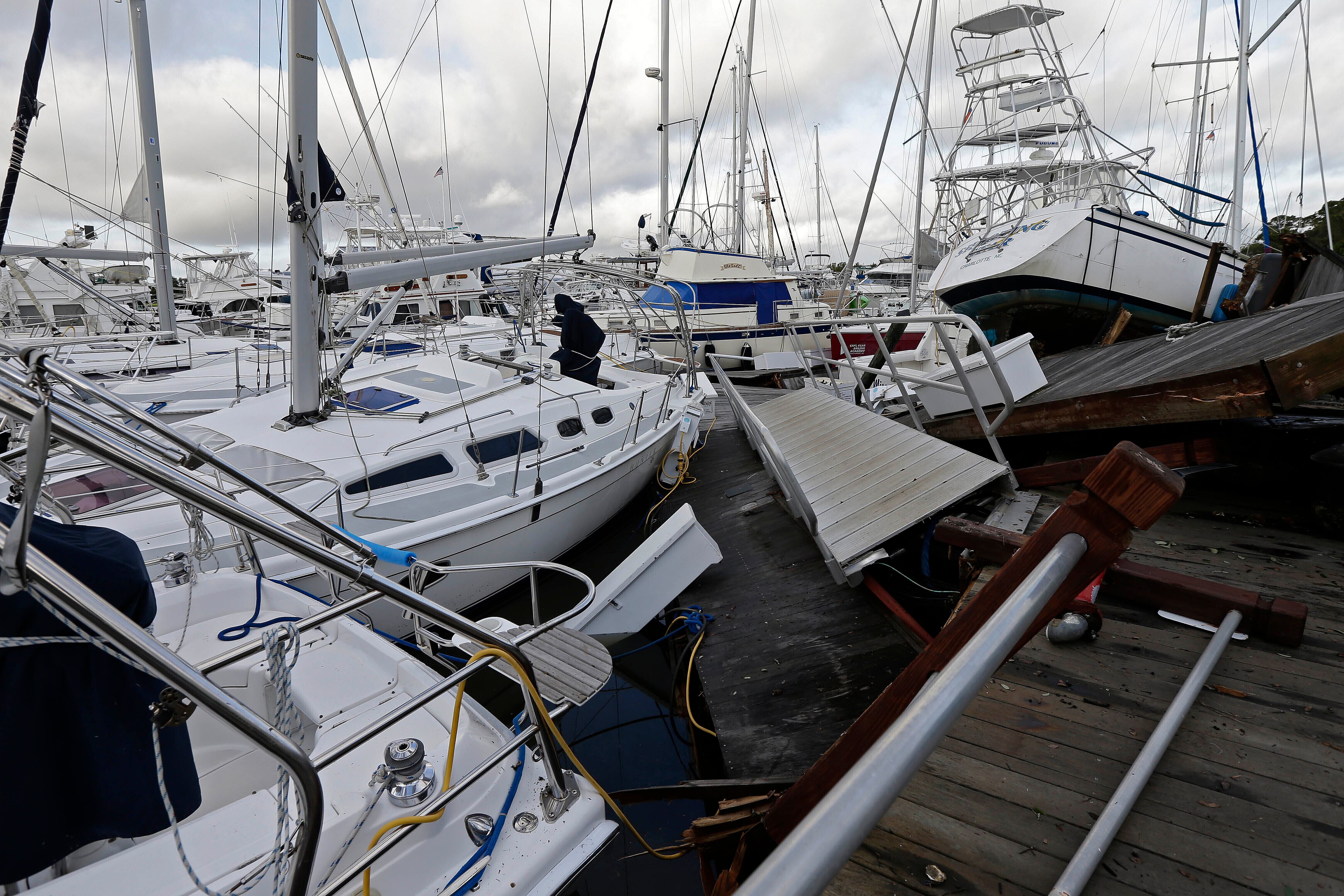
The National Oceanic and Atmospheric Administration Thursday increased its forecast for the number of named storms, hurricanes and major hurricanes this year to far above normal.
U.S. testing for the coronavirus is dropping even as infections remain high and the death toll rises by more than 1,000 a day.