By Marcia Dunn
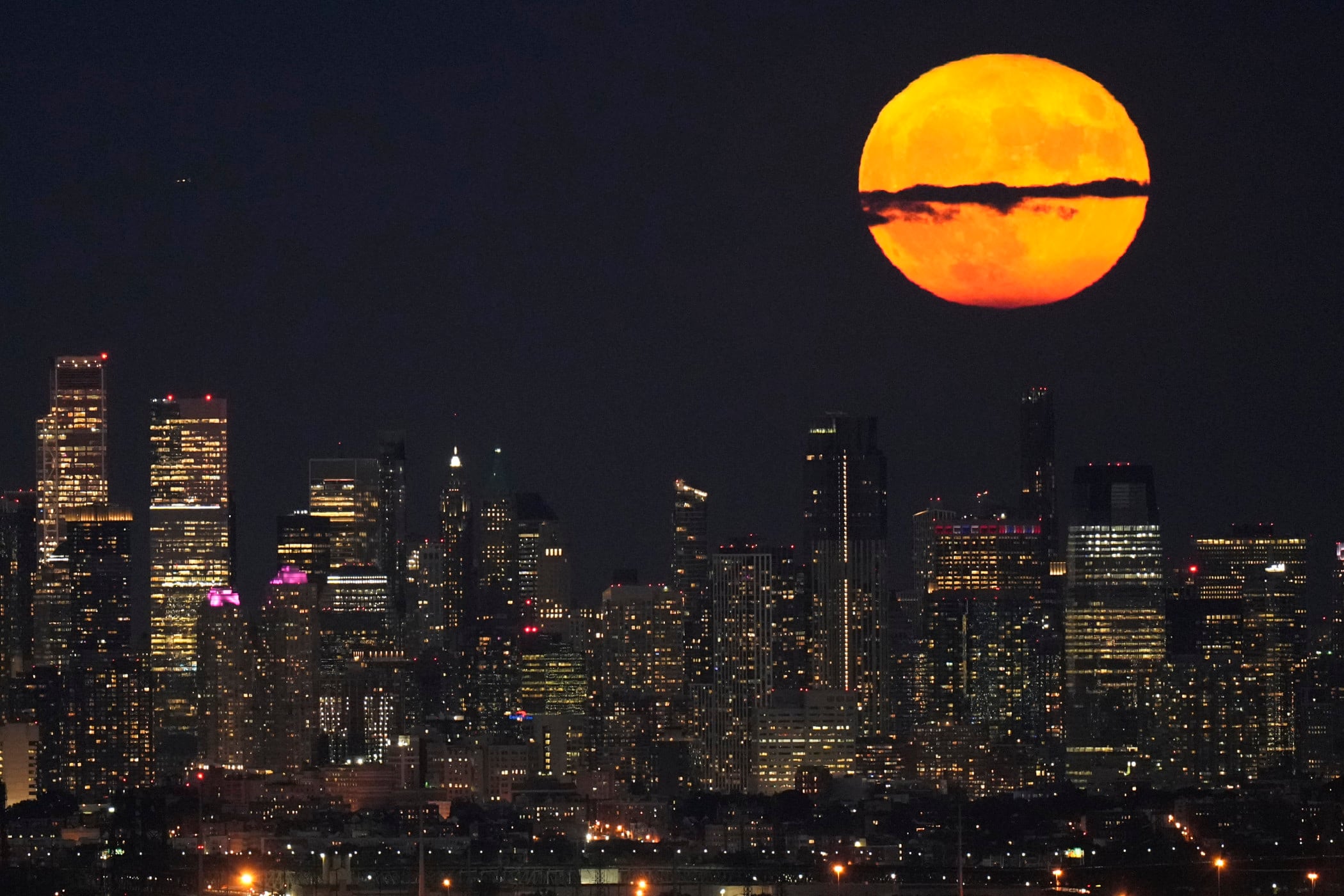
Stargazers are in for a double treat on Aug. 30: a rare blue supermoon with Saturn peeking from behind.
The cosmic curtain rises Wednesday night with the second full moon of the month, the reason it’s considered blue. It’s dubbed a supermoon because it’s closer to Earth than usual, appearing especially big and bright.
This will be the closest full moon of the year, just 222,043 miles (357,344 kilometers) or so away. That’s more than 100 miles (160 kilometers) closer than the Aug. 1 supermoon.
As a bonus, Saturn will be visible as a bright point 5 degrees to the upper right of the moon at sunset in the east-southeastern sky, according to NASA. The ringed planet will appear to circle clockwise around the moon as the night wears on.
If you missed the month’s first spectacle, better catch this one. There won’t be another blue supermoon until 2037, according to Italian astronomer Gianluca Masi, founder of the Virtual Telescope Project.
Clouds spoiled Masi's attempt to livestream the supermoon rising earlier this month. He’s hoping for clearer skies this time so he can capture the blue supermoon shining above St. Peter’s Basilica at the Vatican.
Weather permitting, observers don’t need binoculars or telescopes — “just their own eyes." said Masi.
“I’m always excited to admire the beauty of the night sky,” he said, especially when it features a blue supermoon.
The first supermoon of 2023 was in July. The fourth and last will be in September.
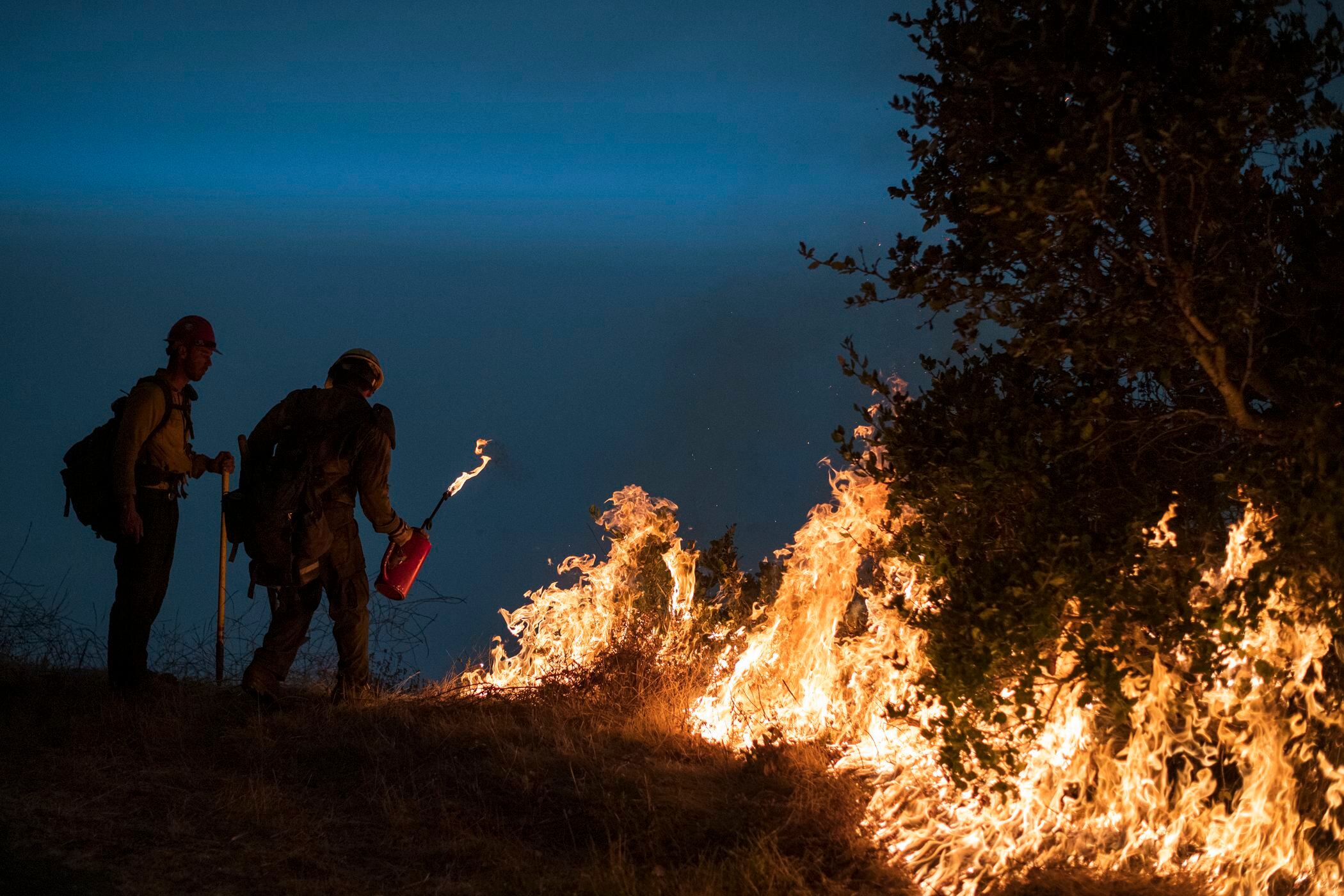
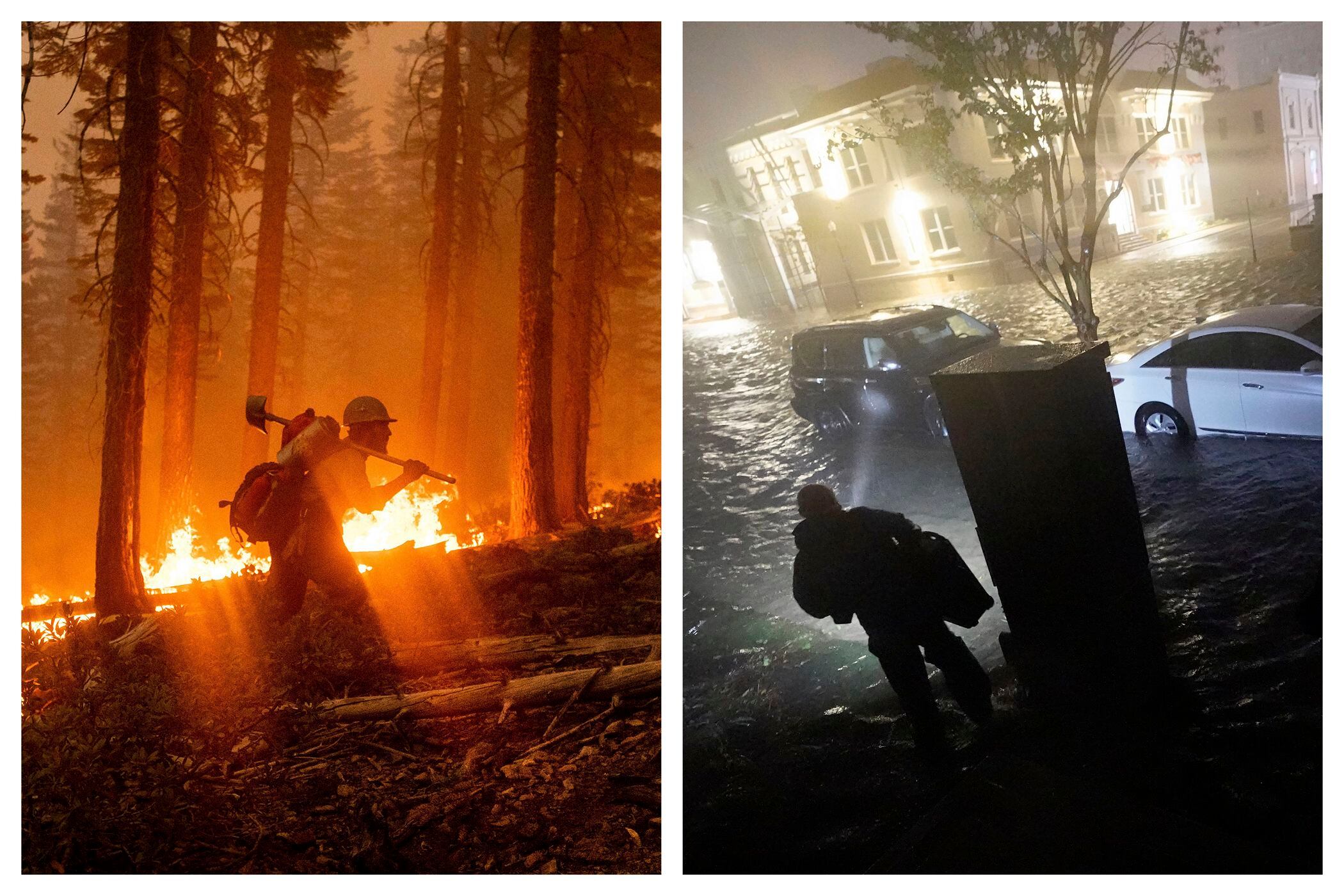
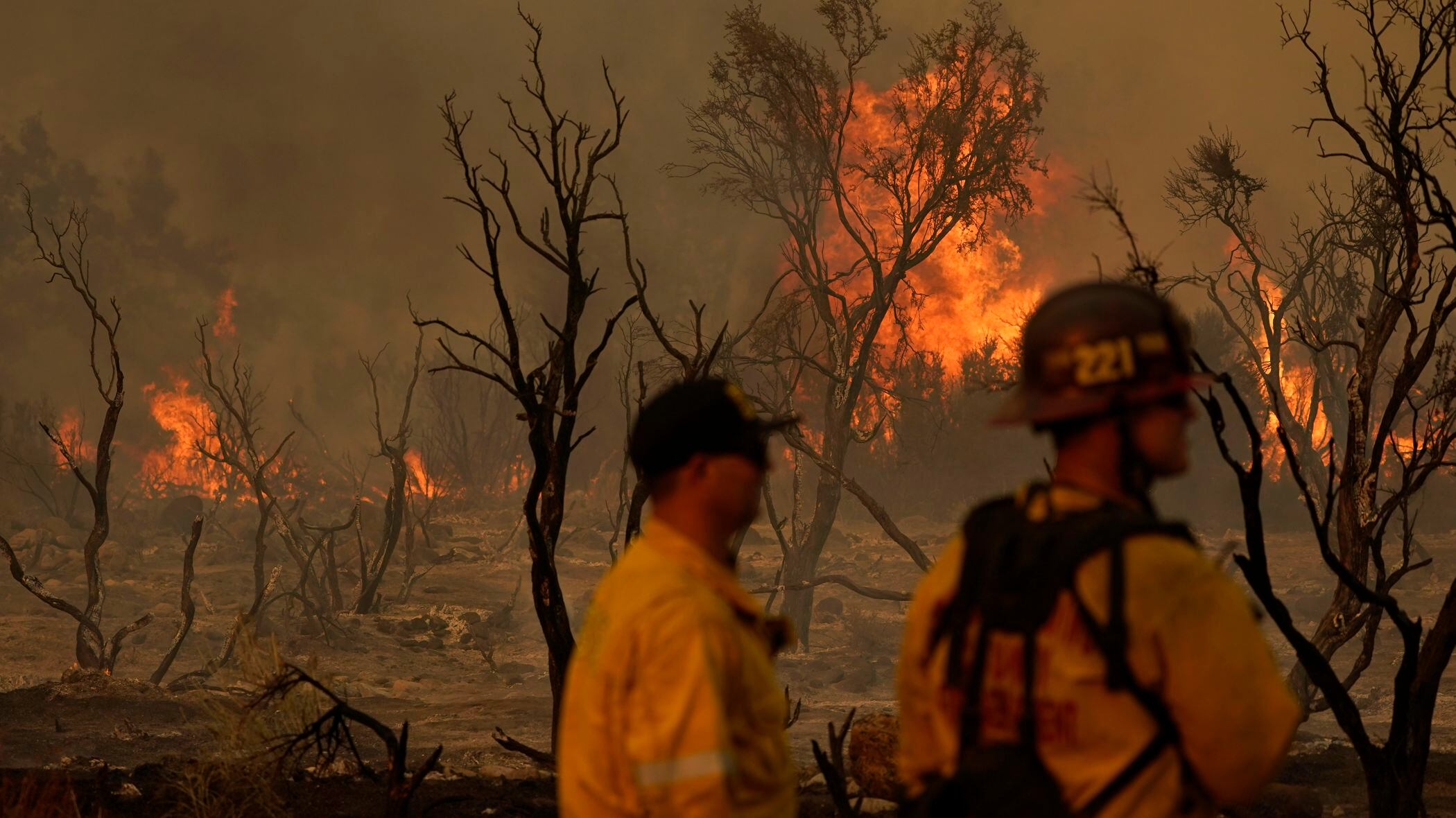
California’s largest wildfire is threatening a marijuana growing enclave and authorities say many of the local residents have refused to evacuate.
From Wall Street to Silicon Valley, these are the top stories that moved markets and had investors, business leaders, and entrepreneurs talking this week on Cheddar.
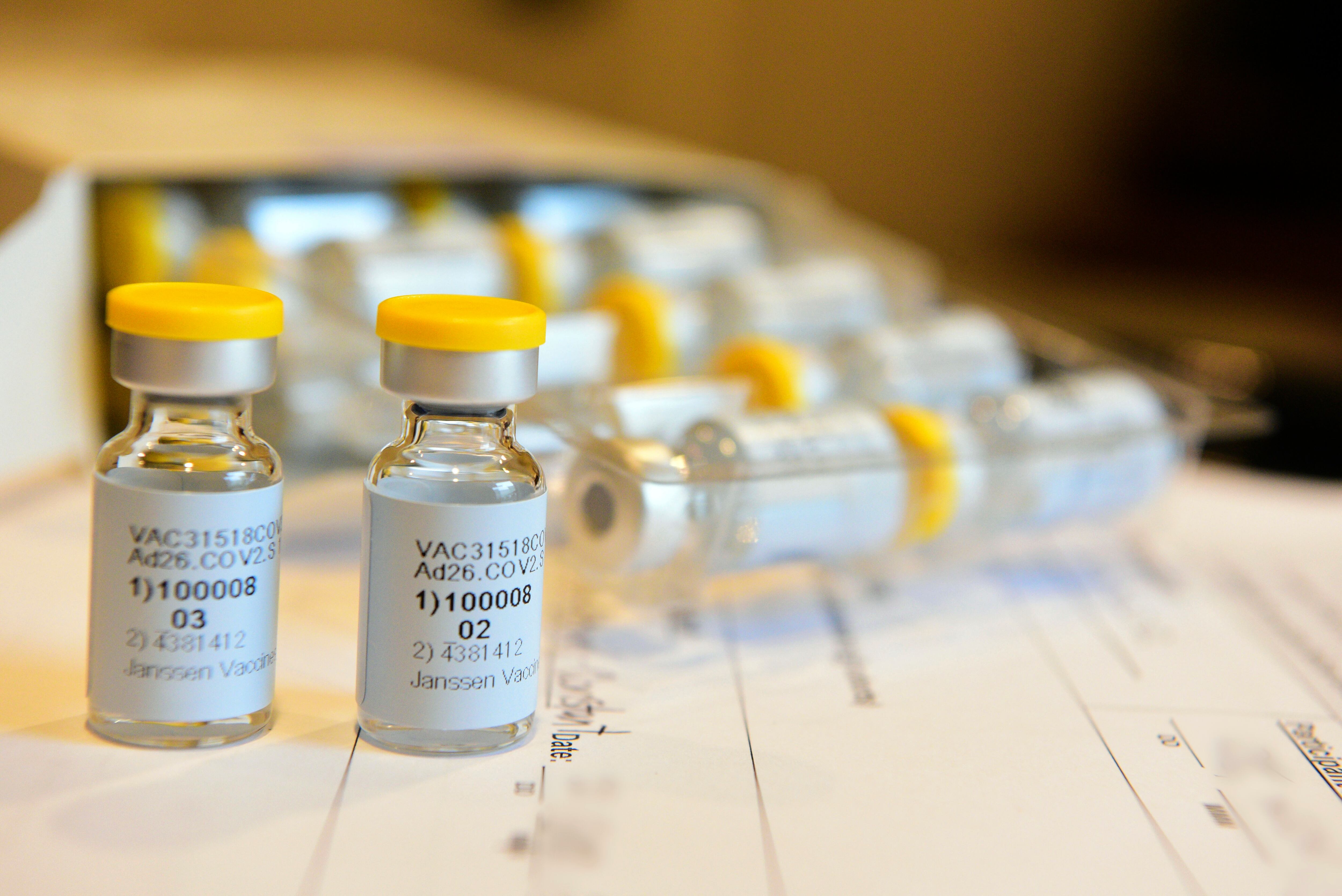
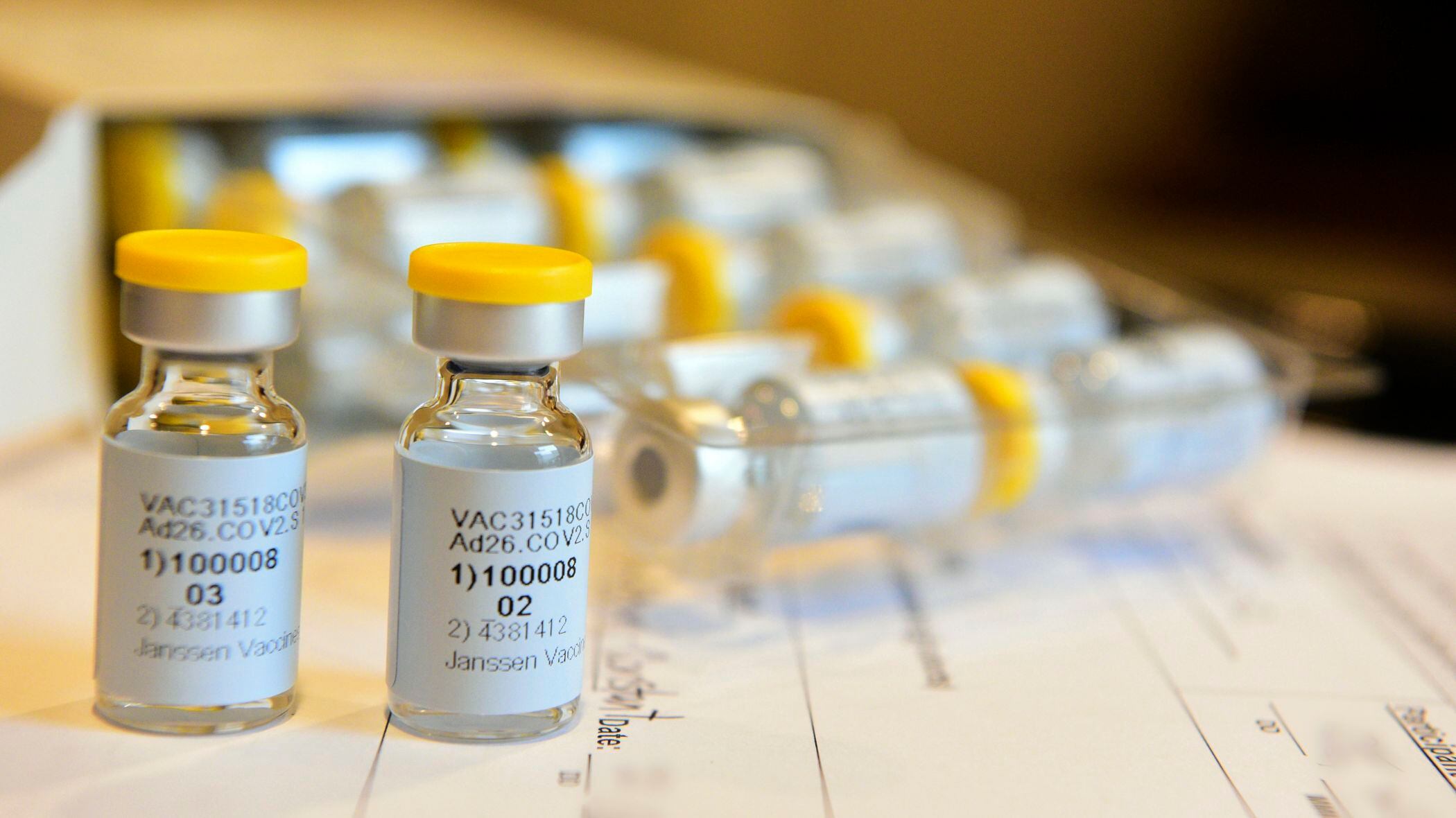
Dr. Paul Stoffels, chief scientific officer at Johnson & Johnson, joined Cheddar to discuss phase three COVID-19 vaccine trials. More than 60,000 people worldwide have volunteered to be part of the study.
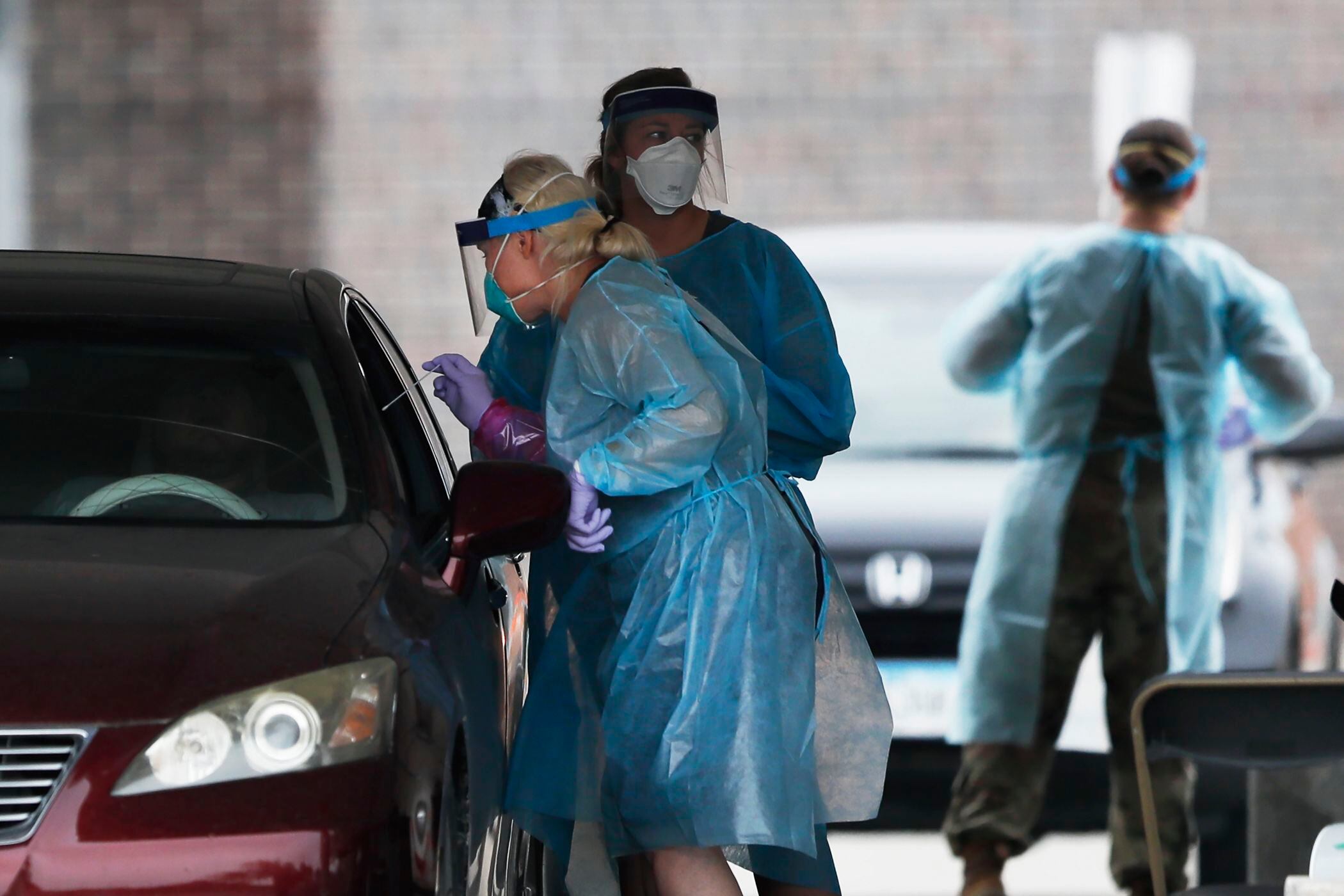
The pandemic is now striking cities with much smaller populations, often in conservative corners of America where anti-mask sentiment runs high.
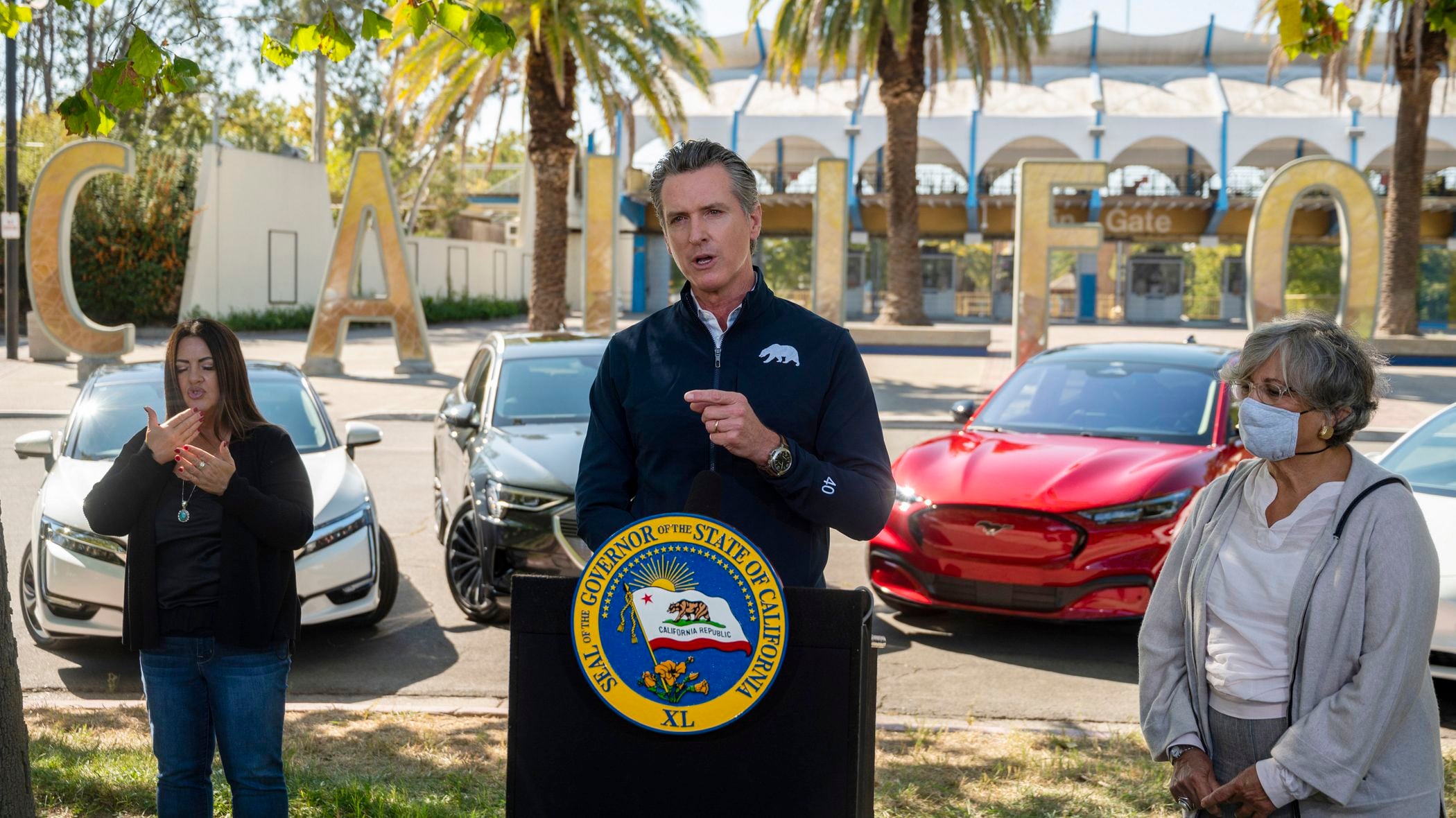
California plans to ban the sale of new gasoline-powered passenger cars and trucks in 15 years.
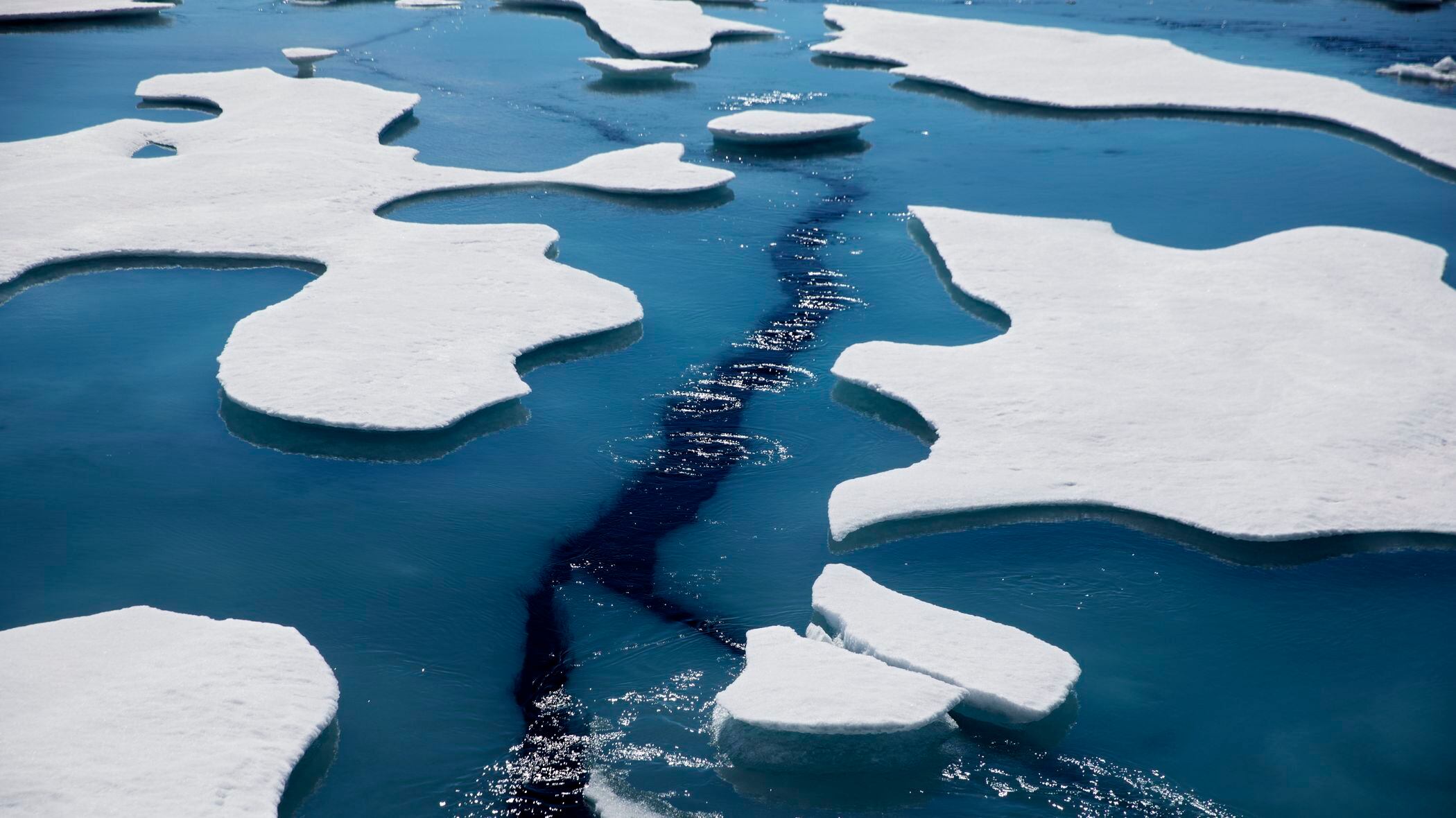
U.S. scientists report that ice in the Arctic Ocean melted to its second lowest level on record this summer.
A huge study of a single-dose COVID-19 vaccine is getting underway as top U.S. health officials seek to assure a skeptical public they can trust any shots the government ultimately approves.
Oregon Senator Jeff Merkley joined Cheddar to discuss Senate Democrats' special committee against the climate crisis. Merkley also addresses President Trump's denial of science and the impacts of climate crisis.
Andrew Wheeler, Administrator of the EPA, joined Cheddar to defend the Trump administration's stance on environmental protections and whether science is taken into account when regulations are put in place.
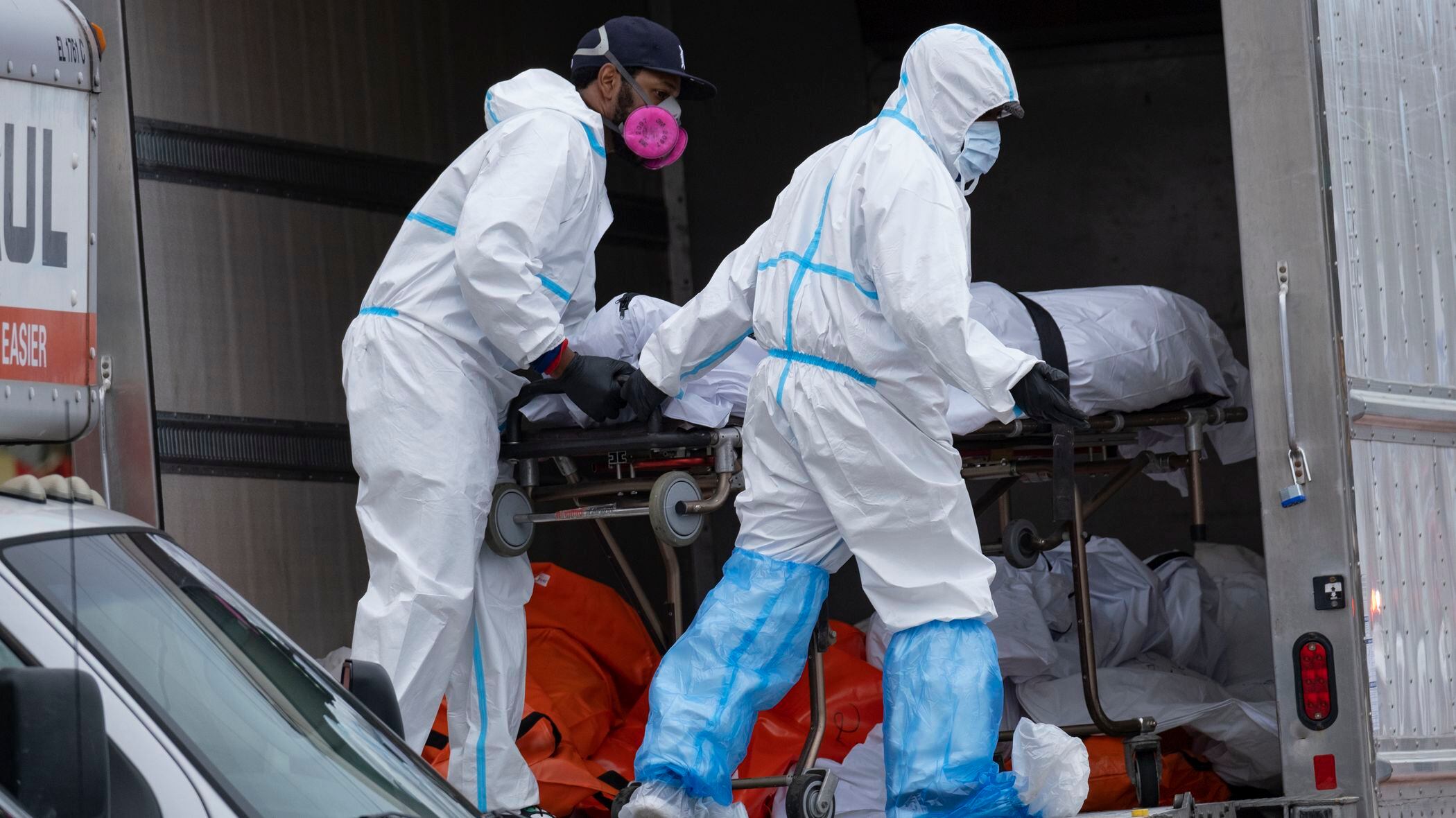
The death toll in the U.S. from the coronavirus has topped 200,000, a figure unimaginable eight months ago when the scourge first reached the world’s richest nation.