By Marcia Dunn
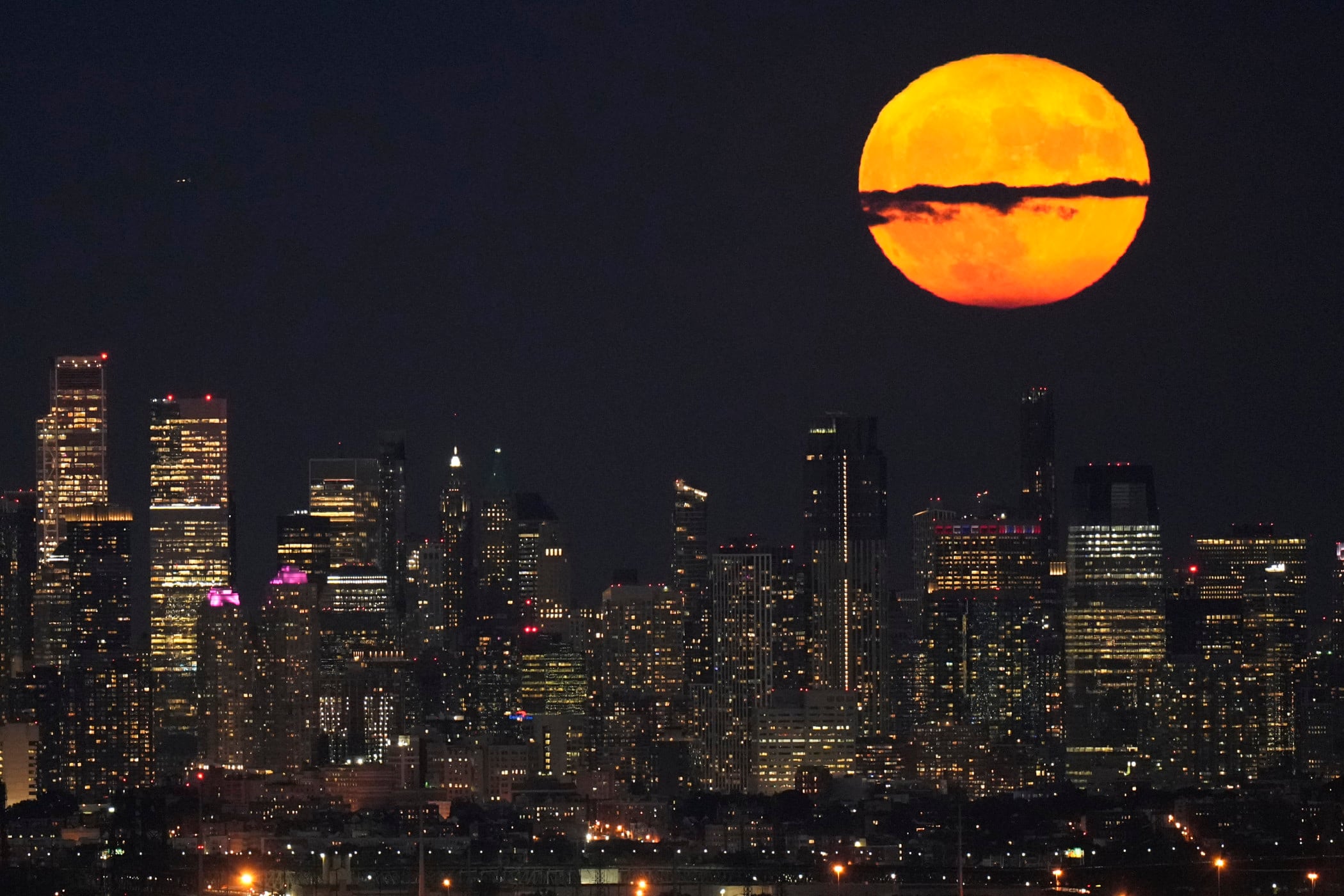
Stargazers are in for a double treat on Aug. 30: a rare blue supermoon with Saturn peeking from behind.
The cosmic curtain rises Wednesday night with the second full moon of the month, the reason it’s considered blue. It’s dubbed a supermoon because it’s closer to Earth than usual, appearing especially big and bright.
This will be the closest full moon of the year, just 222,043 miles (357,344 kilometers) or so away. That’s more than 100 miles (160 kilometers) closer than the Aug. 1 supermoon.
As a bonus, Saturn will be visible as a bright point 5 degrees to the upper right of the moon at sunset in the east-southeastern sky, according to NASA. The ringed planet will appear to circle clockwise around the moon as the night wears on.
If you missed the month’s first spectacle, better catch this one. There won’t be another blue supermoon until 2037, according to Italian astronomer Gianluca Masi, founder of the Virtual Telescope Project.
Clouds spoiled Masi's attempt to livestream the supermoon rising earlier this month. He’s hoping for clearer skies this time so he can capture the blue supermoon shining above St. Peter’s Basilica at the Vatican.
Weather permitting, observers don’t need binoculars or telescopes — “just their own eyes." said Masi.
“I’m always excited to admire the beauty of the night sky,” he said, especially when it features a blue supermoon.
The first supermoon of 2023 was in July. The fourth and last will be in September.
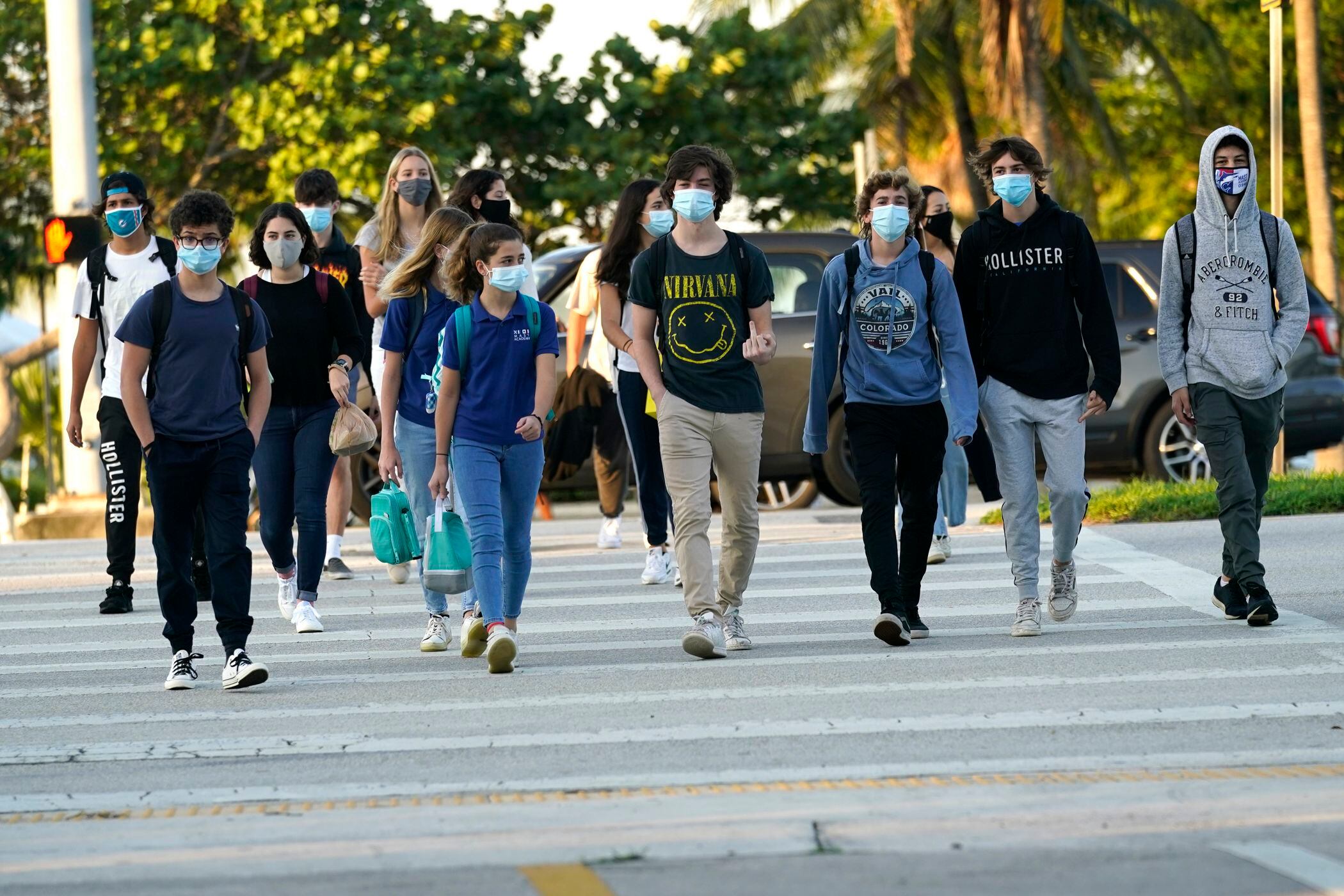
A trio of scientists is championing a controversial alternative to coronavirus lockdowns in a 500-word document called the Great Barrington Declaration, which is stirring up significant backlash from other public health experts.
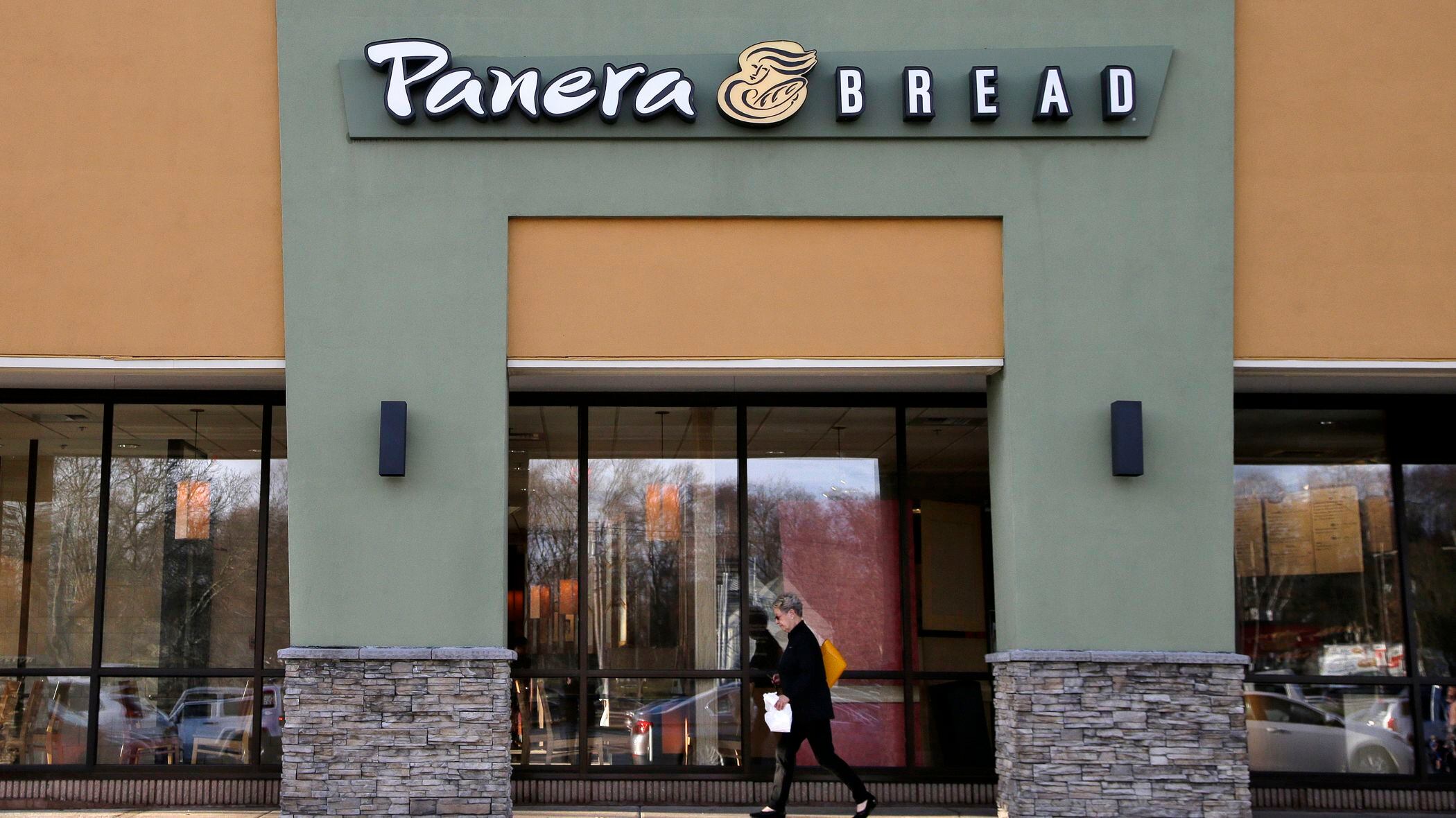
Panera is doing its part to go green, upgrading its menu options to include the carbon footprint of each item. CEO Niren Chaudhary joined Cheddar to break down food production's link to climate change.
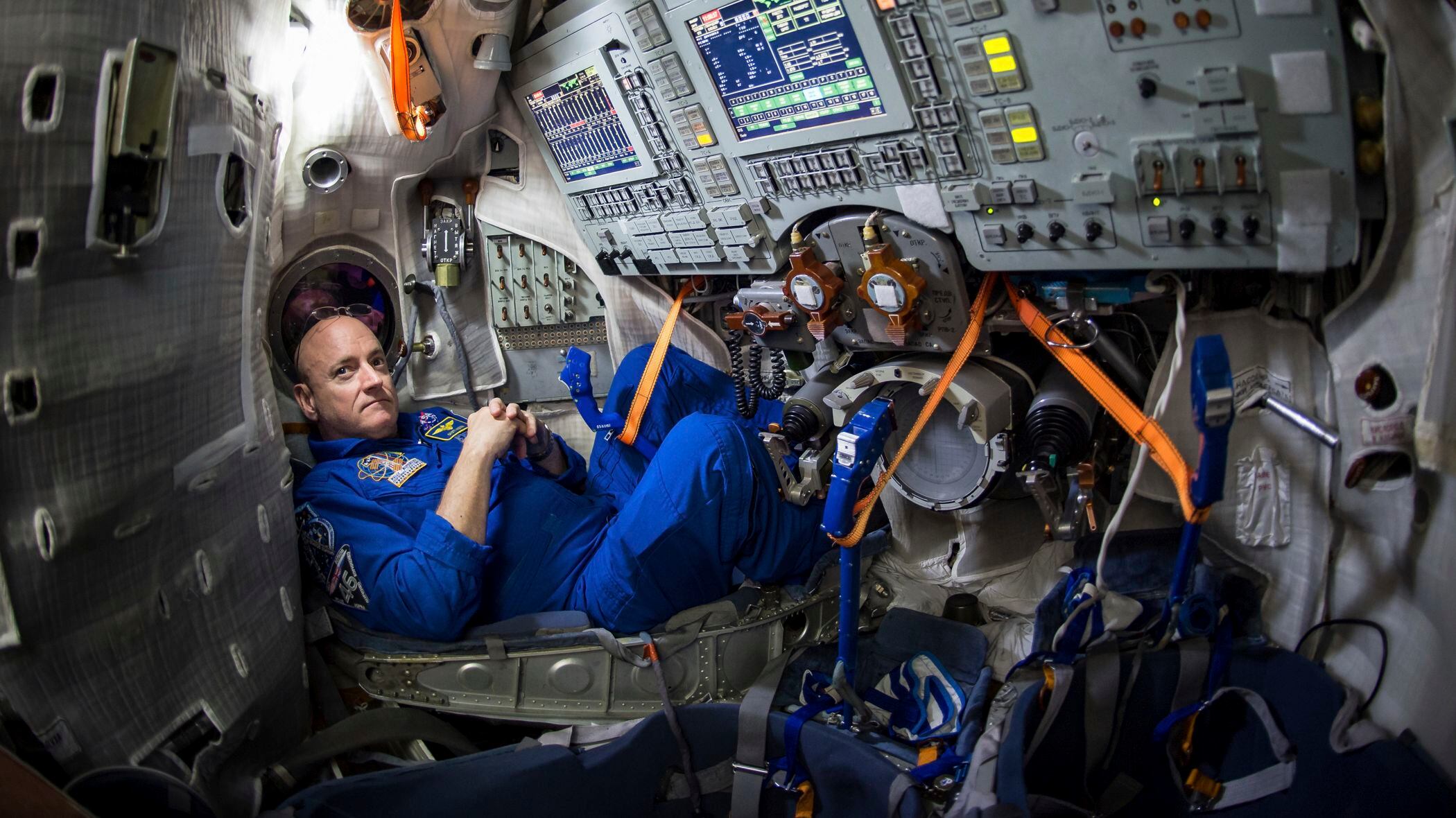
Former NASA astronaut, Scott Kelly provides some insight into the impacts of being isolated, particularly as people around the world experience it amid the coronavirus pandemic.
US Scientists calculate that Earth hit its warmest September on record last month. The National Oceanic and Atmospheric Administration Wednesday said there's nearly a two-to-one chance that 2020 will end up as the hottest year on record.
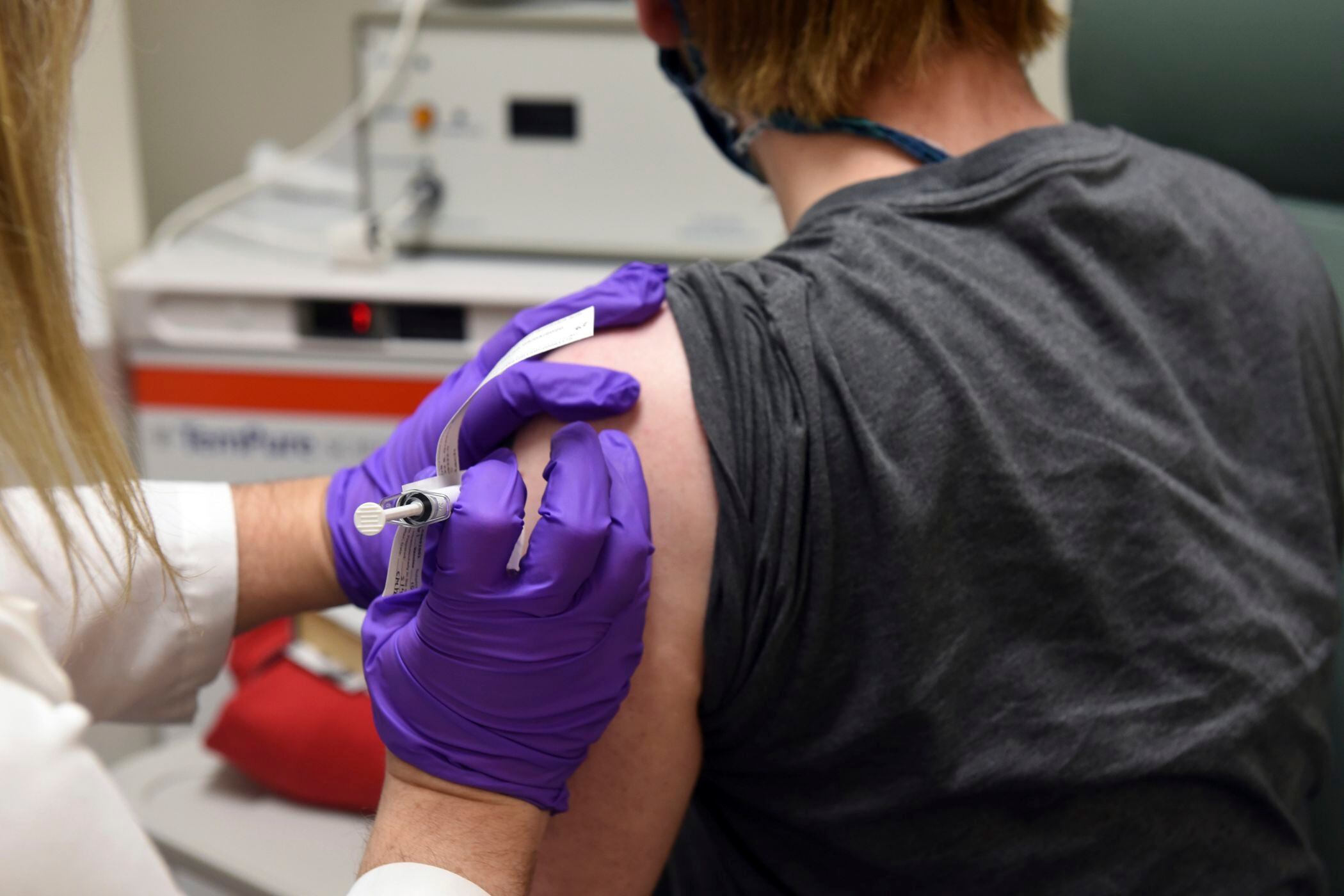
Facing public skepticism about rushed COVID-19 vaccines, U.S. health officials are planning an extra layer of safety scrutiny for the first people vaccinated when shots become available.
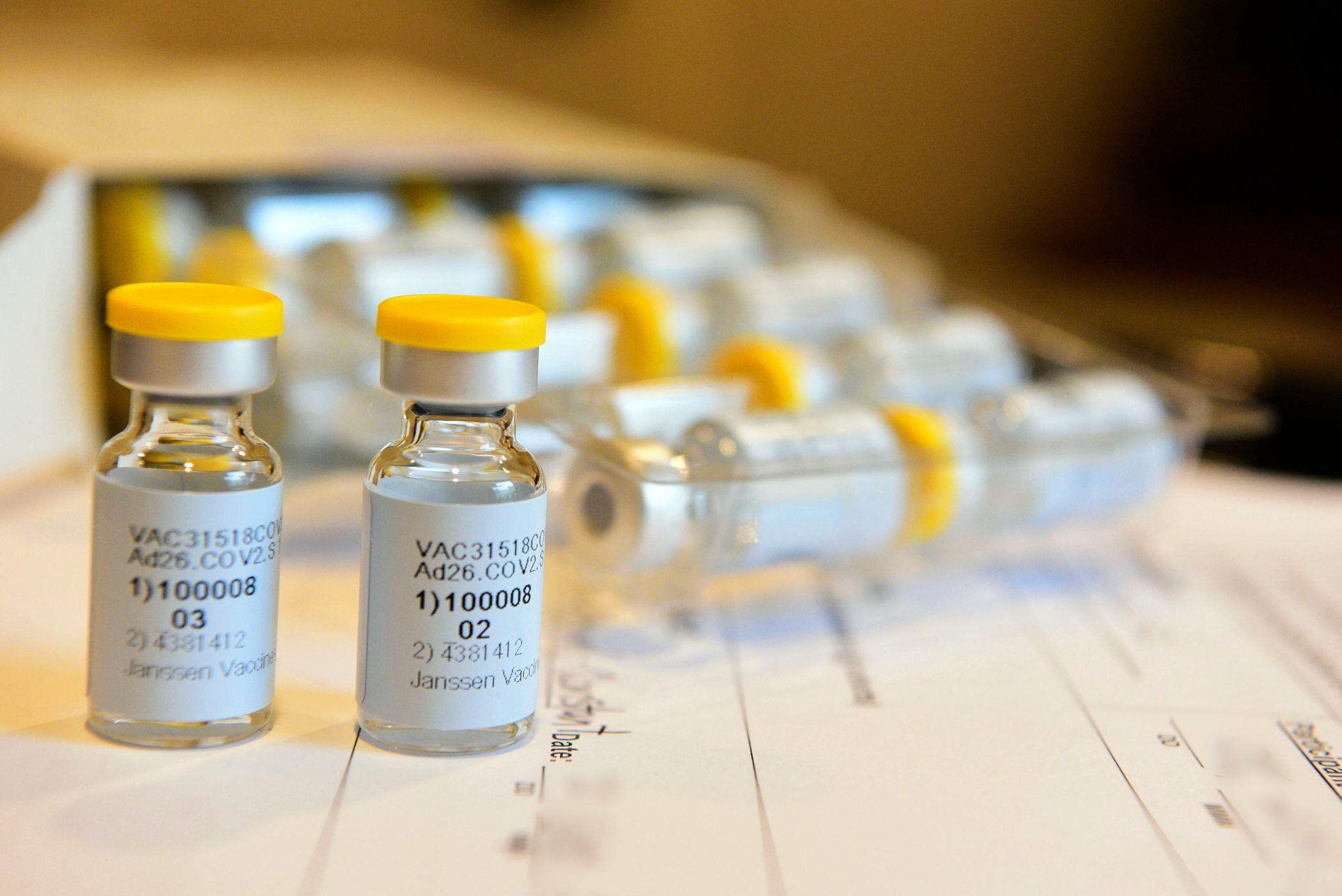
A late-stage study of Johnson & Johnson’s COVID-19 vaccine candidate has been paused while the company investigates whether a study participant’s “unexplained illness” is related to the shot.
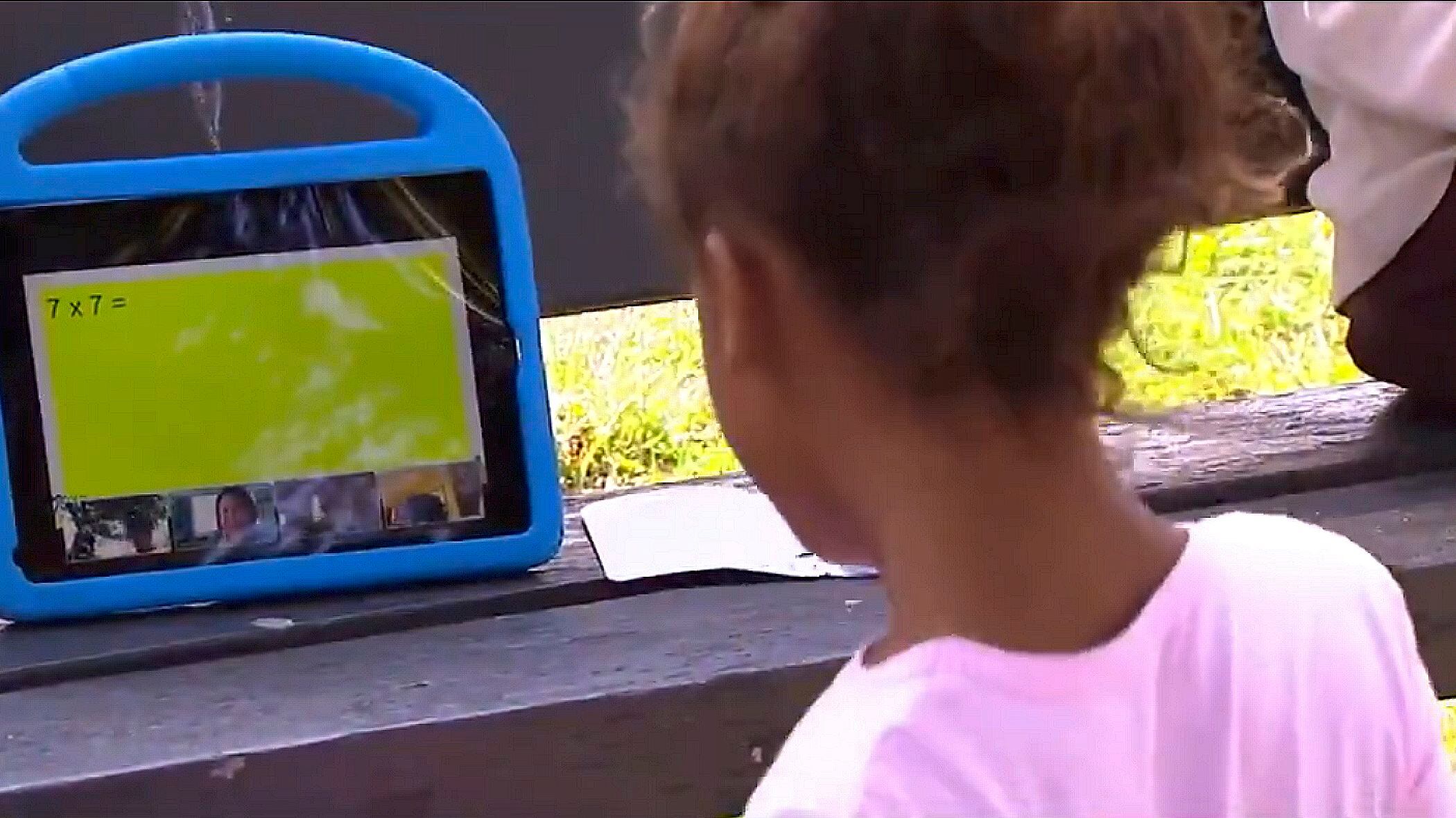
At least 2 percent of American children are being raised by their grandparents, an arrangement that already has unique challenges for such families, but the COVID-19 pandemic is adding even more obstacles to contend with.
From Wall Street to Silicon Valley, these are the top stories that moved markets and had investors, business leaders, and entrepreneurs talking this week on Cheddar.
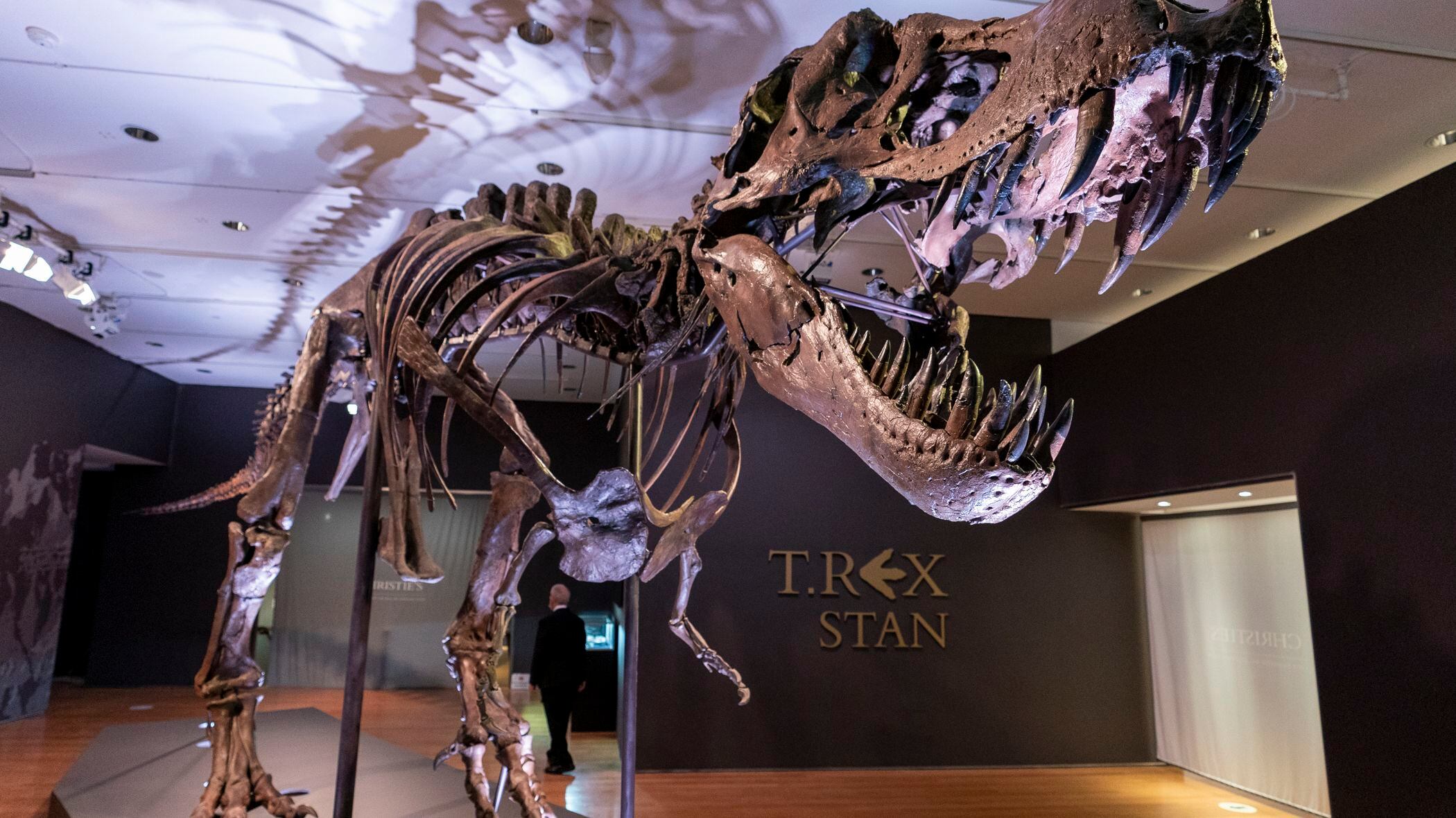
A 67 million-year-old Tyrannosaurus rex skeleton sold at Christie's Auction House for a record-shattering $31.8 million. Cheddar's Chloe Aiello takes a look into the sale of the massive complete fossil and Christie's virtual auction process.
Democratic lawmakers are speaking out against a proposed Labor Department rule that they argue would make it harder for retirement funds to consider important environmental factors when making investment decisions.