By Marcia Dunn
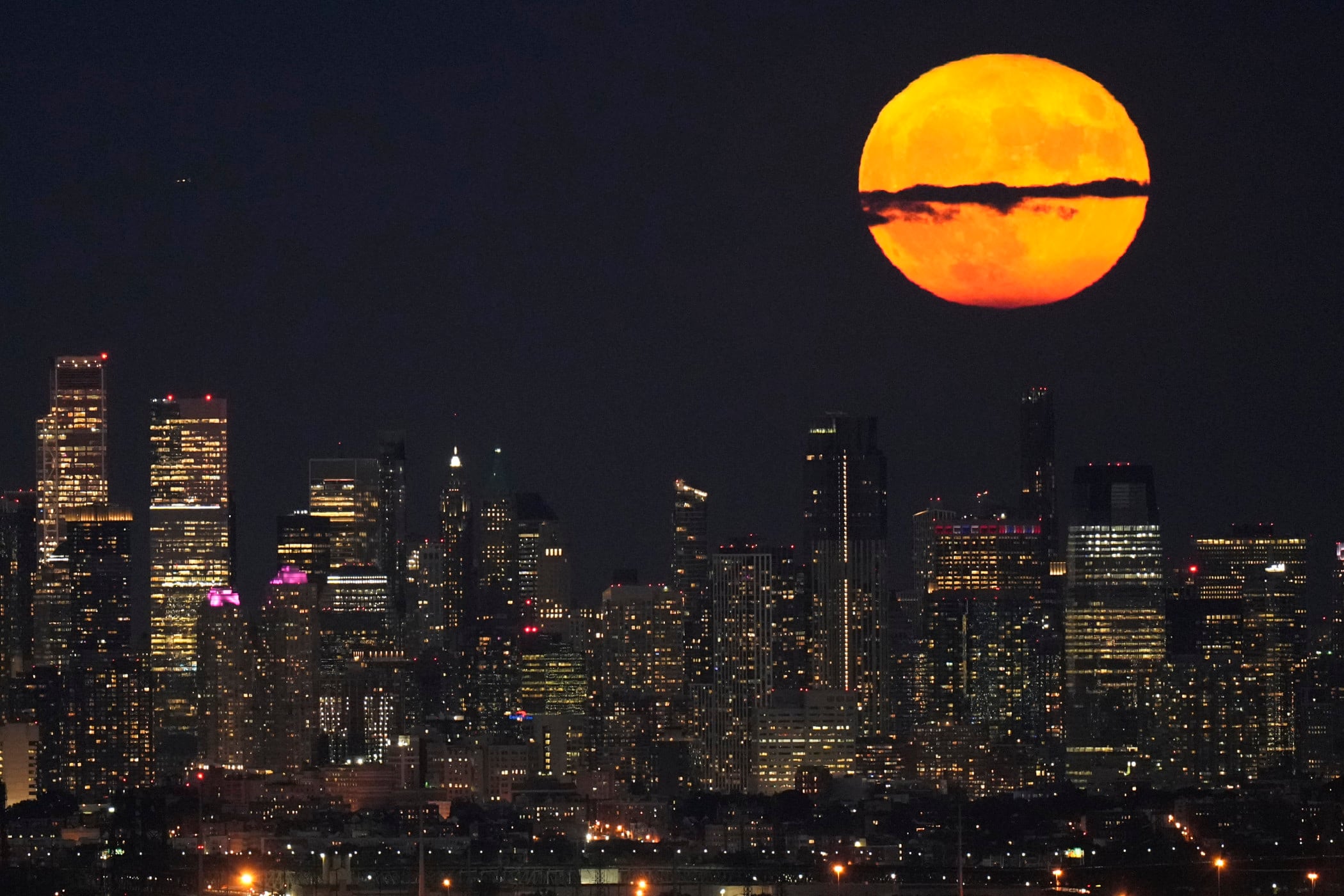
Stargazers are in for a double treat on Aug. 30: a rare blue supermoon with Saturn peeking from behind.
The cosmic curtain rises Wednesday night with the second full moon of the month, the reason it’s considered blue. It’s dubbed a supermoon because it’s closer to Earth than usual, appearing especially big and bright.
This will be the closest full moon of the year, just 222,043 miles (357,344 kilometers) or so away. That’s more than 100 miles (160 kilometers) closer than the Aug. 1 supermoon.
As a bonus, Saturn will be visible as a bright point 5 degrees to the upper right of the moon at sunset in the east-southeastern sky, according to NASA. The ringed planet will appear to circle clockwise around the moon as the night wears on.
If you missed the month’s first spectacle, better catch this one. There won’t be another blue supermoon until 2037, according to Italian astronomer Gianluca Masi, founder of the Virtual Telescope Project.
Clouds spoiled Masi's attempt to livestream the supermoon rising earlier this month. He’s hoping for clearer skies this time so he can capture the blue supermoon shining above St. Peter’s Basilica at the Vatican.
Weather permitting, observers don’t need binoculars or telescopes — “just their own eyes." said Masi.
“I’m always excited to admire the beauty of the night sky,” he said, especially when it features a blue supermoon.
The first supermoon of 2023 was in July. The fourth and last will be in September.
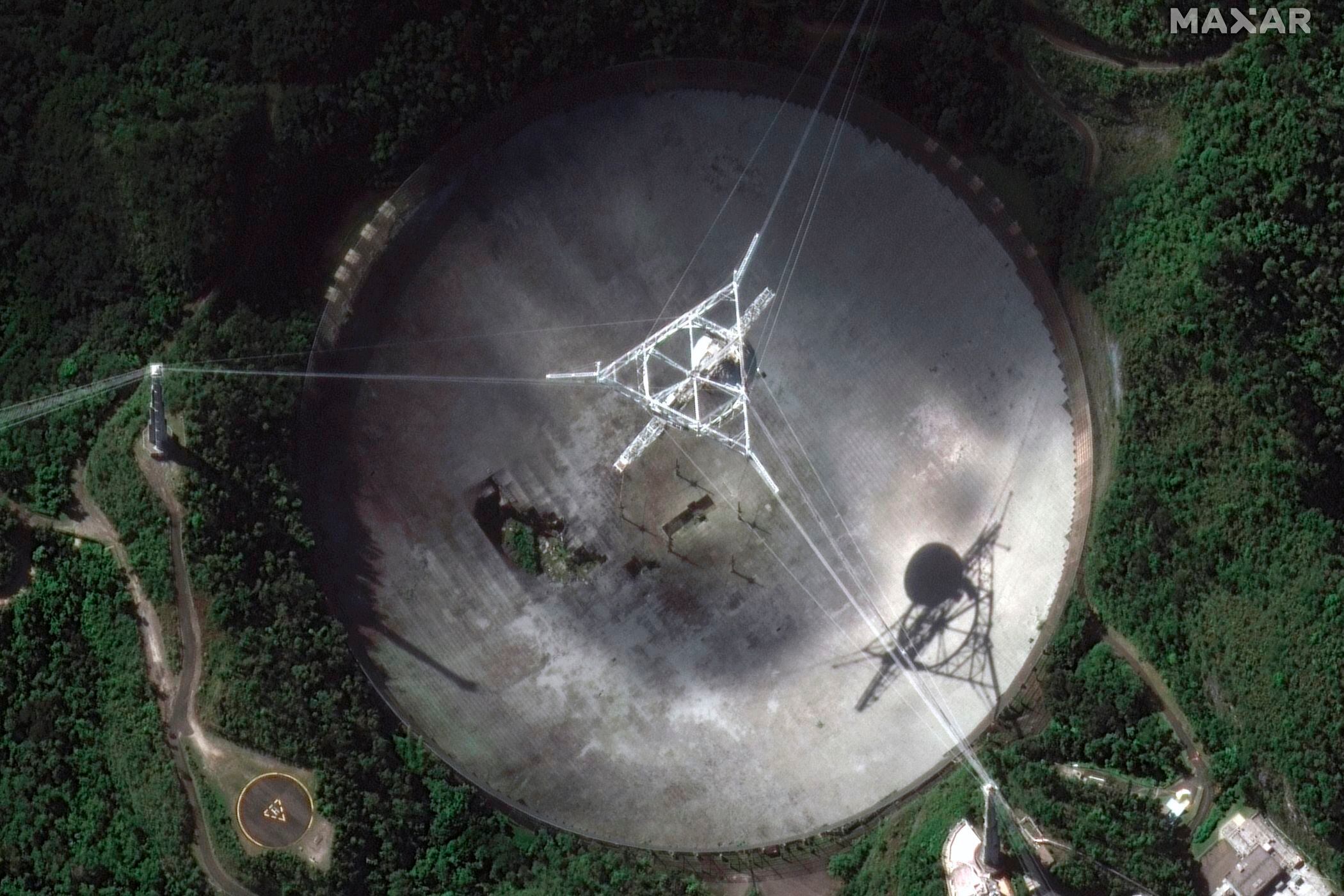
The telescope’s 900-ton receiver platform fell onto the reflector dish more than 400 feet below on Tuesday. The U.S. National Science Foundation had earlier announced that the Arecibo Observatory would be closed.
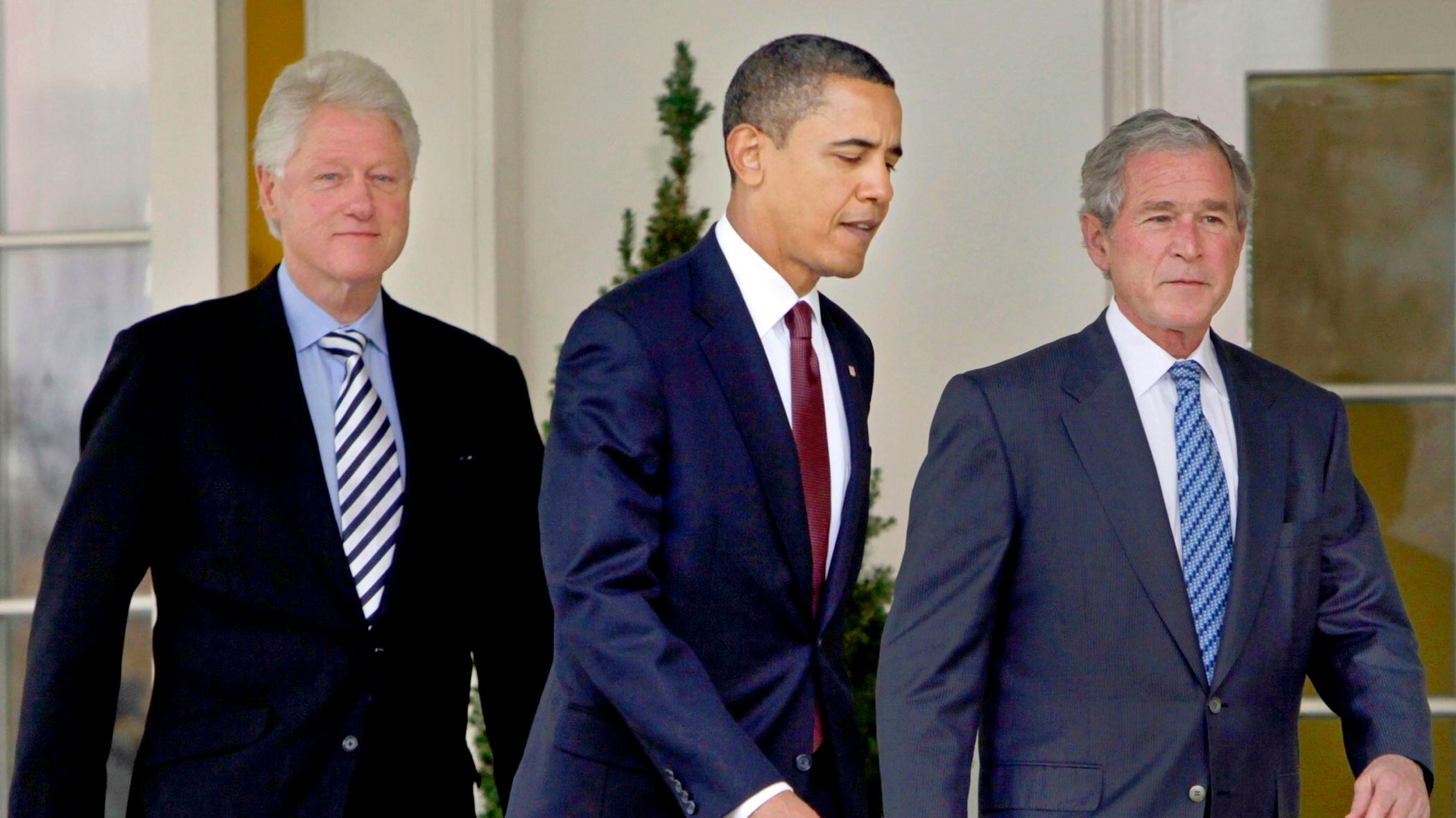
Three former presidents say they’d be willing to publicly take a coronavirus vaccine, once one becomes available, to encourage all Americans to get inoculated against a disease that has already killed more than 273,000 people nationwide.
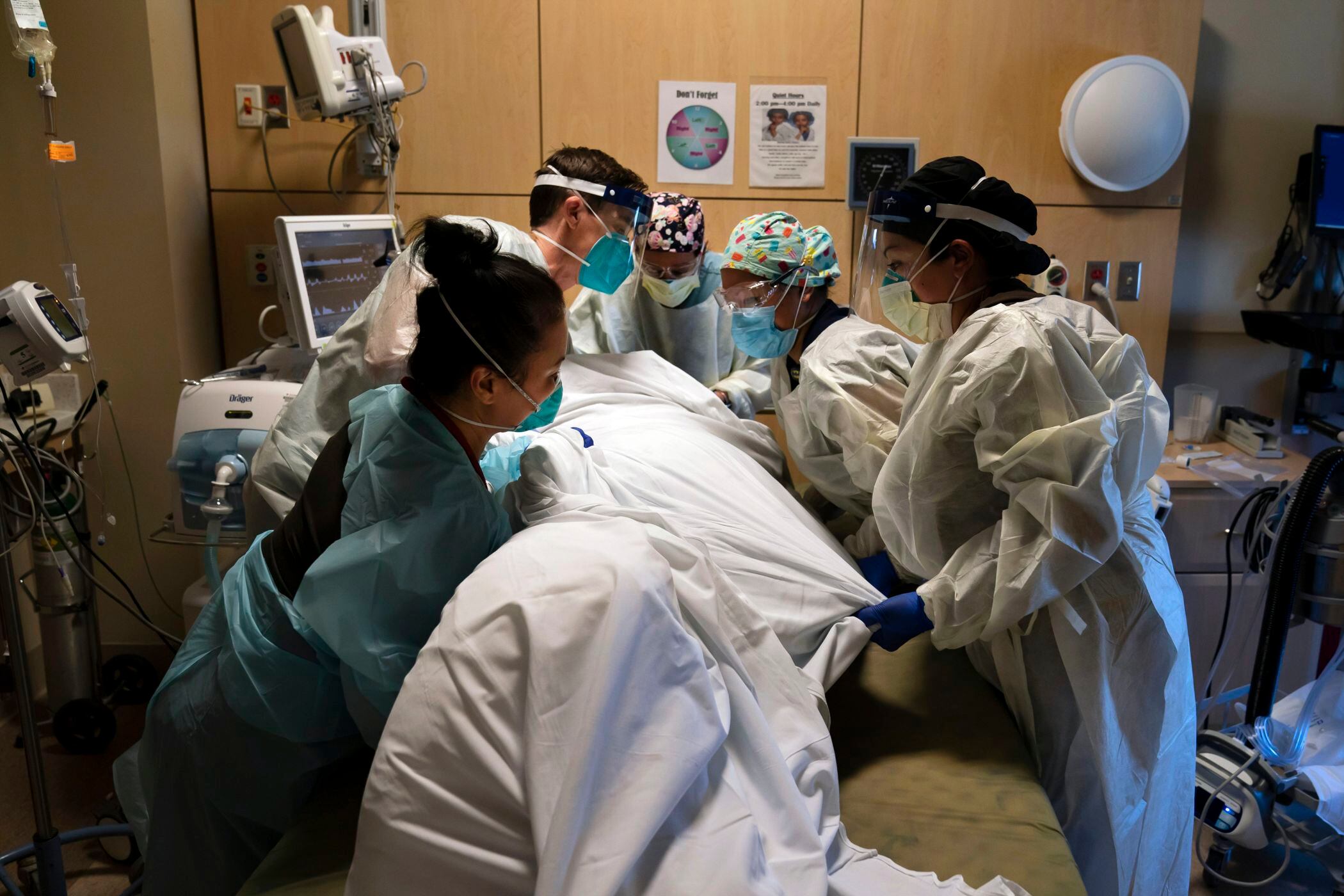
The U.S. has recorded over 3,100 COVID-19 deaths in a single day, obliterating the record set last spring.
IBM security researchers say they have detected a cyberespionage effort that used targeted phishing emails to try to collect vital information associated with a U.N. initiative for distributing coronavirus vaccine to developing countries.
The health agency also announced new guidelines that shorten recommended quarantines after close contact with someone infected with coronavirus. Now people can resume normal activity after 10 days, or seven days if they receive a negative test result.
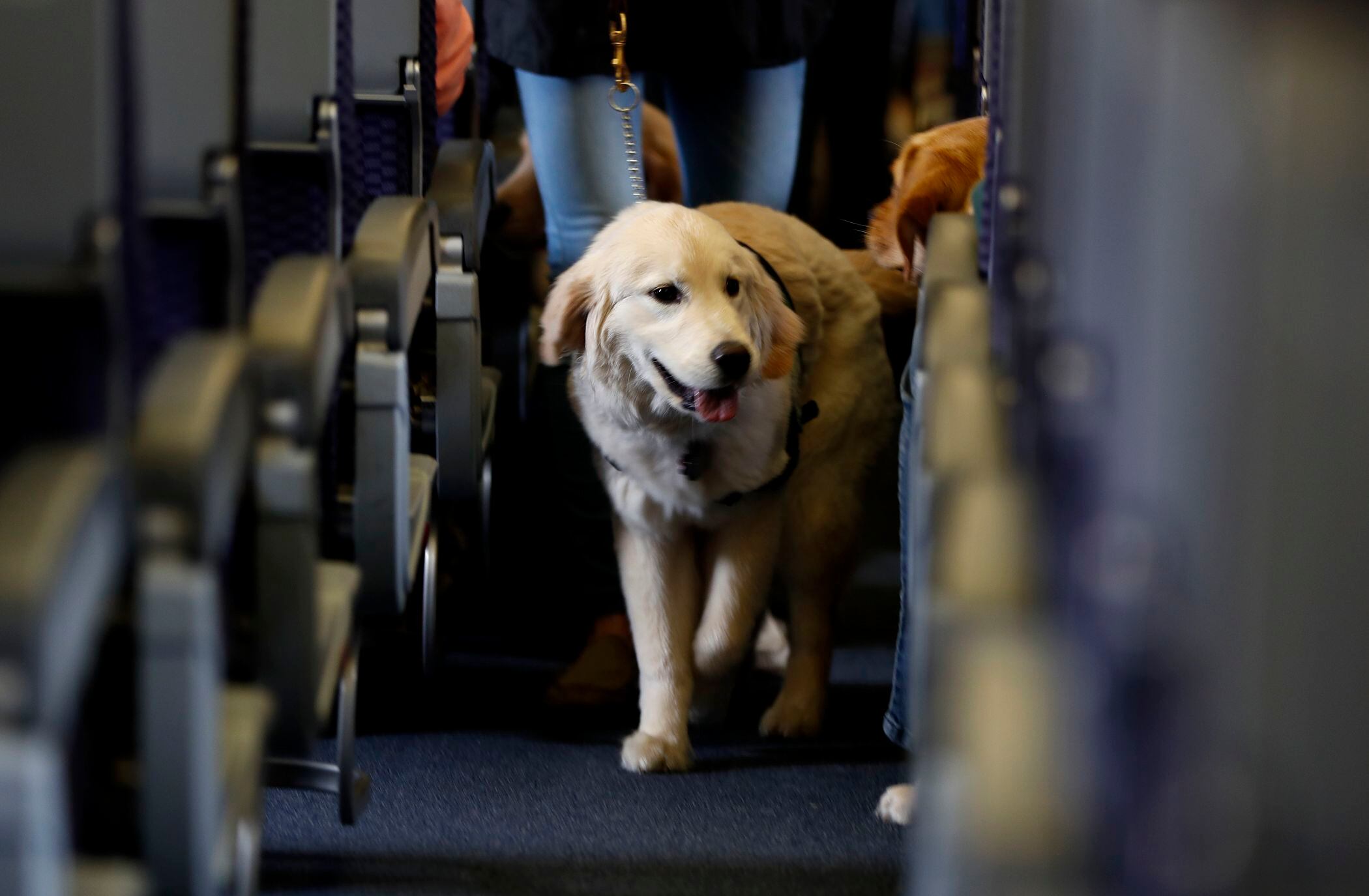
The Transportation Department issued a final rule Wednesday covering service animals. The rule says only dogs can qualify, and they have to be specially trained to help a person with disabilities.
The head of the United Nations is calling on countries to end what he calls a war on nature and instead embrace a future without carbon pollution triggering global warming.
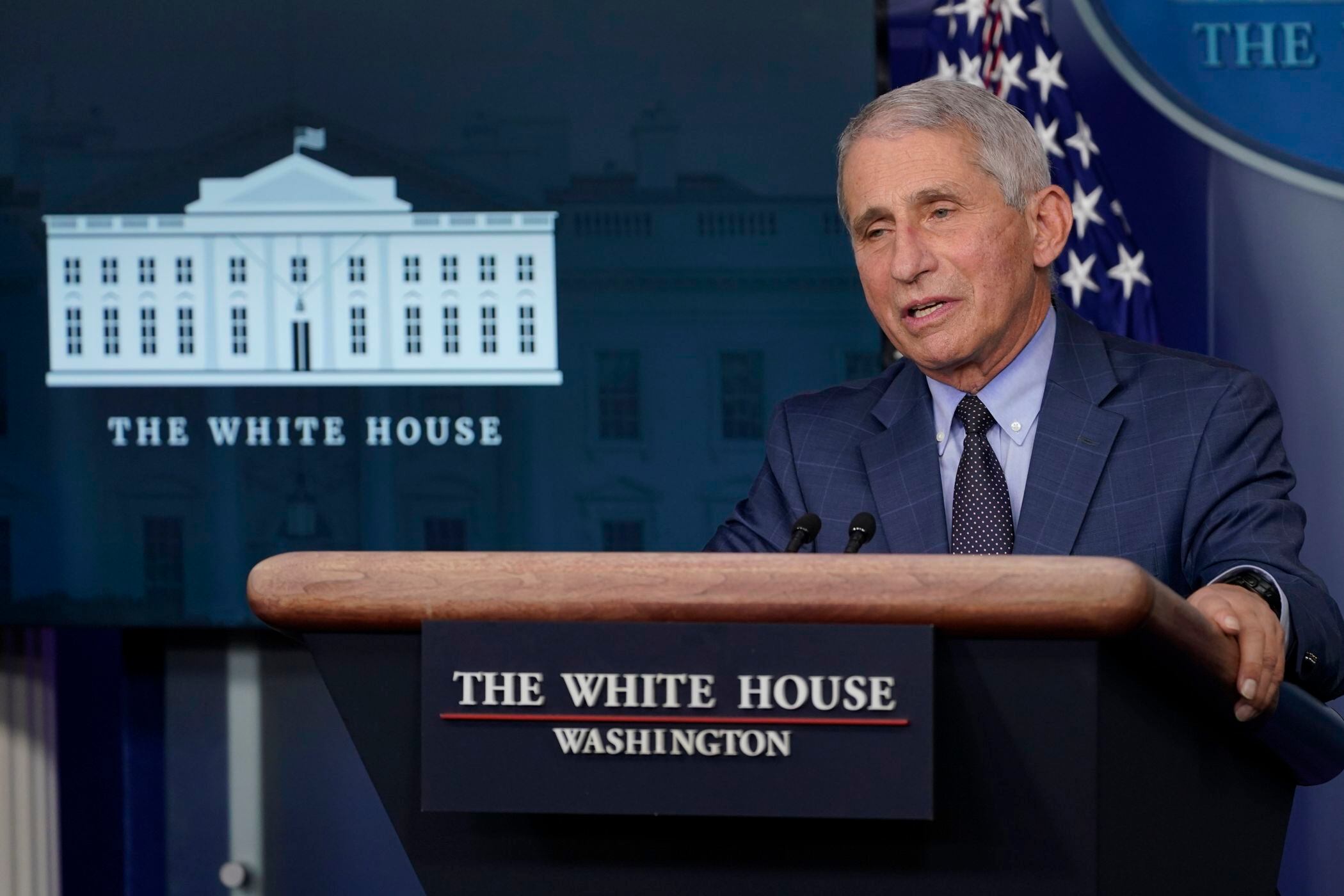
Dr. Anthony Fauci, director of the National Institute of Allergy and Infectious Diseases, discusses a wide range of current topics regarding the COVID-19 pandemic with Cheddar.
An influential government advisory panel says health care workers and nursing home residents should be at the front of the line when the first coronavirus vaccine shots become available.
Tech is the engine that enables fantasy to become reality.