By Marcia Dunn
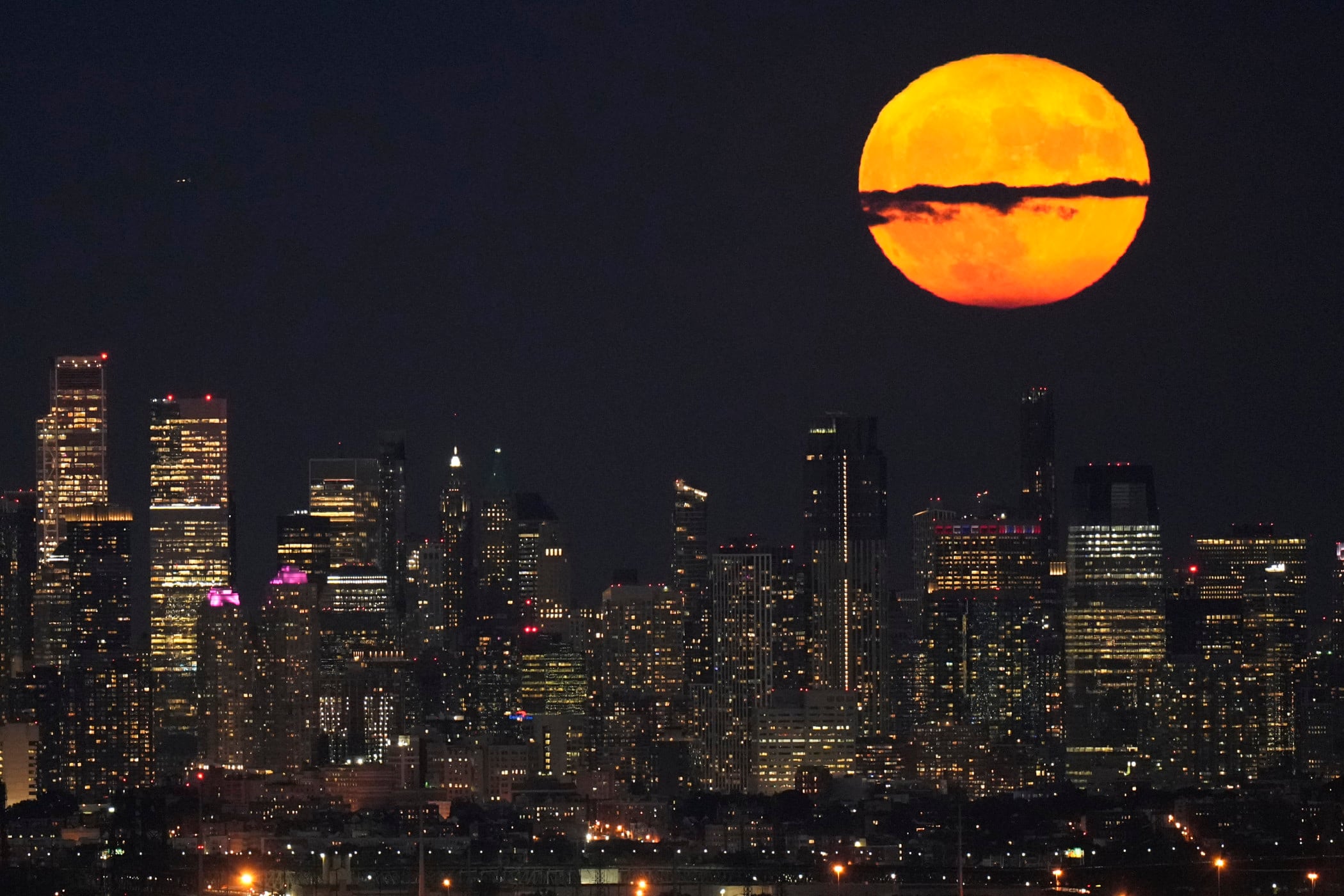
Stargazers are in for a double treat on Aug. 30: a rare blue supermoon with Saturn peeking from behind.
The cosmic curtain rises Wednesday night with the second full moon of the month, the reason it’s considered blue. It’s dubbed a supermoon because it’s closer to Earth than usual, appearing especially big and bright.
This will be the closest full moon of the year, just 222,043 miles (357,344 kilometers) or so away. That’s more than 100 miles (160 kilometers) closer than the Aug. 1 supermoon.
As a bonus, Saturn will be visible as a bright point 5 degrees to the upper right of the moon at sunset in the east-southeastern sky, according to NASA. The ringed planet will appear to circle clockwise around the moon as the night wears on.
If you missed the month’s first spectacle, better catch this one. There won’t be another blue supermoon until 2037, according to Italian astronomer Gianluca Masi, founder of the Virtual Telescope Project.
Clouds spoiled Masi's attempt to livestream the supermoon rising earlier this month. He’s hoping for clearer skies this time so he can capture the blue supermoon shining above St. Peter’s Basilica at the Vatican.
Weather permitting, observers don’t need binoculars or telescopes — “just their own eyes." said Masi.
“I’m always excited to admire the beauty of the night sky,” he said, especially when it features a blue supermoon.
The first supermoon of 2023 was in July. The fourth and last will be in September.
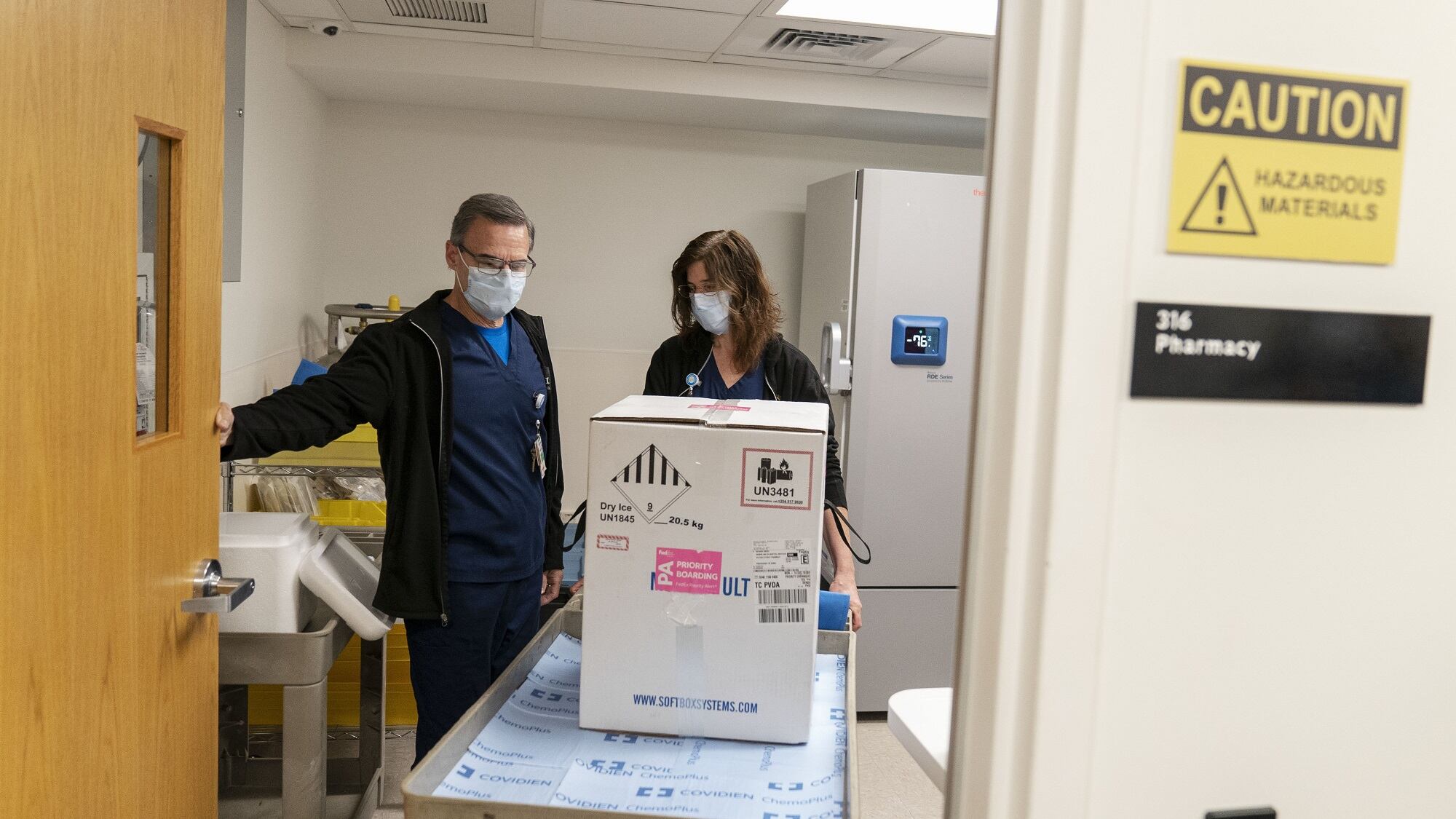
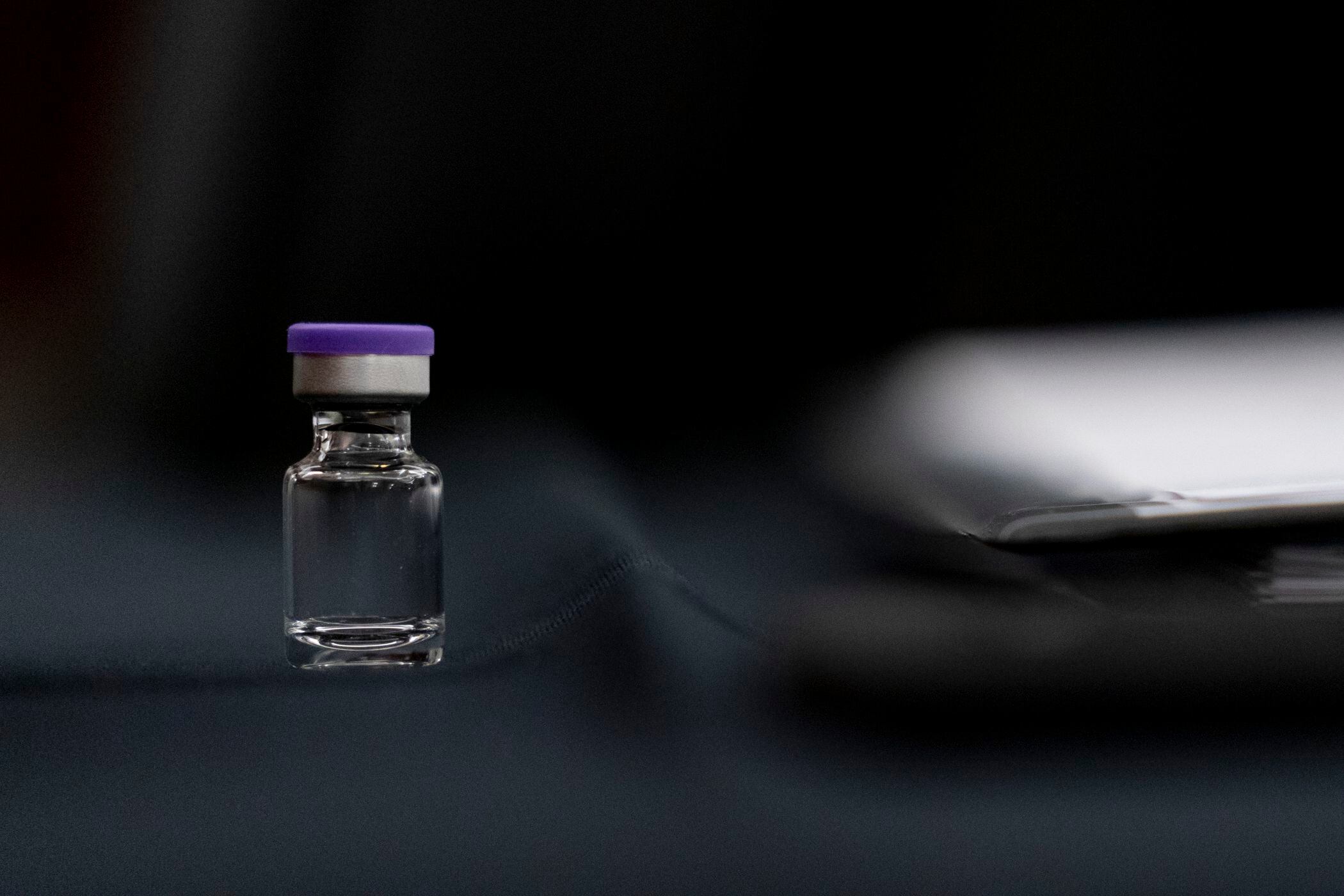
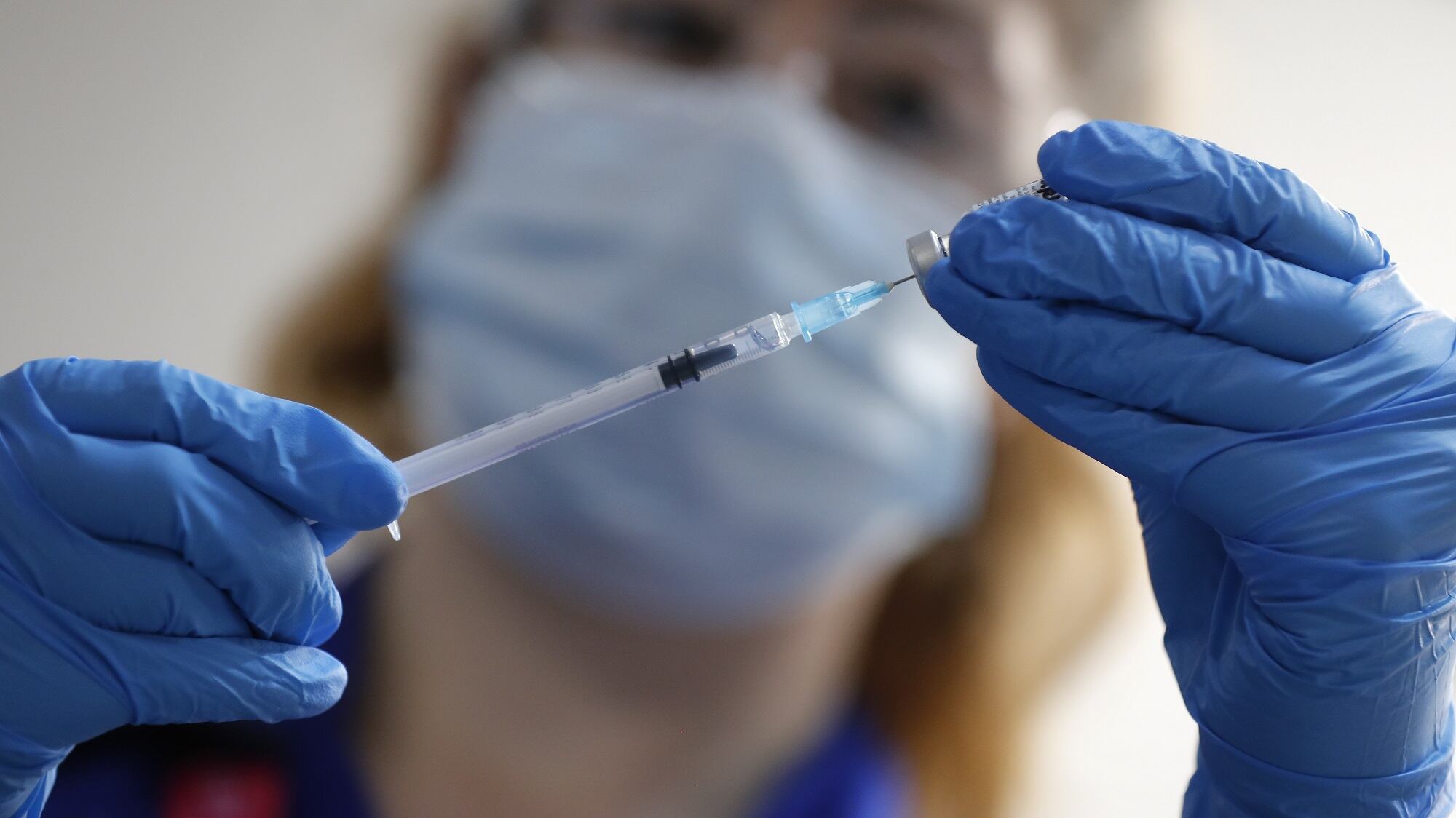
Hospital workers begin unloading precious frozen vials of COVID-19 vaccine Monday, with the first vaccinations against a scourge that has killed nearly 300,000 Americans expected later in the day.
Sen. Tina Smith (D-Minn.) joined Cheddar to discuss the need for the federal government to provide more help to states in order to effectively distribute the COVID vaccines.
Get better sleep, improve productivity and boost overall happiness with a little help from these highly-rated mindfulness picks.
Airships were once believed to be the future of human flight, so why did they fall out of favor so quickly and which flaws ultimately made them a design disaster?
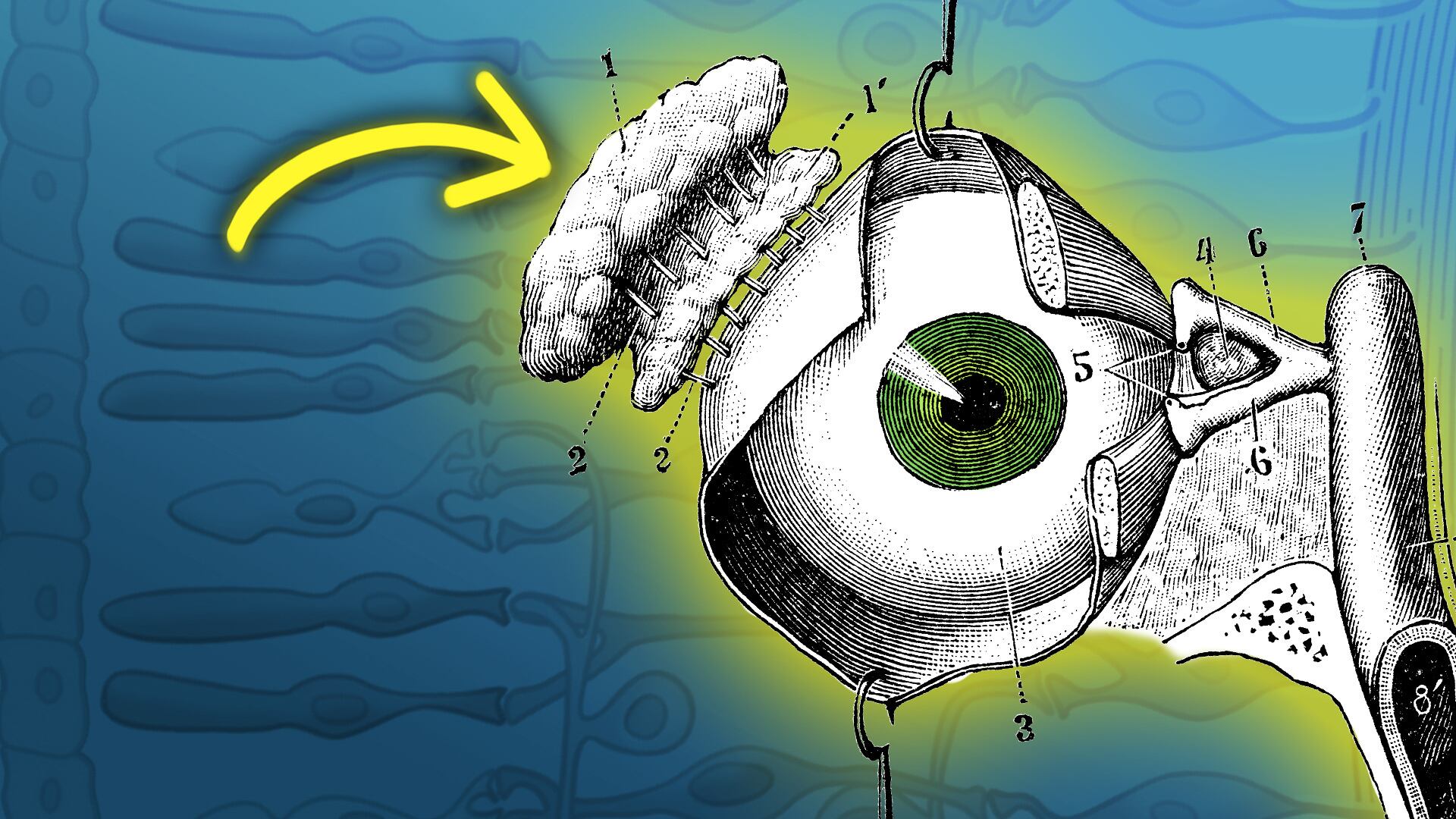
Over 24 million adults in the United States have eye issues: Either you’re born with eye issues, you grow up to have eye issues, or you get so old that your eyes deteriorate into one big issue. So why are our eyes an engineering nightmare? Cheddar explains.
Make a gamer's day with the hottest accessories, subscriptions and consoles of the holiday season.
A new report shows how warming temperatures in the Arctic are transforming the region's geography and ecosystems.
Indian health officials say they have found traces of nickel and lead in a few blood samples taken from hundreds of patients who have been hospitalized by a mysterious illness in a southern state.
British regulators warned Wednesday that people who have a history of serious allergic reactions shouldn’t receive the new Pfizer-BioNTech vaccine as they investigate two adverse reactions that occurred on the first day of the country’s mass vaccination program.
These seven surprises are guaranteed to top a gadget lover's holiday wish list.