By Marcia Dunn
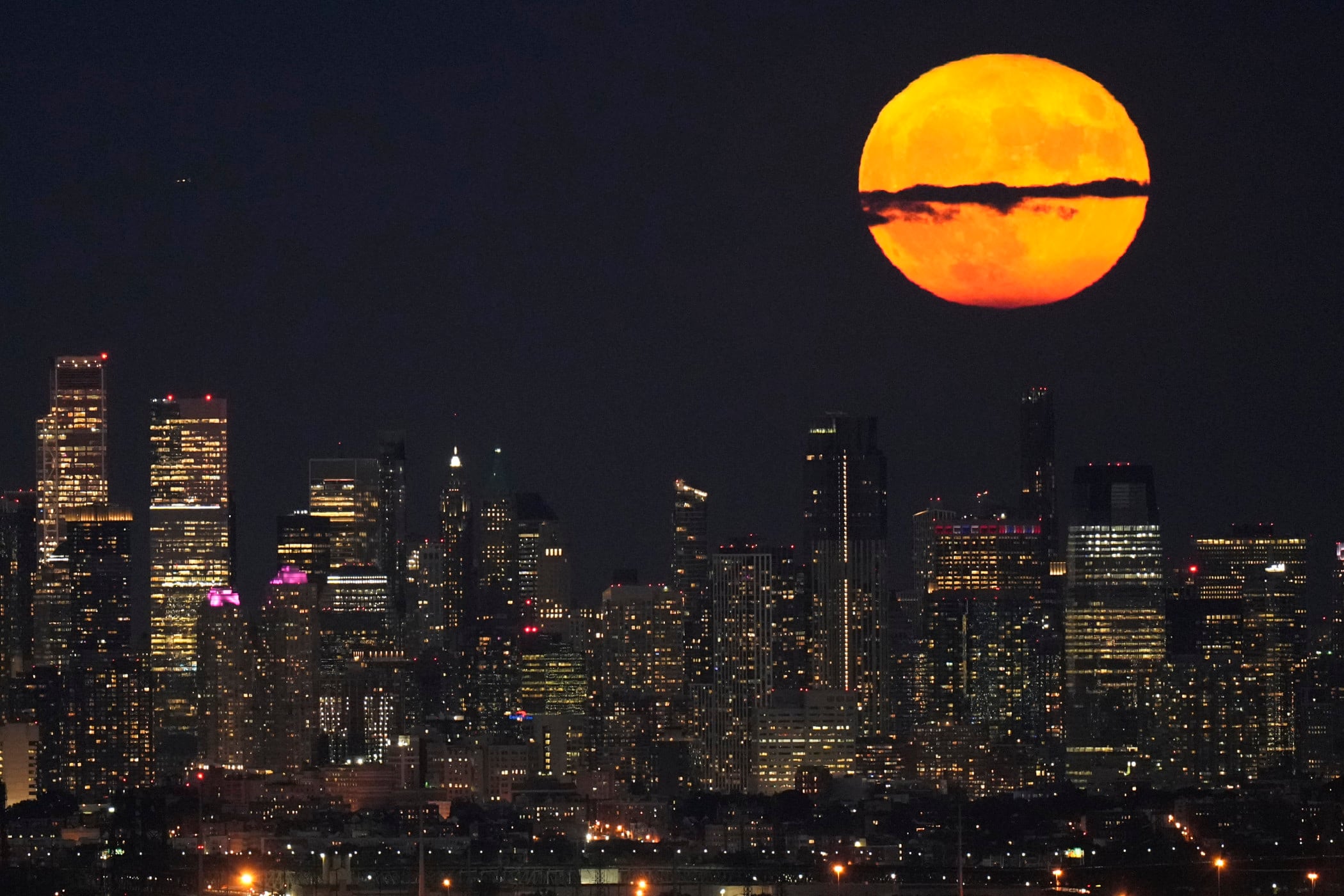
Stargazers are in for a double treat on Aug. 30: a rare blue supermoon with Saturn peeking from behind.
The cosmic curtain rises Wednesday night with the second full moon of the month, the reason it’s considered blue. It’s dubbed a supermoon because it’s closer to Earth than usual, appearing especially big and bright.
This will be the closest full moon of the year, just 222,043 miles (357,344 kilometers) or so away. That’s more than 100 miles (160 kilometers) closer than the Aug. 1 supermoon.
As a bonus, Saturn will be visible as a bright point 5 degrees to the upper right of the moon at sunset in the east-southeastern sky, according to NASA. The ringed planet will appear to circle clockwise around the moon as the night wears on.
If you missed the month’s first spectacle, better catch this one. There won’t be another blue supermoon until 2037, according to Italian astronomer Gianluca Masi, founder of the Virtual Telescope Project.
Clouds spoiled Masi's attempt to livestream the supermoon rising earlier this month. He’s hoping for clearer skies this time so he can capture the blue supermoon shining above St. Peter’s Basilica at the Vatican.
Weather permitting, observers don’t need binoculars or telescopes — “just their own eyes." said Masi.
“I’m always excited to admire the beauty of the night sky,” he said, especially when it features a blue supermoon.
The first supermoon of 2023 was in July. The fourth and last will be in September.
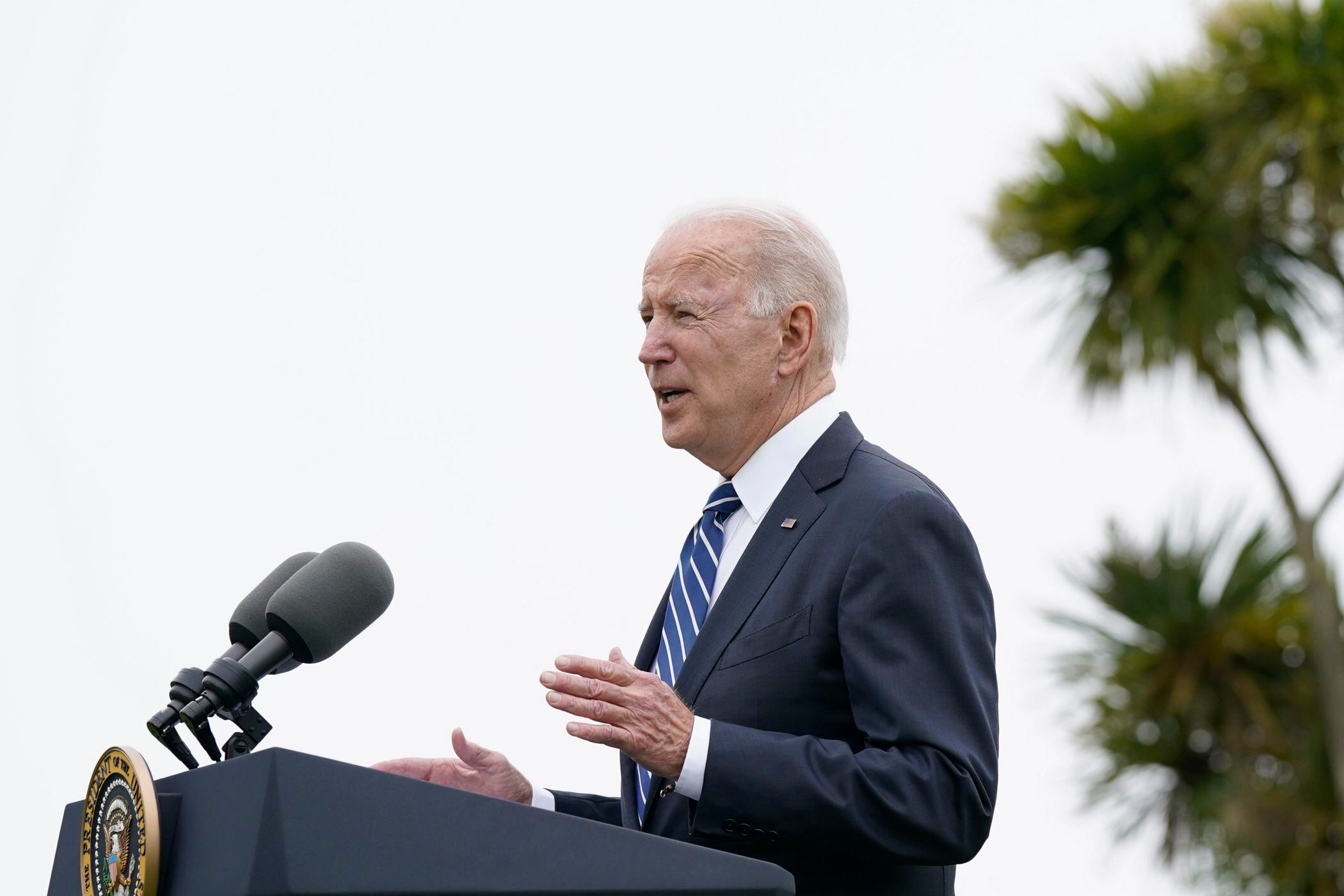
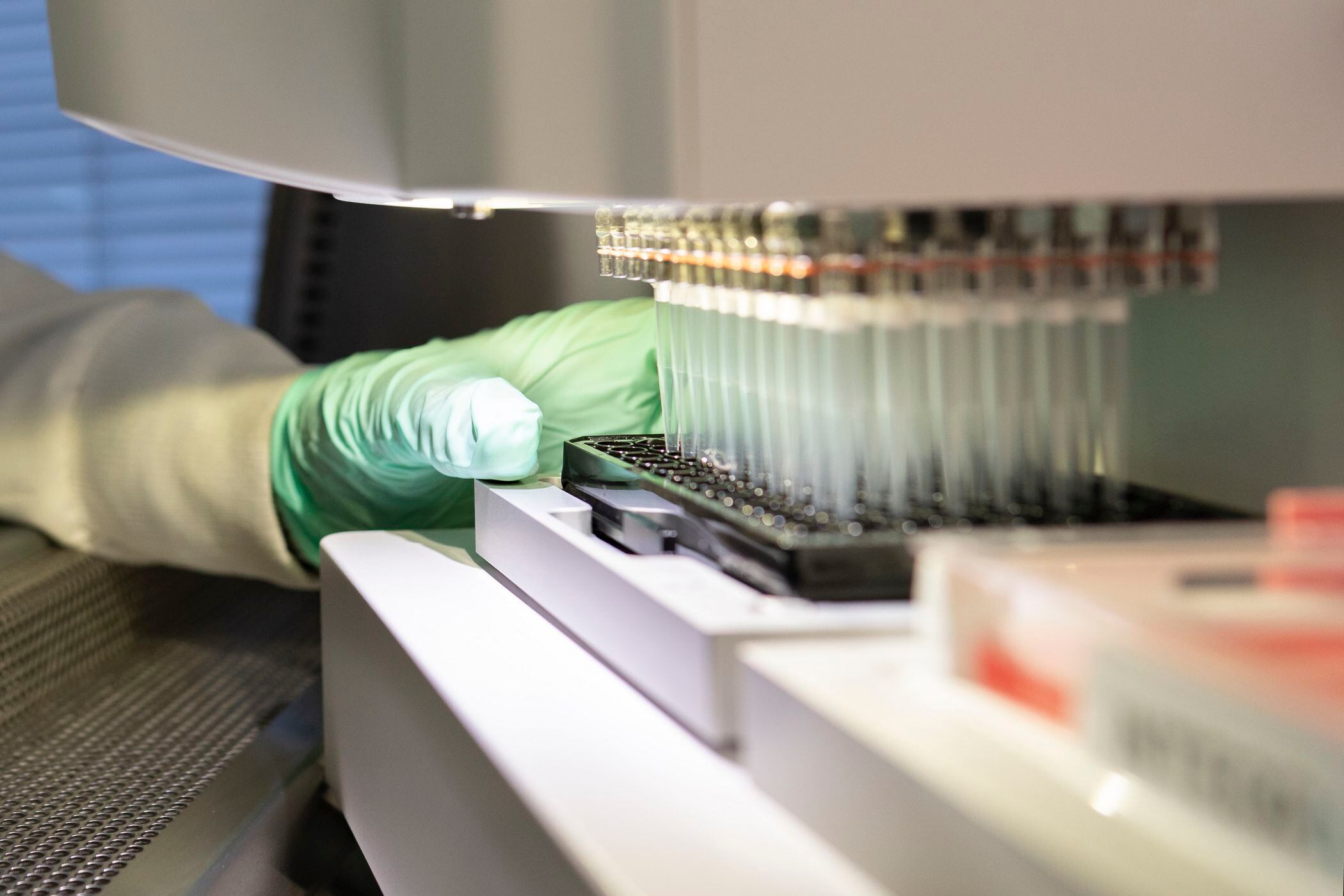
President Joe Biden is calling on global leaders to join him in sharing coronavirus vaccines with struggling nations around the world.
The NFL will spend up to $1 million funding up to five studies that will examine how to better help players ease their pain and find alternatives to opioids.
Turkey’s president has promised to rescue the Marmara Sea from an outbreak of “sea snot” that is alarming marine biologists and environmentalists.
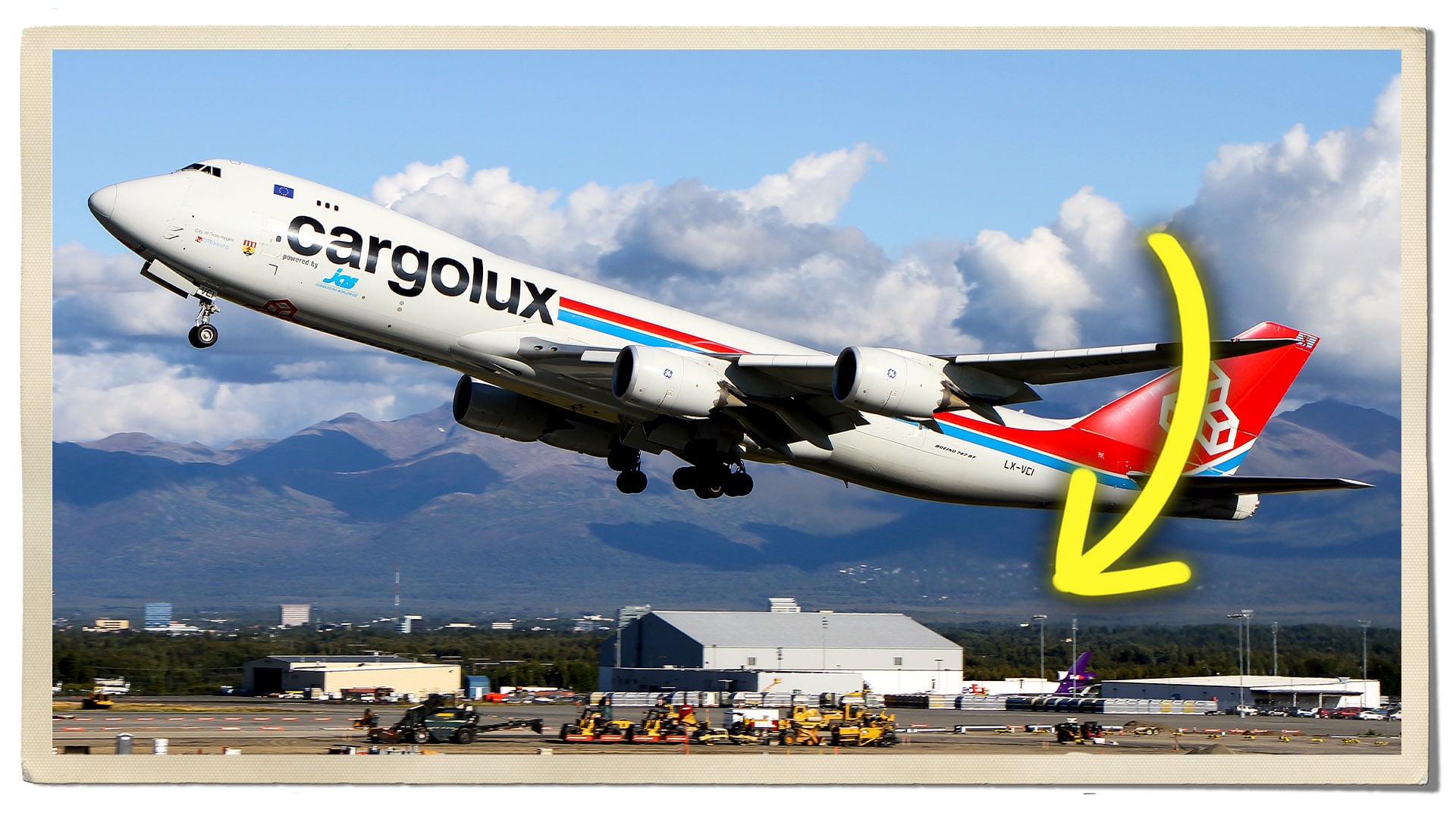
Flights fell 55% in April 2020 compared to April 2019. So, it was shocking to a lot of people that the tiny Ted Stevens Anchorage Airport was bustling.
Government health officials have approved the first drug that they say may help slow Alzheimer’s disease.
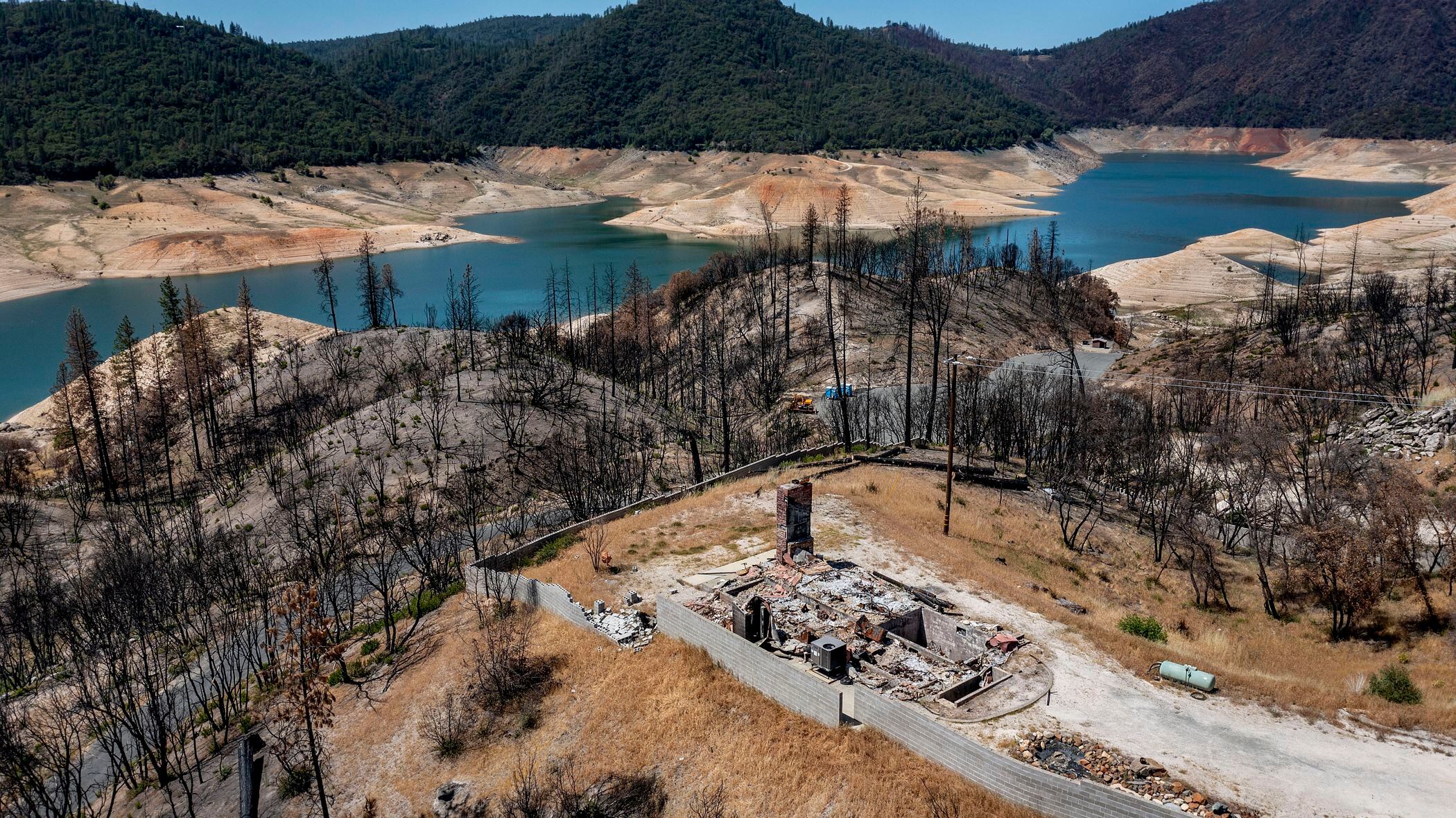
California's reservoirs are shrinking quickly as a drought grips the western United States.
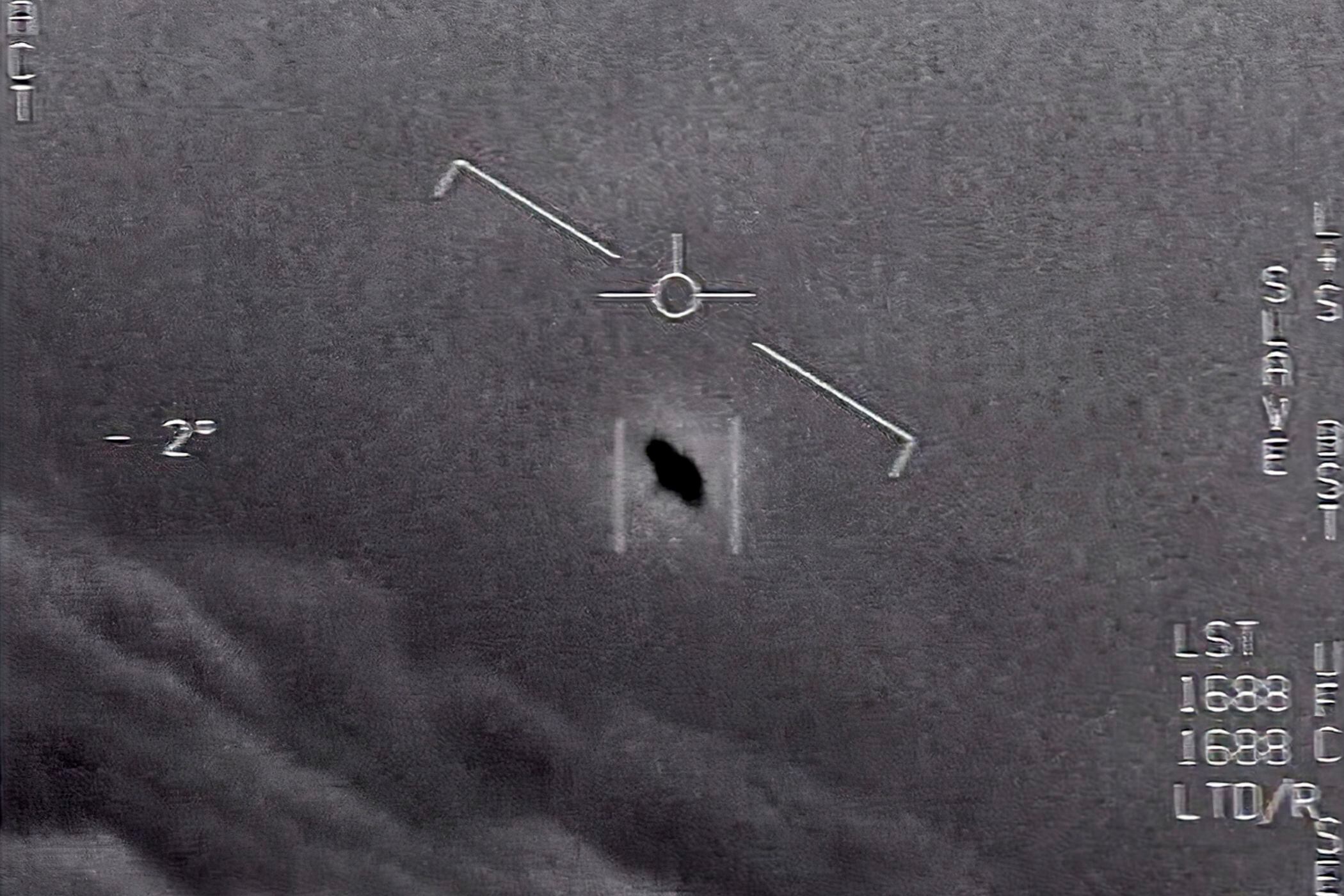
A new U.S. government report fails to give a definitive explanation of UFOs spotted by military pilots. It finds no evidence they are linked to aliens — but doesn't deny the possibility either.
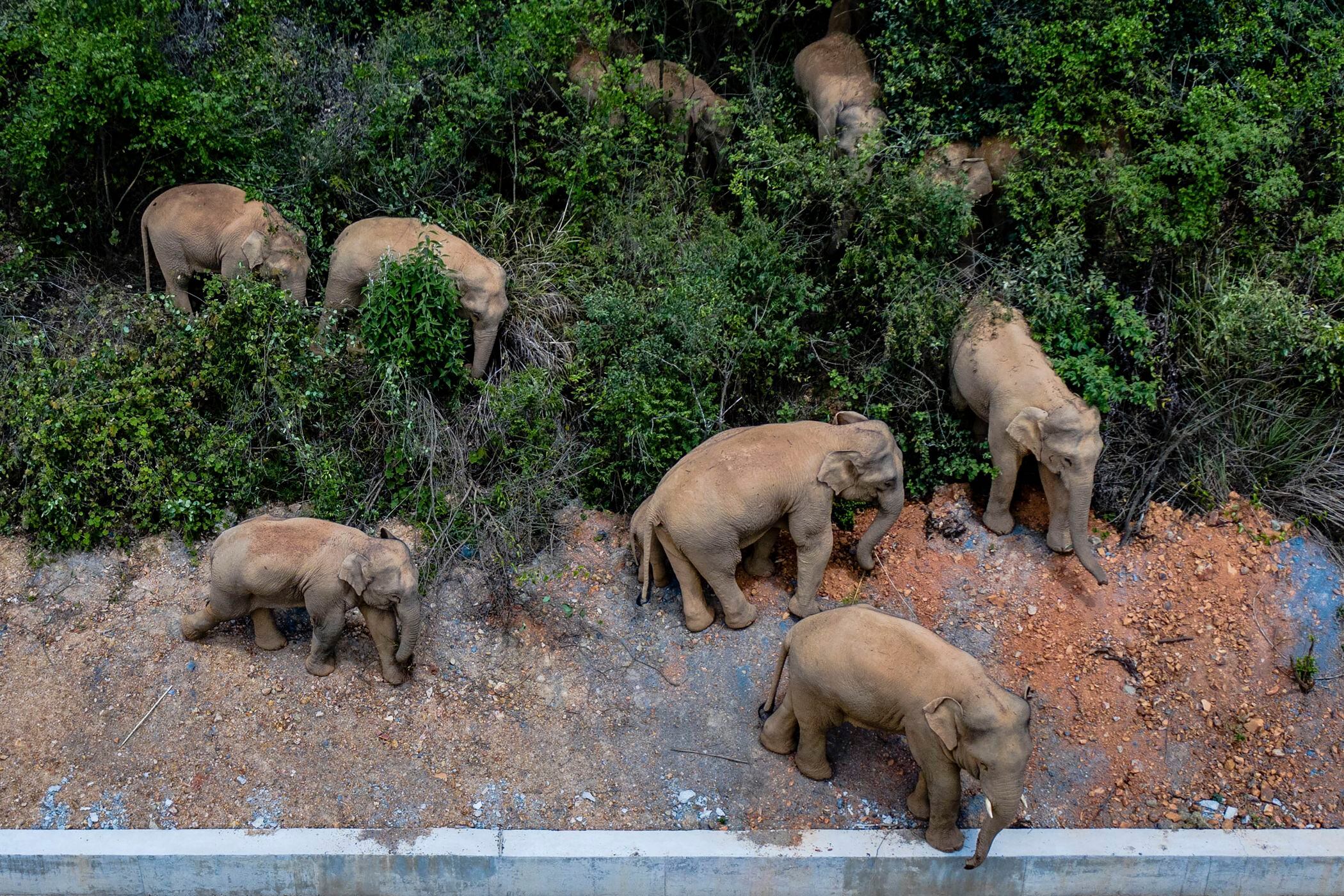
A wandering herd of 15 elephants have been journeying in southwestern China's Kunming, Yunnan Province as local authorities try to keep them away from populated areas.
Critics of bitcoin's energy use argue that its carbon footprint is way out of proportion with its social value, while supporters assert that bitcoin is no different than the rest of the financial system.
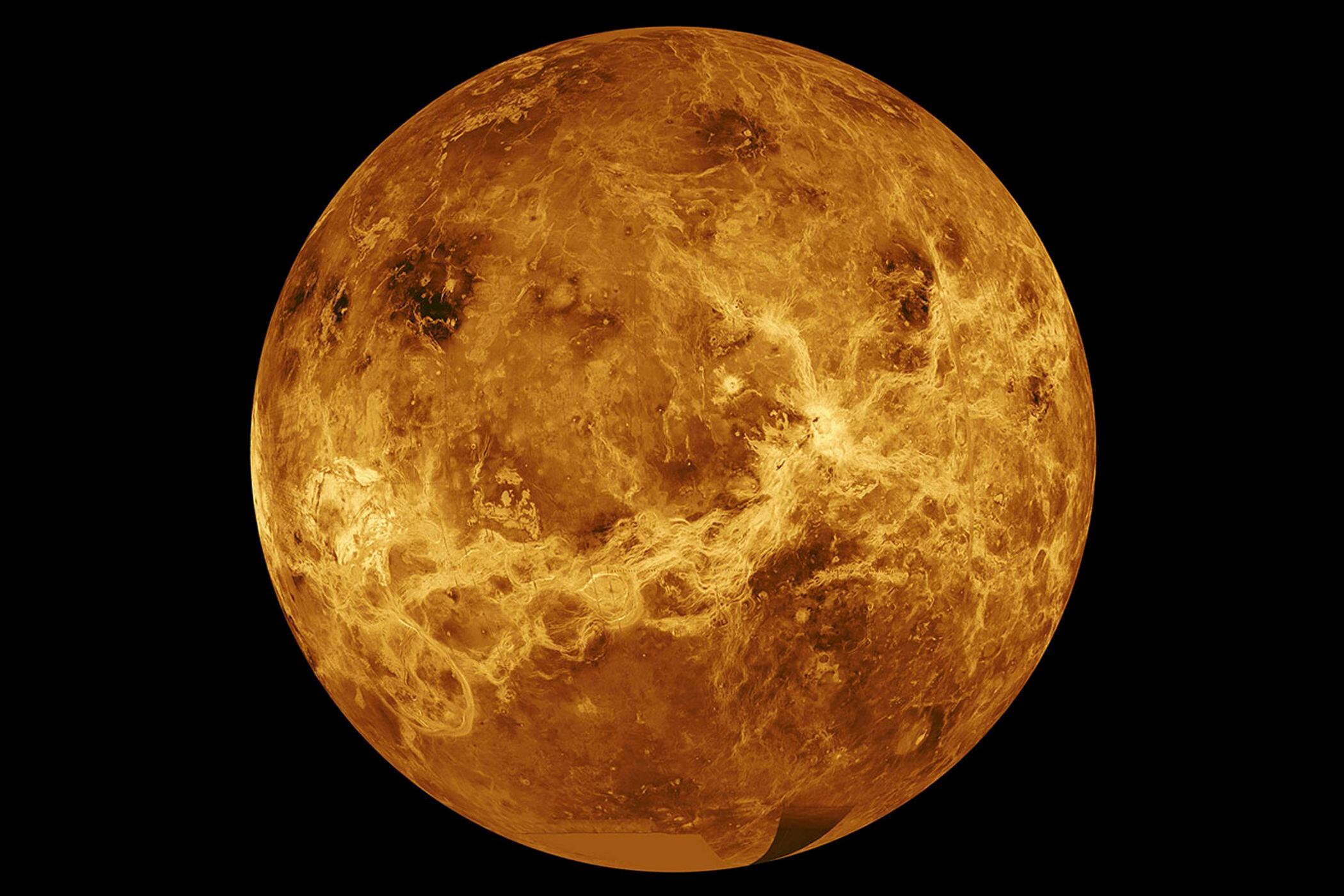
NASA is returning to sizzling Venus, our closest yet perhaps most overlooked neighbor, after decades of exploring other worlds.