By Marcia Dunn
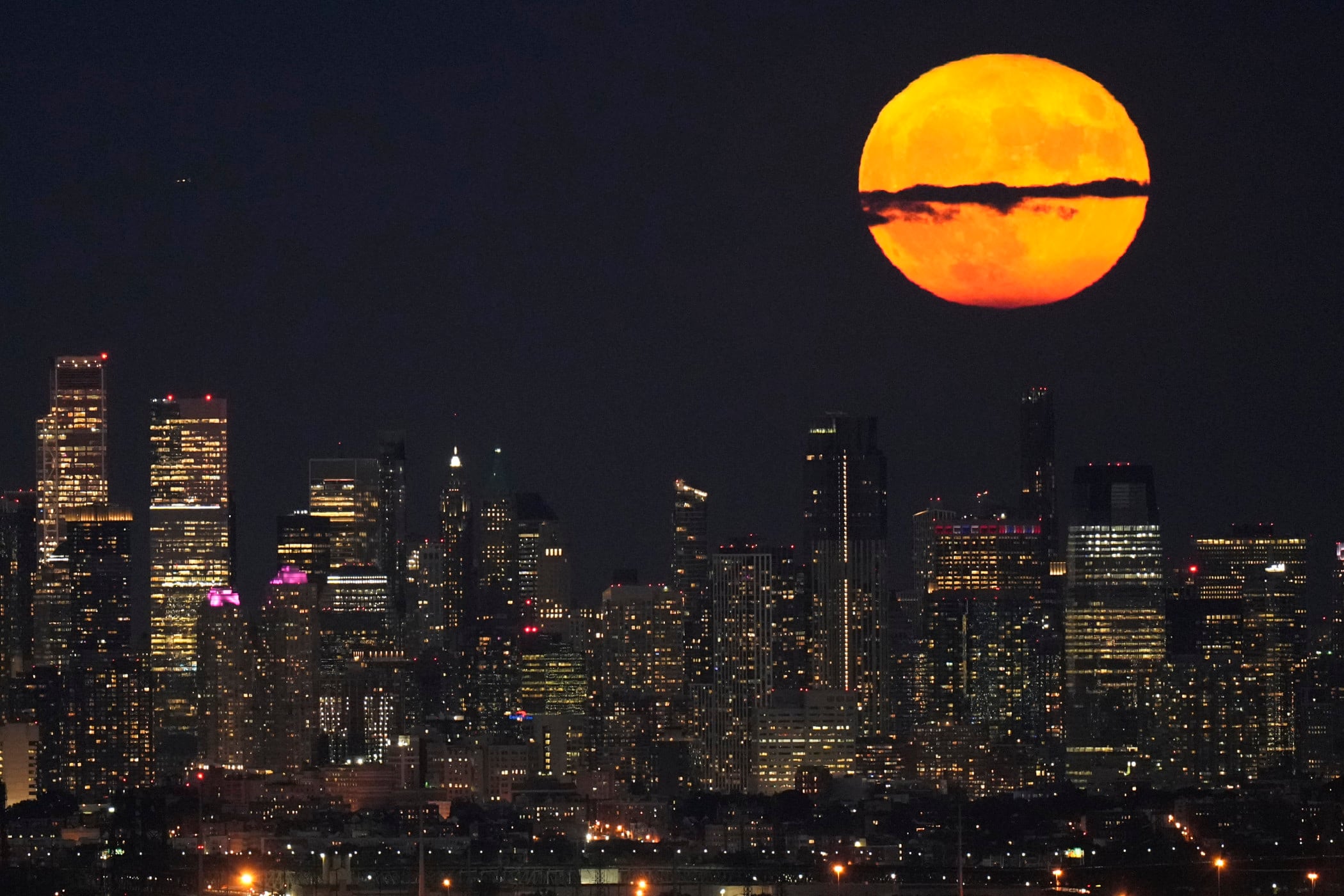
Stargazers are in for a double treat on Aug. 30: a rare blue supermoon with Saturn peeking from behind.
The cosmic curtain rises Wednesday night with the second full moon of the month, the reason it’s considered blue. It’s dubbed a supermoon because it’s closer to Earth than usual, appearing especially big and bright.
This will be the closest full moon of the year, just 222,043 miles (357,344 kilometers) or so away. That’s more than 100 miles (160 kilometers) closer than the Aug. 1 supermoon.
As a bonus, Saturn will be visible as a bright point 5 degrees to the upper right of the moon at sunset in the east-southeastern sky, according to NASA. The ringed planet will appear to circle clockwise around the moon as the night wears on.
If you missed the month’s first spectacle, better catch this one. There won’t be another blue supermoon until 2037, according to Italian astronomer Gianluca Masi, founder of the Virtual Telescope Project.
Clouds spoiled Masi's attempt to livestream the supermoon rising earlier this month. He’s hoping for clearer skies this time so he can capture the blue supermoon shining above St. Peter’s Basilica at the Vatican.
Weather permitting, observers don’t need binoculars or telescopes — “just their own eyes." said Masi.
“I’m always excited to admire the beauty of the night sky,” he said, especially when it features a blue supermoon.
The first supermoon of 2023 was in July. The fourth and last will be in September.
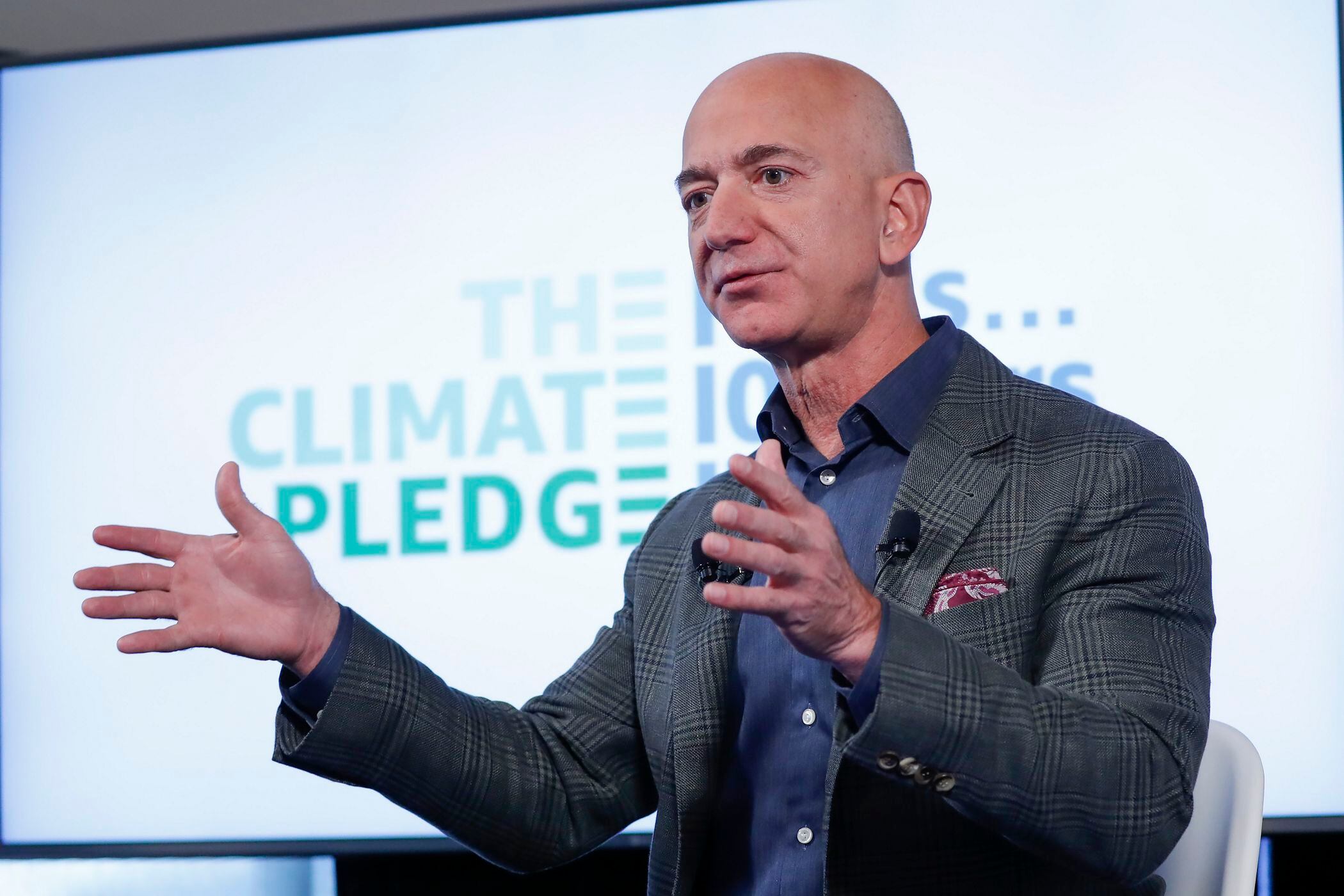
Amazon founder and soon-to-be-space traveler Jeff Bezos is donating $200 million to the Smithsonian Institution to boost its National Air and Space Museum.
Johnson & Johnson says it is recalling five of its sunscreen products after some samples were found to contained low levels of benzene, a chemical that can cause cancer with repeated exposure.
Officials in Minnesota say they’re finding more giant goldfish in waterways, prompting a plea to citizens to stop illegally dumping their unwanted fish into ponds and lakes.
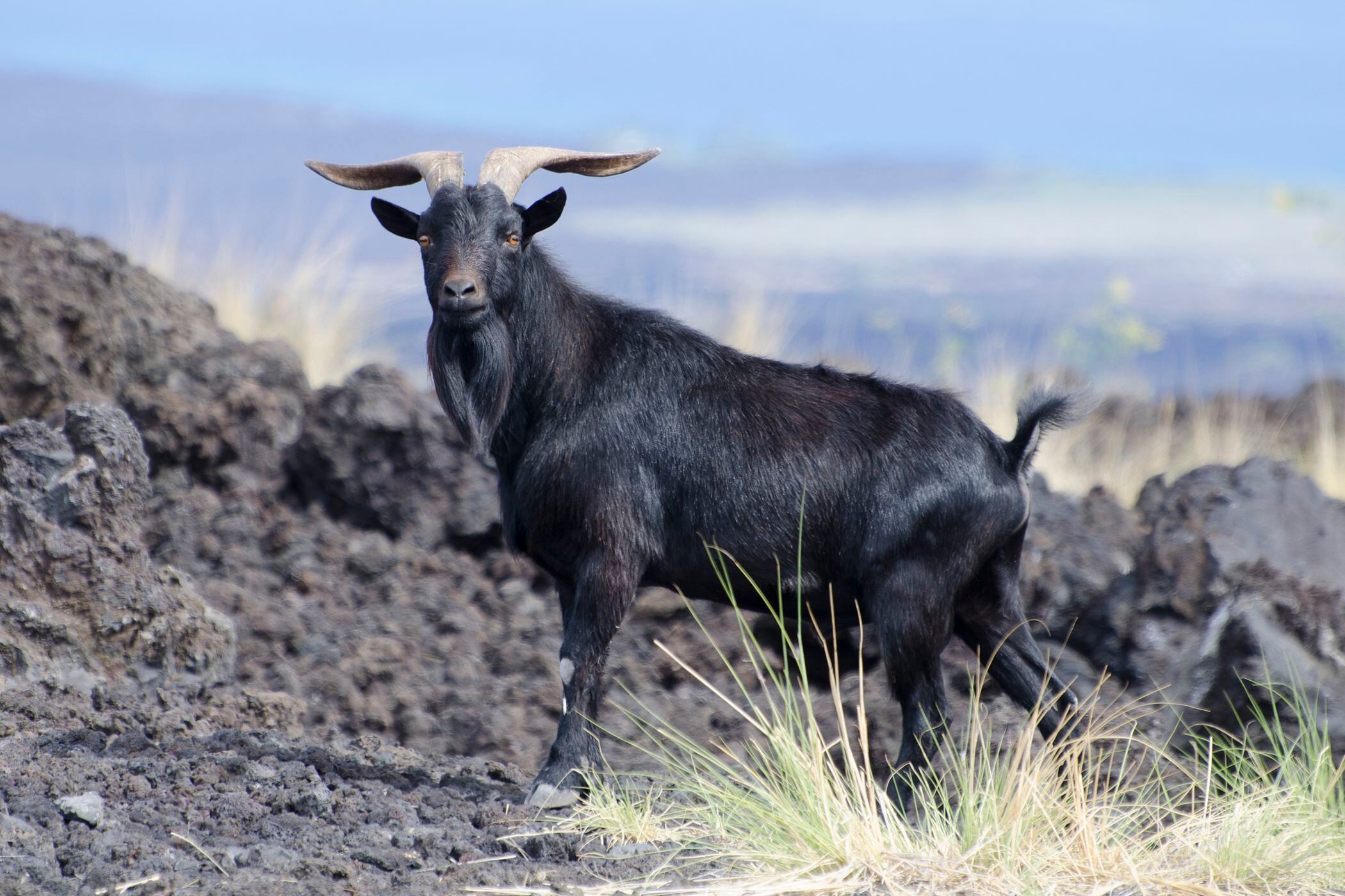
Hawaii officials will hold a lottery to distribute invasive goats that are overrunning an important historical and cultural site.
Firefighters are working in extreme temperatures across the U.S. West and struggling to contain wildfires as another heat wave baked the region, straining power grids.
Indian officials say lightning has killed at least 38 people across two states over the past 24 hours.
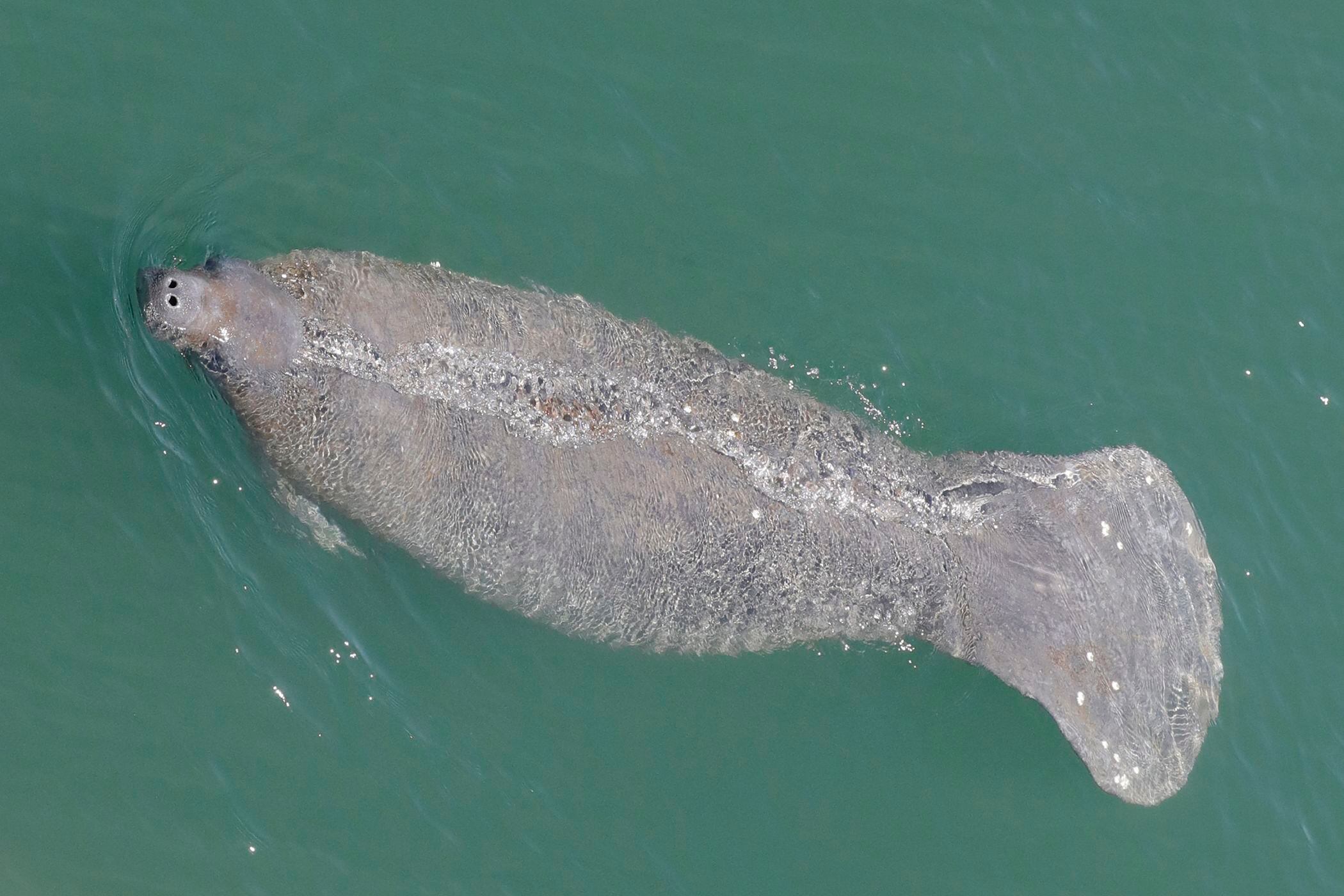
More manatees have died already this year than in any other year in Florida’s recorded history, primarily from starvation due to the loss of seagrass beds.
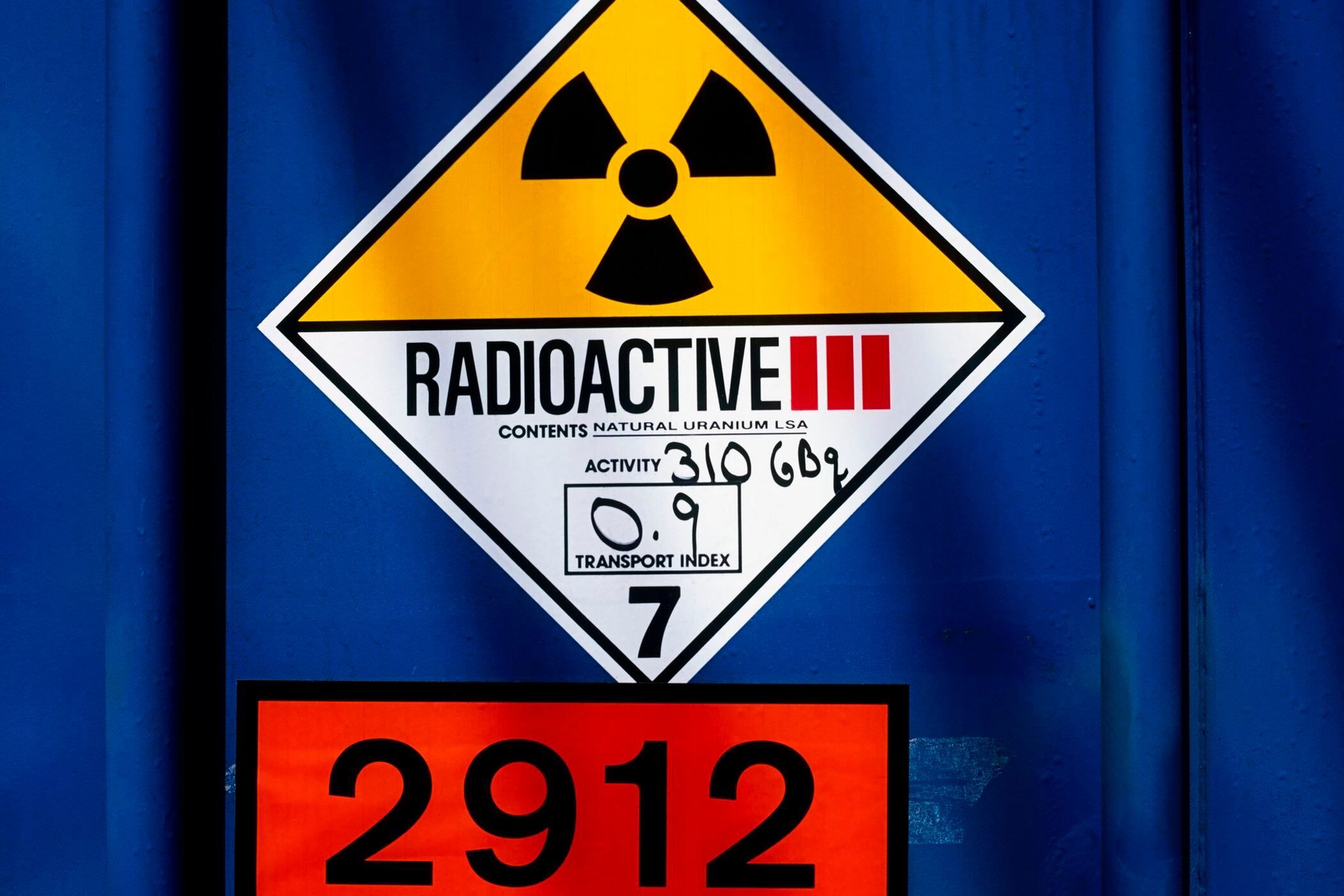
"Uranium bulls," a small but devoted group of investors, see an opportunity in the metal commodity that makes nuclear power possible.
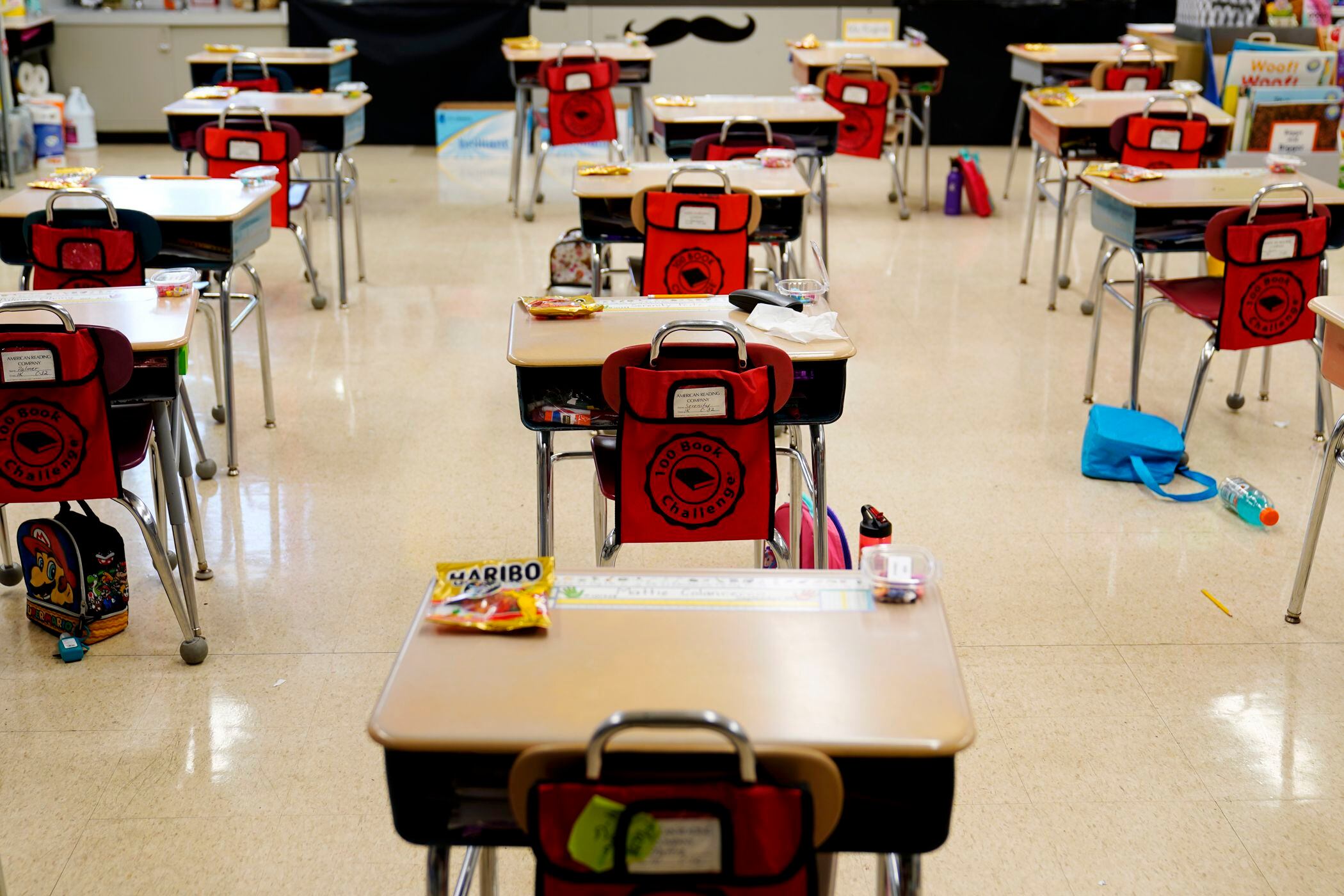
U.S. health officials say vaccinated teachers and students don't need to wear masks inside school buildings.
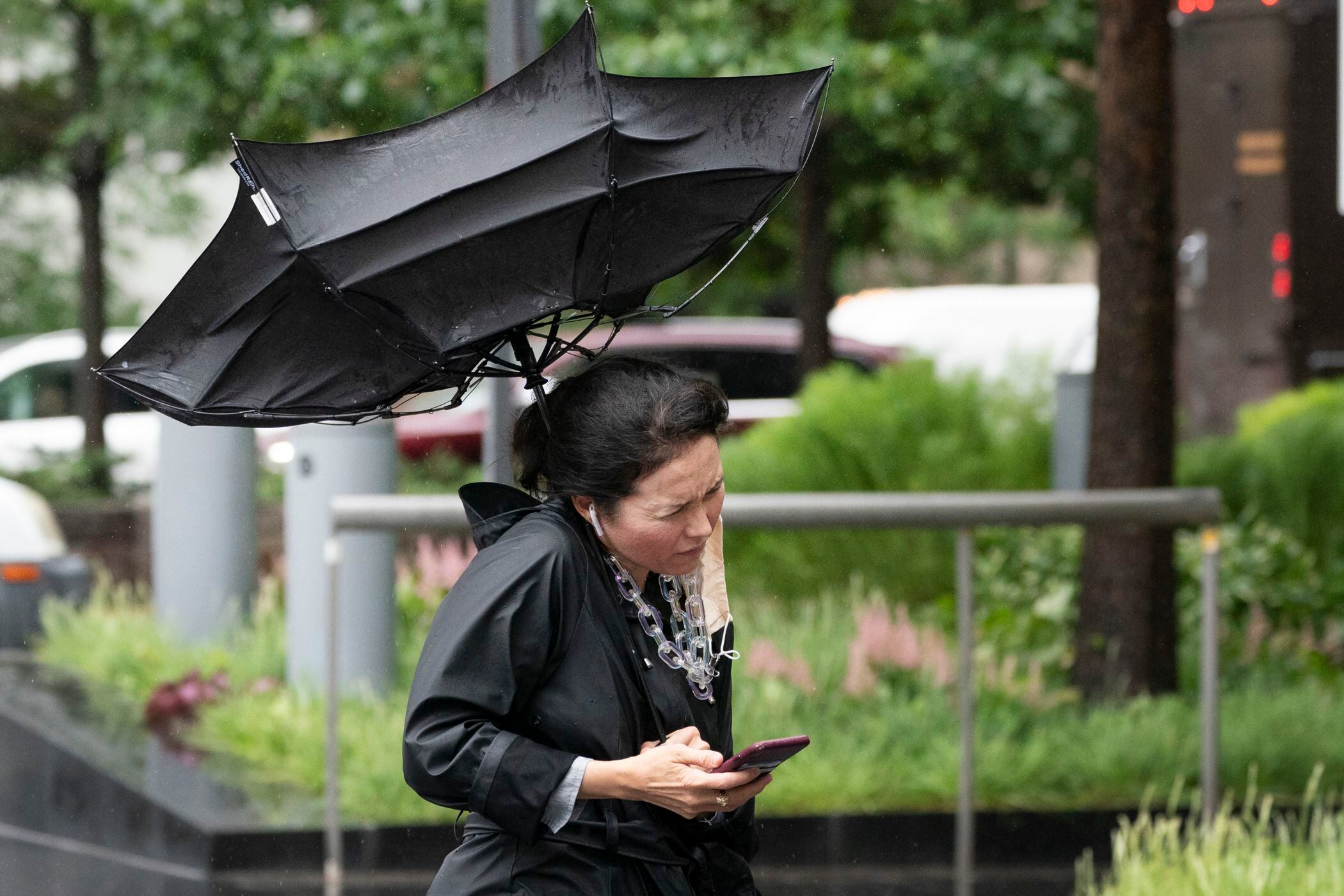
Fast-moving Tropical Storm Elsa hit the New York City region with heavy rain and high winds, toppling trees and hindering some commuter rail service as it churned its way toward New England.