By Marcia Dunn
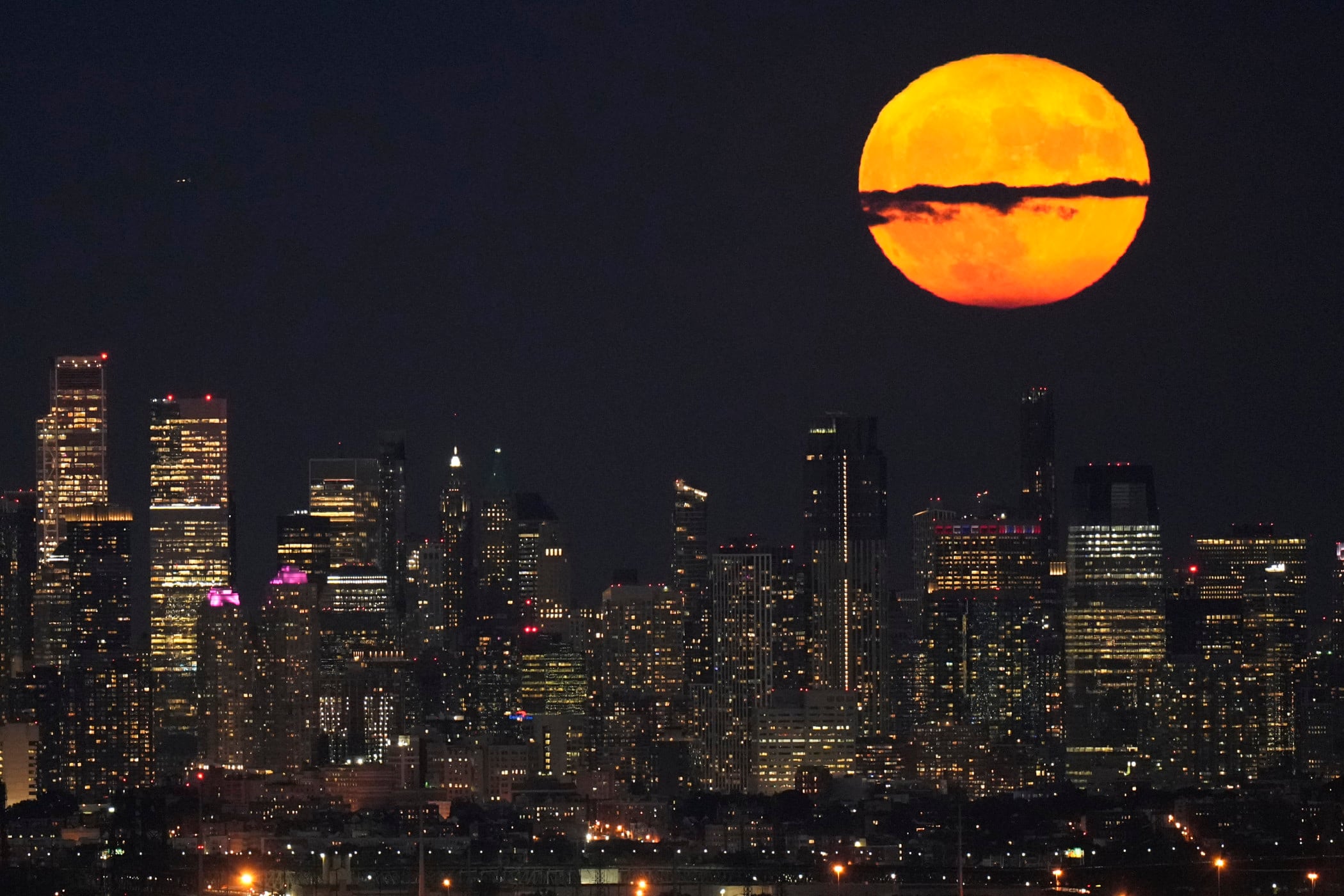
Stargazers are in for a double treat on Aug. 30: a rare blue supermoon with Saturn peeking from behind.
The cosmic curtain rises Wednesday night with the second full moon of the month, the reason it’s considered blue. It’s dubbed a supermoon because it’s closer to Earth than usual, appearing especially big and bright.
This will be the closest full moon of the year, just 222,043 miles (357,344 kilometers) or so away. That’s more than 100 miles (160 kilometers) closer than the Aug. 1 supermoon.
As a bonus, Saturn will be visible as a bright point 5 degrees to the upper right of the moon at sunset in the east-southeastern sky, according to NASA. The ringed planet will appear to circle clockwise around the moon as the night wears on.
If you missed the month’s first spectacle, better catch this one. There won’t be another blue supermoon until 2037, according to Italian astronomer Gianluca Masi, founder of the Virtual Telescope Project.
Clouds spoiled Masi's attempt to livestream the supermoon rising earlier this month. He’s hoping for clearer skies this time so he can capture the blue supermoon shining above St. Peter’s Basilica at the Vatican.
Weather permitting, observers don’t need binoculars or telescopes — “just their own eyes." said Masi.
“I’m always excited to admire the beauty of the night sky,” he said, especially when it features a blue supermoon.
The first supermoon of 2023 was in July. The fourth and last will be in September.
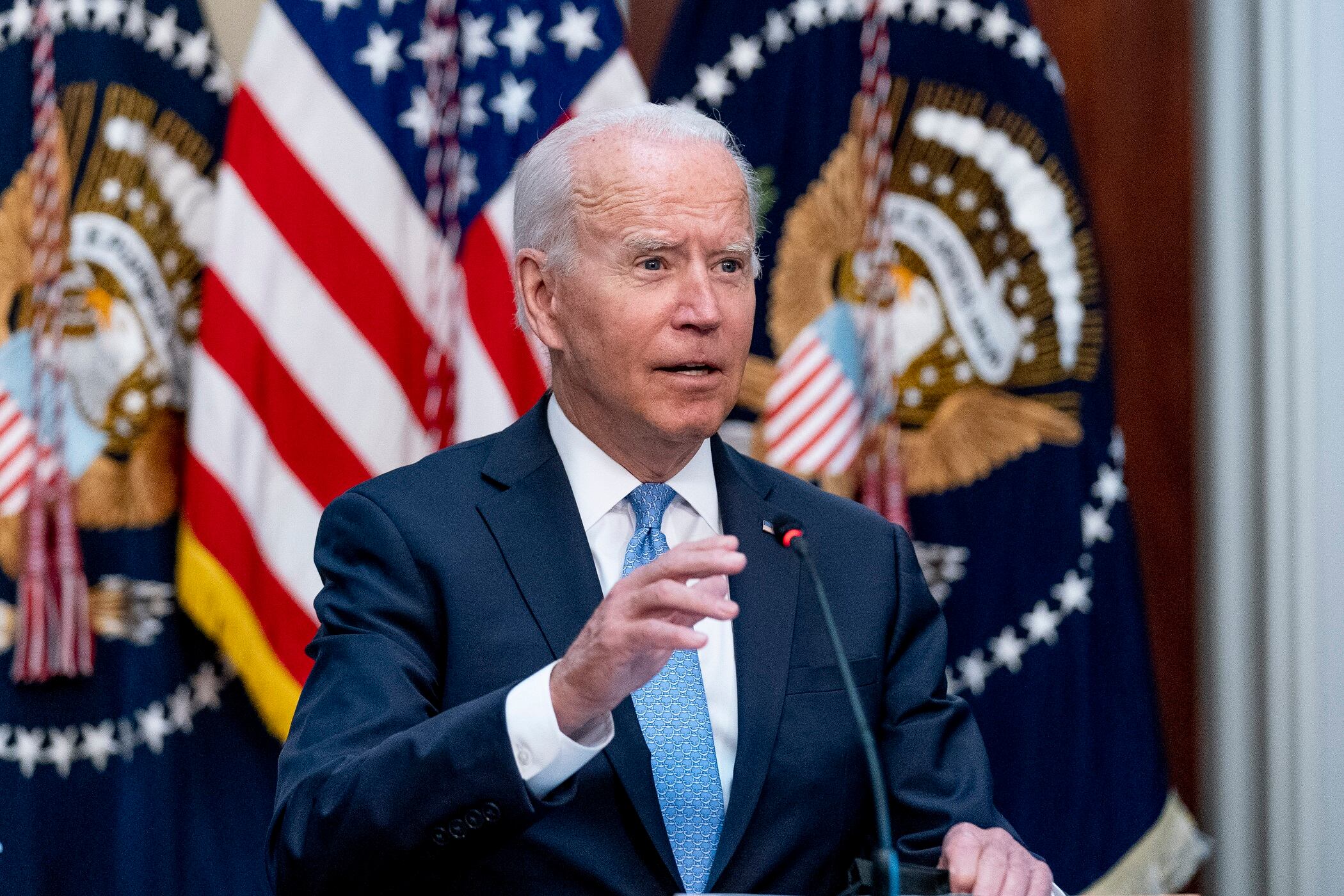
The White House says President Joe Biden will ease foreign travel restrictions into the U.S. beginning in November.
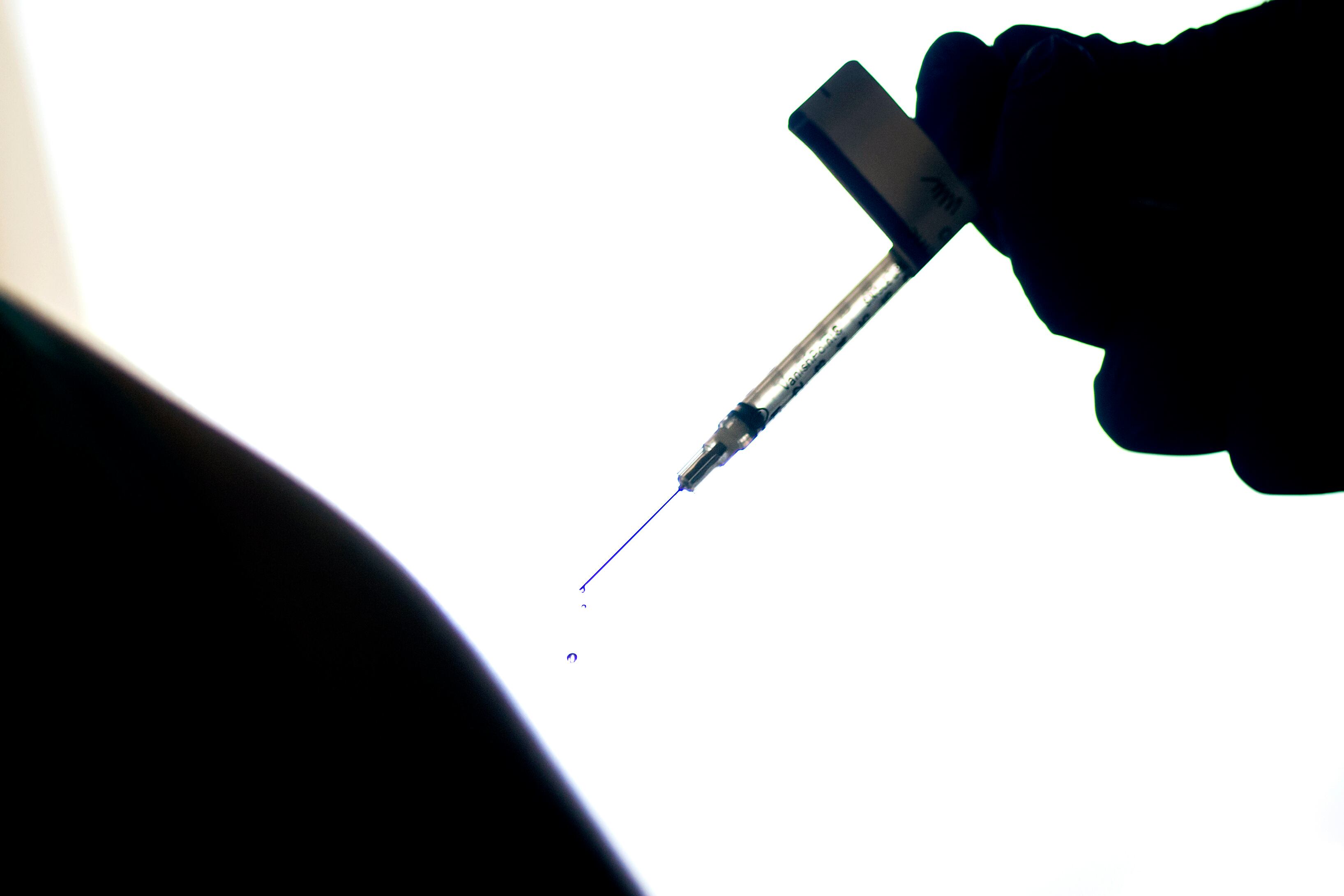
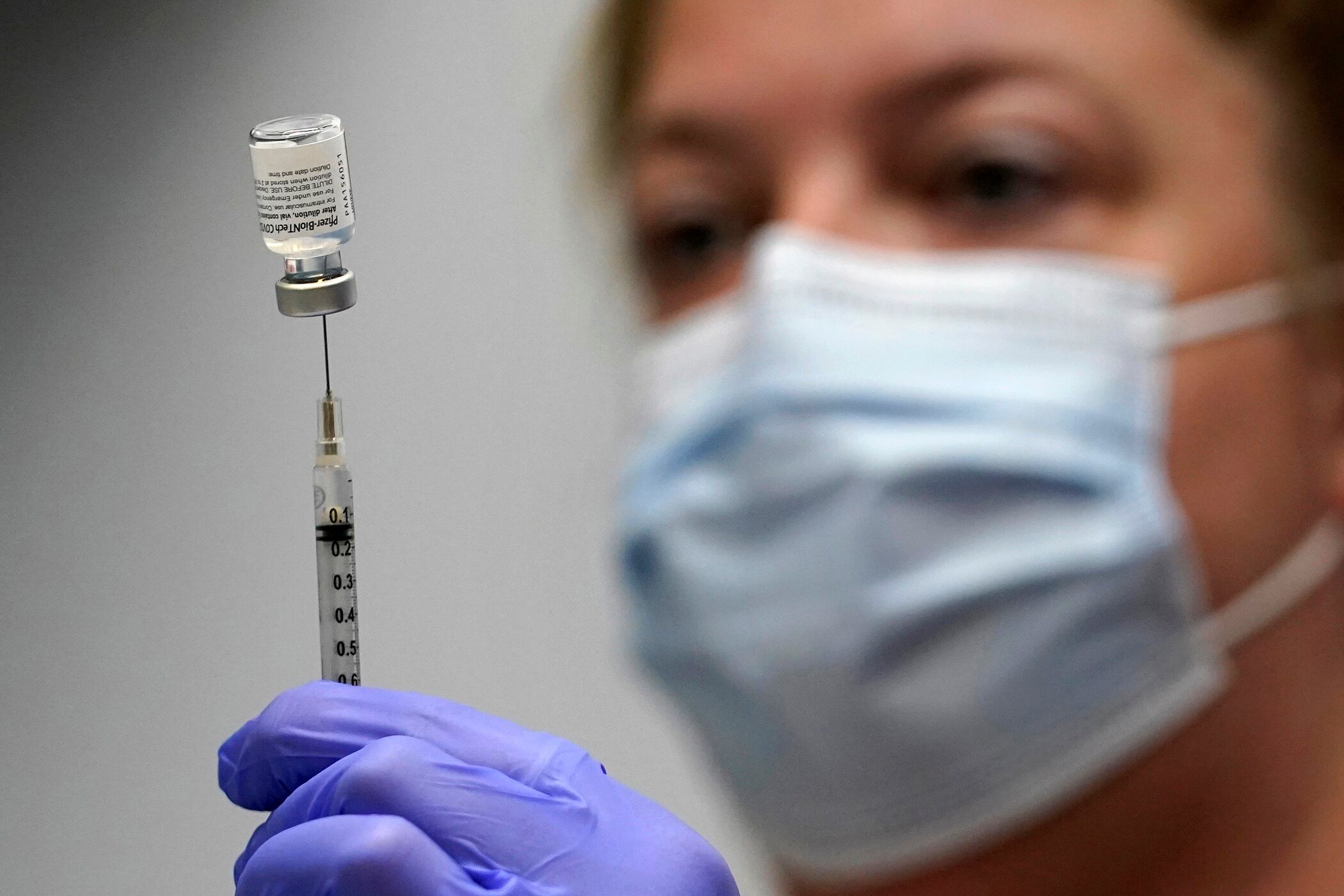
Pfizer says its COVID-19 vaccine works for children ages 5 to 11 and it will seek U.S. authorization for this age group soon — a key step toward beginning vaccinations for youngsters.
An influential federal advisory panel has overwhelmingly rejected a plan to give Pfizer booster shots against COVID-19 to most Americans, but it approved the extra shots for those who are 65 or older or run a high risk of severe disease.
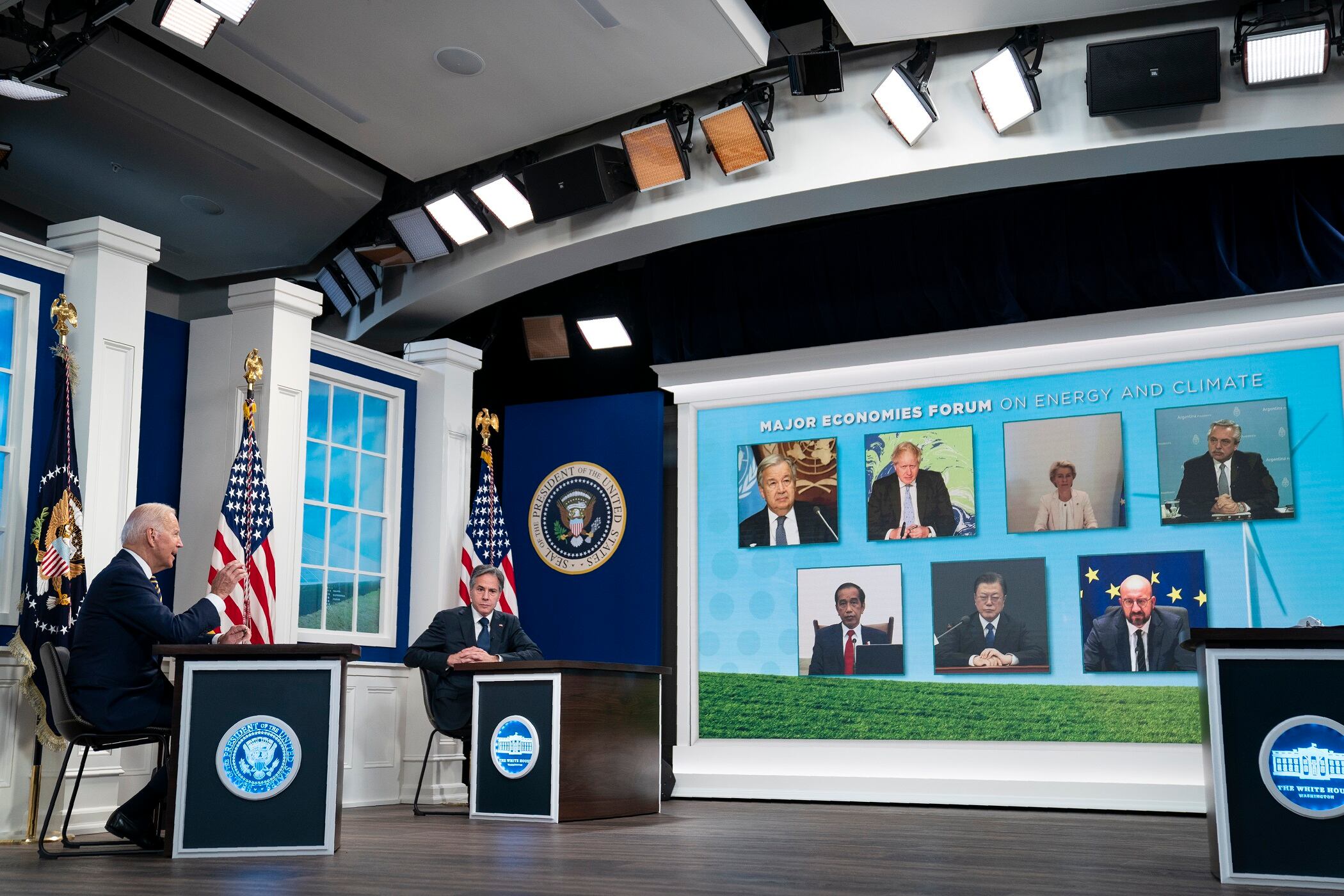
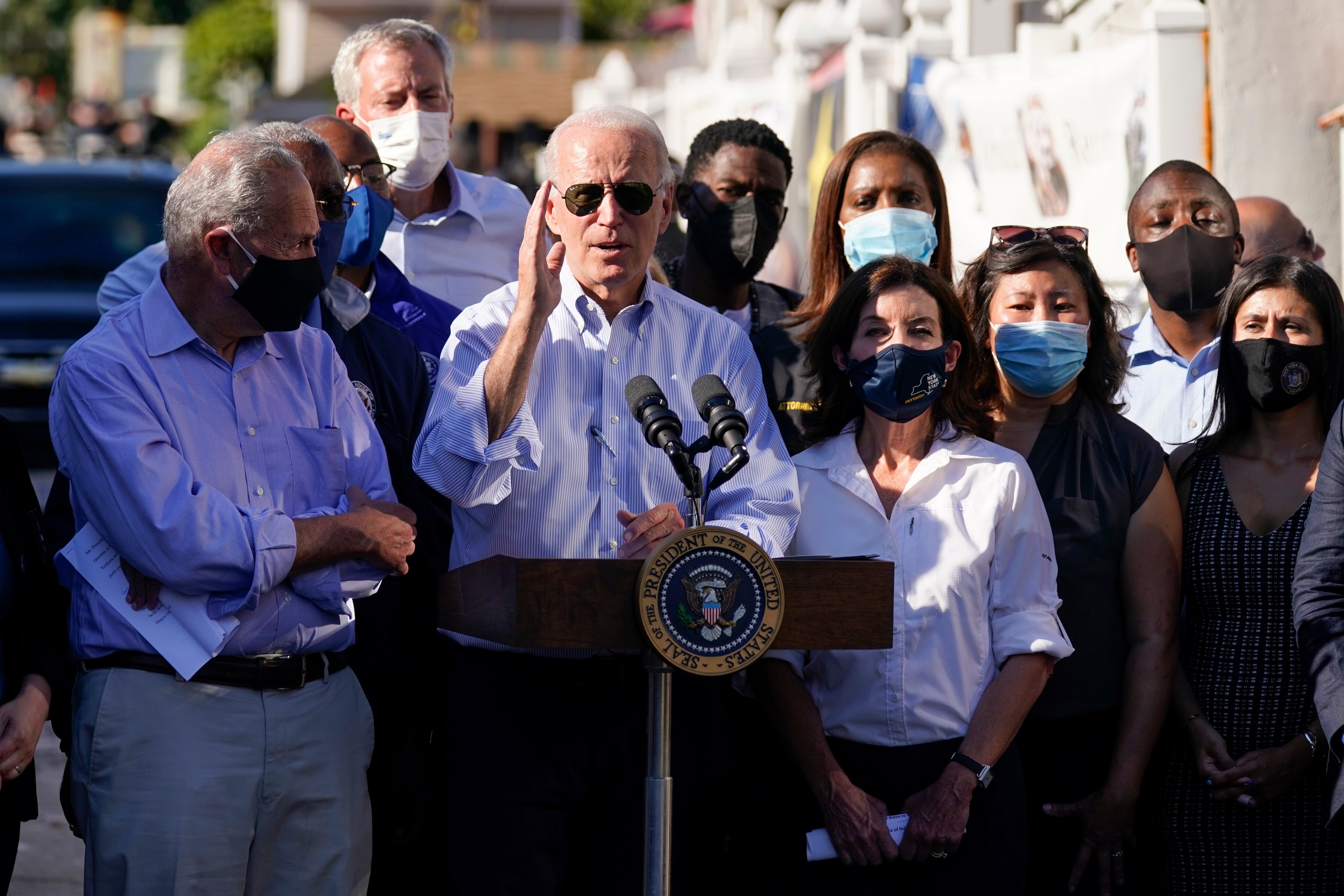
President Joe Biden is trying to hammer out the world’s next steps against rapidly worsening climate change in a private, virtual session with a small group of other global leaders.
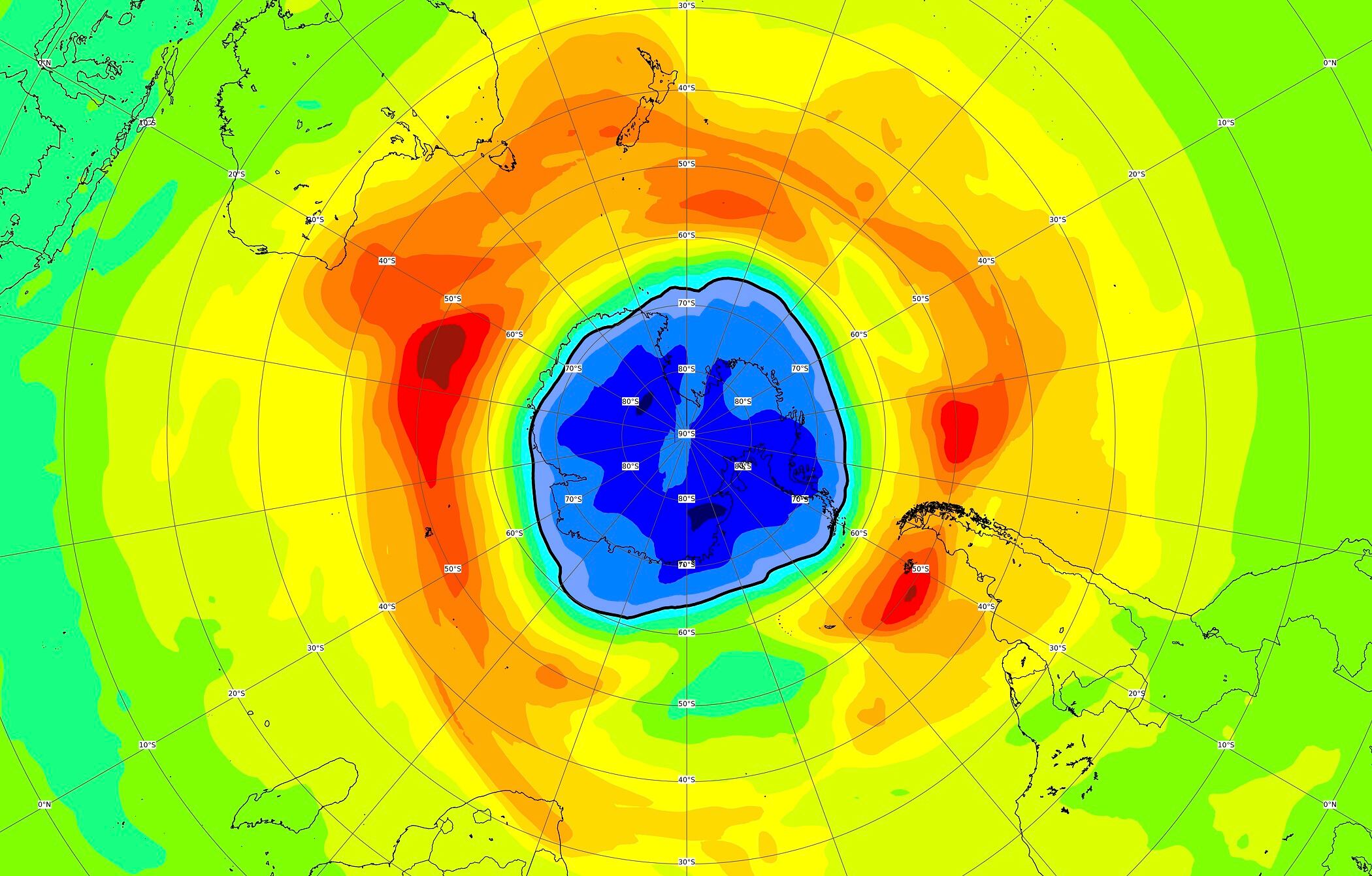
Scientists say the Southern Hemisphere ozone hole is larger than usual and already surpasses the size of Antarctica.
The slaughter of 1,428 white-sided dolphins as part of a four-century-old traditional drive of sea mammals into shallow water in the Faeroe Islands where they are killed has reignited a debate in the small North Atlantic islands.
Space Milestone, Booster Debate & Greatest Songs Ever
President Joe Biden has invited CEOs and business leaders to the White House to discuss COVID-19 mandates.
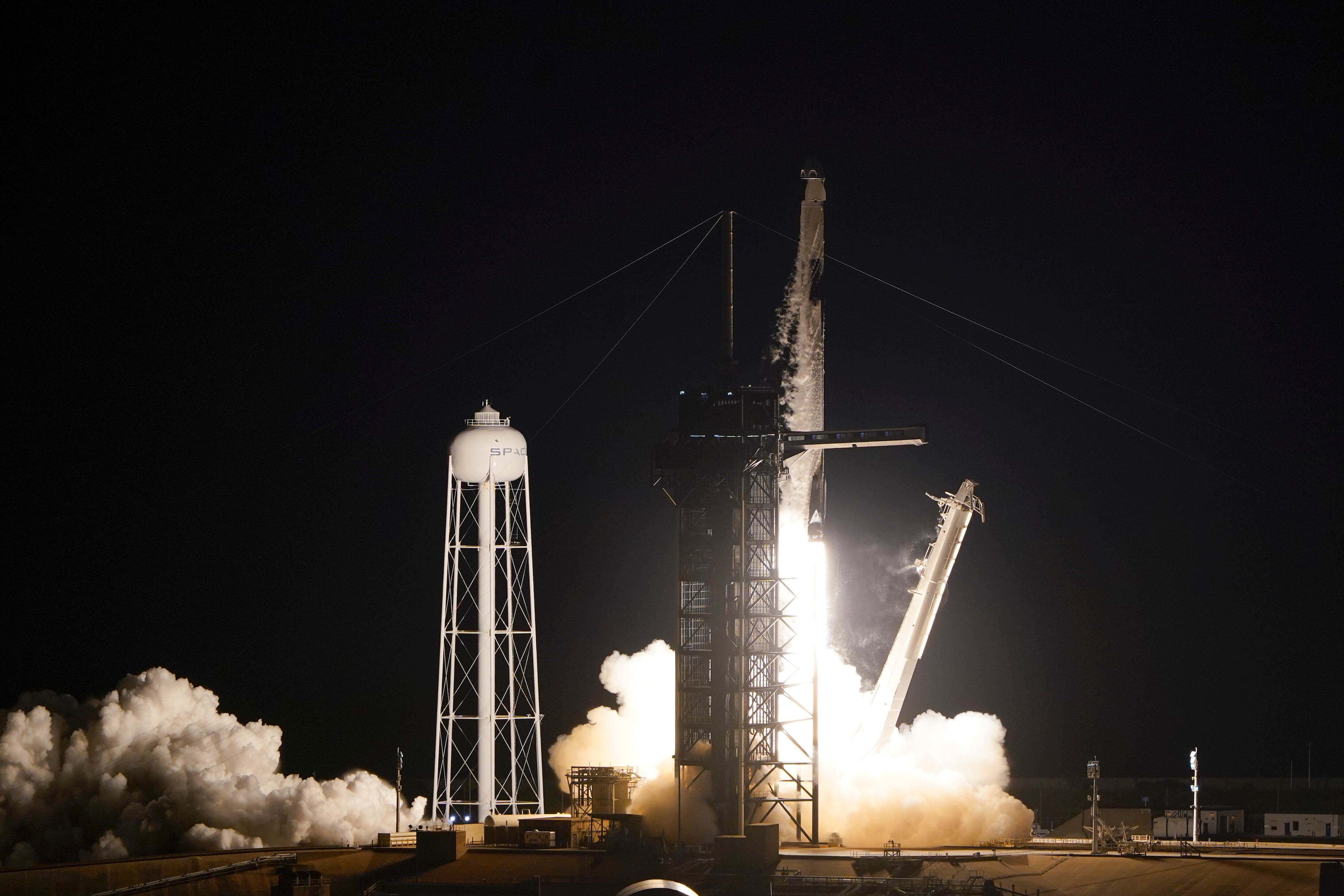
For the first time in 60 years of human spaceflight, a rocket is poised to blast into orbit with no professional astronauts on board, only four tourists.
Solar energy has the potential to supply up to 40% of the nation’s electricity within 15 years — a 10-fold increase over current solar output, but one that would require massive changes in U.S. policy and billions of dollars in federal investment to modernize the nation's electric grid, a new federal report says.