By Marcia Dunn
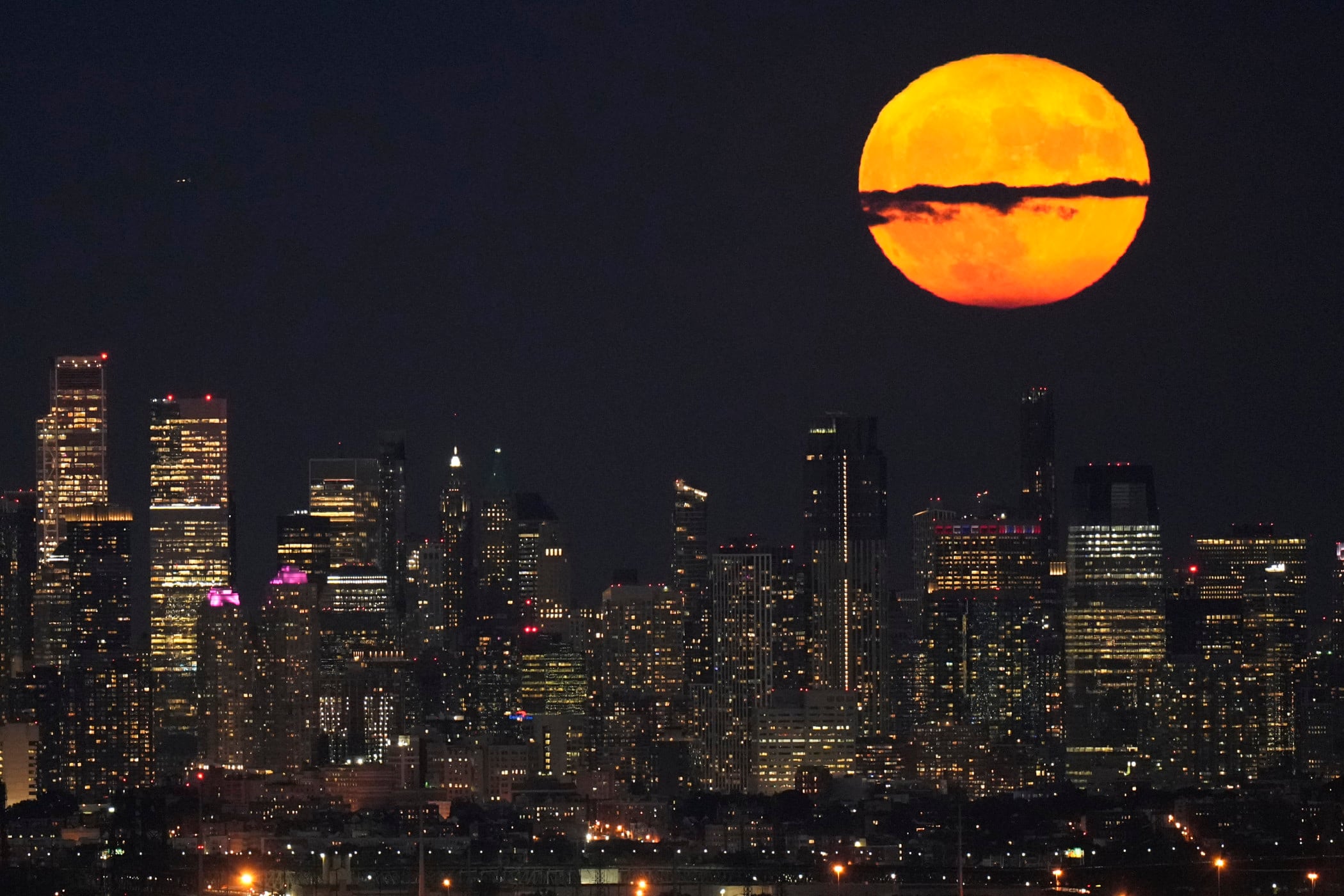
Stargazers are in for a double treat on Aug. 30: a rare blue supermoon with Saturn peeking from behind.
The cosmic curtain rises Wednesday night with the second full moon of the month, the reason it’s considered blue. It’s dubbed a supermoon because it’s closer to Earth than usual, appearing especially big and bright.
This will be the closest full moon of the year, just 222,043 miles (357,344 kilometers) or so away. That’s more than 100 miles (160 kilometers) closer than the Aug. 1 supermoon.
As a bonus, Saturn will be visible as a bright point 5 degrees to the upper right of the moon at sunset in the east-southeastern sky, according to NASA. The ringed planet will appear to circle clockwise around the moon as the night wears on.
If you missed the month’s first spectacle, better catch this one. There won’t be another blue supermoon until 2037, according to Italian astronomer Gianluca Masi, founder of the Virtual Telescope Project.
Clouds spoiled Masi's attempt to livestream the supermoon rising earlier this month. He’s hoping for clearer skies this time so he can capture the blue supermoon shining above St. Peter’s Basilica at the Vatican.
Weather permitting, observers don’t need binoculars or telescopes — “just their own eyes." said Masi.
“I’m always excited to admire the beauty of the night sky,” he said, especially when it features a blue supermoon.
The first supermoon of 2023 was in July. The fourth and last will be in September.
The shift from China to the U.S. has convinced some long-time bitcoin miners that renewable energy and crypto mining may actually be a better match for each other than expected.
Colorado wildlife officials say an elusive elk that has been wandering the hills with a car tire around its neck for at least two years has finally been freed of the obstruction.
A popular Southern California beach that was closed for more than a week after an undersea pipeline leaked crude into ocean waters has reopened and it happened far sooner than many expected.
Amplify Energy’s emergency response plan for a major oil spill like the one unfolding in coastal Southern California depended heavily on a quick shutdown of its pipeline if sensors pick up a sudden loss of pressure.
A Russian actor and a film director have rocketed into space to make the world’s first movie in orbit.
Drugmaker Merck said Friday that its experimental COVID-19 pill reduced hospitalizations and deaths by half in people recently infected with the coronavirus and that it would soon ask health officials in the U.S. and around the world to authorize its use.
Video-sharing tech platform YouTube on Wednesday announced immediate bans on false claims that vaccines are dangerous and cause health issues like autism, cancer or infertility.
Alex Bell, a Post-Doctoral Scholar at UCLA, joins 'Cheddar Reveals' to discuss how exposure to innovation influences who becomes an inventor and how much genius has been lost over the years.
President Joe Biden is urging those now eligible for COVID-19 booster shots to get the added protection.
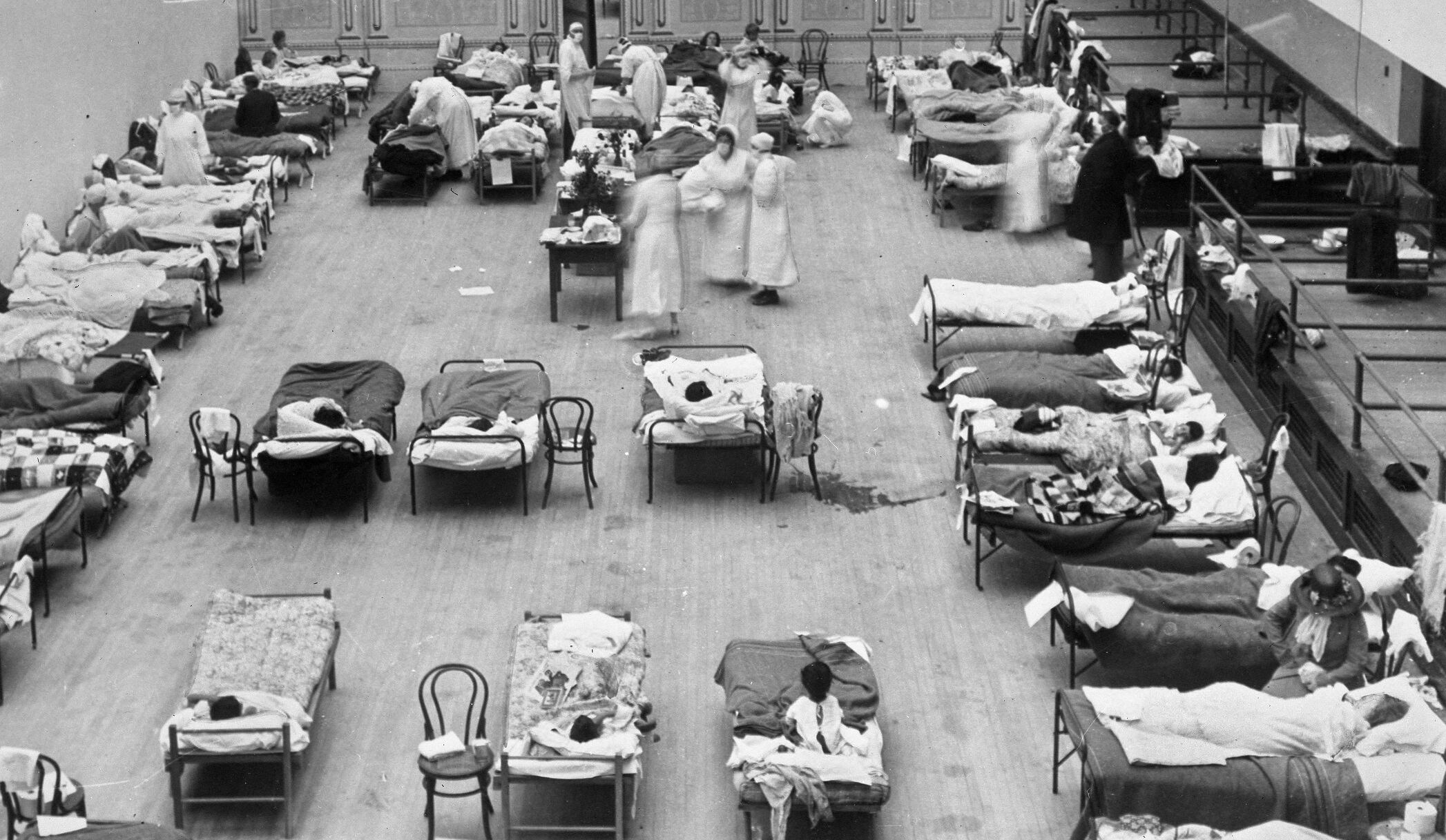
COVID-19 has now killed about as many Americans as the 1918-19 Spanish flu pandemic did — approximately 675,000.