In this handout photo taken from a footage released by Russian Defense Ministry Press Service on March 26, 2021, A Russian nuclear submarine breaks through the Arctic ice during military drills at an unspecified location. Russian President Vladimir Putin on Friday hailed the military's performance during recent Arctic drills, part of Moscow's efforts to expand its presence in the polar region. (Russian Defense Ministry Press Service via AP)
By Vladimir Isachenkov
Russian President Vladimir Putin on Friday hailed the military's performance during recent Arctic drills, part of Moscow's efforts to expand its presence in the polar region.
Navy chief Adm. Nikolai Yevmenov reported to Putin that the exercise has featured three nuclear submarines simultaneously breaking through Arctic Ice, and warplanes flying over the North Pole.
This week’s drills were conducted around Alexandra Land, an island that is part of the Franz Josef Land archipelago where the military has recently built a base.
Russia has prioritized beefing up its military presence in the Arctic region, which is believed to hold up to one-quarter of the Earth’s undiscovered oil and gas. Putin in the past has cited estimates that put the value of Arctic mineral riches at $30 trillion.
Russia, the United States, Canada, Denmark and Norway all have been trying to assert jurisdiction over parts of the Arctic, as shrinking polar ice opens new opportunities for tapping resources and opening new shipping lanes.
As part of its efforts to project its power over the Arctic, the Russian military has rebuilt and expanded numerous facilities across the polar region in recent years, revamping runways and deploying additional surveillance and air defense assets.
As part of this week's maneuvers, a pair of MiG-31 fighters flew over the North Pole, Yevmenov said. A Defense Ministry video featured them being refueled by a tanker plane.
The video also showed three nuclear submarines that smashed through the Arctic ice next to one another.
Putin noted that the exercise was unprecedented for the military and praised its skills. He added that the maneuvers also have proven the reliability of Russian weapons in polar conditions.
“I order to continue Arctic expeditions and research in the Far North to help ensure Russia's security,” Putin told the navy chief.
The Russian military has expanded the number and the scope of its war games amid bitter tensions in ties with the West, which have sunk to post-Cold War lows after Russia’s 2014 annexation of Ukraine’s Crimea.
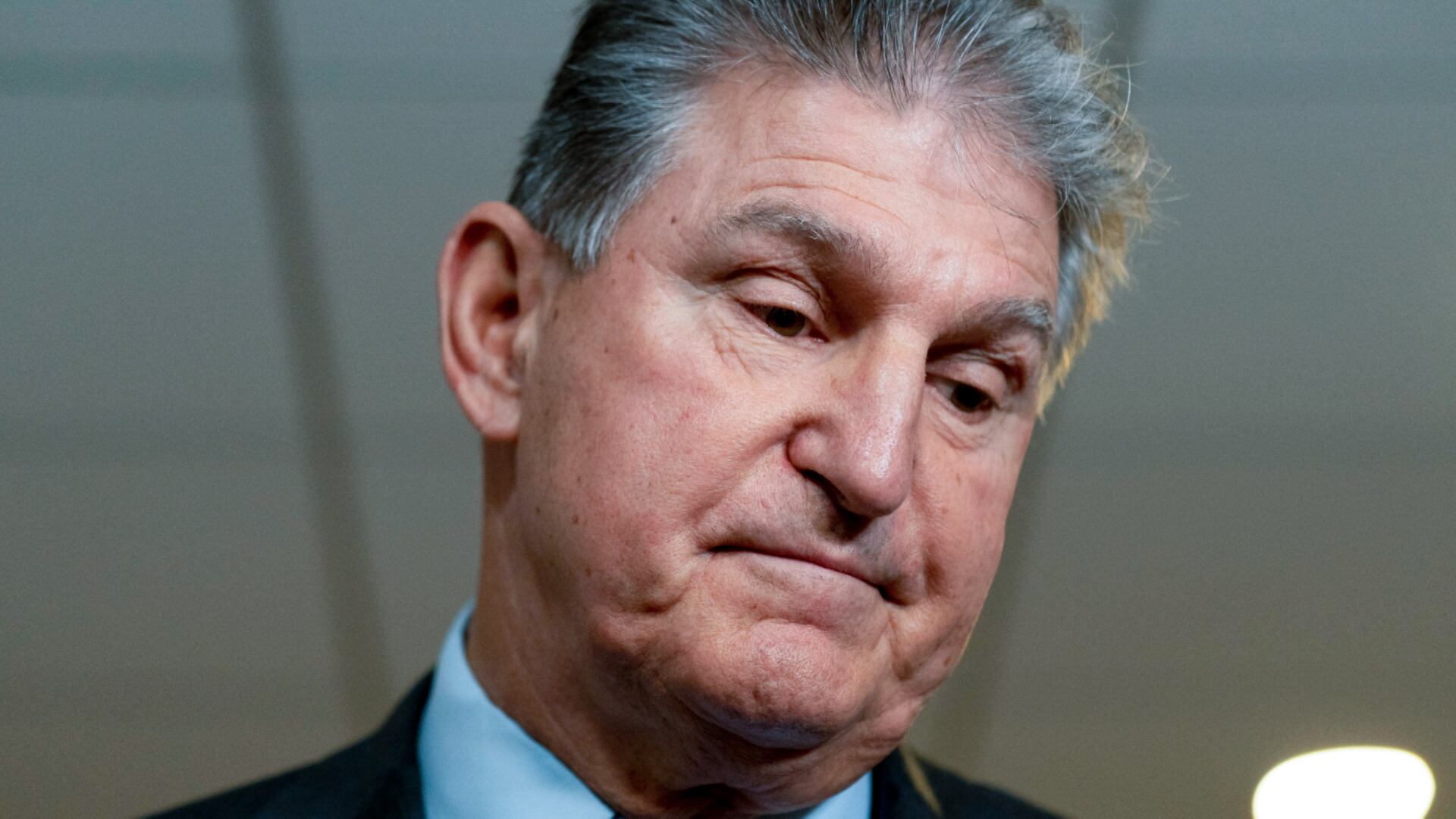
The Hill's White House Correspondent Alex Gangitano joined Wake Up With Cheddar to break down the deterioration of Senator Manchin and President Biden's relationship, as the White House calls out the West Virginia lawmaker for "breaching his commitments to the President."
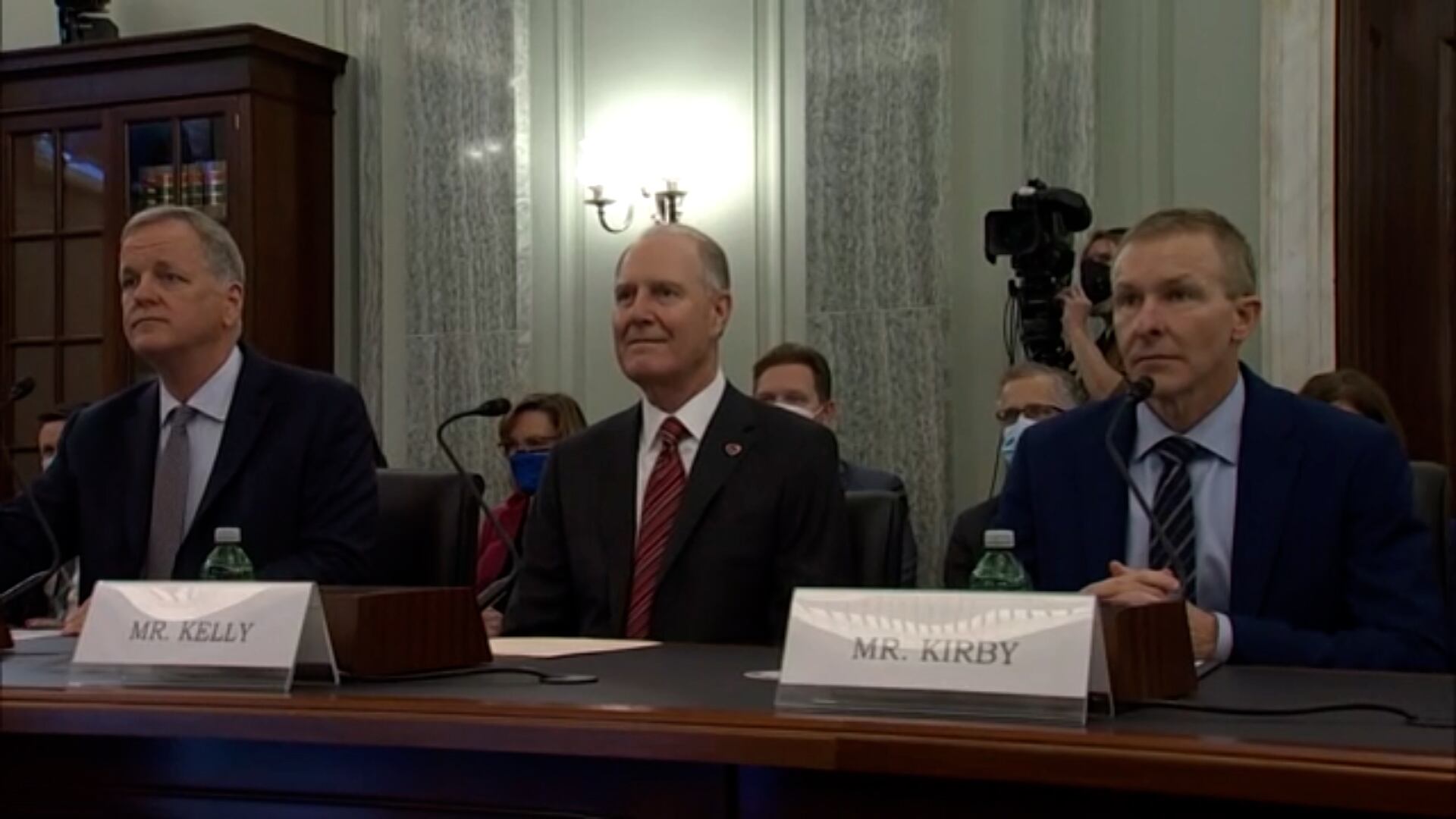
Airline executives faced tough questions from a Senate panel on Wednesday after receiving a $54 billion dollar Covid-19 government lifeline. Congress approved the fund in three rounds covering much of US airlines’ payroll costs for 18 months. During the hearing lawmakers asked CEO’s how they used the federal bailout funds, about staffing issues, flight cancellations, and delays. U.S. airlines reported a record $35 billion dollar loss last year when travel came to an abrupt halt because of the pandemic. Michael Boyd, CEO at the Boyd Group International explains why customers may not be returning to the skies quite so soon.
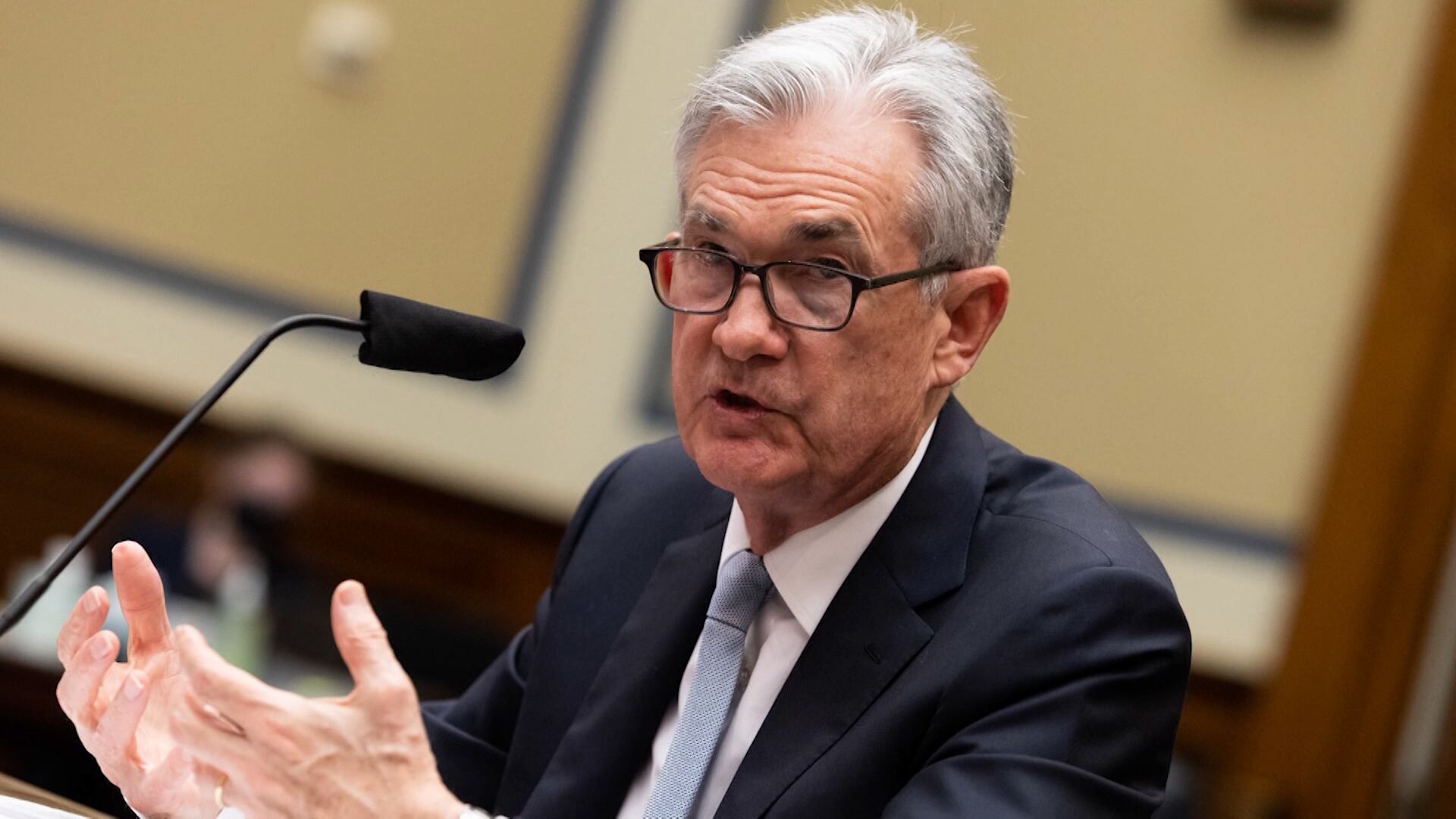
Senior Global Market Strategist at Wells Fargo Investment Institute Scott Wren joined Wake Up With Cheddar to recap the central bank's policy change, and how it may impact the economy moving forward.
Carlo's joined by a quarantining Baker to discuss the headlines from the weekend as Omicron spreads like wildfire, Manchin kills Biden's signature bill and Spider-Man throws a lifeline to the box office.
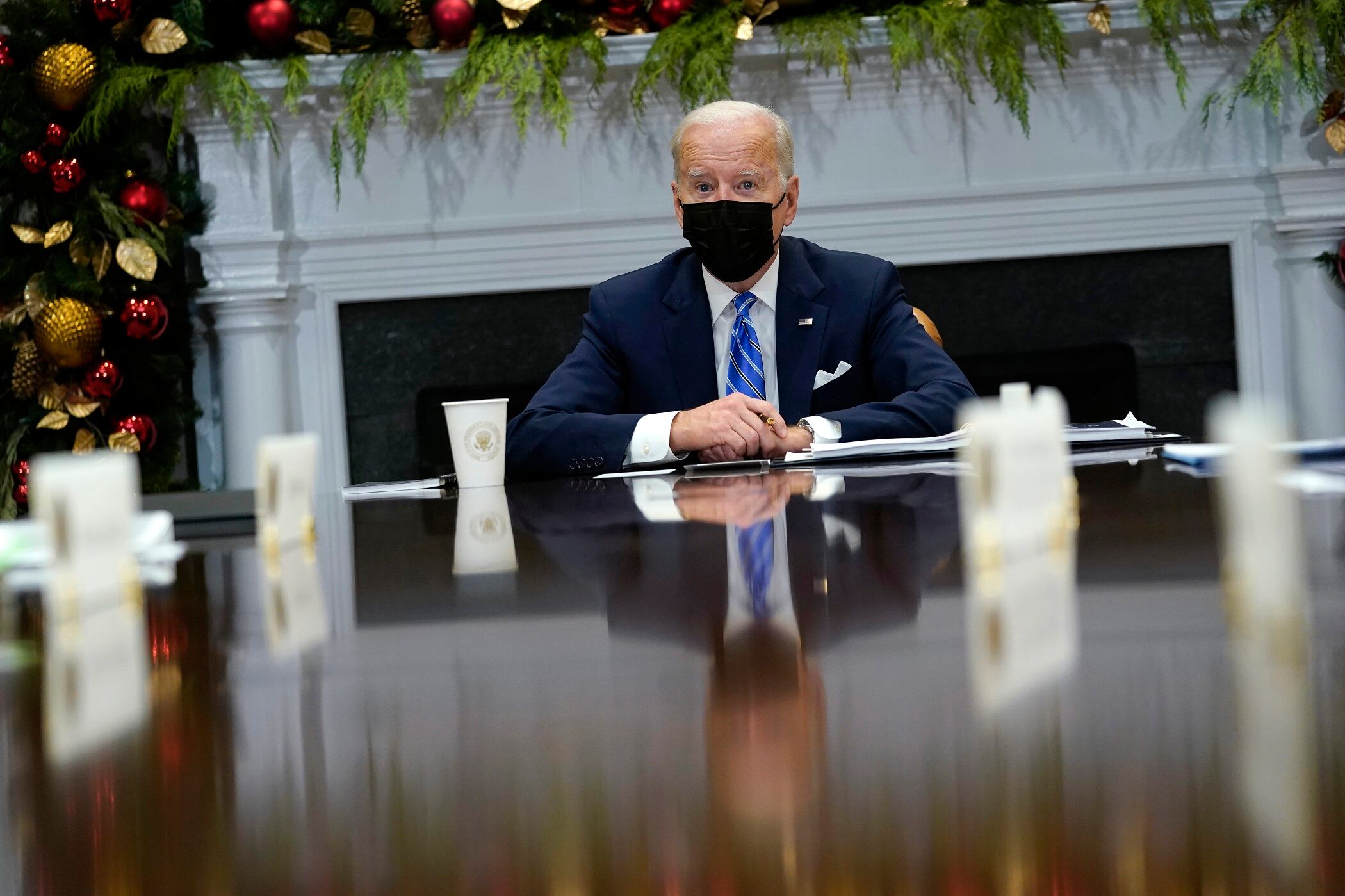
President Joe Biden is pledging to do “whatever it takes, as long as it takes” to help Kentucky and other states recover and rebuild after a series of deadly tornadoes that he says left a trail of unimaginable devastation.
The Federal Reserve has nixed the controversial word "transitory" to describe inflation in its latest policy statement. The change in language comes as the Fed plans to speed up its tapering of monthly asset purchases.