In this handout photo taken from a footage released by Russian Defense Ministry Press Service on March 26, 2021, A Russian nuclear submarine breaks through the Arctic ice during military drills at an unspecified location. Russian President Vladimir Putin on Friday hailed the military's performance during recent Arctic drills, part of Moscow's efforts to expand its presence in the polar region. (Russian Defense Ministry Press Service via AP)
By Vladimir Isachenkov
Russian President Vladimir Putin on Friday hailed the military's performance during recent Arctic drills, part of Moscow's efforts to expand its presence in the polar region.
Navy chief Adm. Nikolai Yevmenov reported to Putin that the exercise has featured three nuclear submarines simultaneously breaking through Arctic Ice, and warplanes flying over the North Pole.
This week’s drills were conducted around Alexandra Land, an island that is part of the Franz Josef Land archipelago where the military has recently built a base.
Russia has prioritized beefing up its military presence in the Arctic region, which is believed to hold up to one-quarter of the Earth’s undiscovered oil and gas. Putin in the past has cited estimates that put the value of Arctic mineral riches at $30 trillion.
Russia, the United States, Canada, Denmark and Norway all have been trying to assert jurisdiction over parts of the Arctic, as shrinking polar ice opens new opportunities for tapping resources and opening new shipping lanes.
As part of its efforts to project its power over the Arctic, the Russian military has rebuilt and expanded numerous facilities across the polar region in recent years, revamping runways and deploying additional surveillance and air defense assets.
As part of this week's maneuvers, a pair of MiG-31 fighters flew over the North Pole, Yevmenov said. A Defense Ministry video featured them being refueled by a tanker plane.
The video also showed three nuclear submarines that smashed through the Arctic ice next to one another.
Putin noted that the exercise was unprecedented for the military and praised its skills. He added that the maneuvers also have proven the reliability of Russian weapons in polar conditions.
“I order to continue Arctic expeditions and research in the Far North to help ensure Russia's security,” Putin told the navy chief.
The Russian military has expanded the number and the scope of its war games amid bitter tensions in ties with the West, which have sunk to post-Cold War lows after Russia’s 2014 annexation of Ukraine’s Crimea.
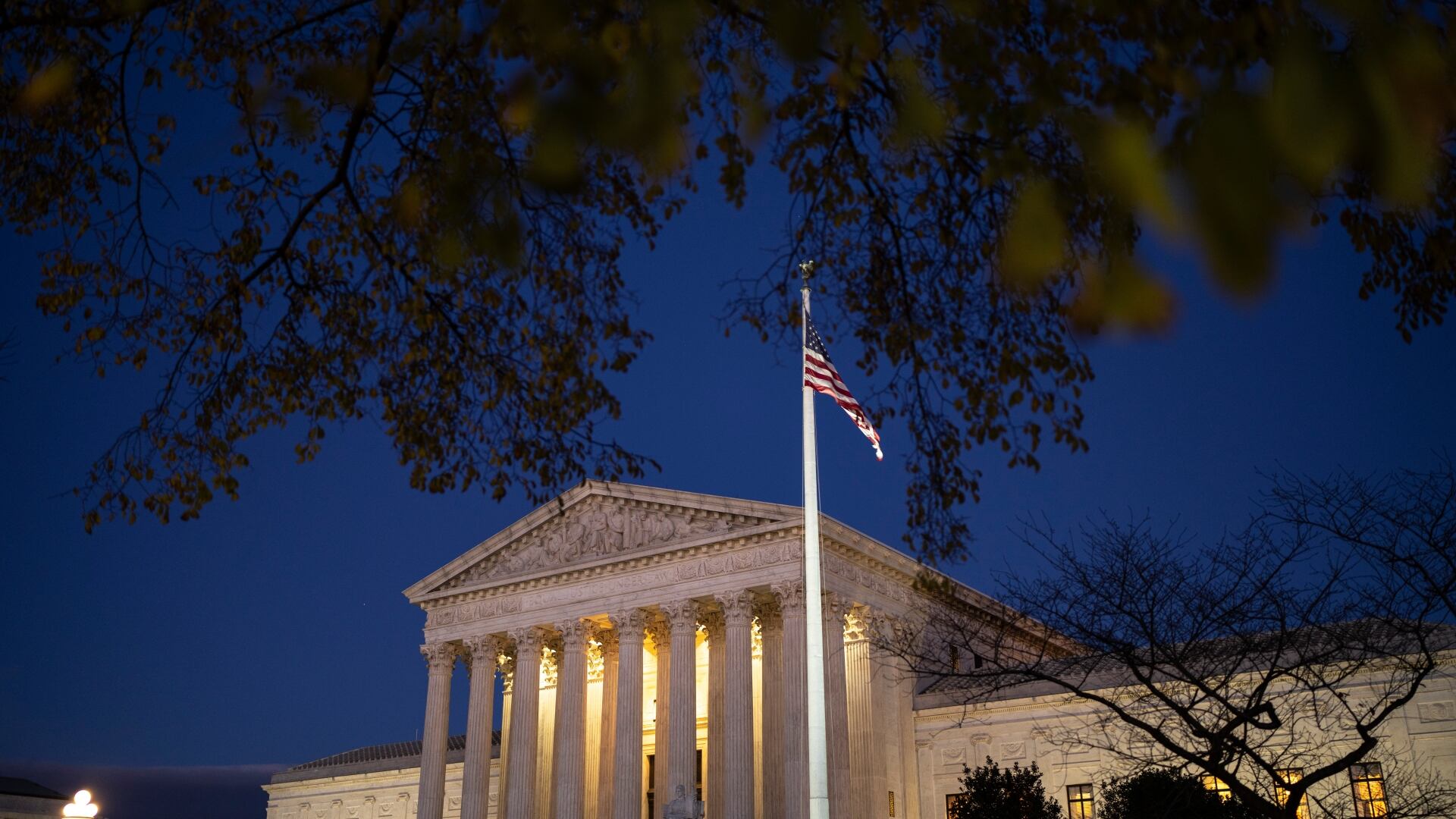
The Supreme Court appeared prepared Wednesday to uphold a Mississippi law that would ban almost all abortions after 15 weeks of pregnancy. The ruling is far from over, with Roe V. Wade at risk. Susan Rinkunas, senior reporter at Jezebel, joins Cheddar News to share the developments of the hearing.
The nine justices heard arguments Wednesday, around a Mississippi abortion law that bans the procedure after 15 weeks and appeared to lean toward upholding the law, while leaving uncertainty about the landmark precedent, Roe v. Wade. Kristin Ford, vice president of communications and research at NARAL Pro-Choice America joins Cheddar News to discuss.
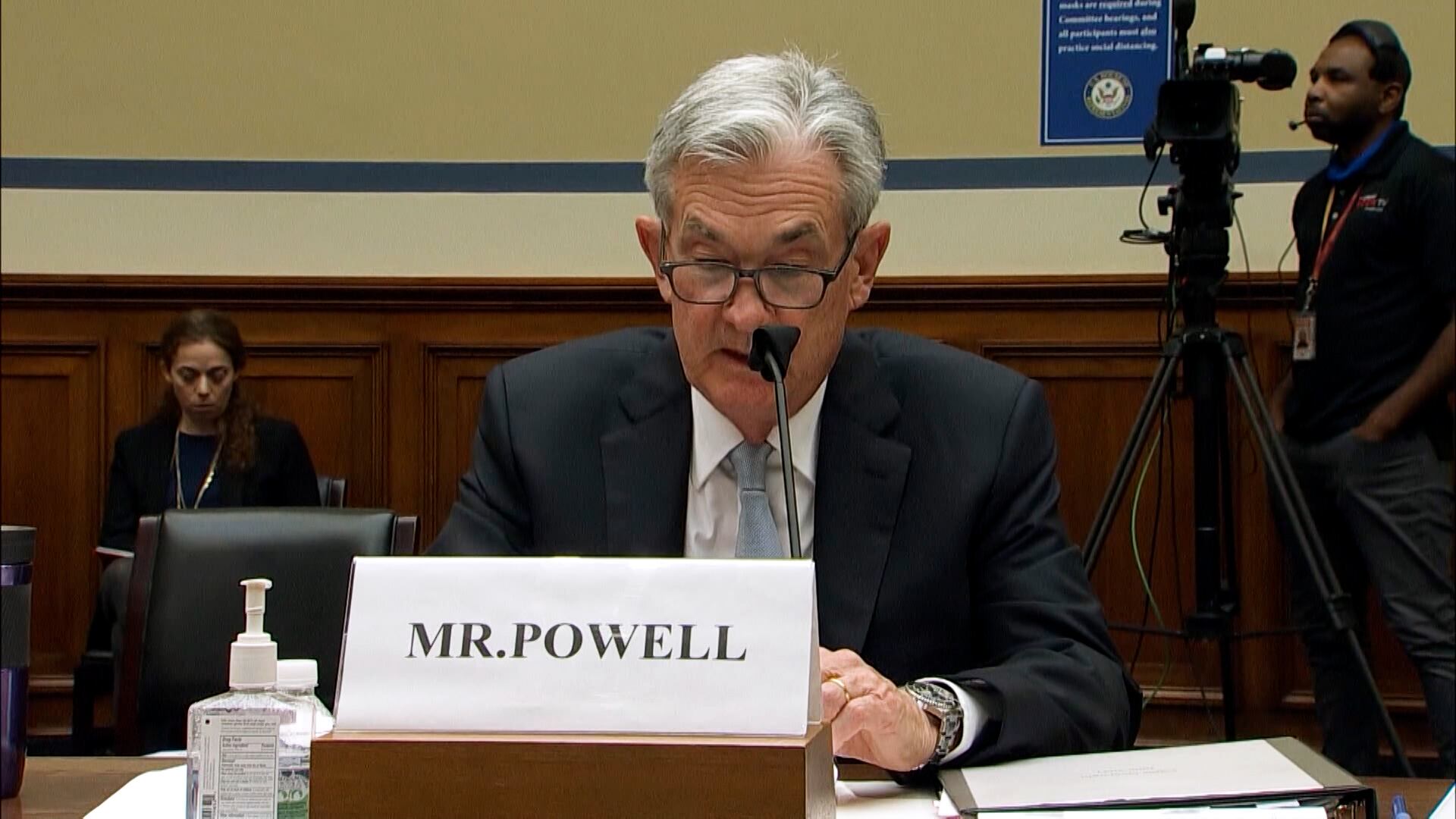
Just about a week after being re-nominated, Federal Reserve Chair Jermone Powell is changing his tune. After nearly a year of referring to inflation as 'transitory,' Powell said he will retire the 'T' word as inflation remains elevated. Christopher Russo, Post-Graduate Research Fellow, Mercatus Center joined Cheddar's Opening Bell to discuss.
Airbnb has come under fire after an Axios report found that the rental company has properties available in China's Xinjiang region where the nation has been accused of committing genocide against Uyghur Muslims, demolishing their homes, and replacing them with tourist attractions.
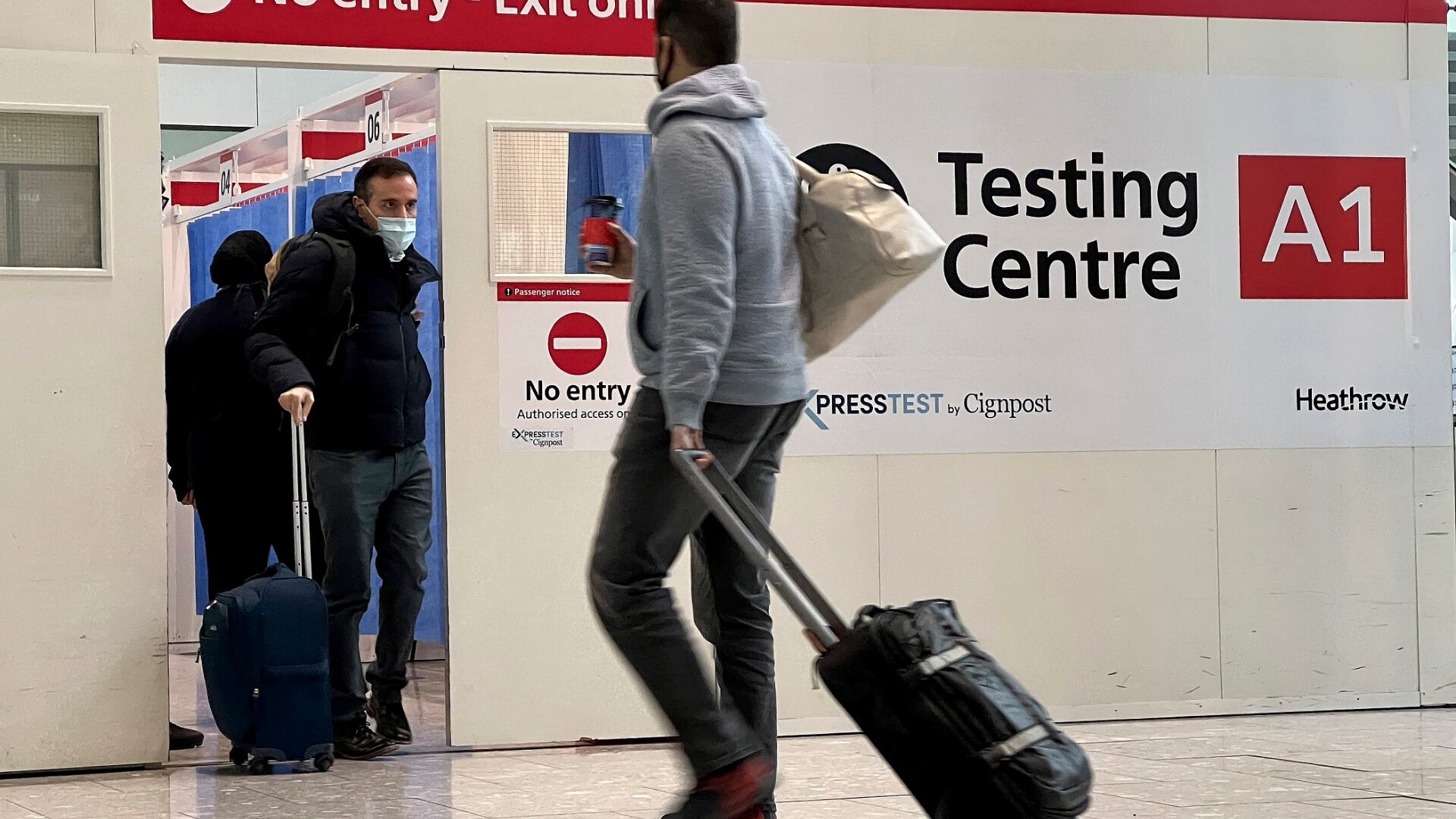
With the emergence of the omicron variant, the U.S. is considering tightening international travel guidelines. The CDC said it might reduce the window for foreign travelers to submit a negative COVID-19 test from three days prior to one day before allowing entry.
Jill and Carlo cover the latest on Omicron, another school shooting in America and more. Plus, bidding farewell to 'transitory' inflation, and the controversy surrounding 'Lovely Bones' author Alice Sebold.
Disparities in tree coverage across America is a huge issue that affects air quality, heat exposure, and ultimately determines how resilient communities are against climate change. The Build Back Better Act is allocating $2.5 billion to boost 'tree equity.' Lemir Teron, assistant professor at SUNY College of Environmental Science and Forestry, joins Cheddar News to explain why this is a priority for Democrats today.