*By Bridgette Webb*
Public Radio Exchange (PRX) and Public Radio International (PRI) are joining forces in a bid to capitalize on the booming popularity of podcasts.
The radio producers are two of the four national distributors of programming for public radio stations in the United States, and the first among their peers to merge.
PRX's chief executive, Kerri Hoffman, said there's a real synergy between the two companies.
"Think of PRX and PRI as siblings born a generation apart," Hoffman said Friday in an interview on Cheddar. "There are some things, at our core, at both organizations that we can strengthen. And the things that are differentiators are really where the opportunity is."
The merger may have arrived just in time, with listeners slowly tuning out traditional broadcasts in favor of on-demand and streaming options.
The number of people listening to podcasts has more than doubled over the past five years and is expected to hit roughly 73 million listeners this year, according to [Edison Research](http://www.edisonresearch.com/podcast-consumer-2018/).
That growth has been buoyed by podcasts' ability to showcase diverse and compelling content ー with voices that were traditionally neglected by mainstream radio.
Hoffman said it's a trend she hopes will continue.
"The barriers to entry is so much lower, but that is just part of they story," she said. "The thing that we learned over many years is that we need a whole suite of services that help people get successful."
According to PRX, the combined organization will reach more than 28.5 million listeners a month through 885 stations’ broadcast signals and websites. The companies are projecting $38 million in revenue in the first year after the merger.
Hoffman sees some roadblocks ahead, specifically, the proposal by [Republican lawmakers](http://www.latimes.com/entertainment/tv/la-et-st-pbs-cpb-npr-trump-budget-cuts-20170316-story.html ) to reduce funding for the Corporation for Public Broadcasting. Still, she thinks public media is here to say ー largely because of listener and viewer support.
" It's always a threat, but we really believe the American public has demonstrated over and over again that there is a strong and important place for non-commercial media in a Democratic society."
For more on this story, [click here](https://cheddar.com/videos/public-radio-platforms-merge-to-create-podcast-powerhouse).
Fair Financial is riding high on its recent $385 million round of funding. Founder and CEO Scott Painter is even willing to bet the used-car-subscription startup will go public down the line. "In most cases, I think it is really foolish to set a target that says, 'we are going to be a public company,' but in Fair's case, there is quite literally just so much money involved," Painter told Cheddar on Friday. "It will have to be a public company sooner than later."
These are the headlines you Need 2 Know for Friday, Dec. 21, 2018.
AppOnboard is looking to reinvent the app store by letting users instantly experience an app or game without having to download it. The company just raised $15 million in funding, bringing its total to $30 million this year. “We’re really excited to really re-invent the way that users consume apps,” Bryan Buskas, AppOnboard's chief operating officer told Cheddar on Thursday.
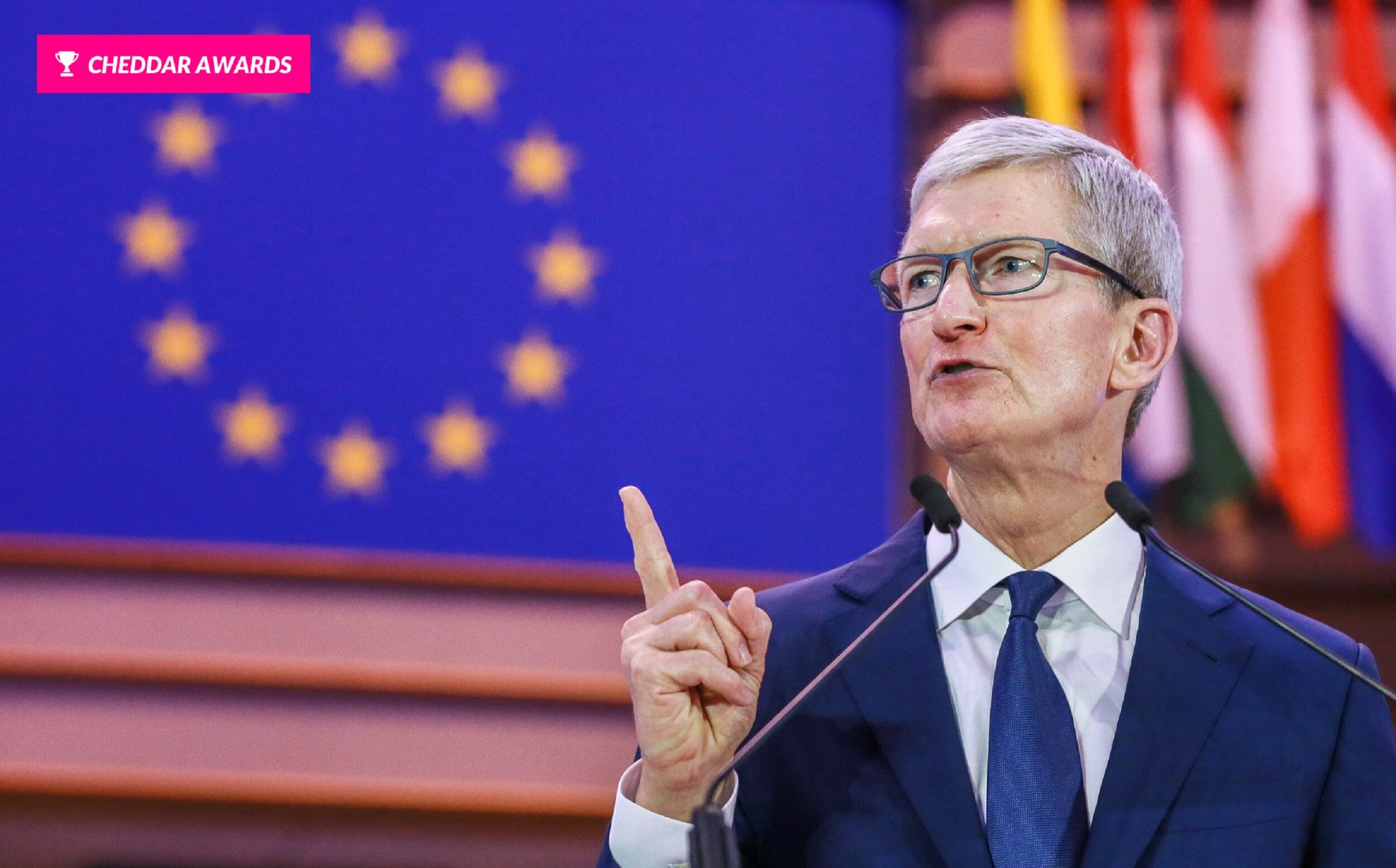
As Cheddar reflects on 2018, we are profiling the most innovative, flamboyant, and often-controversial entrepreneurs and corporate leaders who delivered the year's most memorable moments in business. Of the CEO Class of 2018, who was crowned Biggest Flirt? Class Clown? Cheddar's Most Outspoken Award Goes to Tim Cook.
As we round out 2018, we’re reviewing the year's biggest letdowns for investors. To commemorate all the epic fails, we ranked the biggest flops ー the companies that enjoyed a booming 2017, but fizzled in 2018.
Stocks plunged on Thursday for the second day running, as the renewed threat of a government shutdown over the Christmas holiday weekend contributed to residual market weakness after the Fed's latest rate hike.
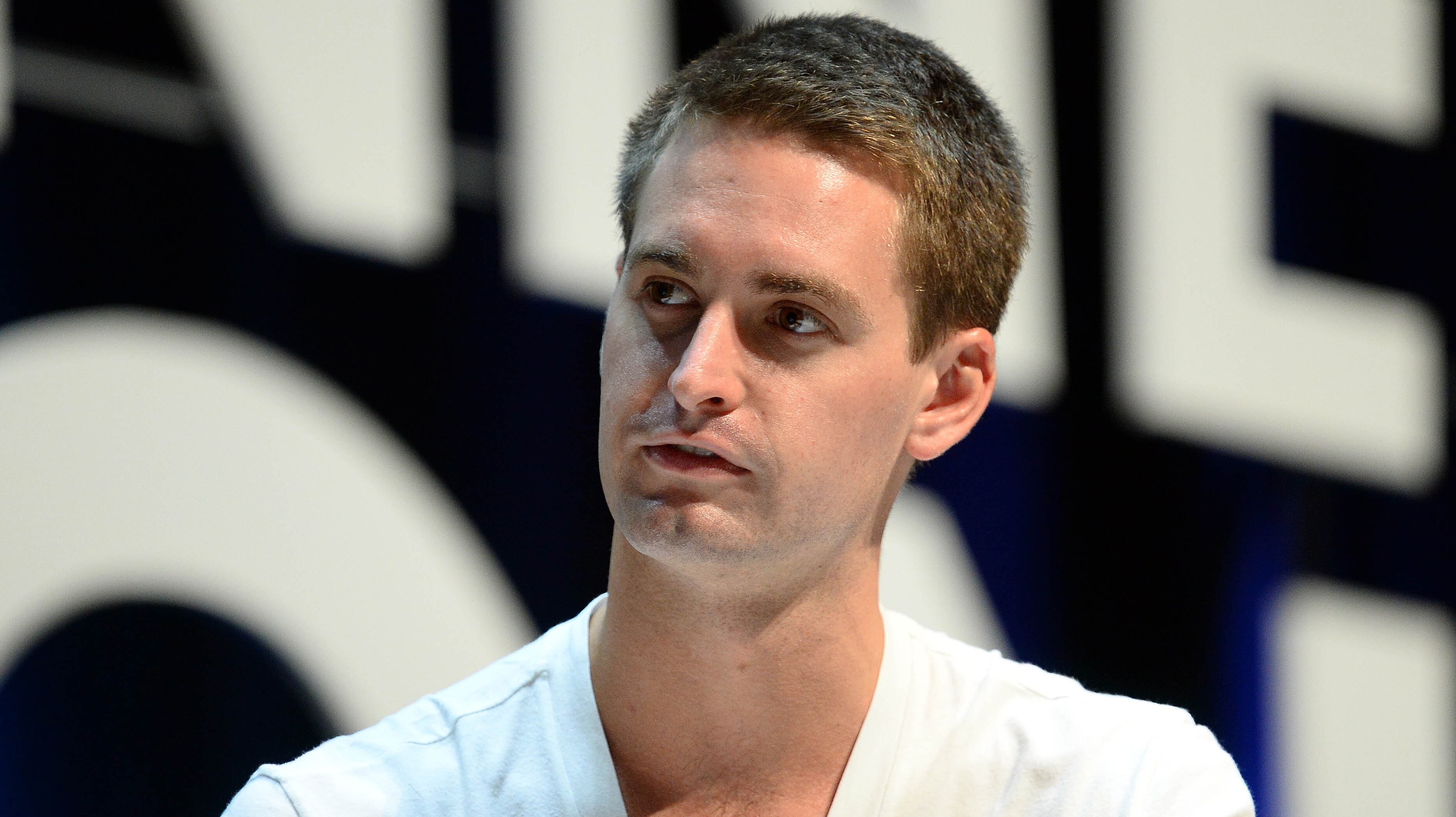
To cap off a rough year for Snap Inc., employees have been told they won’t receive cash bonuses after the company failed to meet its business goals. Instead, top-performing employees are receiving a discretionary incentive bonus in the form of more stock, the people said. Snapchat's stock is trading at all-time lows.
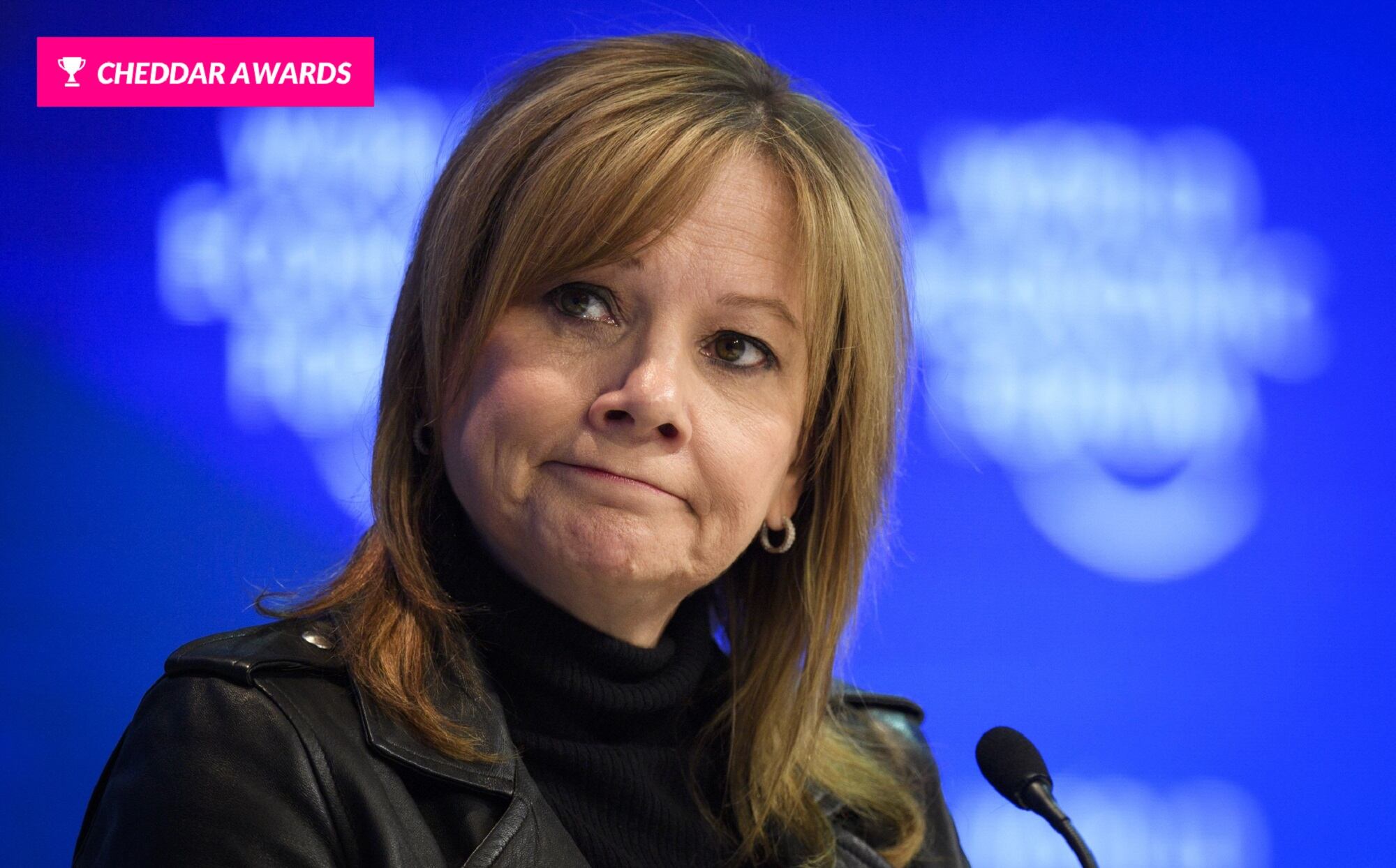
CEO Mary Barra made national headlines when General Motors announced in late November that 14,000 salaried and hourly workers would be cut for the sake of the company's growth. Backlash against Barra was swift; it populated the White House Twitter feed and echoed through the hall of Congress.
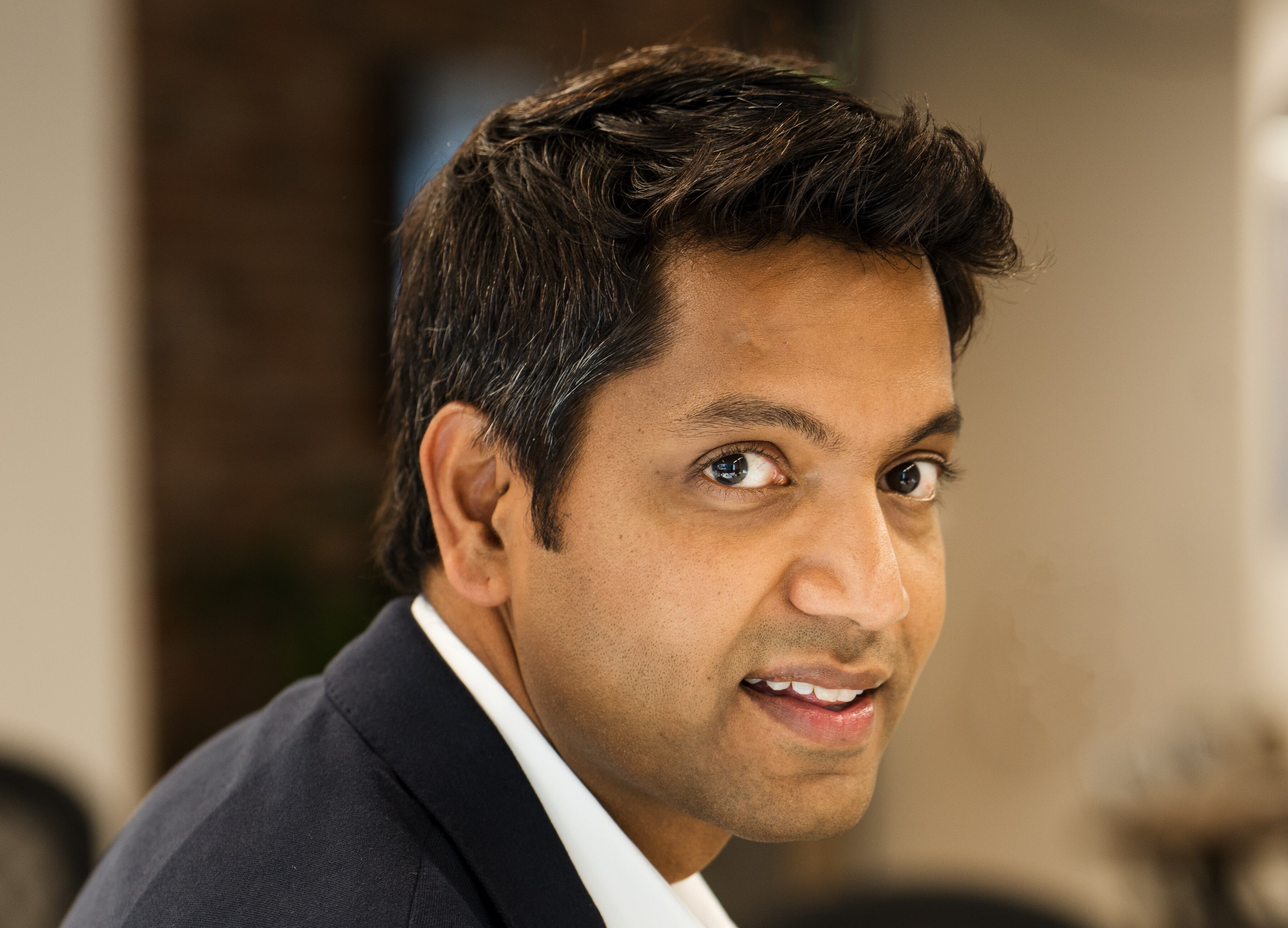
Securly is a start-up with a simple mission: to keep kids safe online. And the artificial intelligence company has just raised $16 million in series B funding to expand the reach of its social media tracking capabilities to more parents and schools. “We are going to take this money and invest in research and development and scaling up sales and distribution across America,” CEO and co-founder Vinay Mahadik told Cheddar.
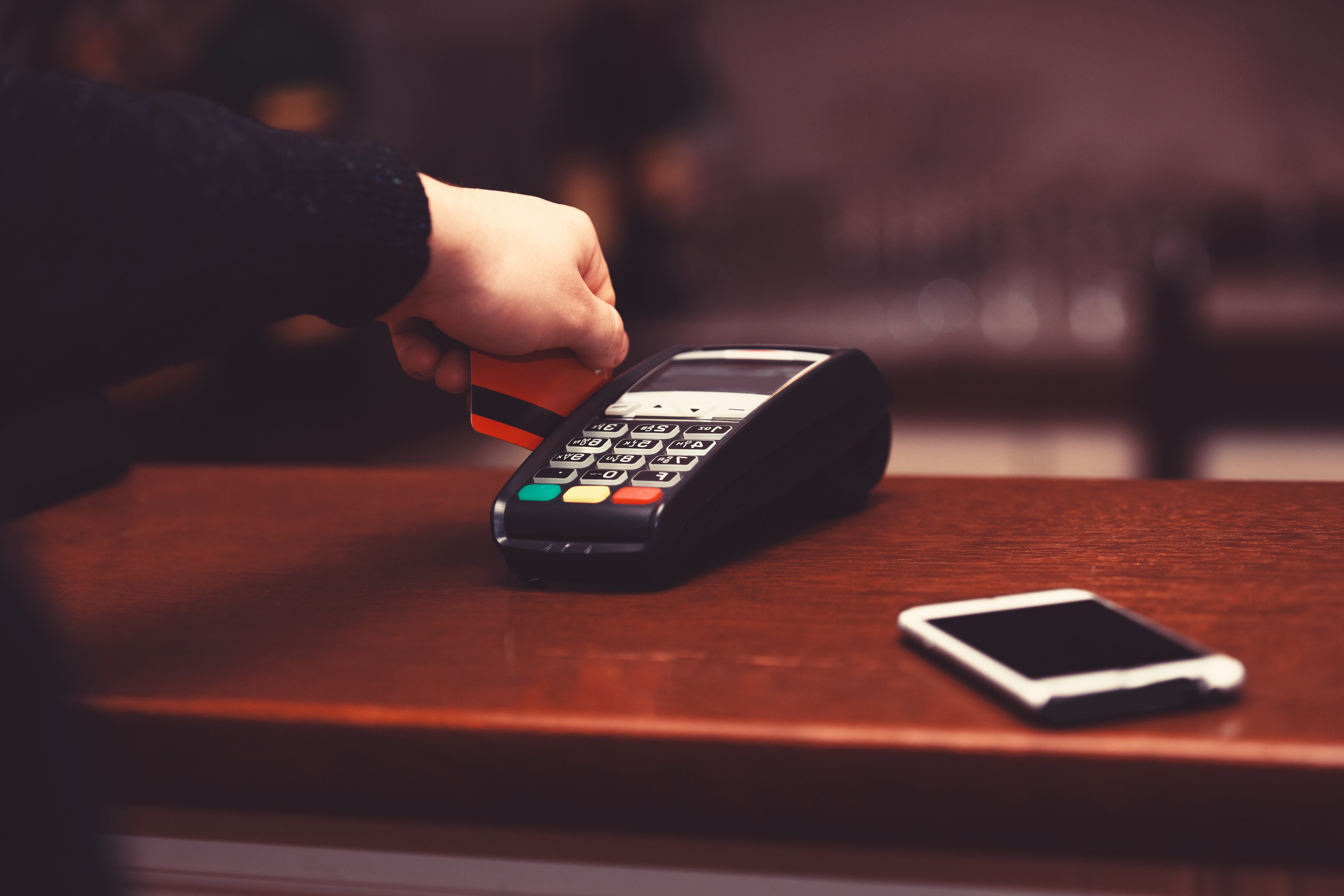
Proposed legislation in New York City would require “cashless" restaurants ー which only accept debit and credit cards and mobile payments ー to give customers the option to pay in cash, and fine any establishment that refuses to accept it. Jason Oxman, CEO of the Electronic Transactions Association, discussed the backlash against cashless retail with Cheddar.