*By Bridgette Webb*
Public Radio Exchange (PRX) and Public Radio International (PRI) are joining forces in a bid to capitalize on the booming popularity of podcasts.
The radio producers are two of the four national distributors of programming for public radio stations in the United States, and the first among their peers to merge.
PRX's chief executive, Kerri Hoffman, said there's a real synergy between the two companies.
"Think of PRX and PRI as siblings born a generation apart," Hoffman said Friday in an interview on Cheddar. "There are some things, at our core, at both organizations that we can strengthen. And the things that are differentiators are really where the opportunity is."
The merger may have arrived just in time, with listeners slowly tuning out traditional broadcasts in favor of on-demand and streaming options.
The number of people listening to podcasts has more than doubled over the past five years and is expected to hit roughly 73 million listeners this year, according to [Edison Research](http://www.edisonresearch.com/podcast-consumer-2018/).
That growth has been buoyed by podcasts' ability to showcase diverse and compelling content ー with voices that were traditionally neglected by mainstream radio.
Hoffman said it's a trend she hopes will continue.
"The barriers to entry is so much lower, but that is just part of they story," she said. "The thing that we learned over many years is that we need a whole suite of services that help people get successful."
According to PRX, the combined organization will reach more than 28.5 million listeners a month through 885 stations’ broadcast signals and websites. The companies are projecting $38 million in revenue in the first year after the merger.
Hoffman sees some roadblocks ahead, specifically, the proposal by [Republican lawmakers](http://www.latimes.com/entertainment/tv/la-et-st-pbs-cpb-npr-trump-budget-cuts-20170316-story.html ) to reduce funding for the Corporation for Public Broadcasting. Still, she thinks public media is here to say ー largely because of listener and viewer support.
" It's always a threat, but we really believe the American public has demonstrated over and over again that there is a strong and important place for non-commercial media in a Democratic society."
For more on this story, [click here](https://cheddar.com/videos/public-radio-platforms-merge-to-create-podcast-powerhouse).
With oil prices nearing 18-month lows, John Hofmeister, former president of Shell Oil, is worried about the negative impact of lower prices. In fact, he says, if prices drop below
$40 a barrel, the cost of production will exceed the revenue it brings. That said, Hofmeister noted that lower oil prices are having a big impact on the consumer. People are driving more, and the impact hits everything from plastics to clothing and air fares.
These are the headlines you Need 2 Know for Friday, Dec. 28, 2018.
Instagram accidentally released an update to its app on Thursday, enraging users and igniting a firestorm on social media. The social media platform, which hit 1 billion users in June, modified how users view their main feeds ー switching from a vertical scroll to a horizontal swipe, à la popular dating app, Tinder.
When U.S. Attorney General Jeff Sessions moved to undermine Obama-era marijuana industry protections in January, there was little indication how pivotal 2018 would prove to be for the cannabis industry. As 2019 approaches, Cheddar is now looking ahead to next year and forecasting what's in store for the U.S. marijuana industry.
Body-care brand Busy Beauty wants over-taxed women to spend less time on primping. "We developed a full line of products that let women completely skip the shower if they either don't feel like it or don't have the time," said Jamie Steenbakkers, the company's co-founder and COO.
The chief strategist of Bubba Trading is casting doubt on the demand for Tesla's Model 3. "I don't know that I necessarily agree with there's demand there," Bubba Trading's Todd Horwiz told Cheddar Wednesday. "I think it's a great car. I think it's a great concept. I think it's an extremely overvalued company, and I think the CEO has got some issues that he's got to deal with."
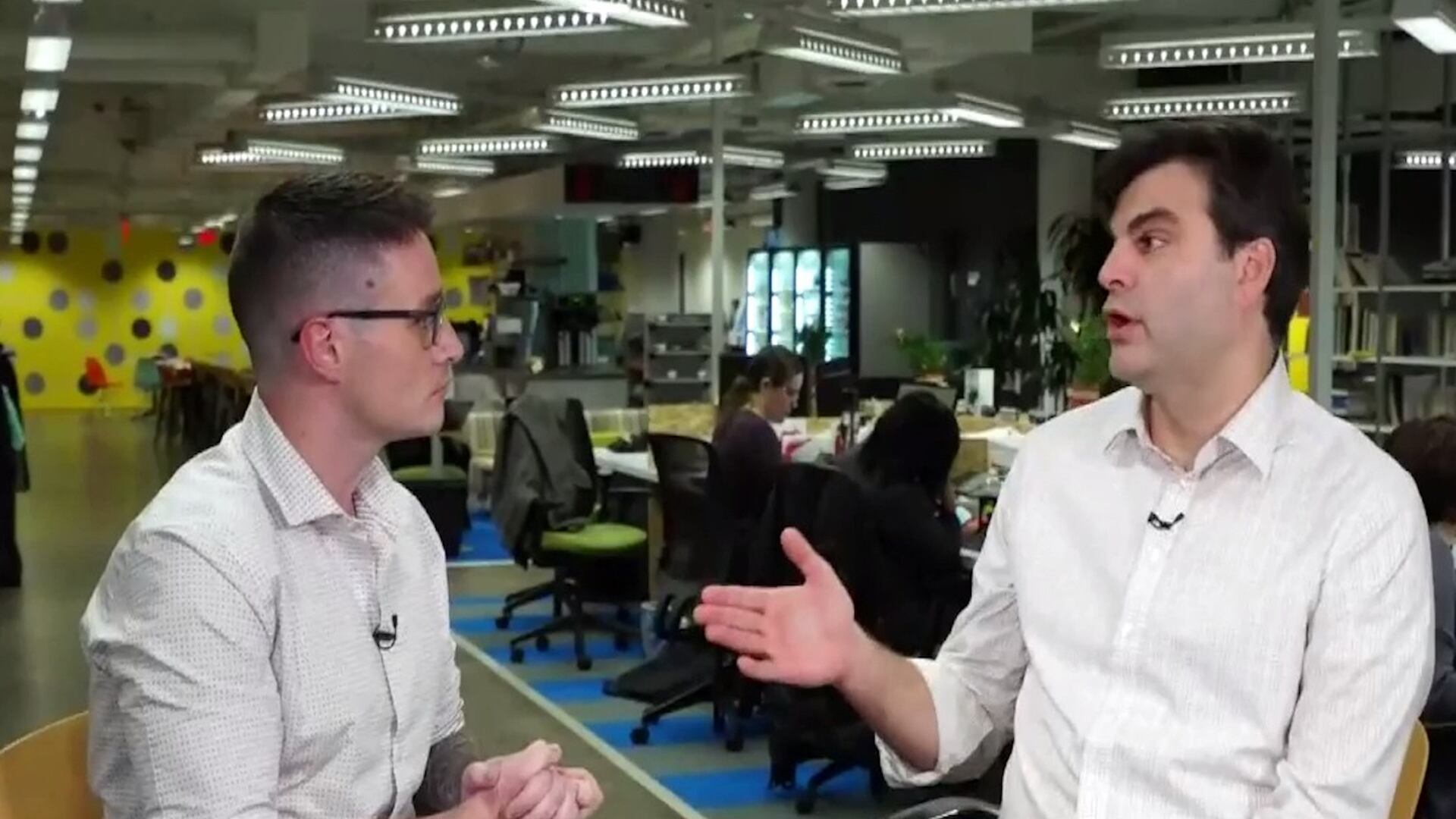
Roughly five years ago, Detroit made history as the largest city to ever file for municipal bankruptcy. But in 2018, the Motor City is teaching itself how to transform from America's factory into an engine for innovation. According to start-up incubator TechTown CEO and president Ned Staebler, adjustments to the city's economy and the value of its labor supply could begin a tech-based rebirth, a future when automobiles are not just considered vessels of transportation, but rather as pieces of the revolution.
In 2019, 10 minutes out of every hour of media engagement will be spent streaming video on mobile, app market data provider App Annie told Cheddar. In 2018, app downloads hit 113 billion, Levitas said, while spending on Google ($GOOGL) Play and the Apple ($AAPL) app store hit $76 billion. On average, Americans spent three hours per day on apps.
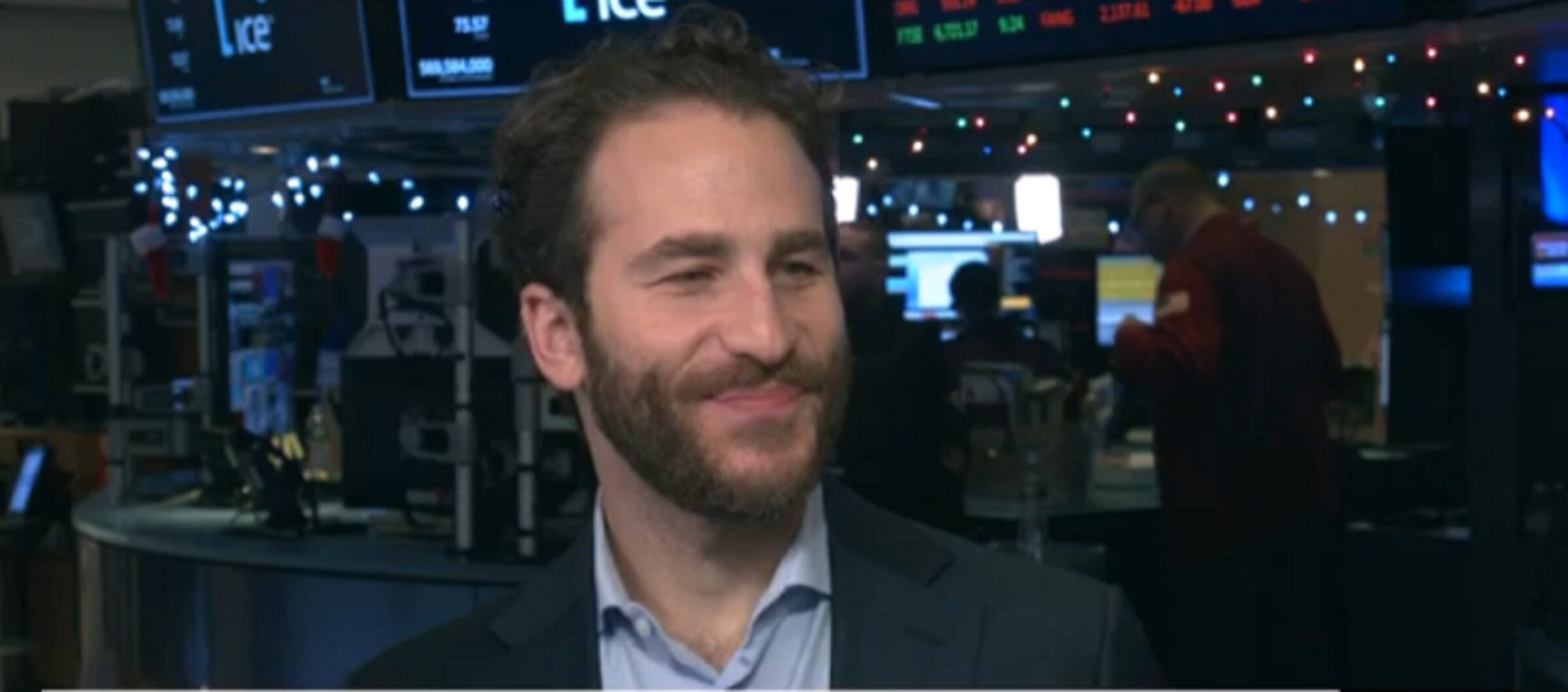
New video-sharing platform Portal wants to help online video creators cash in on their content, says company founder Jonathan Swerdlin. "Portal is the first video sharing platform that everyone can use that completely skips the ad model and introduces really easy ways for users to pay each other," Swerdlin said in an interview on Cheddar. "Everyone can be their own mini HBO."
From Wall Street to Silicon Valley, these are the top stories that moved markets and had investors, business leaders, and entrepreneurs talking this week on Cheddar.