*By Bridgette Webb*
Public Radio Exchange (PRX) and Public Radio International (PRI) are joining forces in a bid to capitalize on the booming popularity of podcasts.
The radio producers are two of the four national distributors of programming for public radio stations in the United States, and the first among their peers to merge.
PRX's chief executive, Kerri Hoffman, said there's a real synergy between the two companies.
"Think of PRX and PRI as siblings born a generation apart," Hoffman said Friday in an interview on Cheddar. "There are some things, at our core, at both organizations that we can strengthen. And the things that are differentiators are really where the opportunity is."
The merger may have arrived just in time, with listeners slowly tuning out traditional broadcasts in favor of on-demand and streaming options.
The number of people listening to podcasts has more than doubled over the past five years and is expected to hit roughly 73 million listeners this year, according to [Edison Research](http://www.edisonresearch.com/podcast-consumer-2018/).
That growth has been buoyed by podcasts' ability to showcase diverse and compelling content ー with voices that were traditionally neglected by mainstream radio.
Hoffman said it's a trend she hopes will continue.
"The barriers to entry is so much lower, but that is just part of they story," she said. "The thing that we learned over many years is that we need a whole suite of services that help people get successful."
According to PRX, the combined organization will reach more than 28.5 million listeners a month through 885 stations’ broadcast signals and websites. The companies are projecting $38 million in revenue in the first year after the merger.
Hoffman sees some roadblocks ahead, specifically, the proposal by [Republican lawmakers](http://www.latimes.com/entertainment/tv/la-et-st-pbs-cpb-npr-trump-budget-cuts-20170316-story.html ) to reduce funding for the Corporation for Public Broadcasting. Still, she thinks public media is here to say ー largely because of listener and viewer support.
" It's always a threat, but we really believe the American public has demonstrated over and over again that there is a strong and important place for non-commercial media in a Democratic society."
For more on this story, [click here](https://cheddar.com/videos/public-radio-platforms-merge-to-create-podcast-powerhouse).
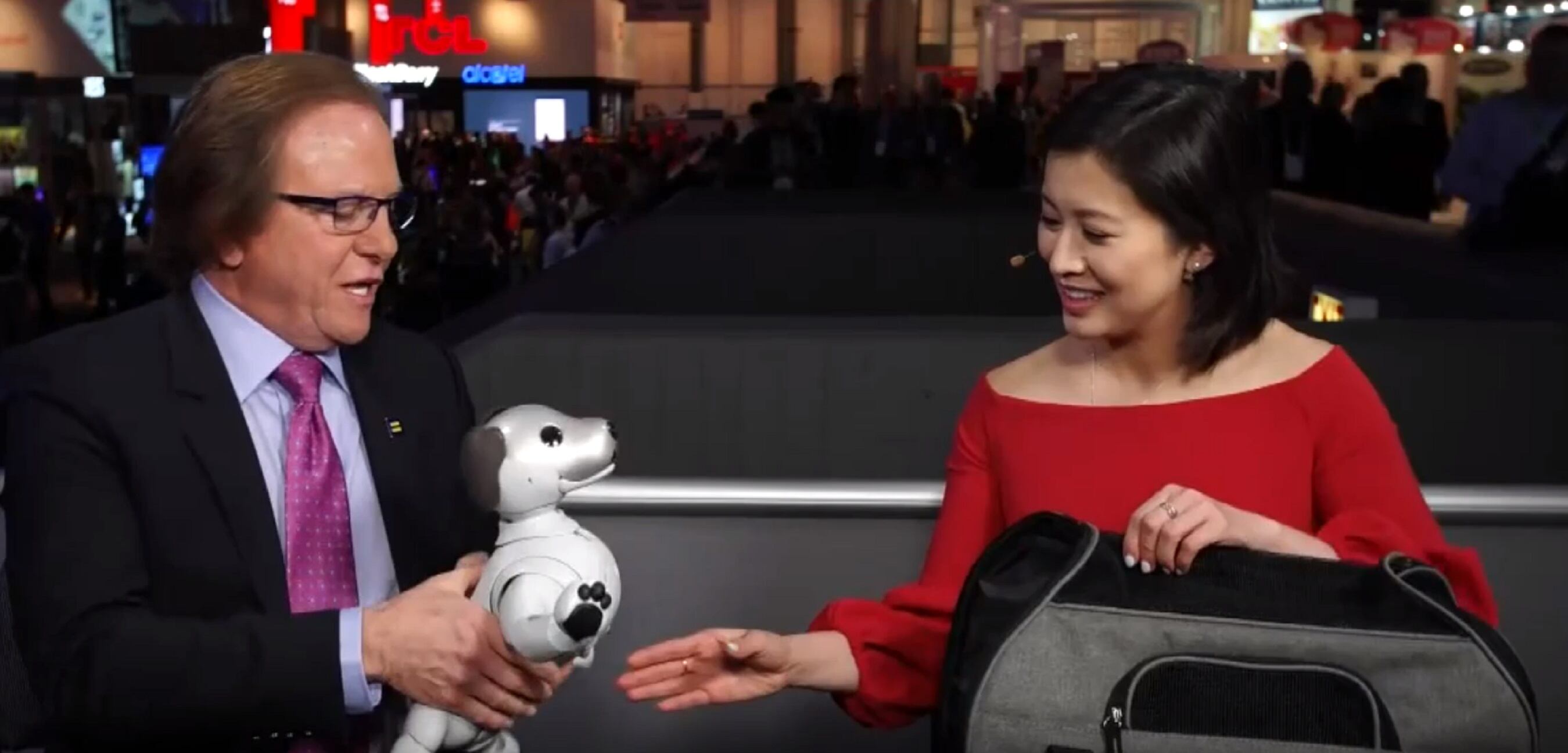
Nothing says CES like a robot dog powered by powerful sensors ー and that's exactly what Sony brought this year. Sony's robot dog Aibo came back from the dead last year, and now, the robo-pup is getting some cool new upgrades, Sony Electronics President Mike Fasulo told Cheddar's Hope King on Tuesday.
What do Alinea, Eleven Madison Park, and The French Laundry have in common? Aside from their Michelin stars, the restaurants all offer reservations through the booking platform Tock. Acclaimed restaurateur and [Tock](http://exploretock.com} founder and CEO Nick Kokonas hopes his software platform can wrestle the reservations monopoly from the almost 20-year grip of OpenTable and launch bookings into the 21st century.
Cloudera and Hortonworks, longtime cloud and data rivals, have decided it's better to take on Amazon Web Services together than apart. Cloudera CMO Mick Hollison told Cheddar how the merged company, with 2,000 customers, fits in the cloud wars.
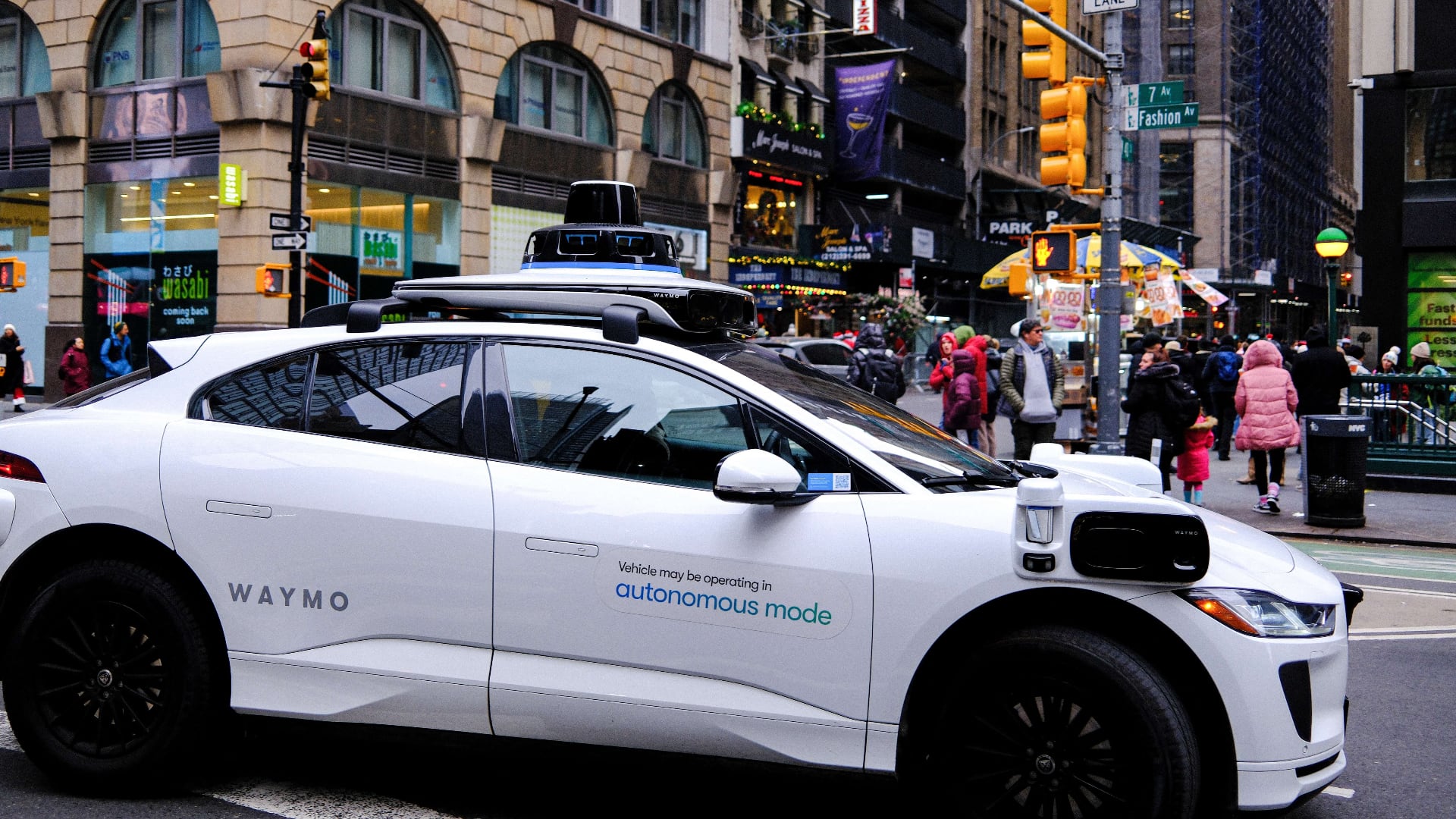
Car-sharing and ride-hailing companies have changed the way we get around ー and now they're about to change the way we buy car insurance. In an interview with Cheddar at CES 2019 in Las Vegas, Nev., Allstate CEO Tom Wilson said that simply insuring your car will become a thing of the past, since many consumers are increasingly ditching the buy-and-drive model.
AT&T's ad division Xandr is beginning to flex its muscle as a potential advertising powerhouse by allowing brands to use customer data to advertise on WarnerMedia's Turner.
Apple has topped the charts once again ー but this time it's on buy-back site DeClutttr's list of 2018's most unwanted items. The iPhone 7 may have been the company's most traded-in item last year, but according to Anthony Catterson, DeClutttr's president and CEO, that's not necessarily a bad thing.
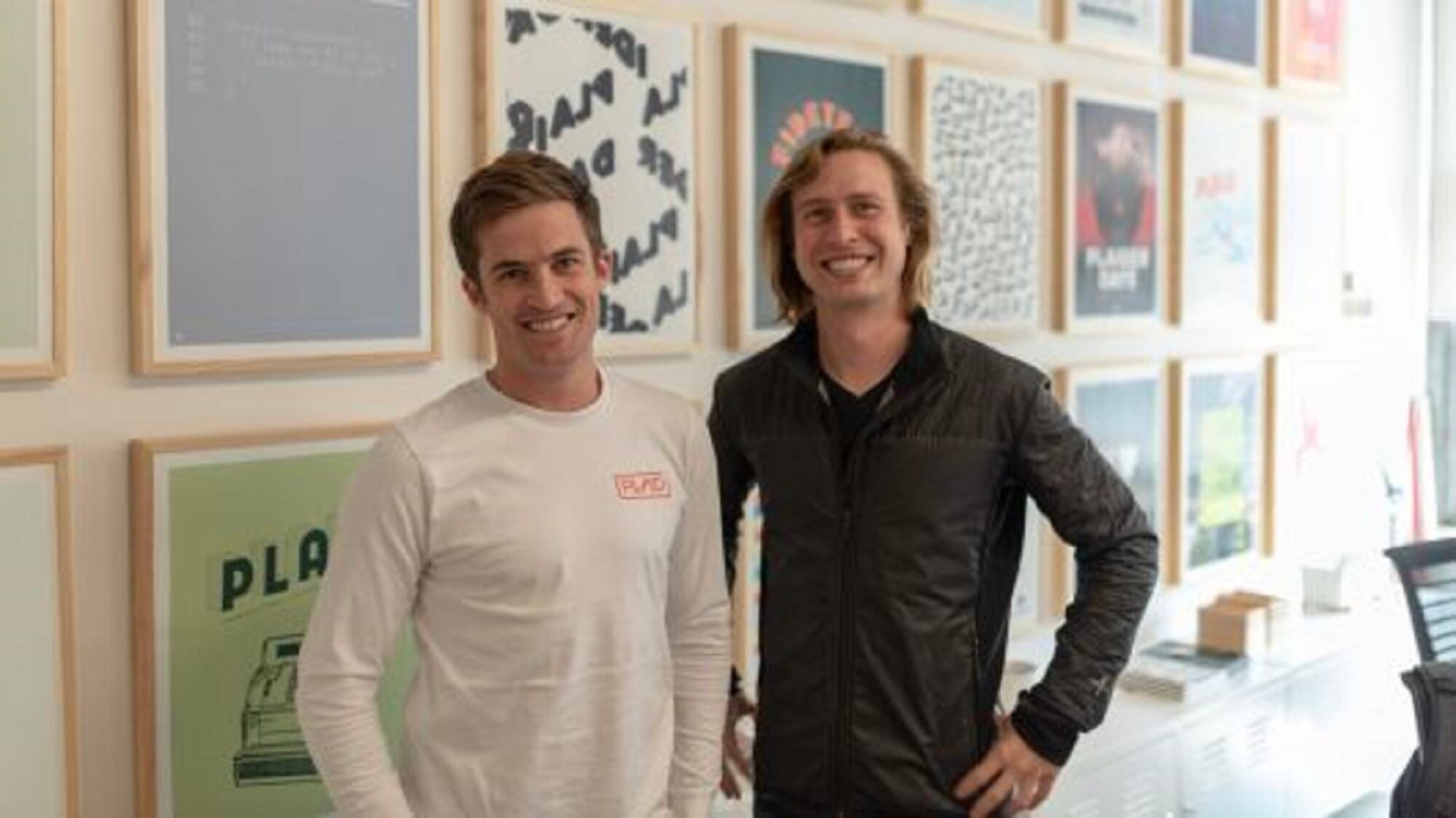
Plaid, the company that connects consumer bank accounts to fintech apps like Venmo, Coinbase or Robinhood, is acquiring competitor Quovo, according to a Tuesday morning blog post by the Plaid founders.
These are the headlines you Need 2 Know for Tuesday, Jan. 8, 2018.
Investor sentiment is easy to track on the public markets, but private trends are more opaque ー and tech investors are increasingly prioritizing profitability over valuation. That's good news for companies looking to go public, like Airbnb and Lyft, but Uber might want to consider an alternative path to liquidity, J. Michael Ostendorff, director for Lagniappe Labs, told Cheddar on Monday.
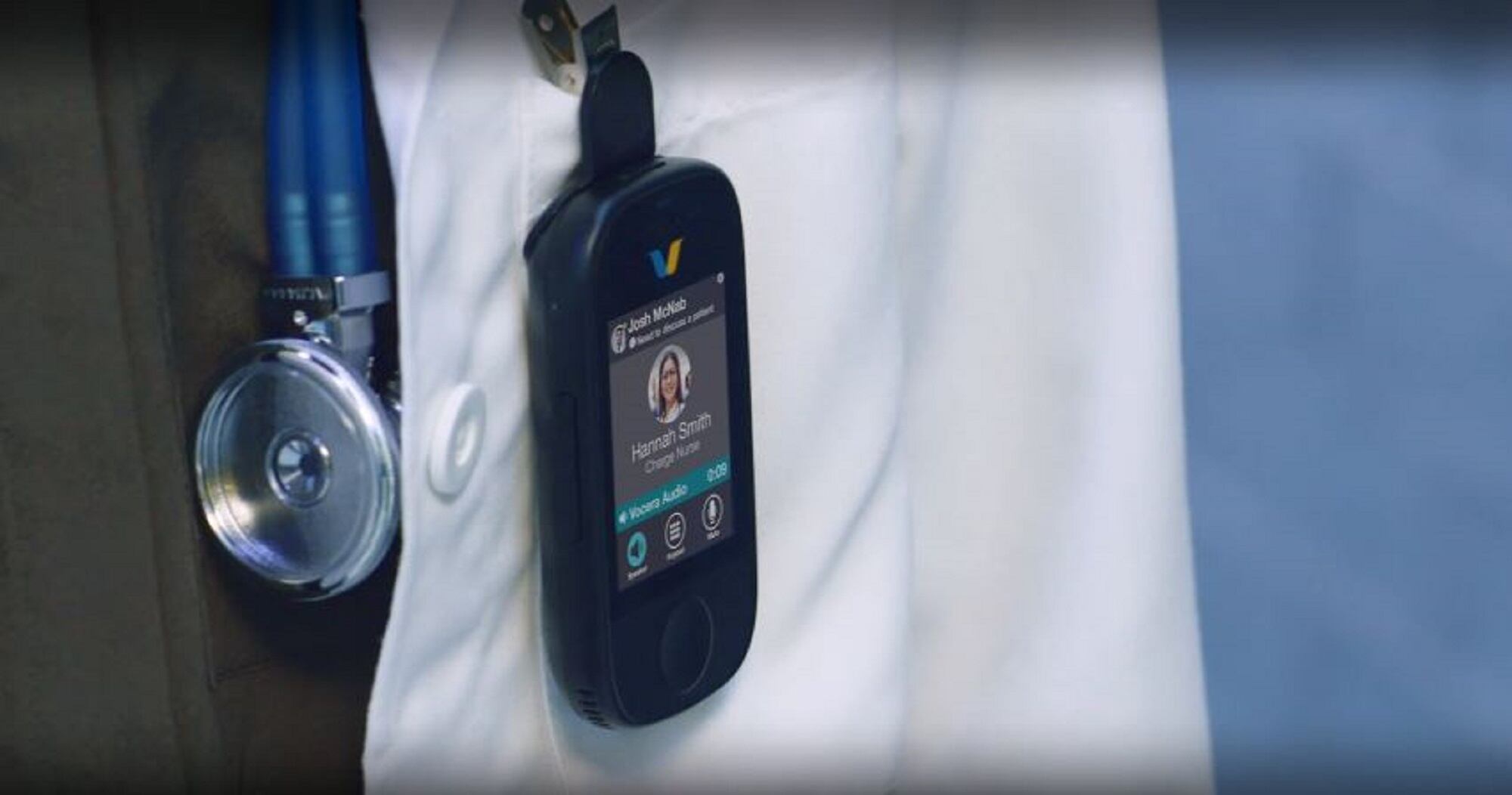
Vocera wants to get patients in and out of the hospital as quickly and efficiently as possible ー and it's using Star Trek-inspired, connected badges to achieve that ambition. "We believe that by delivering the right information to the right caregiver at the right point in time, we can really eliminate some of those frustrations and delays and interruptions ー and allow \[patients\] to have a more seamless path through the hospital," Vocera CEO Brent Lang told Cheddar Monday.