*By Bridgette Webb*
Public Radio Exchange (PRX) and Public Radio International (PRI) are joining forces in a bid to capitalize on the booming popularity of podcasts.
The radio producers are two of the four national distributors of programming for public radio stations in the United States, and the first among their peers to merge.
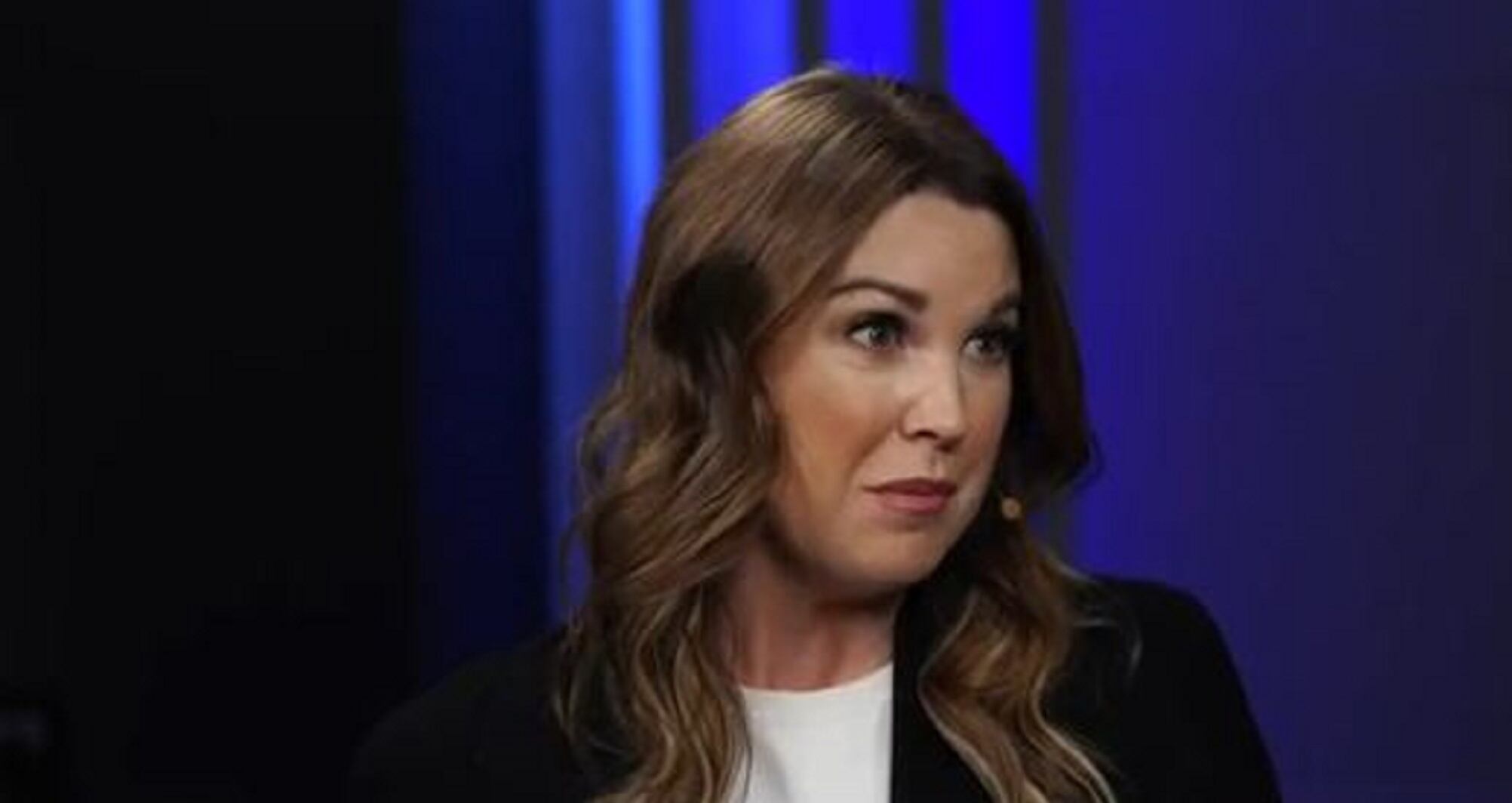
PRX's chief executive, Kerri Hoffman, said there's a real synergy between the two companies.
"Think of PRX and PRI as siblings born a generation apart," Hoffman said Friday in an interview on Cheddar. "There are some things, at our core, at both organizations that we can strengthen. And the things that are differentiators are really where the opportunity is."
The merger may have arrived just in time, with listeners slowly tuning out traditional broadcasts in favor of on-demand and streaming options.
The number of people listening to podcasts has more than doubled over the past five years and is expected to hit roughly 73 million listeners this year, according to [Edison Research](http://www.edisonresearch.com/podcast-consumer-2018/).
That growth has been buoyed by podcasts' ability to showcase diverse and compelling content ー with voices that were traditionally neglected by mainstream radio.
Hoffman said it's a trend she hopes will continue.
"The barriers to entry is so much lower, but that is just part of they story," she said. "The thing that we learned over many years is that we need a whole suite of services that help people get successful."
According to PRX, the combined organization will reach more than 28.5 million listeners a month through 885 stations’ broadcast signals and websites. The companies are projecting $38 million in revenue in the first year after the merger.
Hoffman sees some roadblocks ahead, specifically, the proposal by [Republican lawmakers](http://www.latimes.com/entertainment/tv/la-et-st-pbs-cpb-npr-trump-budget-cuts-20170316-story.html ) to reduce funding for the Corporation for Public Broadcasting. Still, she thinks public media is here to say ー largely because of listener and viewer support.
" It's always a threat, but we really believe the American public has demonstrated over and over again that there is a strong and important place for non-commercial media in a Democratic society."
For more on this story, [click here](https://cheddar.com/videos/public-radio-platforms-merge-to-create-podcast-powerhouse).
Even creative industries like advertising aren't exempt from advances in technology and automation. "Brand tech" firm You And Mr Jones took a majority stake in Inside Ideas Group, a company that helps brands form their own internal marketing groups.
The future is all-electric ー at least for General Motors, the carmaker's Chairwoman and CEO Mary Barra said on Cheddar Friday. "At General Motors, we believe in an all-electric future," Barra told Betty Liu, executive vice chairman for the New York Stock Exchange, through a special partnership between Cheddar and NYSE. "We believe that's the path forward, and that's why we are dedicating resources to build on the Chevrolet Volt first and second generations, now the Chevrolet Bolt EV."
Is it time for the federal government to hire its own chief information officer? Rep. Will Hurd (R-Tex.) thinks so. He told Cheddar Friday that the recent spate of major data breaches warrant a federal czar to help protect consumers and potentially even levy penalties on companies that don't do enough to safeguard users' information.
These are the headlines you Need 2 Know for Friday, Jan. 11, 2019.
Cryptocurrencies and digital assets are ideally left to the jurisdiction of the U.S. Commodity Futures Trading Commission, rather than the Securities and Exchange Commission, according to Congressman Darren Soto (D-Fla.). "Securities laws can be very intense and hurt the market unless it’s truly a security,” Soto told Cheddar Thursday.
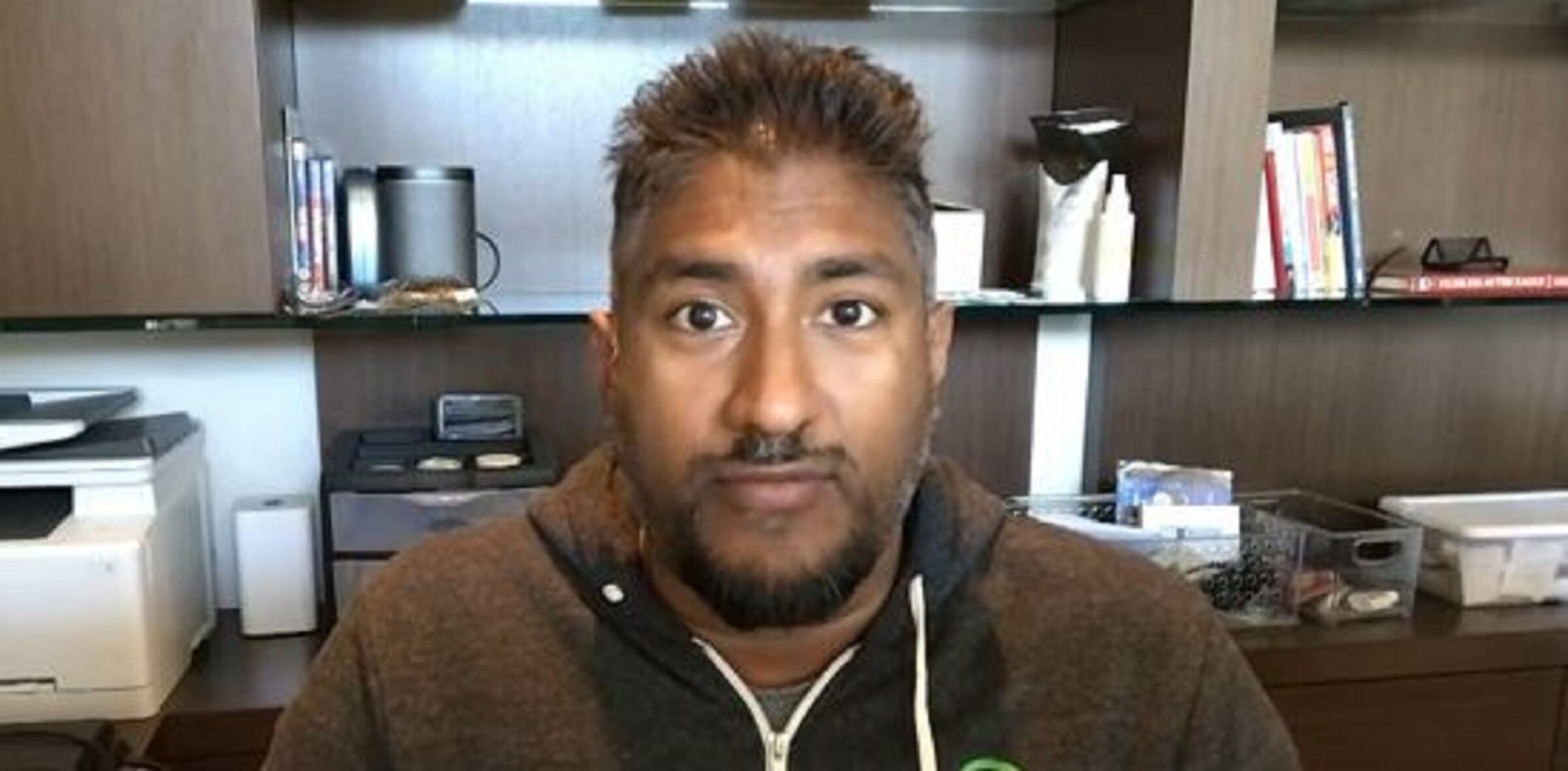
Bitcoin's rebound over the $4,000 mark was short-lived, tumbling on Thursday below the $4,000 price level for the first time since Jan. 6. "I think it is a good chance we are going to retest 3,000 as a low and there is a good chance it will probably break through that ー if it hits that low," said Civic CEO Vinny Lingham in an interview with Cheddar. "The market is definitely trying to find a bottom, and I don't think we've found one yet."
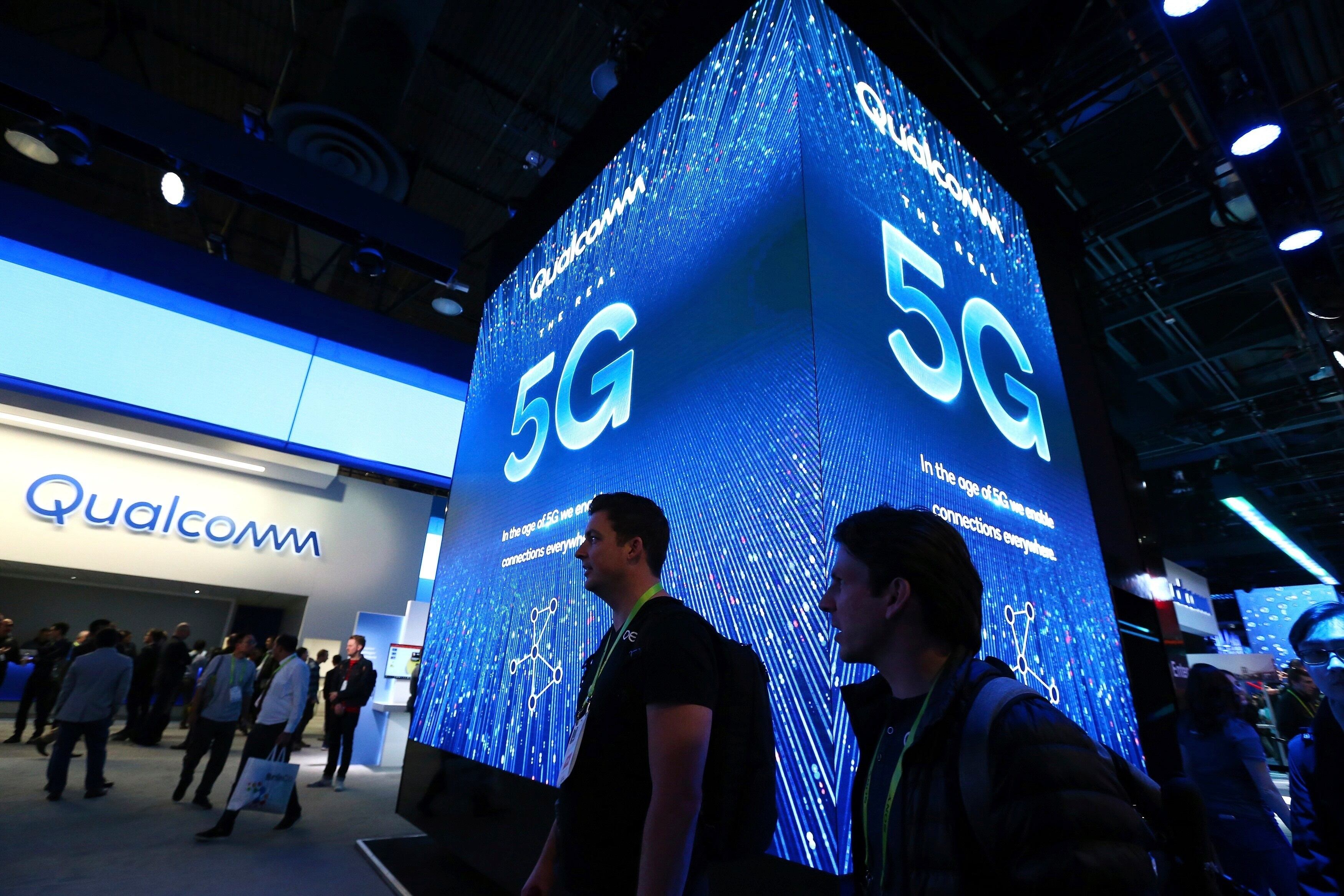
Cristiano Amon, president of Qualcomm, spoke to Cheddar's Hope King from CES, where Qualcomm is unveiling several new products and initiatives, including A.I.-based infotainment centers for vehicles. But the big story of the year, Amon said, will be the spread of 5G technology, which he expects to be in most major cities and on most new Android devices by the second half of this year.
Adoption of new technology won't necessarily cause jobs to disappear ー even if that technology is a humanoid robot, said Steve Carlin, the chief strategy officer of SoftBank Robotics America. "I think the incorrect assumption is simply because you're employing technology, that therefore a job has to go away," Carlin told Cheddar's Hope King on Thursday.
Dustee Jenkins, global head of communications for Spotify, came to CES to "put a stake in the ground" for podcasting. She told Cheddar that Spotify still sees upside in new forms of audio storytelling, and its "discover" algorithm can help users find podcasts that will appeal to them, much in the way millions of people use the feature to find new bands.
GoPro has carved out a niche for itself as the go-to maker of action cameras. And one trend in particular helped kick-start the camera-maker's success: the selfie. CEO Nick Woodman told Cheddar's Hope King the company had a real "aha" moment around 2009 when it introduced high-definition (HD) footage into its selfie-style camera.