*By Bridgette Webb*
Public Radio Exchange (PRX) and Public Radio International (PRI) are joining forces in a bid to capitalize on the booming popularity of podcasts.
The radio producers are two of the four national distributors of programming for public radio stations in the United States, and the first among their peers to merge.
PRX's chief executive, Kerri Hoffman, said there's a real synergy between the two companies.
"Think of PRX and PRI as siblings born a generation apart," Hoffman said Friday in an interview on Cheddar. "There are some things, at our core, at both organizations that we can strengthen. And the things that are differentiators are really where the opportunity is."
The merger may have arrived just in time, with listeners slowly tuning out traditional broadcasts in favor of on-demand and streaming options.
The number of people listening to podcasts has more than doubled over the past five years and is expected to hit roughly 73 million listeners this year, according to [Edison Research](http://www.edisonresearch.com/podcast-consumer-2018/).
That growth has been buoyed by podcasts' ability to showcase diverse and compelling content ー with voices that were traditionally neglected by mainstream radio.
Hoffman said it's a trend she hopes will continue.
"The barriers to entry is so much lower, but that is just part of they story," she said. "The thing that we learned over many years is that we need a whole suite of services that help people get successful."
According to PRX, the combined organization will reach more than 28.5 million listeners a month through 885 stations’ broadcast signals and websites. The companies are projecting $38 million in revenue in the first year after the merger.
Hoffman sees some roadblocks ahead, specifically, the proposal by [Republican lawmakers](http://www.latimes.com/entertainment/tv/la-et-st-pbs-cpb-npr-trump-budget-cuts-20170316-story.html ) to reduce funding for the Corporation for Public Broadcasting. Still, she thinks public media is here to say ー largely because of listener and viewer support.
" It's always a threat, but we really believe the American public has demonstrated over and over again that there is a strong and important place for non-commercial media in a Democratic society."
For more on this story, [click here](https://cheddar.com/videos/public-radio-platforms-merge-to-create-podcast-powerhouse).
Former Take-Two CEO Kelly Sumner is looking for the next big game. But rather than investing hundreds of millions, his blockchain-based video game publisher Planet Digital Partners is targeting mid-level games often ignored by big publishers.
"Electronic Arts, Take-Two, Activision ($ATVI), etc., they are spending hundreds of millions of dollars on a game, expecting to be ... getting billions. And the kind of middle, where there's sort of really good, exciting games, isn't there," Sumner told Cheddar Friday.
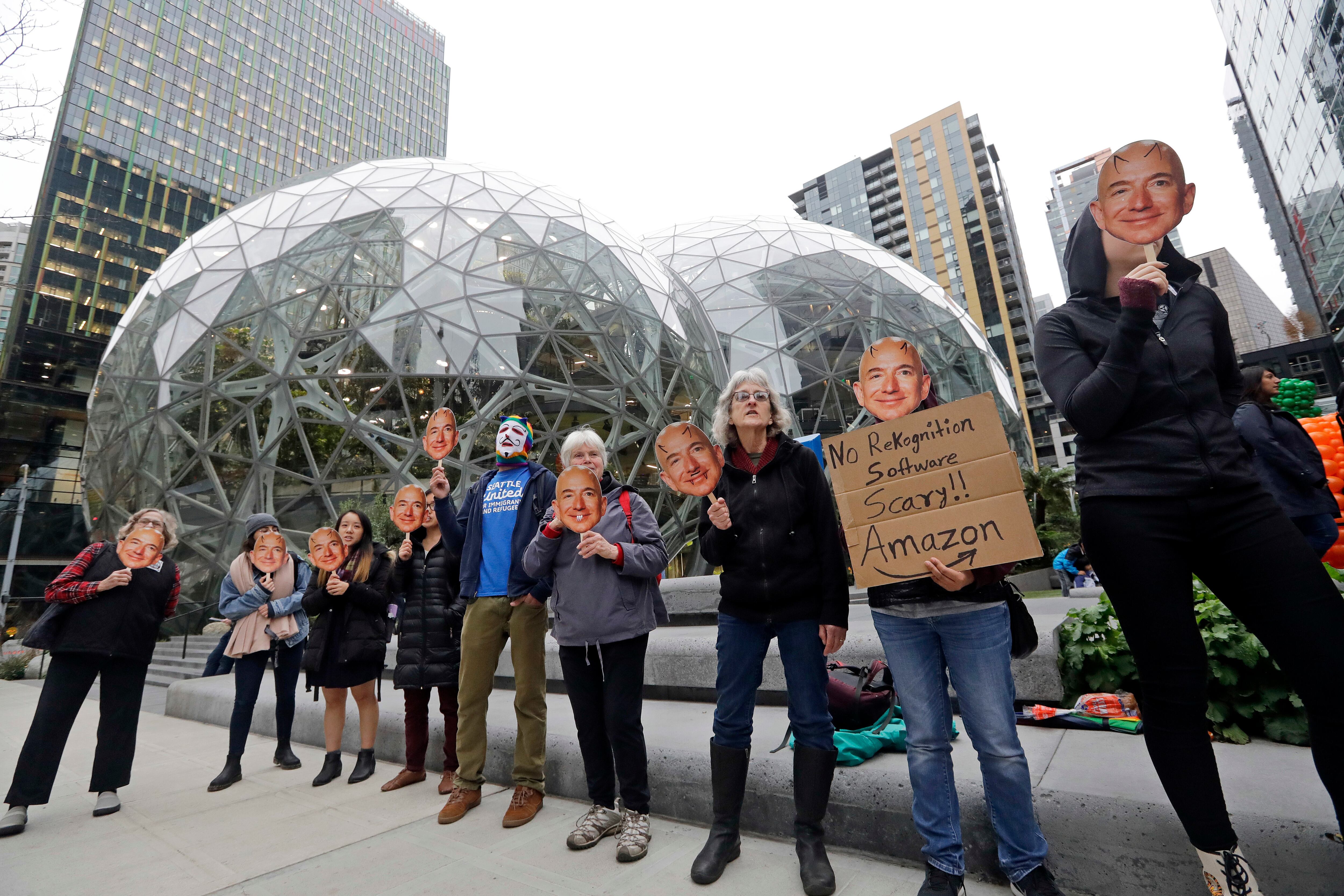
At Amazon's annual shareholder meeting this spring, a group of investors will be asking the tech giant to halt all governments sales of its proprietary facial recognition technology, known as Rekognition. The software, which scans faces and can read human emotions, tells the government "who we are, what we are, what we're doing, and who we're doing it with," said Michael Connor, the executive director of corporate accountability non-profit Open Mic.
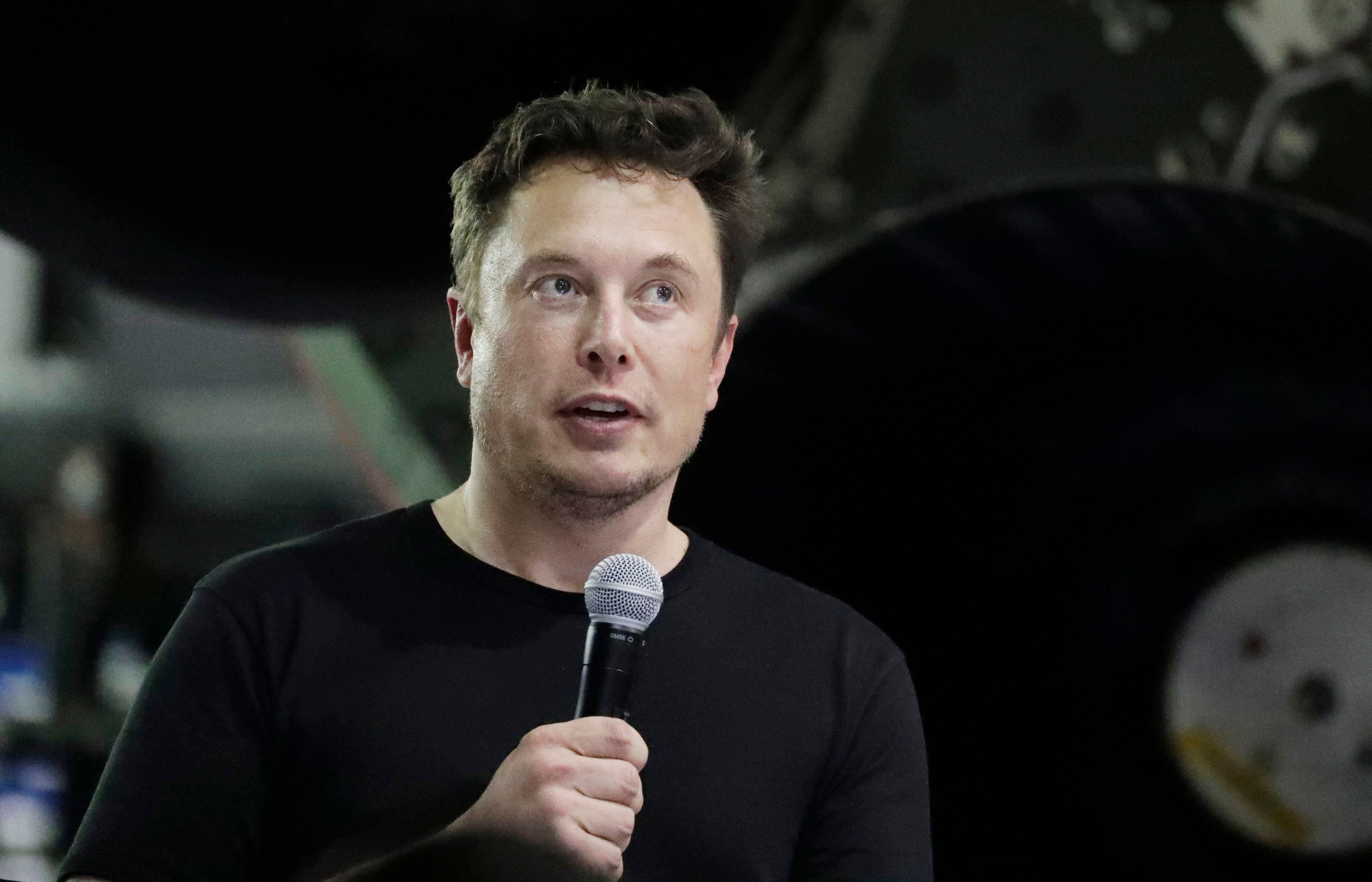
Tesla CEO Elon Musk's email to employees on Friday announcing that the electric car maker will be slashing its workforce by 7 percent is just the latest in a long line of troubles for the embattled company ー troubles that brand and marketing expert Ian Wishingrad don't see ending any time soon.
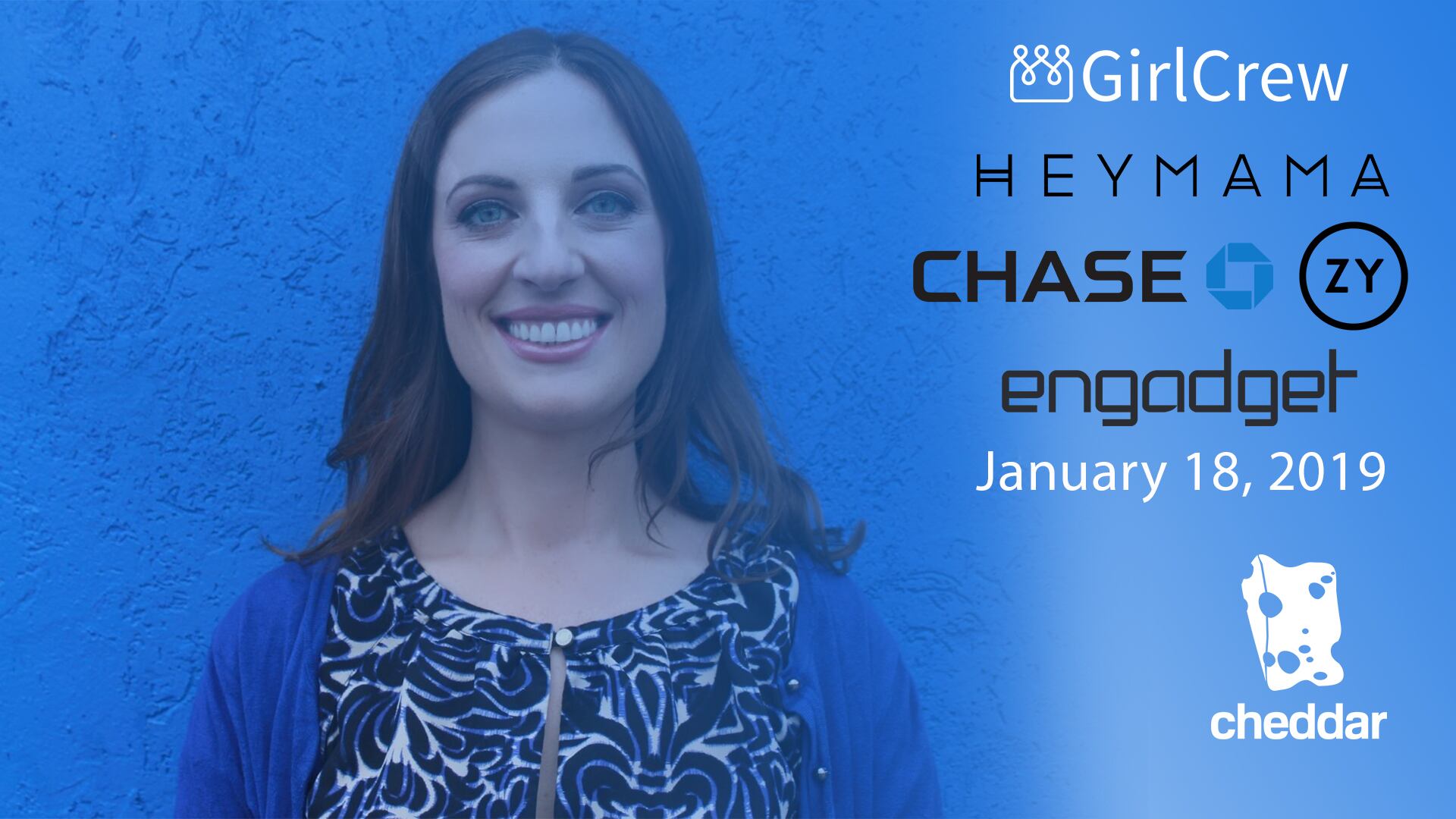
On Friday morning, Tesla announced it would slash its workforce by 7 percent in order to make a cheaper Model 3 vehicle. Netflix shares were trading slightly lower after the streaming giant reported mixed results in its most recent quarter. Plus, GirlCrew co-founder Pamela Newenham joins our weekly show ChedHER to discuss the inspiration behind her platform.
Microsoft President Brad Smith called for an end to the government shutdown during an appearance on Cheddar Thursday, saying that the political stalemate in the U.S. is contributing to broader international instability resulting from the ongoing Brexit chaos and weakness in the Chinese economy.
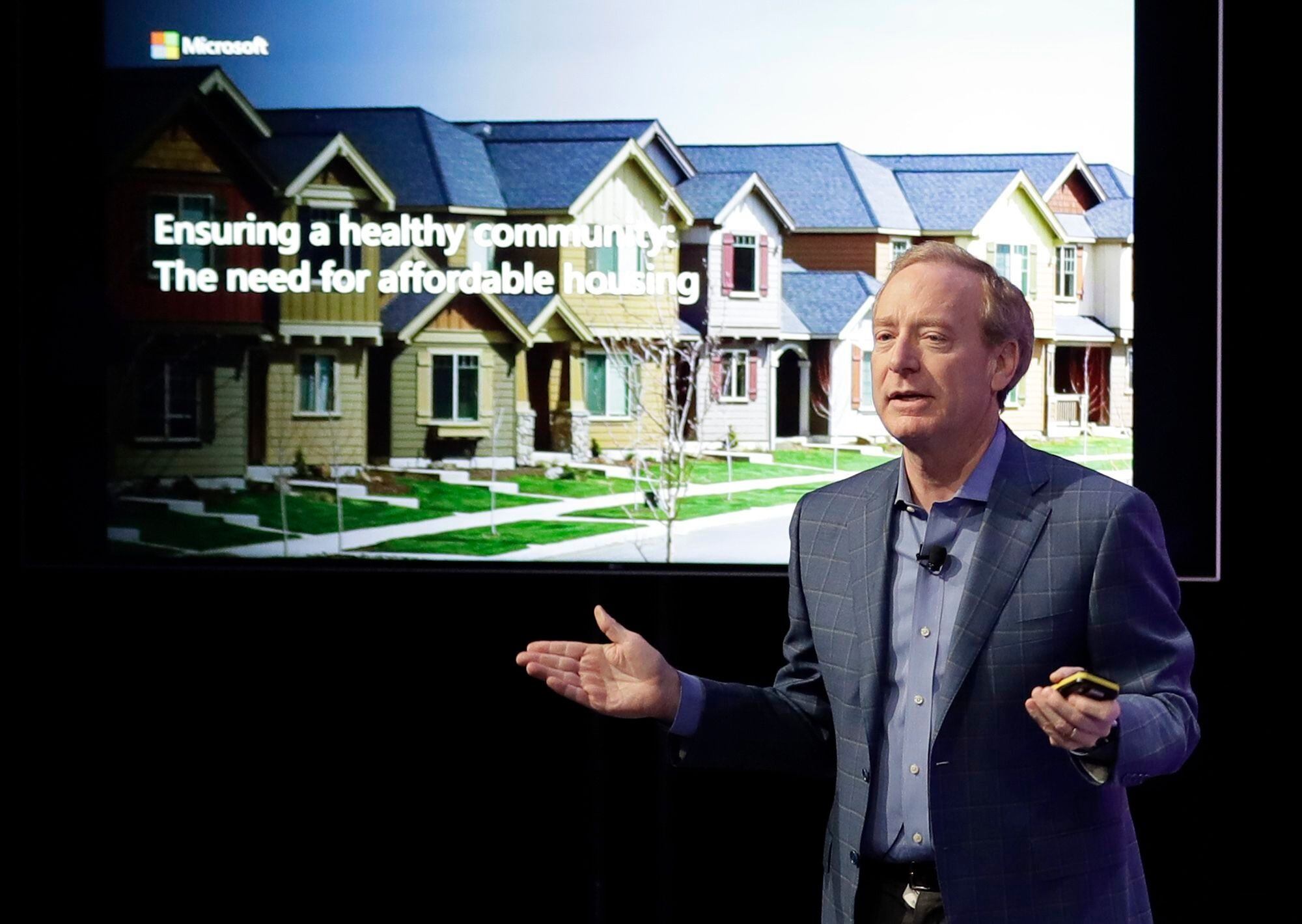
Inflated housing prices and long commute times in tech hubs nationwide is "sapping the vitality" from cities, Microsoft President Brad Smith told Cheddar Thursday following the company's announcement it would invest $500 million to address affordable housing and homelessness in and around Seattle, Wash.
TradeStation, the online broker-dealer, is dipping its toes into crypto. Speaking with Cheddar's Tanaya Macheel at the North American Bitcoin Conference in Miami on Thursday, CEO John Bartleman said crypto trading would be a "natural extension" to the asset classes currently offered on the TradeStation platform.
Abra, the crypto exchange and digital wallet startup, is trying to fundamentally change the way banking is done with a simple consumer-facing app that allows users to effectively create "synthetic" dollars using the inherent value of Bitcoin and other cryptocurrencies. Bill Barhydt, Abra's co-founder and CEO, explained the strategy to Cheddar's Tanaya Macheel at the North American Bitcoin Conference in Miami.
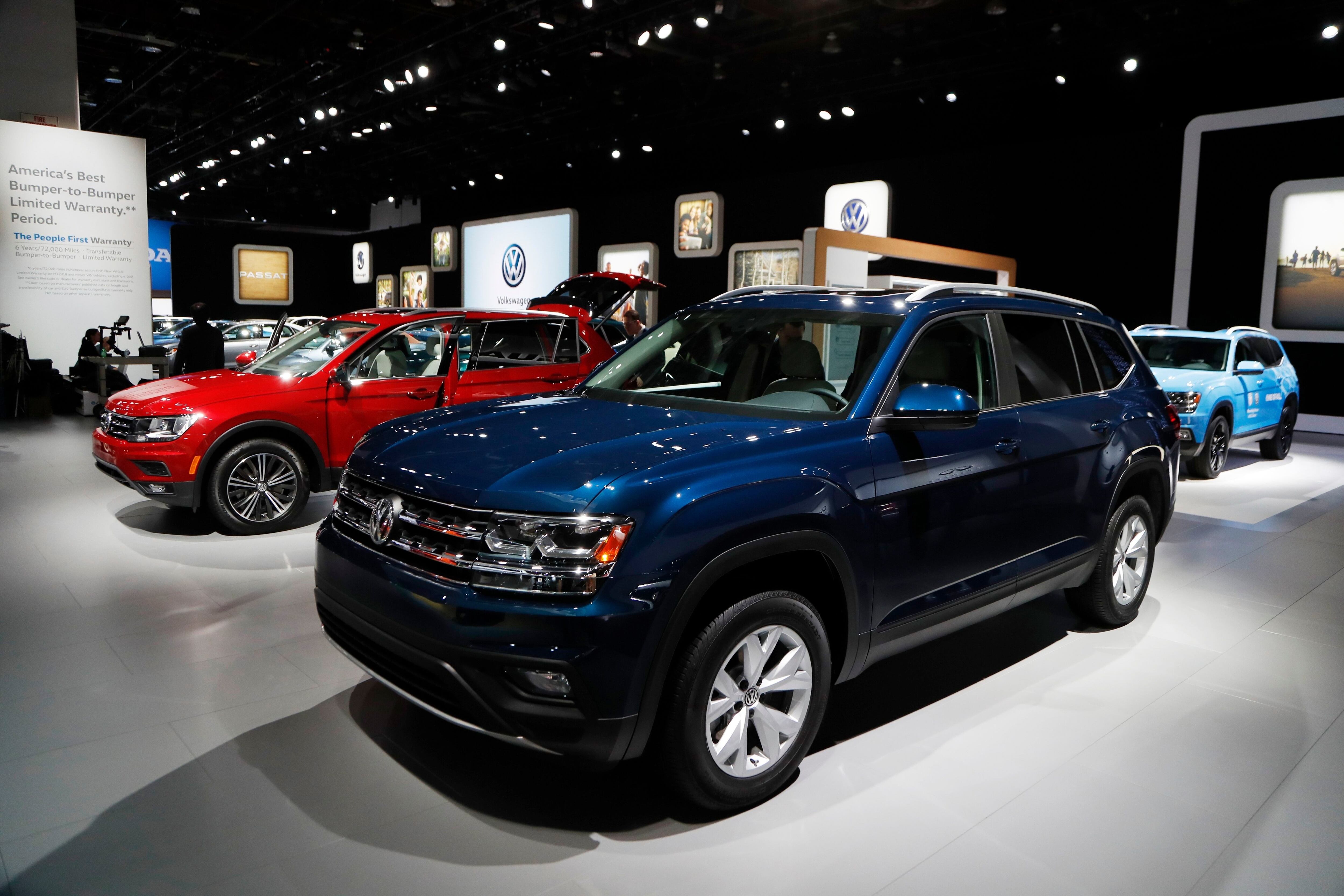
Ford Motor Company and Volkswagen AG announced at the Detroit Auto Show they will form a "broad alliance," but the reality of a partnership may present certain conflicts for both companies. "I think that this is going to be a very difficult friendship to make work because Ford ($F) is expected to make some pickup trucks for Volkswagen, which sounds good because Volkswagen needs those pickups in other markets," Nathan Bomey, business reporter at USA Today, told Cheddar Wednesday.
There is a scene in the 2002 sci-fi film "Minority Report" that has always struck me. John Anderton, the film's protagonist played by Tom Cruise, is running through a mall, bombarded by ads from premium brands like American Express and Lexus that are tailor-made just for him. I was always fascinated by that moment in the film ー because it seemed so far-fetched and dystopian, but at the same time, almost pre-ordained.