Public Radio CEO on Podcast Fervor and Latest Merger
*By Bridgette Webb*
Public Radio Exchange (PRX) and Public Radio International (PRI) are joining forces in a bid to capitalize on the booming popularity of podcasts.
The radio producers are two of the four national distributors of programming for public radio stations in the United States, and the first among their peers to merge.
PRX's chief executive, Kerri Hoffman, said there's a real synergy between the two companies.
"Think of PRX and PRI as siblings born a generation apart," Hoffman said Friday in an interview on Cheddar. "There are some things, at our core, at both organizations that we can strengthen. And the things that are differentiators are really where the opportunity is."
The merger may have arrived just in time, with listeners slowly tuning out traditional broadcasts in favor of on-demand and streaming options.
The number of people listening to podcasts has more than doubled over the past five years and is expected to hit roughly 73 million listeners this year, according to [Edison Research](http://www.edisonresearch.com/podcast-consumer-2018/).
That growth has been buoyed by podcasts' ability to showcase diverse and compelling content ー with voices that were traditionally neglected by mainstream radio.
Hoffman said it's a trend she hopes will continue.
"The barriers to entry is so much lower, but that is just part of they story," she said. "The thing that we learned over many years is that we need a whole suite of services that help people get successful."
According to PRX, the combined organization will reach more than 28.5 million listeners a month through 885 stations’ broadcast signals and websites. The companies are projecting $38 million in revenue in the first year after the merger.
Hoffman sees some roadblocks ahead, specifically, the proposal by [Republican lawmakers](http://www.latimes.com/entertainment/tv/la-et-st-pbs-cpb-npr-trump-budget-cuts-20170316-story.html ) to reduce funding for the Corporation for Public Broadcasting. Still, she thinks public media is here to say ー largely because of listener and viewer support.
" It's always a threat, but we really believe the American public has demonstrated over and over again that there is a strong and important place for non-commercial media in a Democratic society."
For more on this story, [click here](https://cheddar.com/videos/public-radio-platforms-merge-to-create-podcast-powerhouse).
The $2 trillion crypto market will soon be subject to much greater governmental oversight. SEC Chair Gary Gensler announced this week that his agency plans to register and regulate digital currencies. He also revealed that the U.S. will focus on three different areas - crypto platforms, stablecoins, and crypto tokens. Jarrod Loadholt, partner at the law firm Ice Miller, LLP, joined Cheddar News' Closing Bell to discuss.
Blueprints and paper maps might soon be a thing of the past as more cities potentially turn to digital twin technology to create virtual models of urban environments. Michael Jansen, CEO of the digital twin platform CityZenith, broke down how this technology works, what it's being used for, and how it might be a game-changer for the future of urban planning.
"Our focus at CityZenith is on helping cities to decarbonize," Jansen said. "We joined the World Economic Forum recently to work in their net-zero carbon cities program. So what digital twins can do here with cities is aggregate all this complex data around that issue: transport, building emissions, etc., and scenario-ize how they interrelate and then how to optimize the entire process of decarbonizing, which is itself complex."
General Motors and Honda are teaming up to produce more affordable electric vehicles. The two carmaking giant are looking to hit a price point of less than $30,000, a much lower price when compared to most other electric vehicles priced toward luxury buyers..
Tensions from the Russia-Ukraine war have spilled into space. The head of Russia's space agency has threatened to pull the country out of the International Space Station if sanctions aren't lifted on the country — but that doesn't seem to be happening any time soon. What would it mean if Russia really did leave the ISS, who would it harm the most, and what would the consequences be both for the other ISS partners, and private space travel? Casey Dreier, Chief Advocate & Senior Space Policy Adviser at The Planetary Society, joins Closing Bell to discuss.
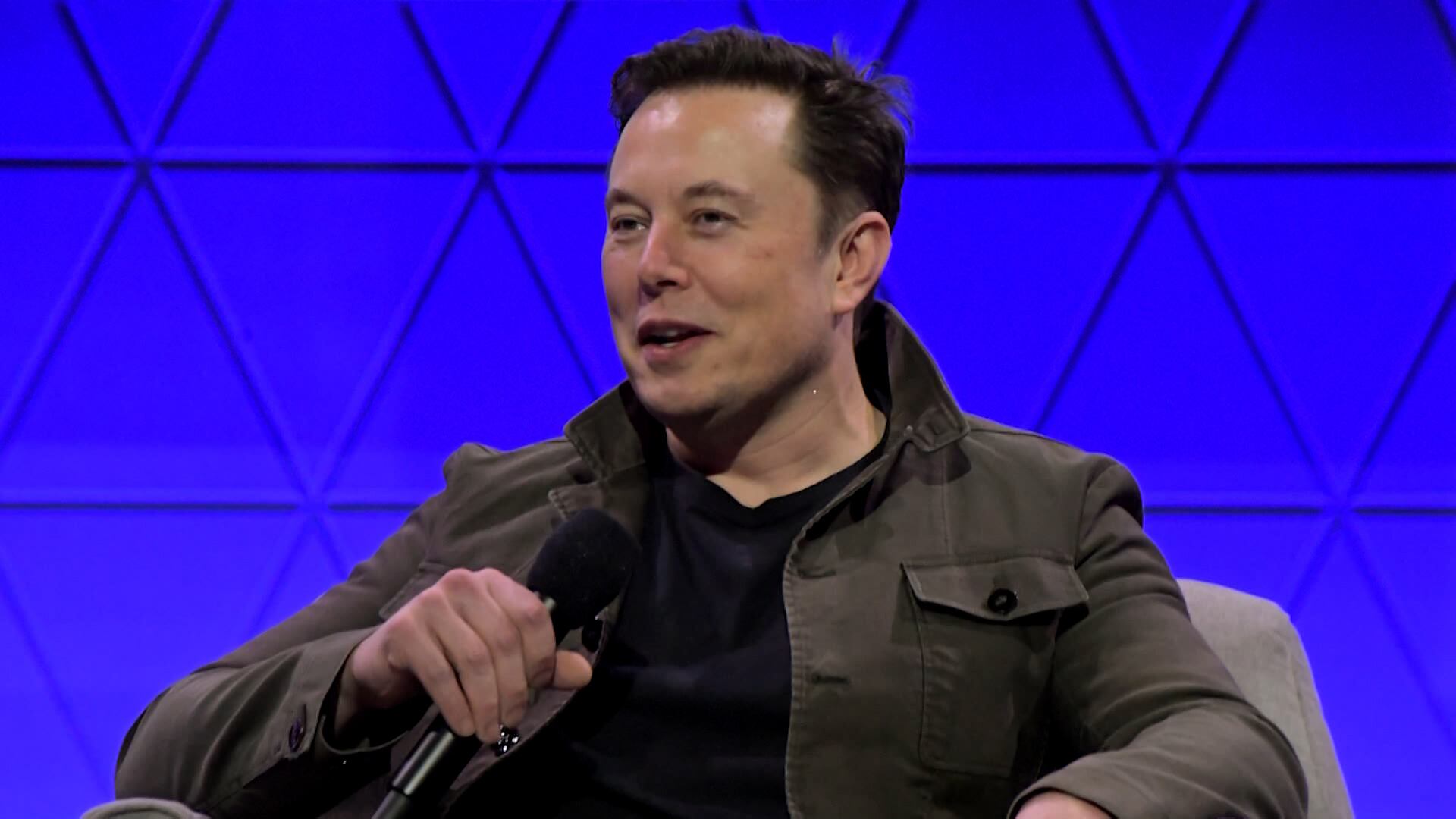
Elon Musk is set to join Twitter's board of directors. This comes shortly after the Tesla CEO purchased a 9.2% stake in Twitter, sending shares surging as much as 27% and making him the largest shareholder in the social media company. Angelo Zino, Senior Industry Analyst at CFRA Research, joined Cheddar's Opening Bell to gives his take on the social media saga.