Public Radio CEO on Podcast Fervor and Latest Merger
*By Bridgette Webb*
Public Radio Exchange (PRX) and Public Radio International (PRI) are joining forces in a bid to capitalize on the booming popularity of podcasts.
The radio producers are two of the four national distributors of programming for public radio stations in the United States, and the first among their peers to merge.
PRX's chief executive, Kerri Hoffman, said there's a real synergy between the two companies.
"Think of PRX and PRI as siblings born a generation apart," Hoffman said Friday in an interview on Cheddar. "There are some things, at our core, at both organizations that we can strengthen. And the things that are differentiators are really where the opportunity is."
The merger may have arrived just in time, with listeners slowly tuning out traditional broadcasts in favor of on-demand and streaming options.
The number of people listening to podcasts has more than doubled over the past five years and is expected to hit roughly 73 million listeners this year, according to [Edison Research](http://www.edisonresearch.com/podcast-consumer-2018/).
That growth has been buoyed by podcasts' ability to showcase diverse and compelling content ー with voices that were traditionally neglected by mainstream radio.
Hoffman said it's a trend she hopes will continue.
"The barriers to entry is so much lower, but that is just part of they story," she said. "The thing that we learned over many years is that we need a whole suite of services that help people get successful."
According to PRX, the combined organization will reach more than 28.5 million listeners a month through 885 stations’ broadcast signals and websites. The companies are projecting $38 million in revenue in the first year after the merger.
Hoffman sees some roadblocks ahead, specifically, the proposal by [Republican lawmakers](http://www.latimes.com/entertainment/tv/la-et-st-pbs-cpb-npr-trump-budget-cuts-20170316-story.html ) to reduce funding for the Corporation for Public Broadcasting. Still, she thinks public media is here to say ー largely because of listener and viewer support.
" It's always a threat, but we really believe the American public has demonstrated over and over again that there is a strong and important place for non-commercial media in a Democratic society."
For more on this story, [click here](https://cheddar.com/videos/public-radio-platforms-merge-to-create-podcast-powerhouse).
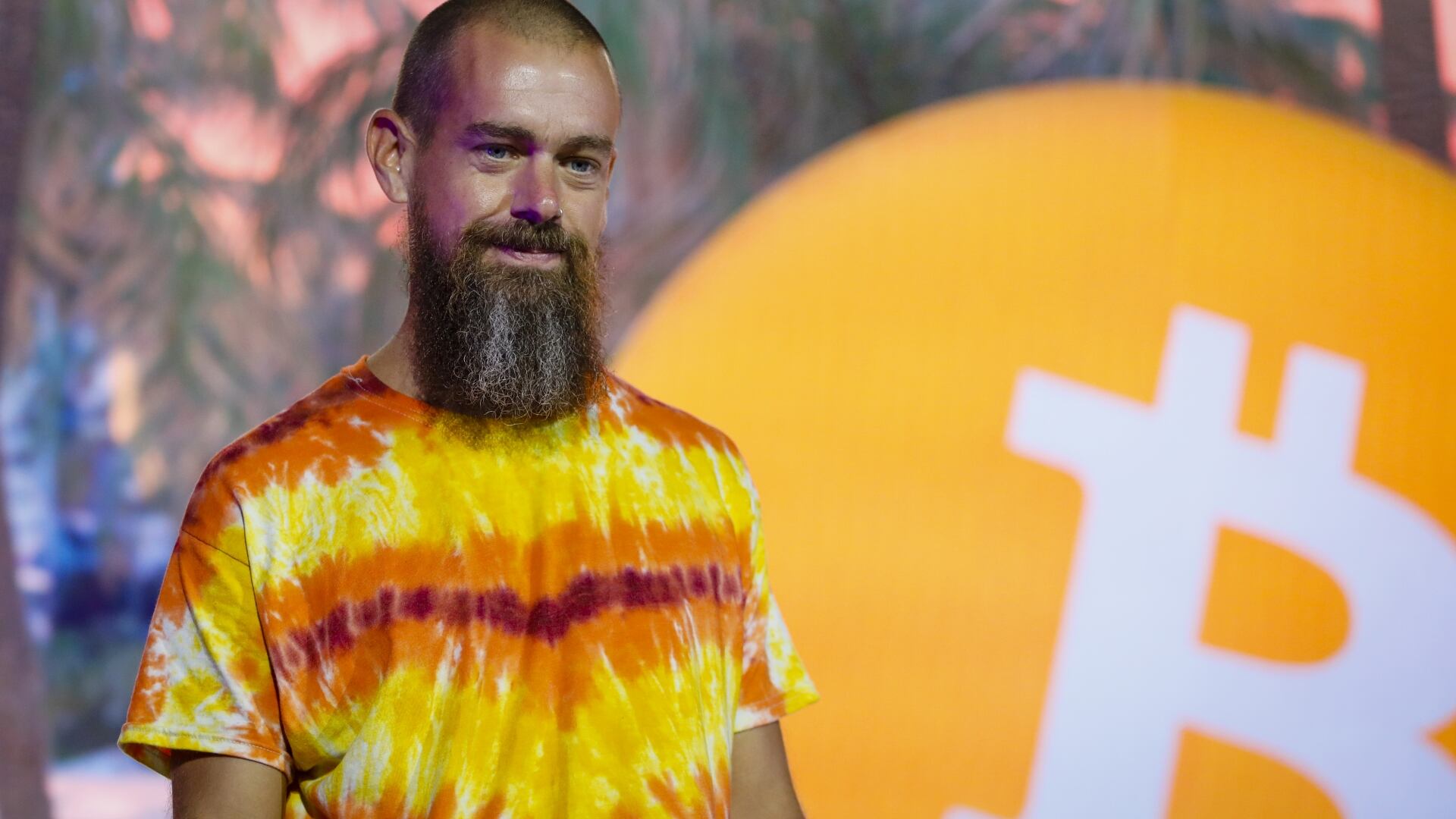
Venture capitalists and CEOs are clashing over the future of the internet. Web3 is the tech world's name for a decentralized, blockchain-based internet that runs on cryptocurrency. It was recently the topic of a tweet from Block CEO and former Twitter CEO Jack Dorsey who wrote that Web3 will not actually be owned by users, and instead be controlled by rich venture capitalists. Dorsey later shared that he was blocked on Twitter by Marc Andreesen, co-founder of VC firm Andreesen Horowitz, which has invested billions of dollars into Web3 and crypto projects. Correspondent for DealBook from the New York Times, Ephrat Livni, joins Cheddar News' Closing Bell to discuss what this could mean for the future of Web3.
Prices at the pump this year reached a seven-year high, and a new forecast from GasBuddy shared with CNN predicts that gas prices will only continue to rise in 2022 and that the national average could even reach $4.00 a gallon; however, analysts at GasBuddy say anything could happen when it comes to gas prices in the future, as the pandemic has made it difficult to make any predictions about the economy. Consumer Energy Alliance federal policy advisor Michael Zehr joins Cheddar News' Closing Bell to discuss.
The two tech- billionaires Elon Musk and Jack Dorsey are the latest voices to discuss the new hypothetical internet called Web 3.0. According to the billionaires, the new concept is just a "marketing buzzword" and cannot exist without venture capitalists or large backing. However, advocates of the Web 3.0 believe this decentralized space is the next big thing to help put ownership back into the hands of the people. Senior News Editor at The Verge, Richard Lawler, joined Cheddar to discuss more.
This year, the games market will generate total revenues of $180.3 billion dollars, a significant increase from 2020. While the industry continues to grow and expand into new spaces, such as the metaverse, there is still plenty of room for growth and reform in this male-dominated market. Katie Robinson, content creator, joins Cheddar News to discuss.
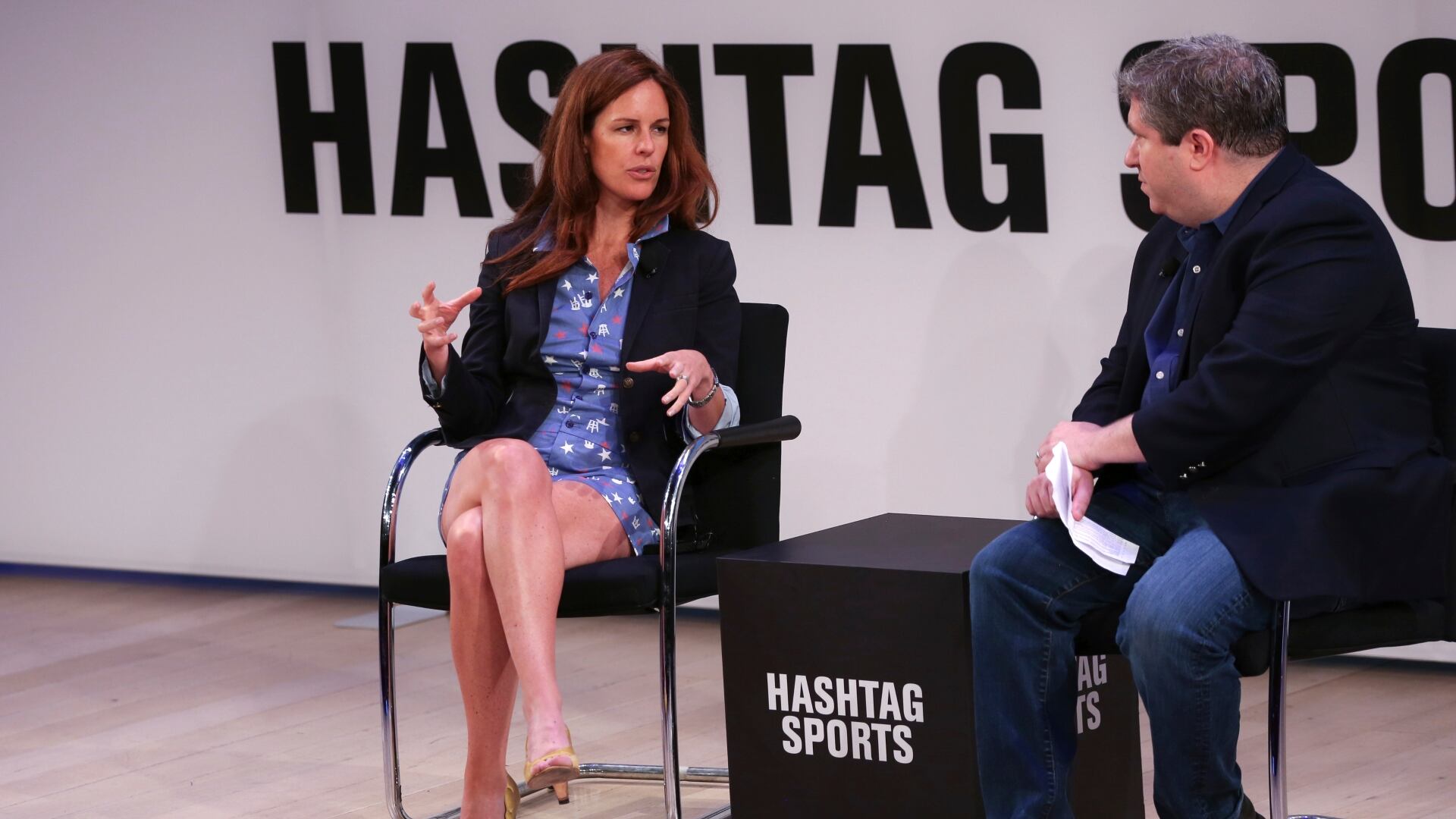
Barstool Sports CEO Erika Nardini joined Cheddar's Kristen Scholer to discuss plans for the future even as COVID-19 upended Barstool's sponsorship of the Arizona Bowl featuring the Boise State Broncos and the Central Michigan Chippewas due to the spreading omicron variant. "In our case as a company, coronavirus has been a big boom for us," she noted. "We've been able to create a lot of new programming, launch a lot of different personalities, and frankly take share from traditional media, and that's what we've done the entire pandemic." While she admitted to taking a hit on the canceled Bowl game, live events aren't completely off the table for Barstool in 2022. Nardini also talked about potential sports betting expansion following its partnership with Penn National Gaming.