Public Radio CEO on Podcast Fervor and Latest Merger
*By Bridgette Webb*
Public Radio Exchange (PRX) and Public Radio International (PRI) are joining forces in a bid to capitalize on the booming popularity of podcasts.
The radio producers are two of the four national distributors of programming for public radio stations in the United States, and the first among their peers to merge.
PRX's chief executive, Kerri Hoffman, said there's a real synergy between the two companies.
"Think of PRX and PRI as siblings born a generation apart," Hoffman said Friday in an interview on Cheddar. "There are some things, at our core, at both organizations that we can strengthen. And the things that are differentiators are really where the opportunity is."
The merger may have arrived just in time, with listeners slowly tuning out traditional broadcasts in favor of on-demand and streaming options.
The number of people listening to podcasts has more than doubled over the past five years and is expected to hit roughly 73 million listeners this year, according to [Edison Research](http://www.edisonresearch.com/podcast-consumer-2018/).
That growth has been buoyed by podcasts' ability to showcase diverse and compelling content ー with voices that were traditionally neglected by mainstream radio.
Hoffman said it's a trend she hopes will continue.
"The barriers to entry is so much lower, but that is just part of they story," she said. "The thing that we learned over many years is that we need a whole suite of services that help people get successful."
According to PRX, the combined organization will reach more than 28.5 million listeners a month through 885 stations’ broadcast signals and websites. The companies are projecting $38 million in revenue in the first year after the merger.
Hoffman sees some roadblocks ahead, specifically, the proposal by [Republican lawmakers](http://www.latimes.com/entertainment/tv/la-et-st-pbs-cpb-npr-trump-budget-cuts-20170316-story.html ) to reduce funding for the Corporation for Public Broadcasting. Still, she thinks public media is here to say ー largely because of listener and viewer support.
" It's always a threat, but we really believe the American public has demonstrated over and over again that there is a strong and important place for non-commercial media in a Democratic society."
For more on this story, [click here](https://cheddar.com/videos/public-radio-platforms-merge-to-create-podcast-powerhouse).
Renewable energy company Heliogen has gone public via a SPAC merger with blank check company Athena Technology Acquisition Corp. on the NYSE. Joining Cheddar, founder and CEO Bill Gross went into why he felt the end of 2021 was the best time to get into the public markets. "If you think of the Industrial Revolution and the digital revolution, this renewable revolution is probably going to be as big or larger than that," he said. "So we're going to use this capital to scale our business, to meet more customer demand, to do more projects in parallel, and to scale our research and development to continue to drive down the price to be competitive with fossil fuels."
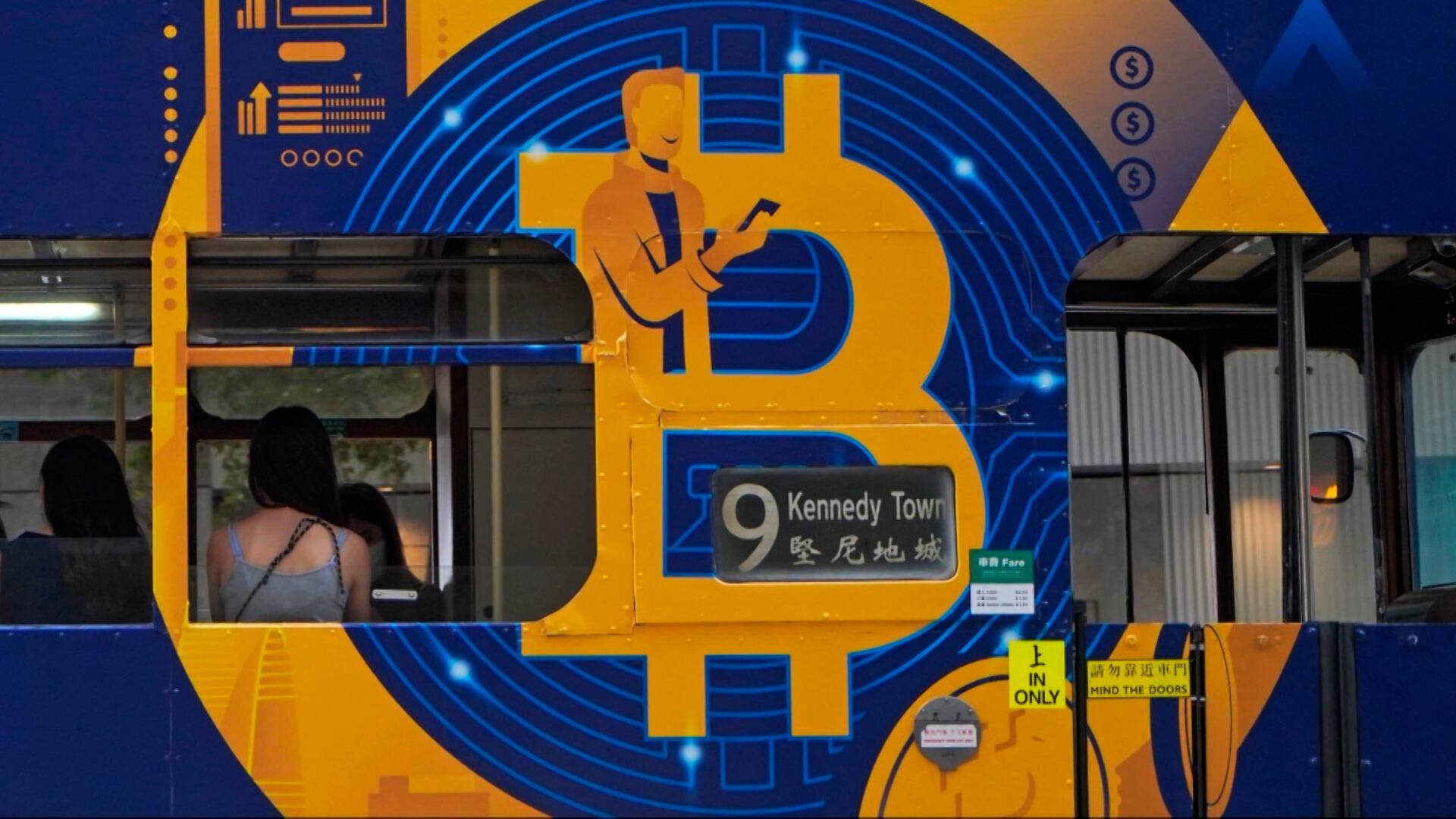
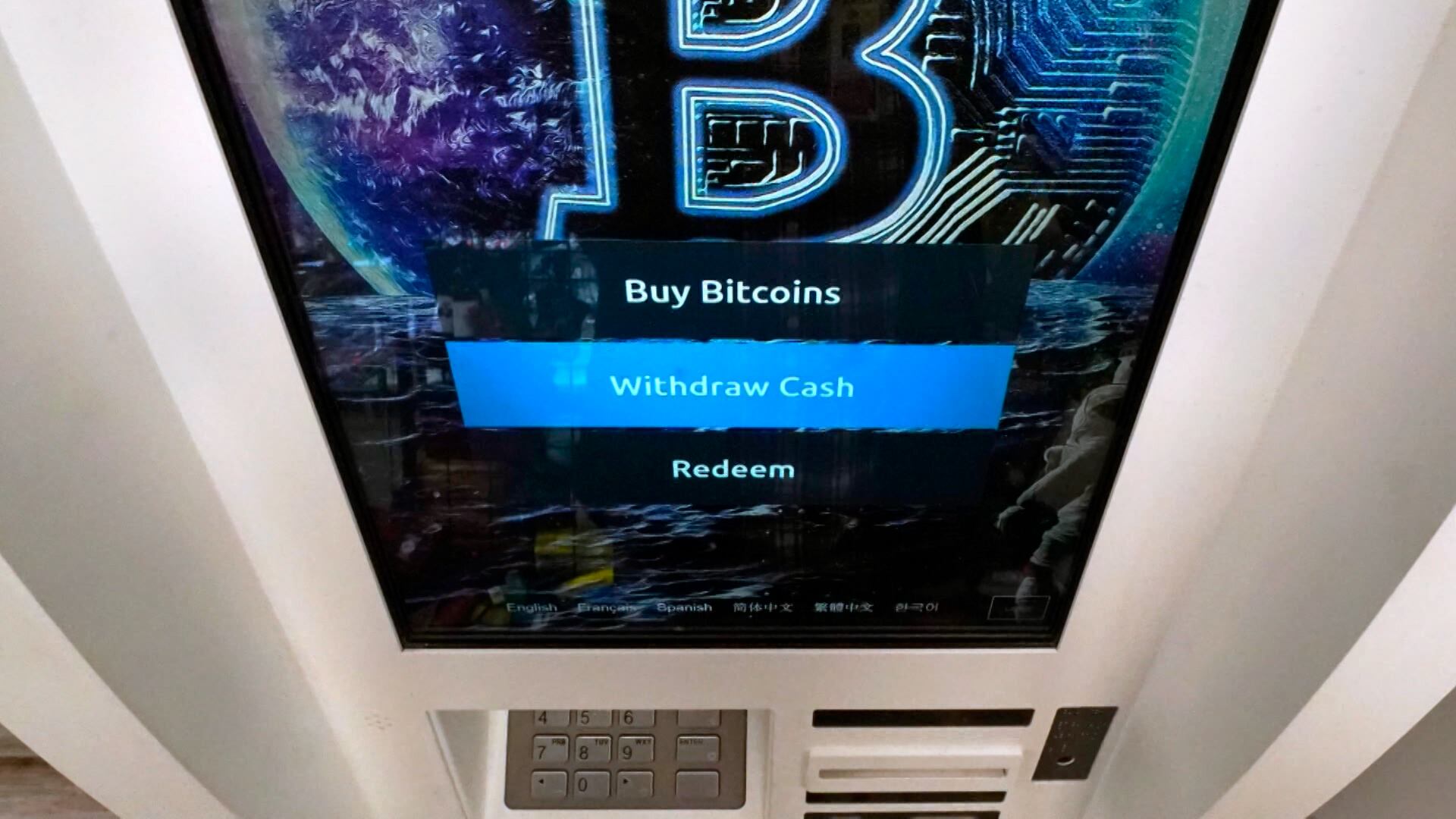
Carl "The Moon" Runefelt, a Bitcoin investment expert, recently made a hefty purchase of a $2 million Bugatti sports car at a Dubai dealership. The Swedish crypto evangelist joined Cheddar to talk about how he made the big acquisition of a luxury item he had long had his eye on and why he chose the dealership, The Car Vault, to make the unprecedented transaction. "They accepted crypto directly, and that was important to me," he said. "I am not going to go to any car dealership that don't accept crypto, and that's kind of a principle I have today."
2021 proved that crypto currency is here to stay. This year saw more and more adoptions of crypto, from top athletes looking to be paid in bitcoin, to Elon Musk even experimenting with bitcoin and dogecoin payments for a bit over at Tesla. And it wasn't all bitcoin either - other cryptos like Cardano and Solana saw some action in 2021 as well. Patrick McConlogue, CEO of Overline and former Citadel Investment Group Engineer explains why 2021 was such a good year for crypto, and what to expect in 2022.
2021 saw markets continue to be impacted by the onslaught of the coronavirus pandemic -most recently in the form of the Omicron variant- in addition to the global supply chain shortage, and increased inflation. But it wasn't all bad news, as crypto soared throughout the year, and meme stocks continued to have a moment. With the year coming to a close, investors are keeping an eye out to see if they should expect more of the same in the new year. Chris Vecchio, Senior Analyst, at DailyFX tells us what market trends to be on the watch for in 2022.