Algorithms seem to be dictating just about every facet of life these days, including what you pick out of your closet, and online-shopping platform, PSYKHE, is using a program of psychological profiling to create style recommendations.
When customers sign up, they are instructed to take the big five personality test, assessing personal preferences, which creates the profile.
"So essentially, the big five is the most robust and respected model in psychology. You end up essentially, from 1 to 100 in each of these five scales, resulting in a really specific composite score," Anabel Maldonado, PSYKHE founder and CEO, told cheddar.
Once a customer has completed the test, they can explore their specially curated shopping experience. Over time, the algorithm will improve at making selections that best suit your personality, Maldonado added.
While concerns have grown over the years regarding human bias entering these kinds of algorithms, Maldonado explained that a somewhat diverse staff worked on the initial training set for the artificial intelligence and that the system’s ability to learn shopping tendencies over time can hopefully ensure that a diverse customer base is being served.
She also said that the system’s ability to track dislikes or rejected suggestions is "almost as valuable, if not more," than understanding what a customer does like because a wider variety of options are available.
"Currently the status-quo is that you look at dwell time, and clicks, and purchase history. We don’t really feel that works as well, especially purchase history," Maldonado noted.
PSYKHE looks to avoid repetitive suggestions or similar recommendations that have already been purchased, according to the CEO. And, while PSYKHE is just the latest venture for Maldonado, she plans to expand the brand beyond clothing, using the same artificial intelligence.
"The interesting thing is the relationships between your big five scores and your preferences, health outcomes, behavior, music preference, really a variety of things is what makes the technology so valuable," she said.
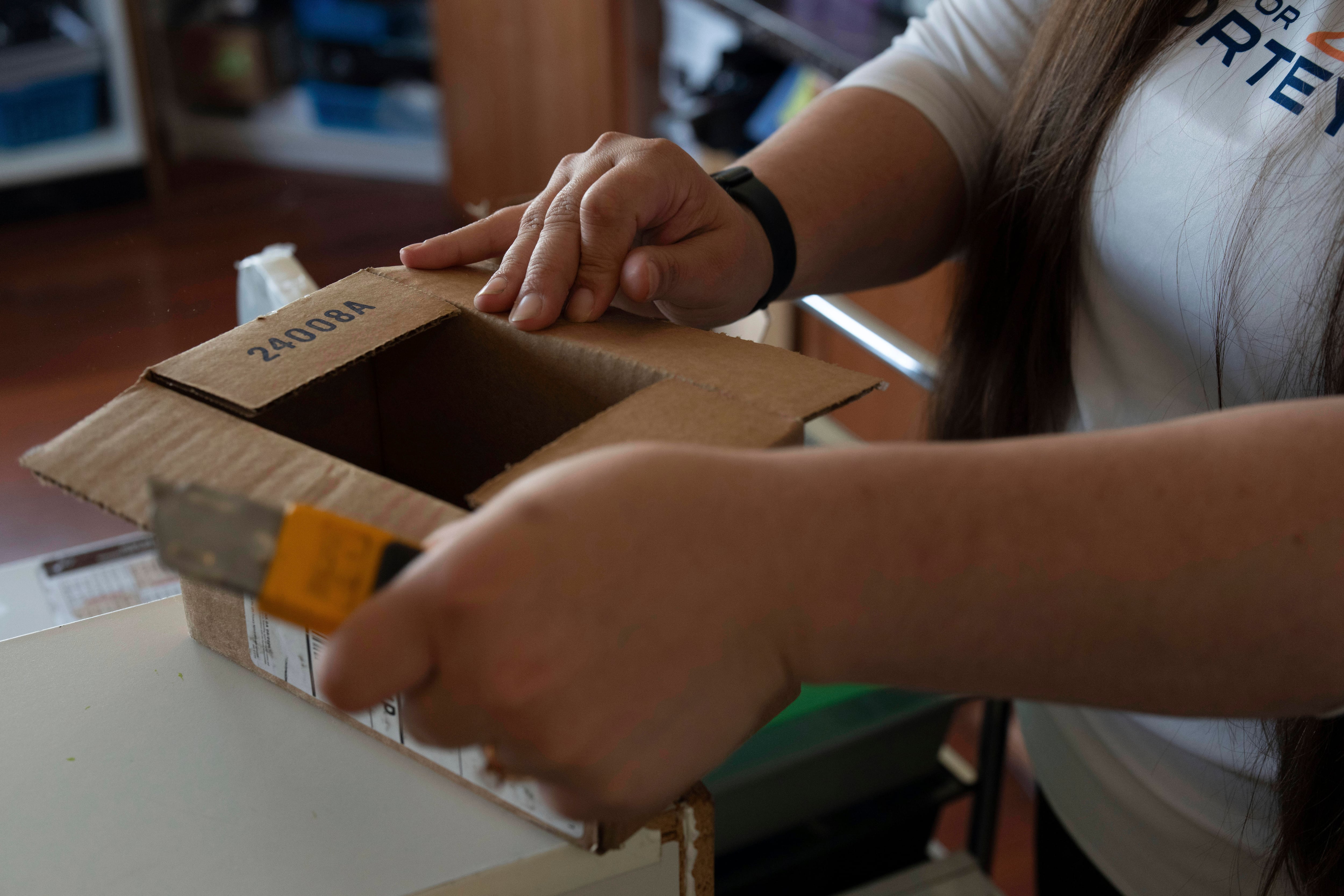
Low-value imports are losing their duty-free status in the U.S. this week as part of President Donald Trump's agenda for making the nation less dependent on foreign goods. A widely used customs exemption for international shipments worth $800 or less is set to end starting on Friday. Trump already ended the “de minimis” rule for inexpensive items sent from China and Hong Kong, but having to pay import taxes on small parcels from everywhere else likely will be a big change for some small businesses and online shoppers. Purchases that previously entered the U.S. without needing to clear customs will be subject to the origin country’s tariff rate, which can range from 10% to 50%.
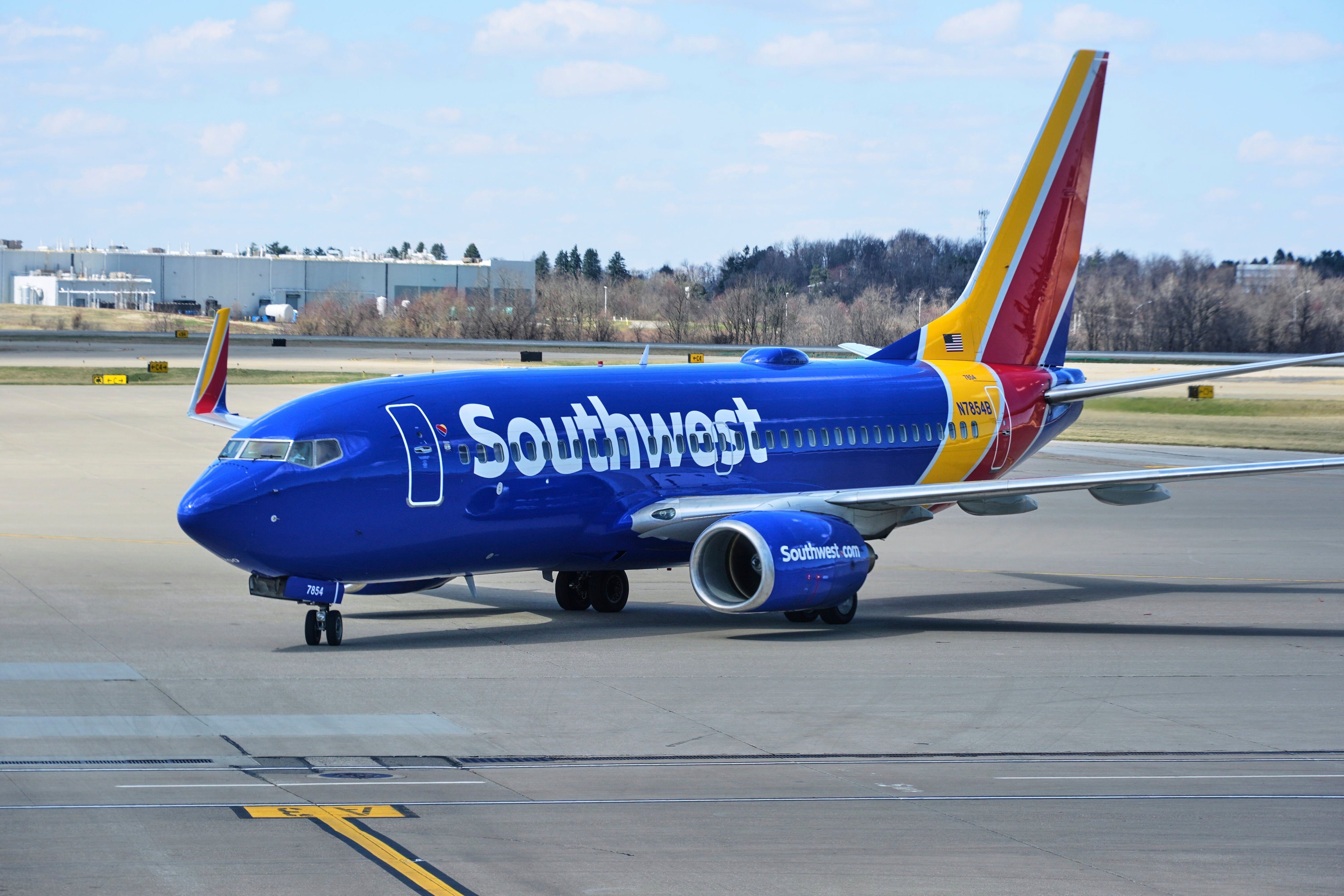
Southwest Airlines will soon require plus-size travelers to pay for an extra seat in advance if they can't fit within the armrests of one seat. This change is part of several updates the airline is making. The new rule starts on Jan. 27, the same day Southwest begins assigning seats. Currently, plus-size passengers can pay for an extra seat in advance and later get a refund, or request a free extra seat at the airport. Under the new policy, refunds are still possible but not guaranteed. Southwest said in a statement it is updating policies to prepare for assigned seating next year.
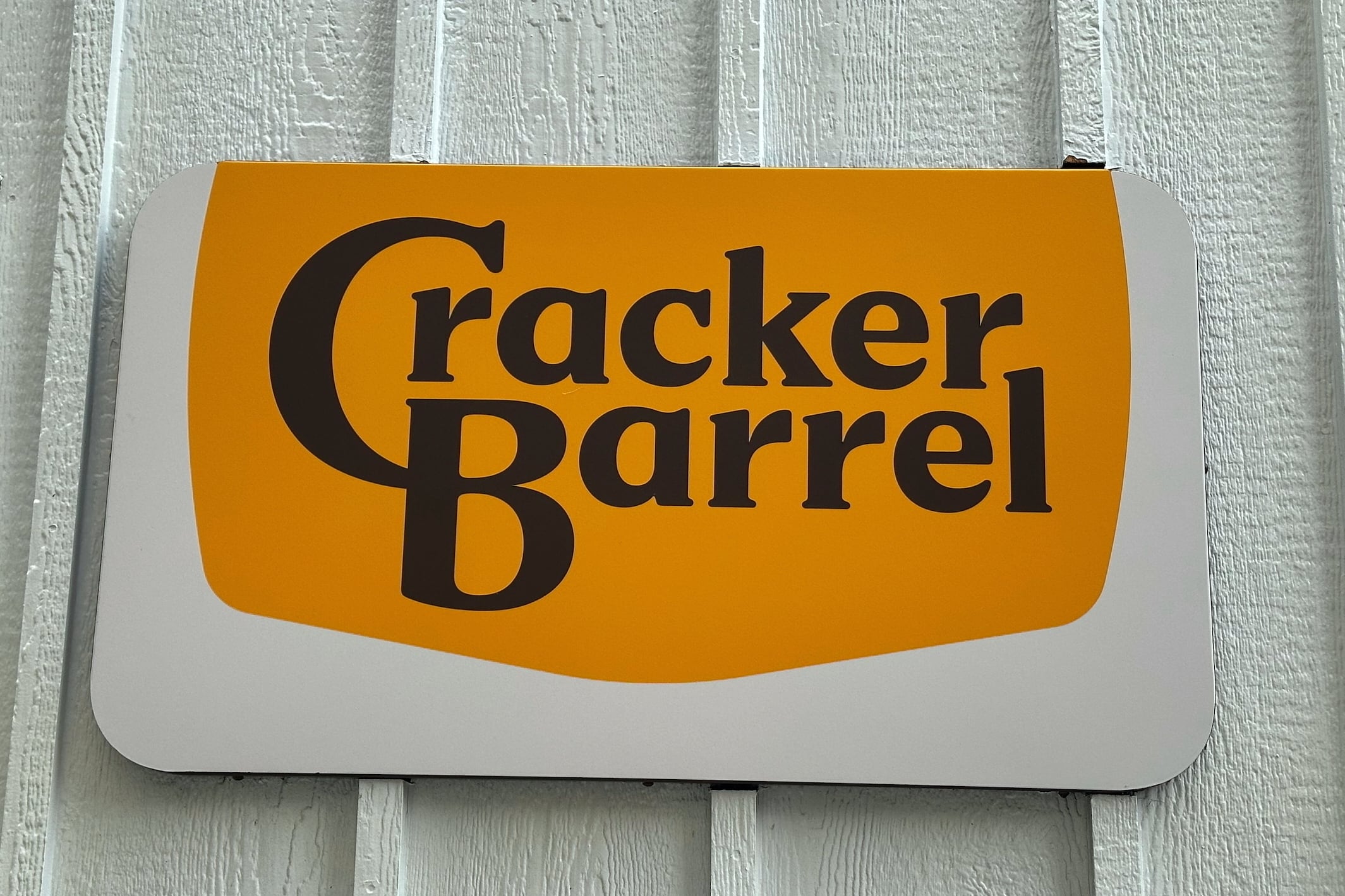
Cracker Barrel is sticking with its new logo. For now. But the chain is also apologizing to fans who were angered when the change was announced last week.
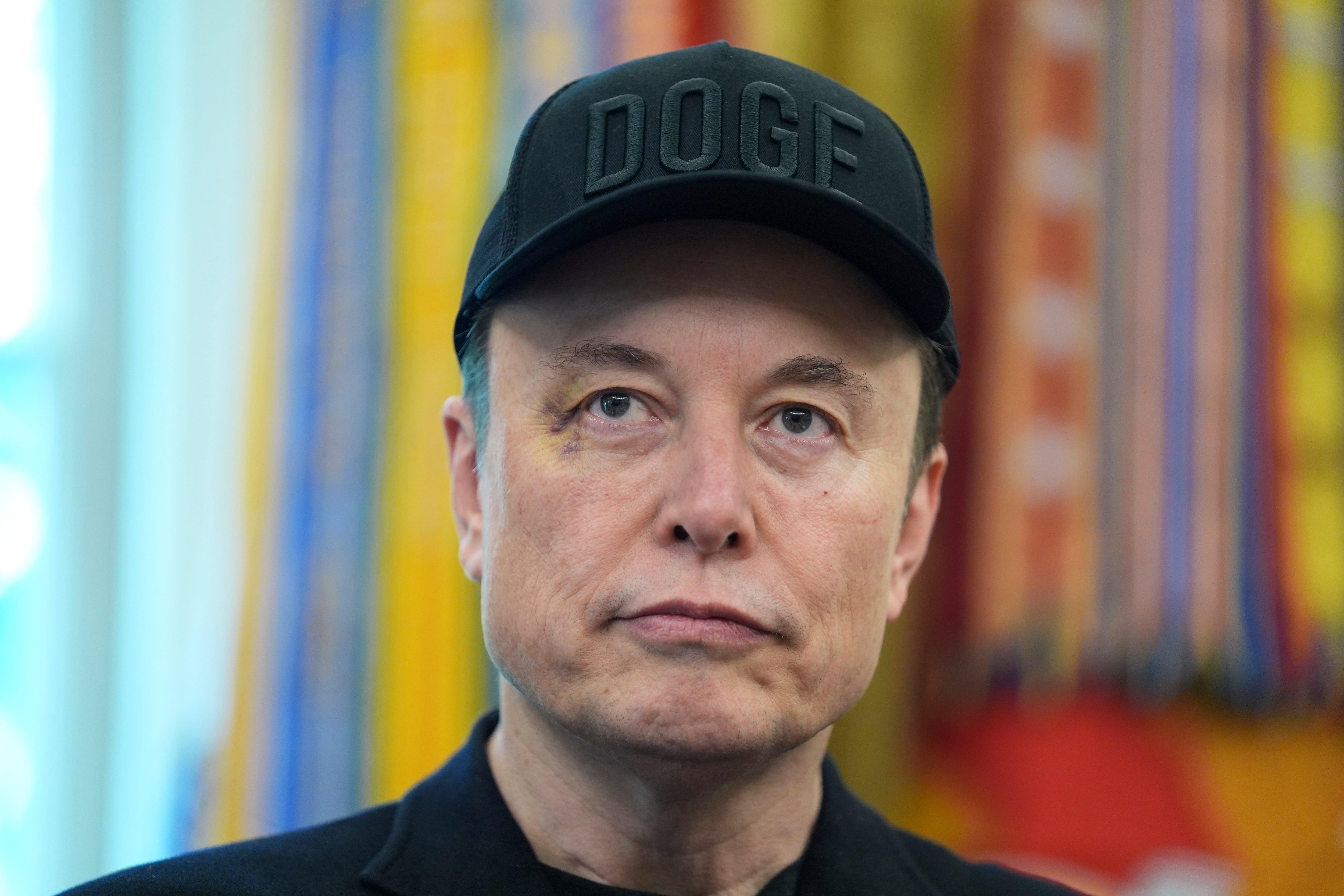
Elon Musk on Monday targeted Apple and OpenAI in an antitrust lawsuit alleging that the iPhone maker and the ChatGPT maker are teaming up to thwart competition in artificial intelligence.
Hear from Gabino & Stephen Roche on Saphyre’s institutional AI platform that centralizes pre‑ and post‑trade data, redefining settlement speed and accuracy.
Elon Musk’s X has reached a tentative settlement with former employees of the company then known as Twitter who’d sued for $500 million in severance pay.