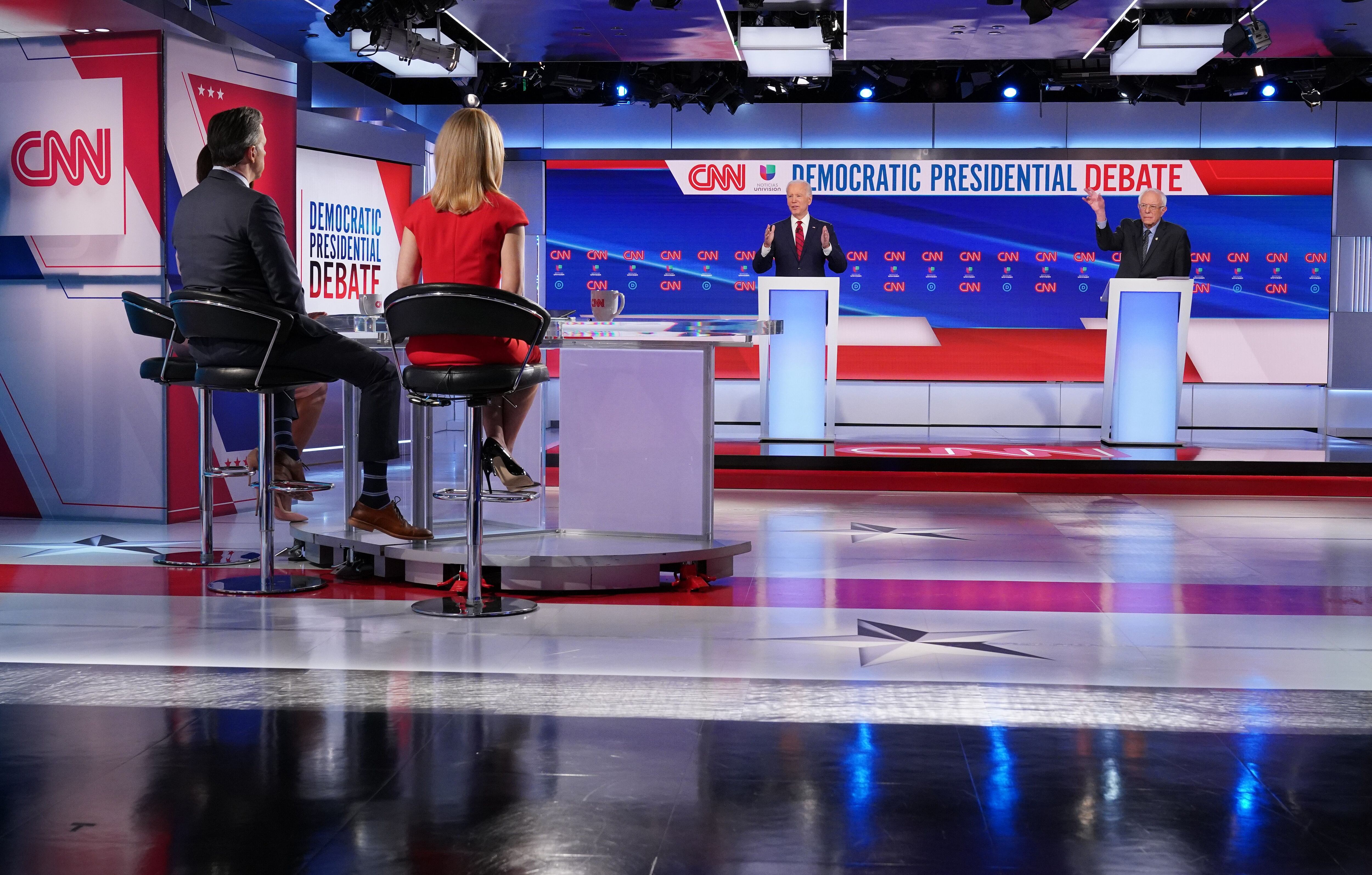
(L-R) Moderators Univision's journalist Ilia Calderon (hidden), CNN chief Washington correspondent Jake Tapper and CNN political correspondent Dana Bash listen to Democratic presidential hopefuls former US vice president Joe Biden and Vermont Senator Bernie Sanders take part in the 11th Democratic Party 2020 presidential debate in a CNN Washington Bureau studio in Washington, DC on March 15, 2020. (Photo by MANDEL NGAN / AFP) (Photo by MANDEL NGAN/AFP via Getty Images)
By Bill Barrow
There is no 12th Democratic presidential debate on the horizon now that the nominating process is in a holding pattern due to the coronavirus pandemic.
One of the Democratic National Committee's lead debate organizers, Xochitl Hinojosa, said the party has not set a date or secured a television broadcasting partner for what would be the final encounter of the dozen that DNC Chairman Tom Perez promised at the campaign's outset.
There's no evidence that either Joe Biden, the prospective nominee, or Bernie Sanders, Biden's last remaining rival, is clamoring for a debate, and there's doubt among the candidates' advisers that one will occur.
The first 10 Democratic debates were held in public venues before audiences of party officials and candidates' supporters. CNN and the DNC moved the March 15 debate, the first after U.S. officials publicly urged a massive coronavirus response, from Phoenix to the network's Washington studios. There was no live audience, and the candidates stood 6 feet (1.83 meters) apart, recognizing the public health recommendations.
Since then, Mayor Muriel Bowser of the District of Columbia has issued a stay-at-home order urging only nonessential workers to move about the nation's capital. New York, where national television networks are based, now has among the most serious coronavirus outbreaks of any U.S. city.
The next debate was expected to be in an East Coast location before the April 28 primary anchored by New York. That primary remains scheduled for now, but several states, including Maryland, Rhode Island, and Connecticut, have pushed back to join New Jersey on June 2.
The 11th debate, the relocated one, was the first between just Biden and Sanders and came after the rest of the field had either dropped out or failed to meet debate qualifications. Biden had established a clear delegate lead over Super Tuesday and March 10 primaries. Sanders' aides said at the time that the Vermont senator wanted to use the forum to trumpet his progressive agenda as a democratic socialist against the former vice president's more establishment approach.
Sanders' team is making no such noise now. “If there is a debate in April, he plans to be there,” Sanders spokesman Mike Casca said. It was a notably muted tone for a campaign and candidate often critical of the DNC and the “establishment media" for alleged unfair treatment.
For most people, the new coronavirus causes mild or moderate symptoms, such as fever and cough that clear up in two to three weeks. For some, especially older adults and people with existing health problems, it can cause more severe illness, including pneumonia, and death.
Associated Press writer Will Weissert in Washington contributed to this report.
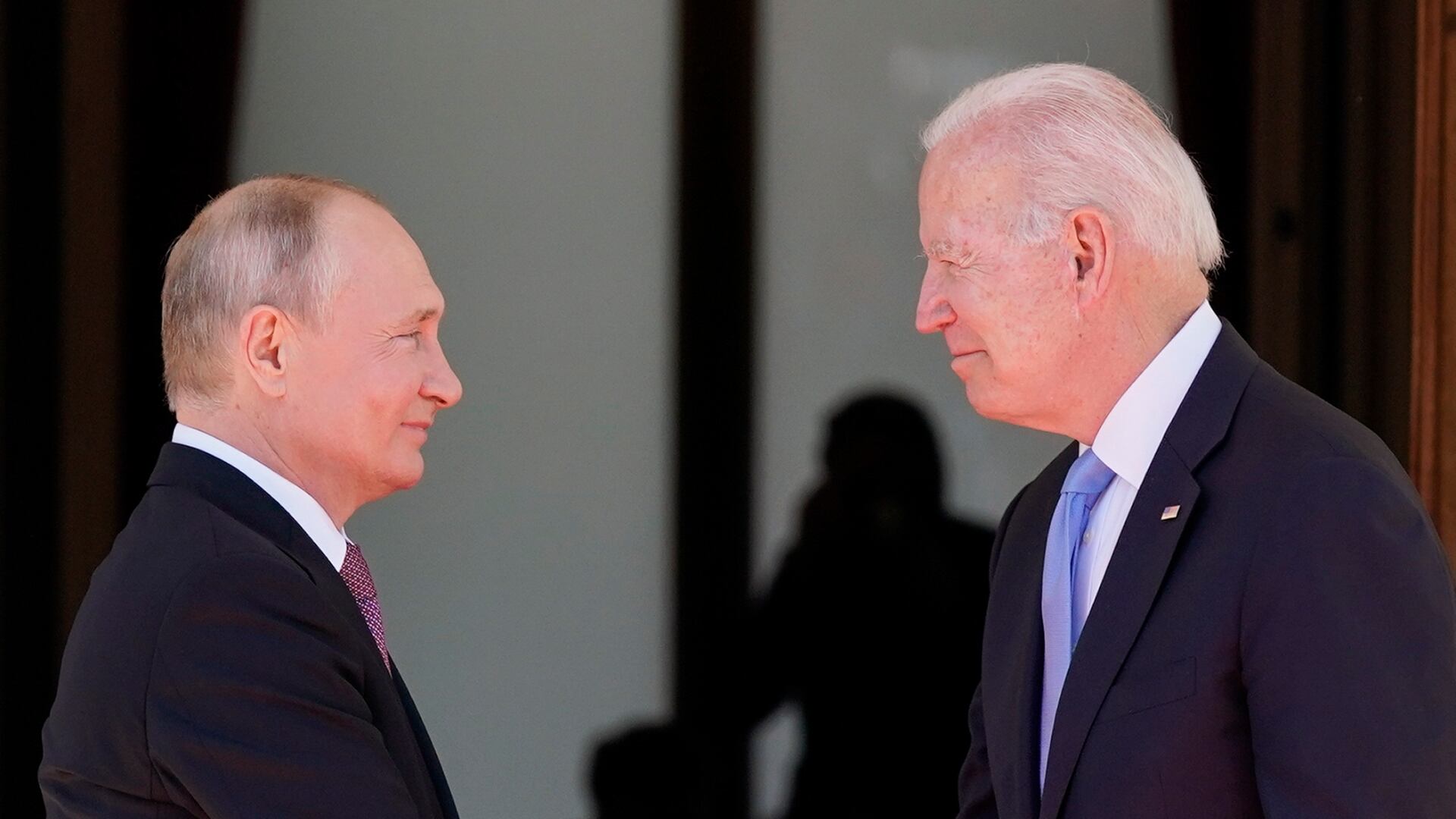
Face to face for just over two hours, President Joe Biden and Russia’s Vladimir Putin squared off in a secure video call Tuesday as the U.S. president put Moscow on notice that an invasion of Ukraine would bring enormous harm to the Russian economy.
Ahead of Instagram head Adam Mosseri's congressional hearing on the mental impact of the social platform on teens, the company announced a number of updates aimed at teen safety.
Troubled Chinese real estate giant Evergrande is once again nearing the brink of collapse. Shares of Evergrande sunk to a new record low on Monday, closing down 20 percent, as debt default fears resurfaced. Drew Bernstein, co-chairman at consultancy MarcumBP, joined Cheddar's Opening Bell to discuss. He said U.S. investors have to understand that "there is no company in China that's too big to fail, that's for sure," and that the Chinese government will be prioritizing the social welfare of the populace. Bernstein did note that it would be a managed collapse in some form.
Joan Greve, a politics reporter at The Guardian US, joined Wake Up With Cheddar to break down the implications of the Biden administration announcing a diplomatic boycott of the 2022 Beijing games in response to allegations of human rights abuses against Uyghur Muslims. She noted the significance of the move, assessing the already frayed relationship between the U.S. and China. "The Chinese have said that a boycott would be politically manipulative, and now they are actually threatening countermeasures," she said. "And that will certainly have an impact on the spirit of the games at the very least."
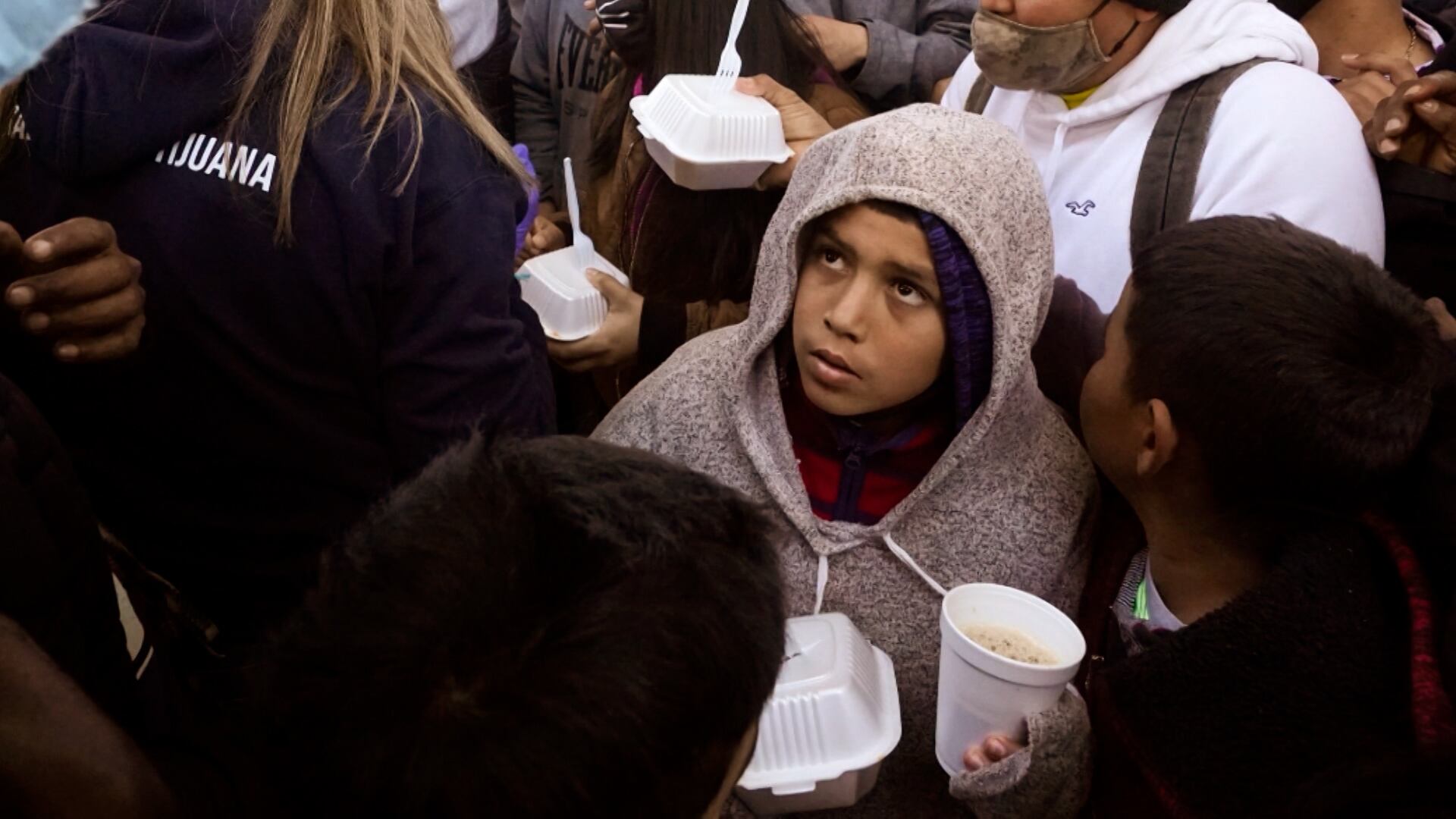
The Biden administration has reached an agreement with the Mexican government to resume the "Remain-in-Mexico" policy under court order. By reinstating a Trump-era border policy, asylum-seekers will be forced to stay in Mexico until their U.S. immigration court date. The program is set to resume on Monday. Ryan Devereaux, a reporter for The Intercept, joins Cheddar News to discuss.
The U.S. announced it will not send any official representation to the upcoming Beijing winter Olympics. Cheddar's Hena Doba speaks with East Asia expert Michael Swaine about the reasons behind the diplomatic move.
COVID-19 is still battering the nation's criminal justice system, causing a massive backlog in cases and delaying verdicts for months on end. This, combined with the fear of crowded prisons during a pandemic, has prompted many defendants to plead guilty in exchange for time served or probation. Tina Luongo, attorney-in-charge of the Criminal Defense Practice, joined Cheddar to discuss the court backlog, the rise in plea bargains, and why this was an issue long before the pandemic.
With so many high-profile court cases taking over the media, from the trial over the murder of Ahmaud Arbery to the trial of Kyle Rittenhouse to the ongoing Elizabeth Holmes trial, Cheddar took a look at these cases and why there is such a big interest in them. Rachel Fiset, a white collar criminal defense lawyer and partner with Zeiback, Fiset, and Coleman, and Bryan Hance, attorney-at-law, professor, and academic program director of the pre-law and paralegal studies program at National University, joined Cheddar for a roundtable discussion on why there is so much public interest in so-called courtroom drama.
Carlo and Baker discuss the sweeping new vaccine mandate in NYC that will target all private businesses. Plus, Trump's media venture gets its CEO and more.