President Donald Trump, from a podium at the White House on Wednesday, said the U.S. will impose new sanctions on Iran in his first public remarks since Iranian missiles hit two military bases in Iraq that house American troops.
Iran launched more than a dozen ballistic missiles on Tuesday night in response to the U.S. drone strike that killed top military Gen. Qassem Soleimani. U.S. and Iraqi officials said there were no fatalities resulting from the "revenge" attacks, although Iranian news outlets claim dozens were killed.
Trump told the nation that Iran appeared to be standing down from the escalating conflict and asked NATO, an organization he has shunned, to be more involved in the Middle East. He also announced the U.S. will further raise sanctions on Iran, though he did not immediately provide details. Current sanctions have had a substantial impact on the country and additional sanctions levied against Iran's central bank late last year after its suspected attack on Saudi Arabia, further crippled its economy.
Trump also defended his decision to take out Iran's top general and stressed: "Soleimani's hands were drenched in both Iranian and American blood."
"As long as I am President of the United States Iran will never be allowed to have a nuclear weapon," the president said in the Grand Foyer of the White House standing in front of Vice President Mike Pence and an assortment of cabinet secretaries and military officers in uniform. He said the U.S. is "ready to embrace peace."
Stocks rallied and the Nasdaq and S&P 500 hit all-time highs after the president concluded his comments.
The president said the U.S. had "sent a valuable message to terrorists."
He also alleged the missiles launched by Iran last night were "paid for by the funds made available by the last administration." The money he was referring to were funds that had been frozen after the shah of Iran fell in 1979. Obama agreed to return the long-disputed funds as part of a nuclear deal.
He also referenced what he said was the U.S.'s independence from foreign oil. Though it is true the U.S. produces far more oil than it did years ago, it still imports about 10 million barrels daily. Most U.S. oil comes from Canada, but oil still flows in from Saudia Arabia, Iraq, and other nations in the Middle East.
Hours after launching its missiles, Iranian foreign minister Mohammad Javad Zarif tweeted the nation did not "seek escalation or war." It was unclear if Iran had planned more attacks after Iran's Revolutionary Guard yesterday said in a statementthe attacks were the start of "the fierce revenge." Zarif said Iran "took & concluded proportionate measures in self-defense," suggesting yesterday's attack was the last. Trump's comments seemed to confirm Zarif's statement.
Just after the U.S. carried out the drone attack the killed Soleimani last week, Trump said he had authorized the strike due to an "imminent" threat and he had intended to prevent a war, not start one. Since then, U.S. officials, like Secretary of State Mike Pompeo agreed the move was done to send a message to Iran.
While Iran and the U.S. have held tense relations for more than four decades, the recent escalation began when an American military contractor was killed by an Iranian-backed militia group in the final week of December. The U.S. responded with airstrikes in areas where the militias are based. Then, on New Year's Eve, Iranian-backed militias stormed the U.S. Embassy in Baghdad and trapped American diplomats in the compound. Gen. Soleimani was killed in response by a drone strike last Friday.
In February, Senator Jeff Merkley (D-Ore.) and Representative Jamaal Bowman (D-N.Y. 16th District) introduced the Fair College Admissions for Students Act. The bill looks to curb the admissions advantage given to the children of alumni and donors for colleges and universities. Sen. Merkley joined Cheddar news to discuss the push behind the legislation. "My dad was a mechanic. I was applying to schools around the country. I never thought about the fact that those students who came from the most privileged backgrounds also got a special advantage in applying to college," he said. "They take up 10-25 percent of the slots at many of our universities, and so this is kind of affirmative action for those who need it least rather than a level playing field for everyone else." If enacted, the law would amend the Higher Education Act of 1965 doing away with legacy or donor status admissions for any school participating in the federal student aid program.
Nancy Daoud, a private wealth adviser for Ameriprise Financial, joins Cheddar News' Closing Bell, where she discusses what led to a sharp spike on Wall Street during Tuesday's session and what she will be watching for most closely when the Fed announces it latest policy decision on Wednesday.
Russia's economy is effectively at a standstill after it was slapped with extensive western sanctions, and now it has to make the first of four monthly interest payments on dollar bonds. It's likely the country will not be able to pay — so what happens next? Major credit ratings agencies have downgraded Russian sovereign debt, with Fitch issuing a 'C' rating and S&P Global Ratings issuing a 'CCC-' rating. Caleb Silver, Editor in Chief of Investopedia, joins Closing Bell to discuss what a Russian debt default could mean for Russia's economy, U.S. consumers who have pensions with exposure to Russian assets, and whether this could create a global financial crisis.
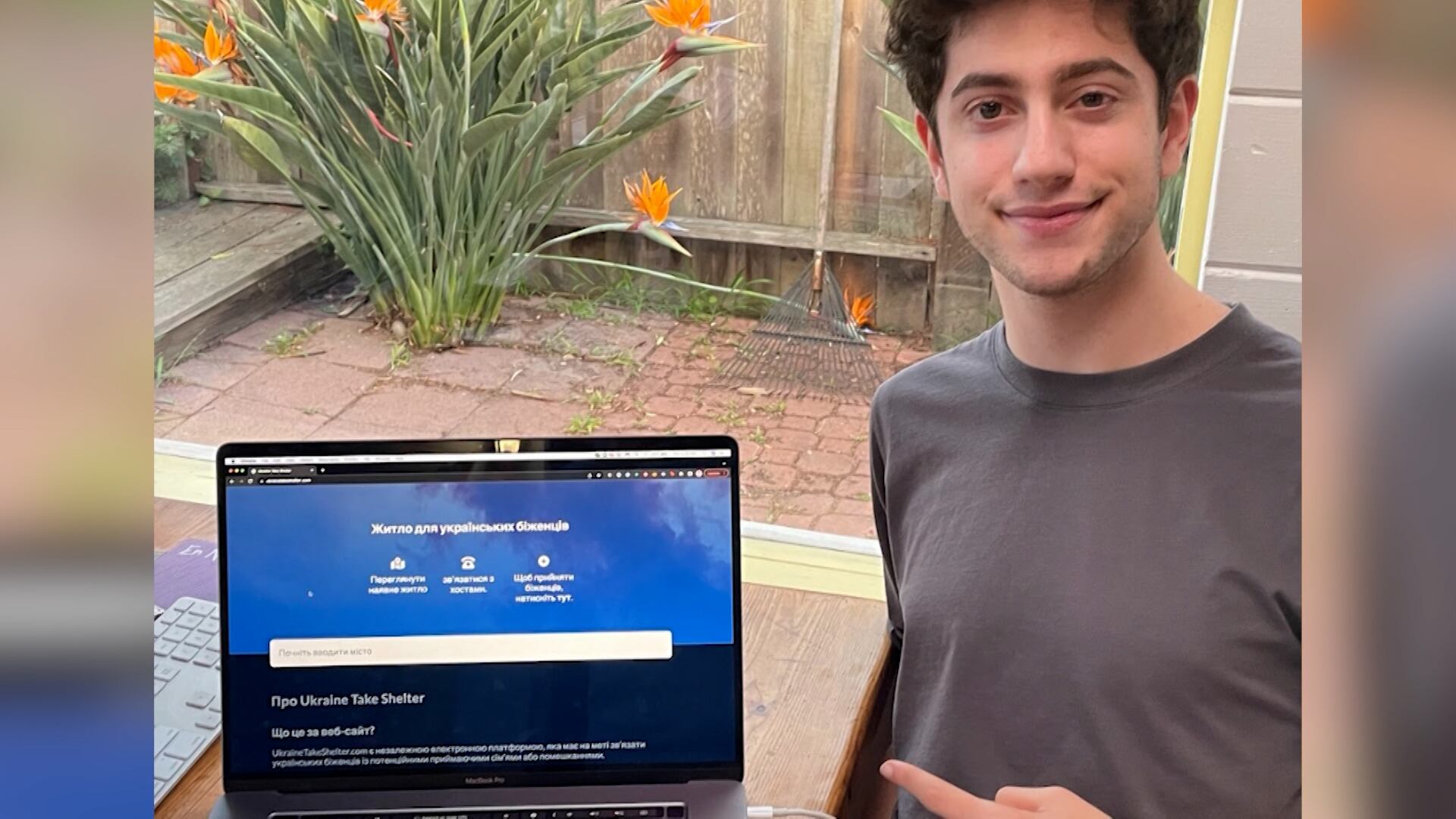
With the number of Ukrainians being displaced due to the Russian invasion surging, two students from Harvard took it on themselves to develop a website to help connect potential hosts with refugees seeking housing. The co-founder of the website Ukraine Takes Shelter, Marco Burstein, joined Cheddar news to discuss working together with fellow freshman Avi Schiffmann to streamline the effort to aid Ukrainian refugees. "We basically worked for three days straight developing the website, and since then the response has been pretty incredible," Burstein said.
Over three weeks ago, WNBA player Brittney Griner was arrested in Russia on drug charges. According to reports, the Star arrived at an airport near Moscow where authorities found Vape cartridges and hashish oil in her luggage. Grindr faces serious charges that could carry a possible sentence of 5-10 years in a Russian prison. Experts warn that Griner's arrest could be used as a bargaining chip. Partner at Stroock & Stroock & Lavan, Thomas Firestone, joined Cheddar to discuss more.
On a live broadcast, an employee on a Russian state news television channel held up a sign protesting propaganda about the war in Ukraine. Ruslan Deynychenko, executive director of the Ukrainian fact-checking organization StopFake, joined Cheddar News to discuss what he called the misinformation spread to the Russian people about the invasion. "They are not about informing people they are about brainwashing people," he said. "Russian government uses their media as an instrument, as a tool, of their foreign policy."
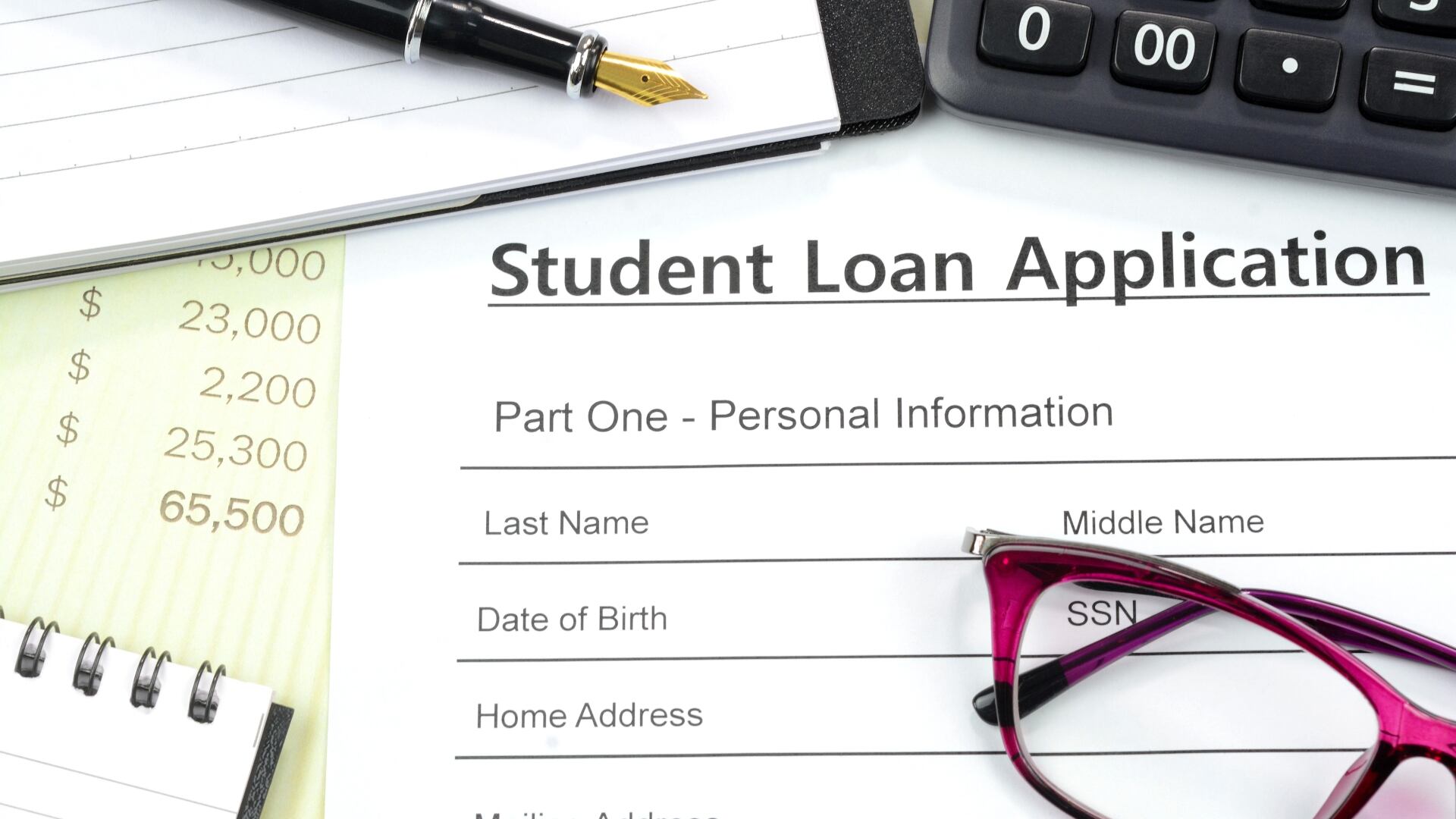
Student loan payments for millions of borrowers are set to resume on May 1st. However, signals from the Department of Education show that the date may be pushed back. Once again, it's been pushed back a few times. Initially, the Biden Administration stated loan payments would resume as the economy continues to show signs of recovery. Student Loan Expert and Author of "How to Appeal for More College Financial Aid", Mark Kantrowitz, joined Cheddar to discuss more.