President Donald Trump, from a podium at the White House on Wednesday, said the U.S. will impose new sanctions on Iran in his first public remarks since Iranian missiles hit two military bases in Iraq that house American troops.
Iran launched more than a dozen ballistic missiles on Tuesday night in response to the U.S. drone strike that killed top military Gen. Qassem Soleimani. U.S. and Iraqi officials said there were no fatalities resulting from the "revenge" attacks, although Iranian news outlets claim dozens were killed.
Trump told the nation that Iran appeared to be standing down from the escalating conflict and asked NATO, an organization he has shunned, to be more involved in the Middle East. He also announced the U.S. will further raise sanctions on Iran, though he did not immediately provide details. Current sanctions have had a substantial impact on the country and additional sanctions levied against Iran's central bank late last year after its suspected attack on Saudi Arabia, further crippled its economy.
Trump also defended his decision to take out Iran's top general and stressed: "Soleimani's hands were drenched in both Iranian and American blood."
"As long as I am President of the United States Iran will never be allowed to have a nuclear weapon," the president said in the Grand Foyer of the White House standing in front of Vice President Mike Pence and an assortment of cabinet secretaries and military officers in uniform. He said the U.S. is "ready to embrace peace."
Stocks rallied and the Nasdaq and S&P 500 hit all-time highs after the president concluded his comments.
The president said the U.S. had "sent a valuable message to terrorists."
He also alleged the missiles launched by Iran last night were "paid for by the funds made available by the last administration." The money he was referring to were funds that had been frozen after the shah of Iran fell in 1979. Obama agreed to return the long-disputed funds as part of a nuclear deal.
He also referenced what he said was the U.S.'s independence from foreign oil. Though it is true the U.S. produces far more oil than it did years ago, it still imports about 10 million barrels daily. Most U.S. oil comes from Canada, but oil still flows in from Saudia Arabia, Iraq, and other nations in the Middle East.
Hours after launching its missiles, Iranian foreign minister Mohammad Javad Zarif tweeted the nation did not "seek escalation or war." It was unclear if Iran had planned more attacks after Iran's Revolutionary Guard yesterday said in a statementthe attacks were the start of "the fierce revenge." Zarif said Iran "took & concluded proportionate measures in self-defense," suggesting yesterday's attack was the last. Trump's comments seemed to confirm Zarif's statement.
Just after the U.S. carried out the drone attack the killed Soleimani last week, Trump said he had authorized the strike due to an "imminent" threat and he had intended to prevent a war, not start one. Since then, U.S. officials, like Secretary of State Mike Pompeo agreed the move was done to send a message to Iran.
While Iran and the U.S. have held tense relations for more than four decades, the recent escalation began when an American military contractor was killed by an Iranian-backed militia group in the final week of December. The U.S. responded with airstrikes in areas where the militias are based. Then, on New Year's Eve, Iranian-backed militias stormed the U.S. Embassy in Baghdad and trapped American diplomats in the compound. Gen. Soleimani was killed in response by a drone strike last Friday.
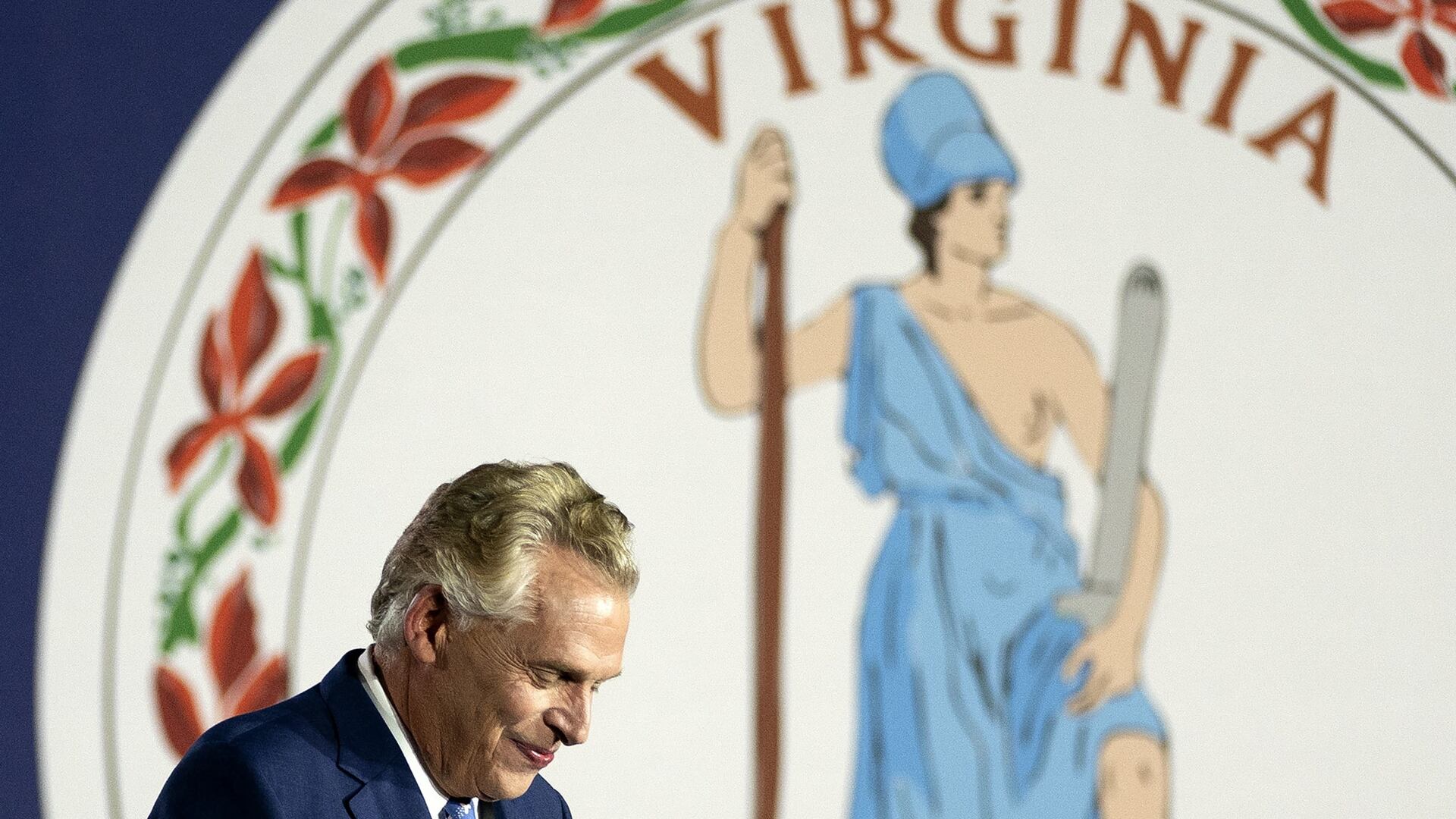
Going into election day on Tuesday, many of us had an inkling it might not be a great day for Democrats. History tells us the president's party tends to lose congressional seats, governorships and state legislature seats in off-year and midterm elections. Tuesday turned out to be a big wake-up call for democrats. Not only did Terry McAuliffe lose in the Virginia governor's race, Gov. Phil Murphy won re-election by an incredibly slim margin. Both races saw continued Democratic losses in rural areas and a shift of suburban voters back to the GOP. Liz Landers, chief political correspondent at Vice News, joins Cheddar Politics to discuss.
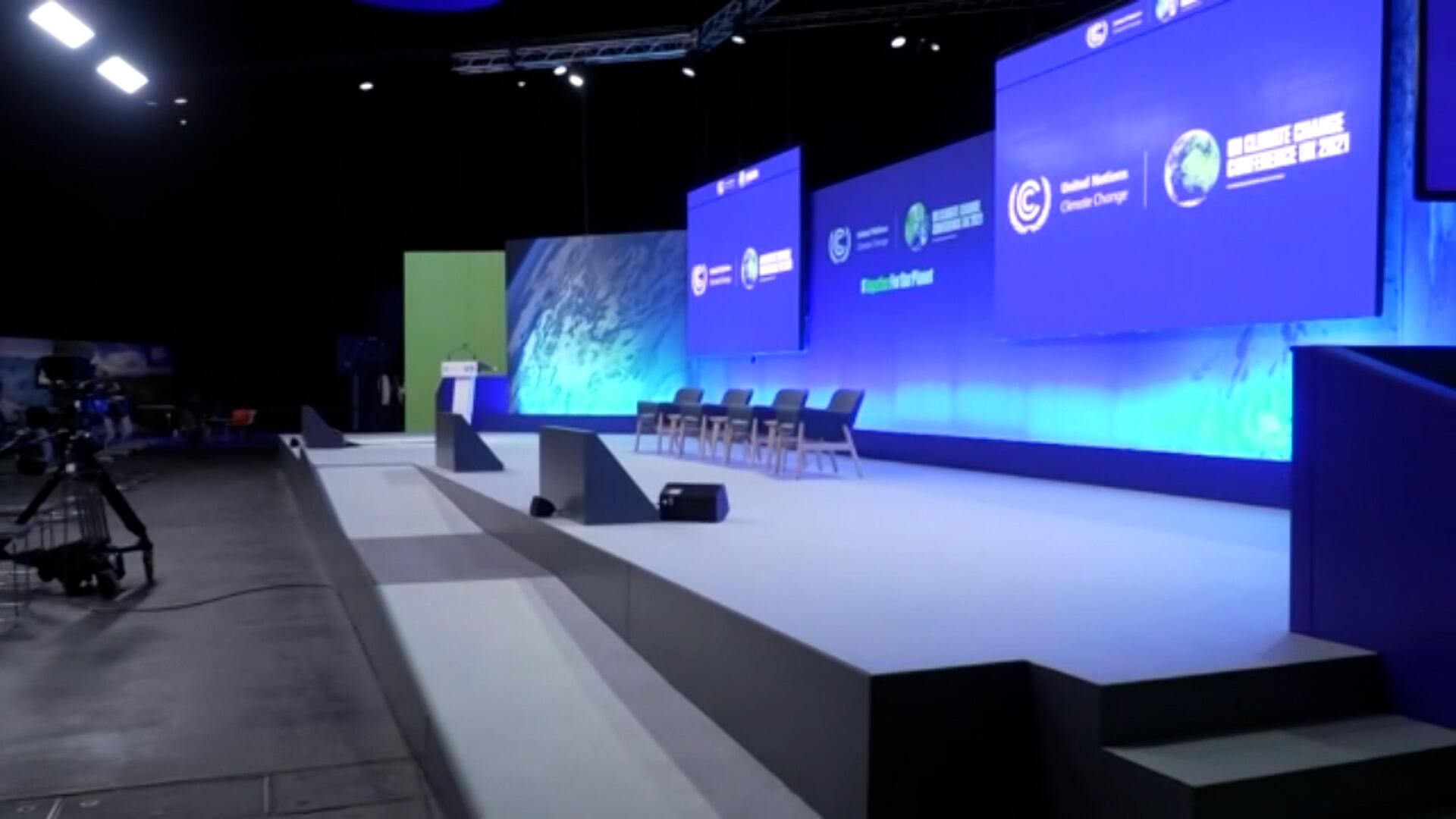
Week one of UN climate summit is coming to an end, world leaders made a number of promises to save the planet. President Biden attended the first two days of the meeting.
Alan Neuhauser, vice president of Silverline Communications, joined Cheddar Politics to talk more about the pledges that came out from the summit and their significance.
It's been a busy week for the Supreme Court. It heard arguments on three of the most watched cases in the docket for this term. The court heard arguments in two cases challenging the Texas abortion law on Monday - one filed by abortion providers and the other by the justice department. Instead of weighing in on the constitutionality of the matter itself, justices focused on the unusual structure of the law that enables citizens to enforce the law, not the state government.
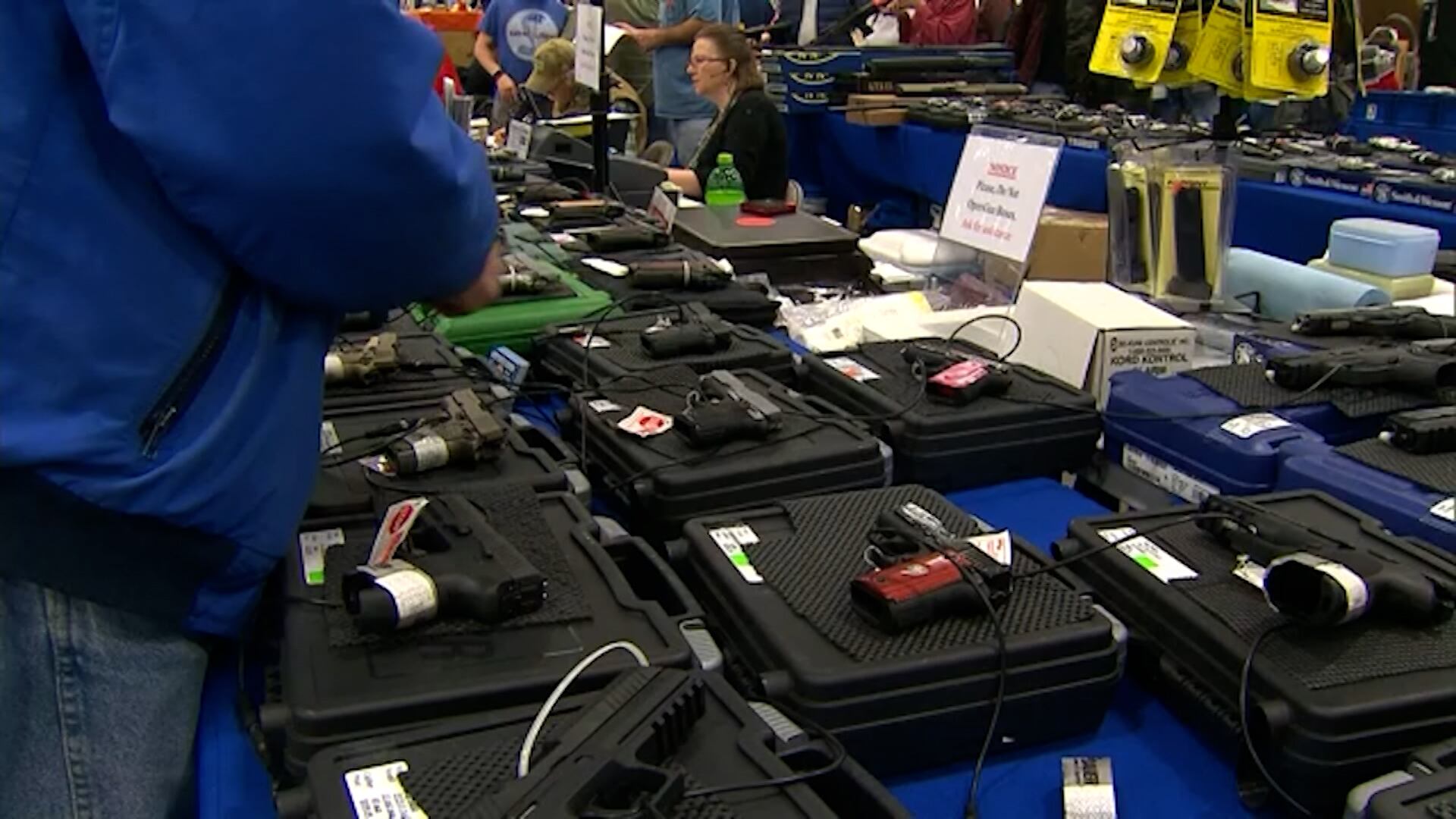
On Wednesday, the court heard arguments in the biggest Second Amendment case in more than a decade. The dispute is over a New York gun law that requires people seeking a license to carry a handgun in public to show a "proper cause." The challengers in this case claim the law inhibits their constitutional Second Amendment rights.
Amy Howe, co-founder of SCOTUSBlog, joined Cheddar Politics to break the cases down.
This is the first installment of Cheddar Changemakers, where we spotlight young activists making a difference in the world and speaking up on issues regarding mental health, voting, and climate change.
Republicans are considered, and often act like, the party opposed to action on climate change. They've made a point of fighting even modest regulations on businesses related to stemming the worst effects of climate change. But Republicans aren't a monolith on climate change, and our next guest reminds us that "conservation" and "conservative" have the same word root.
Quill Robinson, VP of government affairs at the American Conservation Coalition, joins Cheddar Politics to discuss.
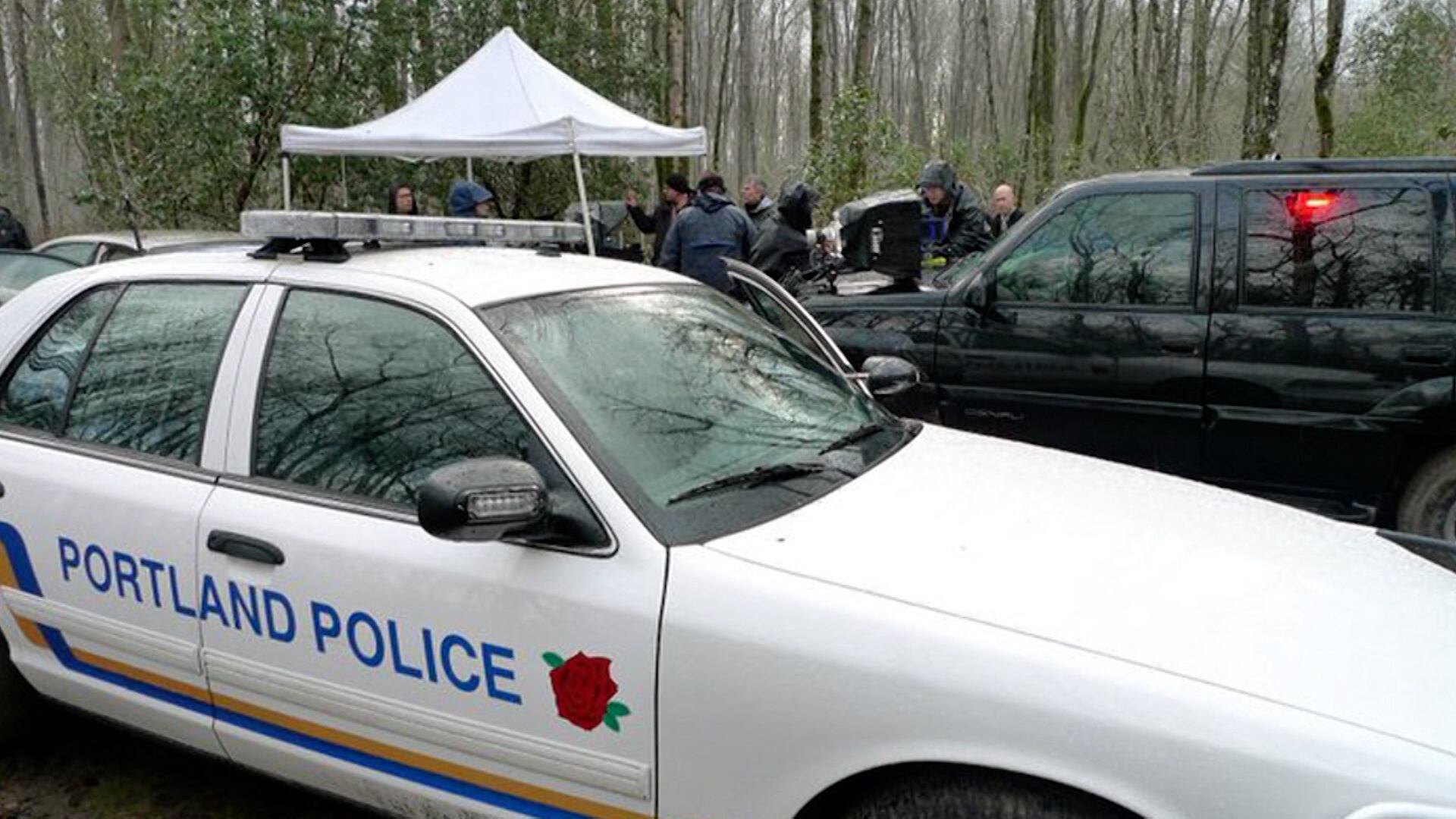
The mayor of Portland, Oregon, Ted Wheeler joined Cheddar News Wrap to discuss his plans to get an increase in the city's police budget for more personnel, changes to public safety response, and more body cameras. The Democratic mayor addressed the growth in violent crimes amid the pandemic, but noted the need for officers who take their roles seriously. We want officers who understand that policing is an important responsibility, it's a high calling," he said. "We also want a police bureau that is accountable and responsible to the public it serves."
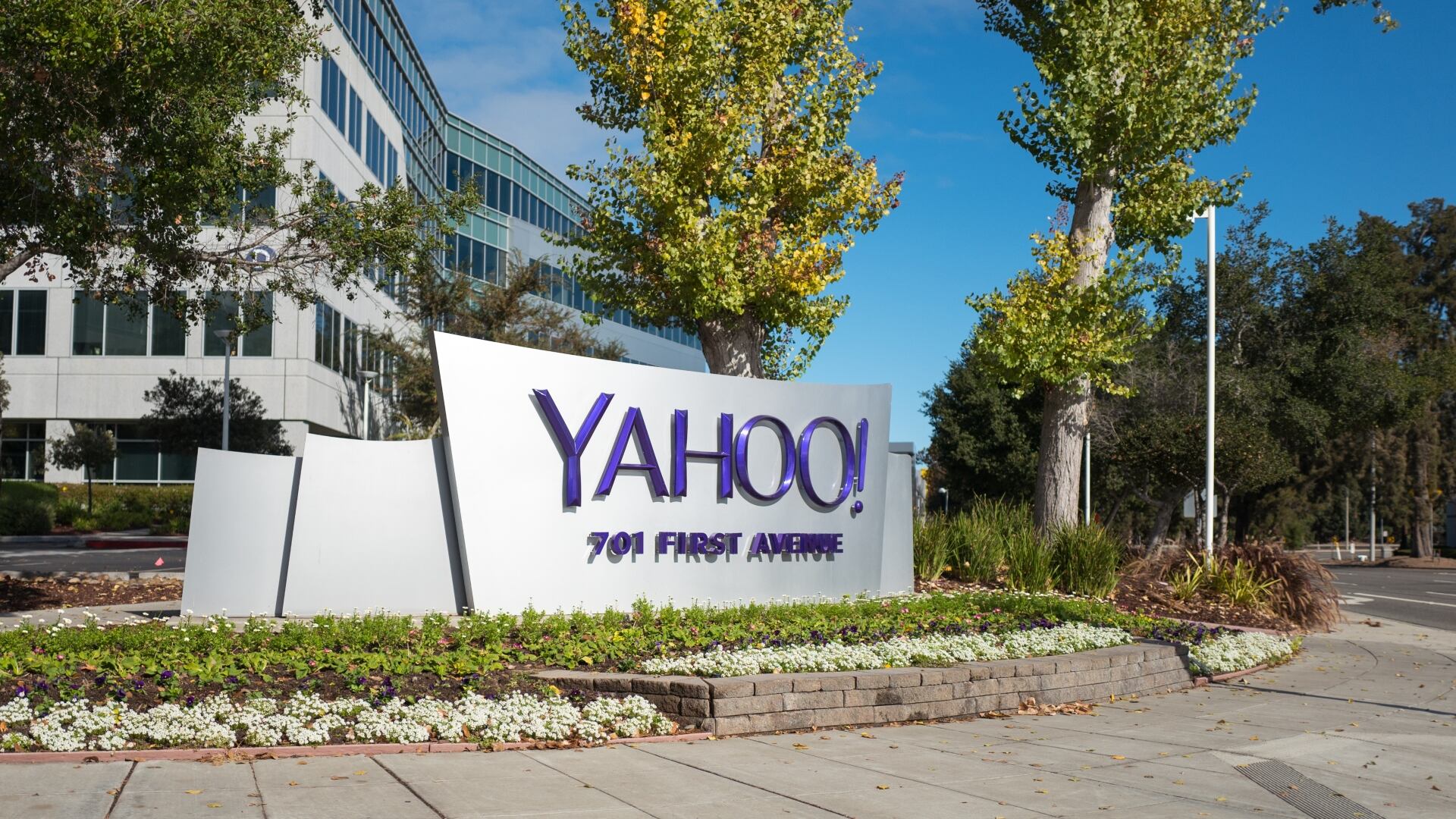
More American tech companies continue to pull their businesses out of China as the Communist Party cracks down on firms — both foreign and domestic. Yahoo and Fortnite have become the latest companies to withdraw from the country, and the withdrawals come just days after Microsoft announced it would take LinkedIn offline. Shehzad Qazi, managing director at China Beige Book International, joined Cheddar to provide some insight into how the crackdowns in China would also impact the tech companies at home in the United States.
A new report out by the Center for Countering Digital Hate shows how just ten publishers are responsible for the bulk of climate change misinformation on social media--and companies like Facebook and Google are making money off them. Imran Ahmed, CEO of the Center for Countering Digital Hate, joined Cheddar to discuss.
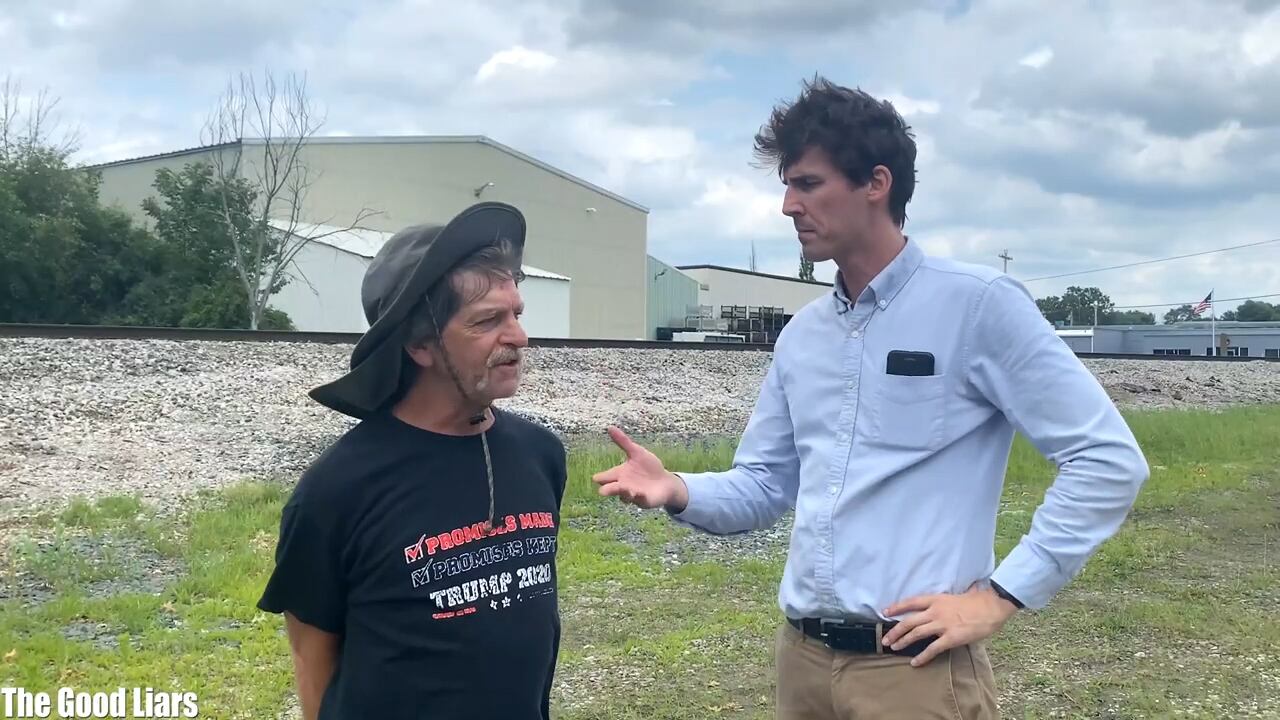
'The Good Liars' are Jason Selvig and Davram Stiefler, a comedy duo that's been shaking up the political world for years. They're out with a new mockumentary, 'The Supporters,' following the 2020 election. Jason Selvig & Davram Stiefler, Stunt Comedians and creators of 'The Good Liars' joined Cheddar News to discuss.