President Donald Trump, from a podium at the White House on Wednesday, said the U.S. will impose new sanctions on Iran in his first public remarks since Iranian missiles hit two military bases in Iraq that house American troops.
Iran launched more than a dozen ballistic missiles on Tuesday night in response to the U.S. drone strike that killed top military Gen. Qassem Soleimani. U.S. and Iraqi officials said there were no fatalities resulting from the "revenge" attacks, although Iranian news outlets claim dozens were killed.
Trump told the nation that Iran appeared to be standing down from the escalating conflict and asked NATO, an organization he has shunned, to be more involved in the Middle East. He also announced the U.S. will further raise sanctions on Iran, though he did not immediately provide details. Current sanctions have had a substantial impact on the country and additional sanctions levied against Iran's central bank late last year after its suspected attack on Saudi Arabia, further crippled its economy.
Trump also defended his decision to take out Iran's top general and stressed: "Soleimani's hands were drenched in both Iranian and American blood."
"As long as I am President of the United States Iran will never be allowed to have a nuclear weapon," the president said in the Grand Foyer of the White House standing in front of Vice President Mike Pence and an assortment of cabinet secretaries and military officers in uniform. He said the U.S. is "ready to embrace peace."
Stocks rallied and the Nasdaq and S&P 500 hit all-time highs after the president concluded his comments.
The president said the U.S. had "sent a valuable message to terrorists."
He also alleged the missiles launched by Iran last night were "paid for by the funds made available by the last administration." The money he was referring to were funds that had been frozen after the shah of Iran fell in 1979. Obama agreed to return the long-disputed funds as part of a nuclear deal.
He also referenced what he said was the U.S.'s independence from foreign oil. Though it is true the U.S. produces far more oil than it did years ago, it still imports about 10 million barrels daily. Most U.S. oil comes from Canada, but oil still flows in from Saudia Arabia, Iraq, and other nations in the Middle East.
Hours after launching its missiles, Iranian foreign minister Mohammad Javad Zarif tweeted the nation did not "seek escalation or war." It was unclear if Iran had planned more attacks after Iran's Revolutionary Guard yesterday said in a statementthe attacks were the start of "the fierce revenge." Zarif said Iran "took & concluded proportionate measures in self-defense," suggesting yesterday's attack was the last. Trump's comments seemed to confirm Zarif's statement.
Just after the U.S. carried out the drone attack the killed Soleimani last week, Trump said he had authorized the strike due to an "imminent" threat and he had intended to prevent a war, not start one. Since then, U.S. officials, like Secretary of State Mike Pompeo agreed the move was done to send a message to Iran.
While Iran and the U.S. have held tense relations for more than four decades, the recent escalation began when an American military contractor was killed by an Iranian-backed militia group in the final week of December. The U.S. responded with airstrikes in areas where the militias are based. Then, on New Year's Eve, Iranian-backed militias stormed the U.S. Embassy in Baghdad and trapped American diplomats in the compound. Gen. Soleimani was killed in response by a drone strike last Friday.
Tensions in Ukraine continue to rise. According to NATO and U.S. officials, Russian troops are still being built up despite Moscow's claims of de-escalation. However, Ukraine does not believe the troops are enough to mount an invasion. The government in Kyiv has also reported several cyber attacks against its defense agencies and banks which is the largest attack in the country's history. Foreign Affairs Reporter based in Ukrain, Terrell Starr, joined Cheddar to discuss more
A Senate bill unveiled on Wednesday looks to tackleonline safety for children by regulating Big Tech and social media platforms to deter users from content that can harm their mental health. Irene Ly, a policy counsel for the age-based ratings and review organization Common Sense Media, joined Cheddar News to break down the potential of the Kids Online Safety Act. "We can't be imposing such a big burden on parents to be doing it all on theirselves," Ly said. "I think you also have to keep in mind that parents often didn't grow up with social media, so they don't understand what it's like to be addicted to social media or really understand how they work."
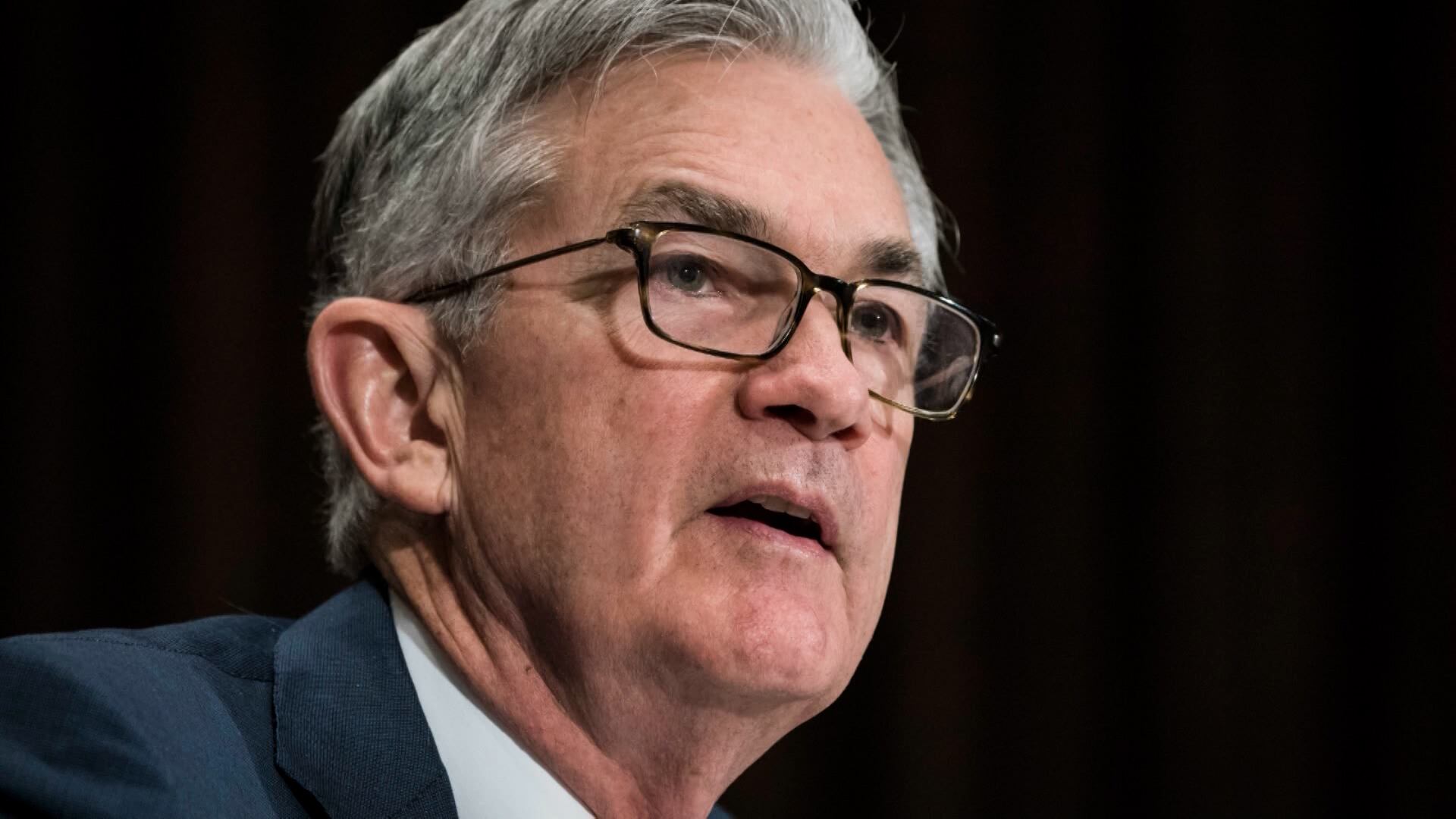
The Federal Reserve minutes from its January meeting are indicating it's sticking to an interest rate hike in March, but what does the report coupled with ongoing inflation mean for investors going forward? Scott Brown, a market strategist at LPL Financial, joined Cheddar News to break down the minutes and talk about how investors might navigate the rest of the year. "it seems like the market is kind of inclined to trade off these headlines, really, through the first half of the year," he said. "And then, oh, don't forget, we've got midterm elections, which always tend to add a little bit of volatility in the second half of the year." Brown noted that the path forward for stock investors in 2022 would be "rockier" than last year.
Senators Richard Blumenthal (D-Conn.) and Marsha Blackburn (R-Tenn.) have introduced a new bill to afford greater protection to minors on social media. The genesis of the Kids Online Safety Act came from a Facebook whistleblower case exposing the harm apps can have on the mental health of young girls.
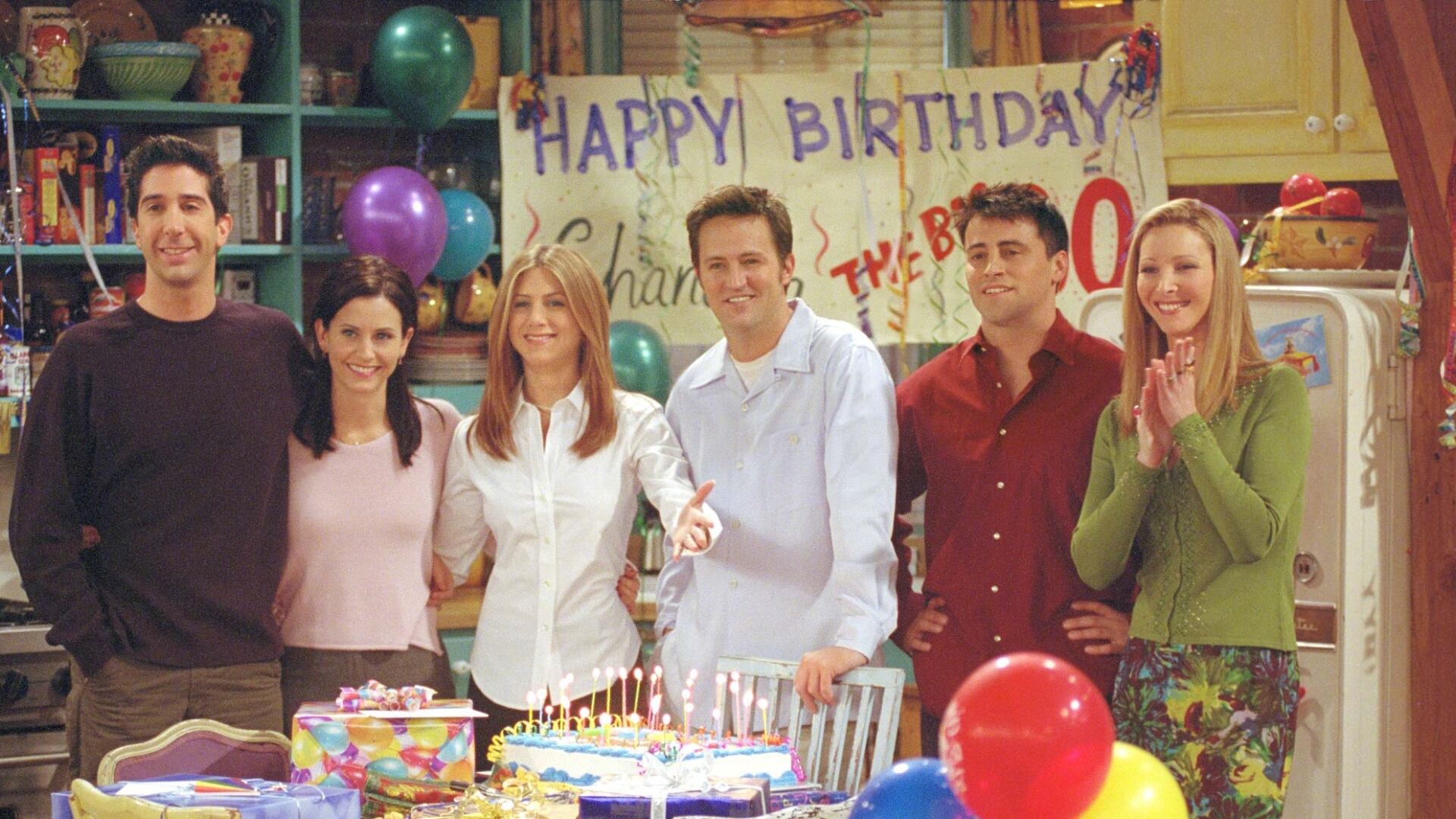
The Chinese government brought the sitcom "Friends" back to its streaming services. However, it had instances of LGBTQ+ references left out, after the series had been banned on Chinese streaming platforms for years.
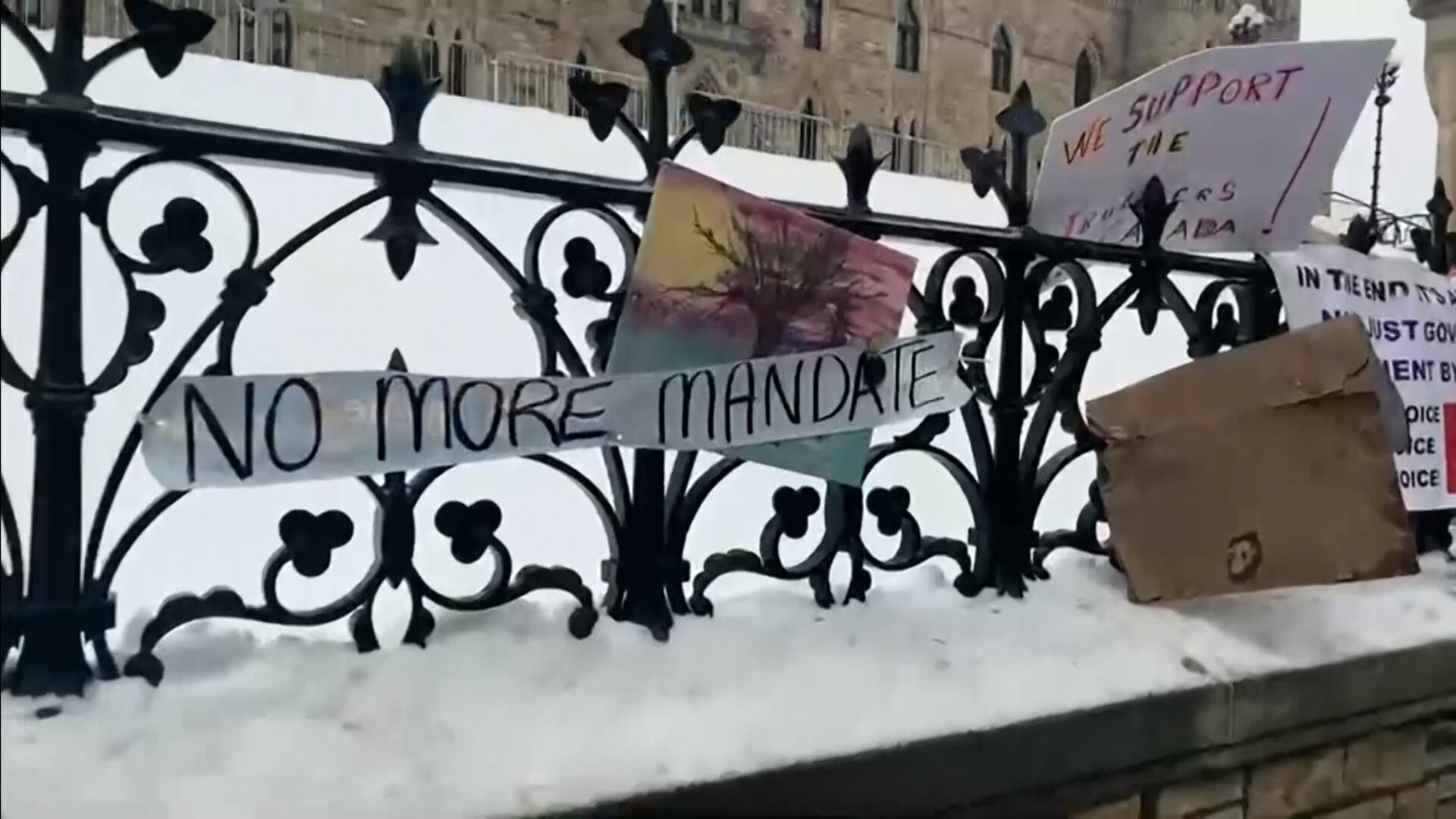
Prime Minister Justin Trudeau declared a national public order emergency as a 'last resort' to restore order after protests have significantly disrupted daily life and impacted the local economy since the protests began. It is the first time in 50 years a Canadian government has taken this type of action. Myah Ward, breaking news reporter at Politico, joins Cheddar News to discuss.
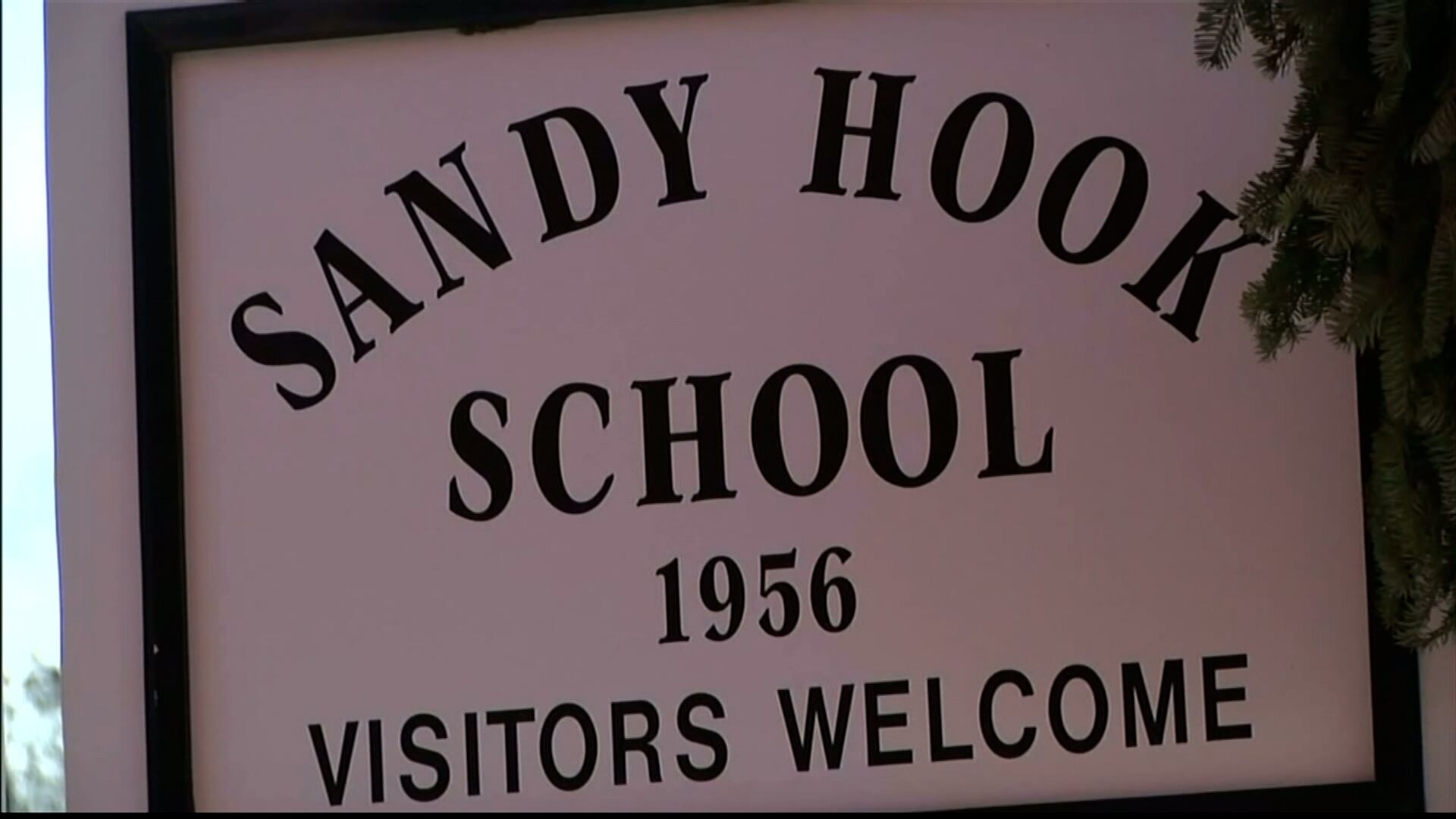
Almost a decade after facing a parent's worst nightmare, the families of the young students killed in the Sandy Hook School shooting reached a settlement with gun manufacturer Remington, makers of the Bushmaster AR-15 used in the crime. David Pucino, deputy chief counsel, Giffords Law Center to Prevent Gun Violence joined Cheddar News to discuss the families' case and how its strategy brought about the legal settlement. "They built a really great case showing the way that Bushmaster developed its advertising to drive sales using those toxic messages.
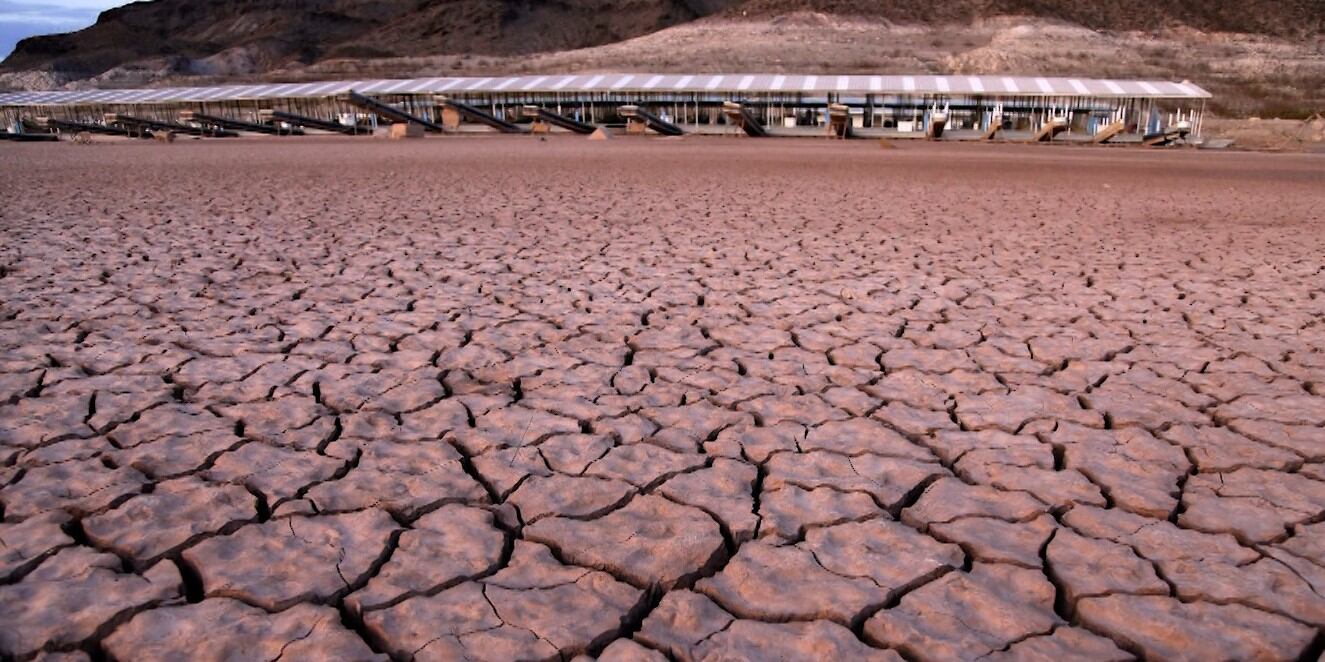
A new analysis reveals that for more than two decades, the West has been the driest it has ever been since 800 A.D. The drought which began in 2000 has brought more devastating wildfires and draining water reserves well below healthy levels. Climate Scientists and Adjunct Associate Research Scientist at Lamont Doherty Earth Observatory at Columbia University,Benjamin Cook, joined Cheddar to discuss more.