*By Christian Smith*
Poshmark is changing the way users search for fashion on its app, unveiling a new "Posh Markets" layout this week. The new system, Founder and CEO Manish Chandra explained on Cheddar Tuesday, creates unique sub-communities for shoppers. The goal, he said, is to optimize the social marketplace's search tools. The vast world of online retail, he added, can be impersonal, something he hopes to change.
"\[Our millions of sellers\] make it somewhat hard to honor and respect each community and each shopping experience," he said.
Since its founding in 2011, Poshmark has grown to feature over four million sellers, or as the company calls them, "shopper stylists." Chandra told Cheddar that at any given moment, there are over 75 million items for sale on the app. Moreover, Poshmark's top seller recently passed a million dollars on in-app sales.
Posh Markets will feature six categories ー women's, men's, kids', boutiques, plus-size, and luxury ー but Chandra believes that number will grow.
"In terms of the total market opportunities ahead of usーit's totally massive," Manish said.
For more on this, [click here](https://cheddar.com/videos/poshmark-launches-new-way-to-shop-on-platform).
If you're shopping on Amazon and want to save even more money after Prime Day, Cheddar News has got you covered. Senior reporter Michelle Castillo talked to the experts at the company to find out how you can keep an eye on deals and even get cash back on your household purchases.
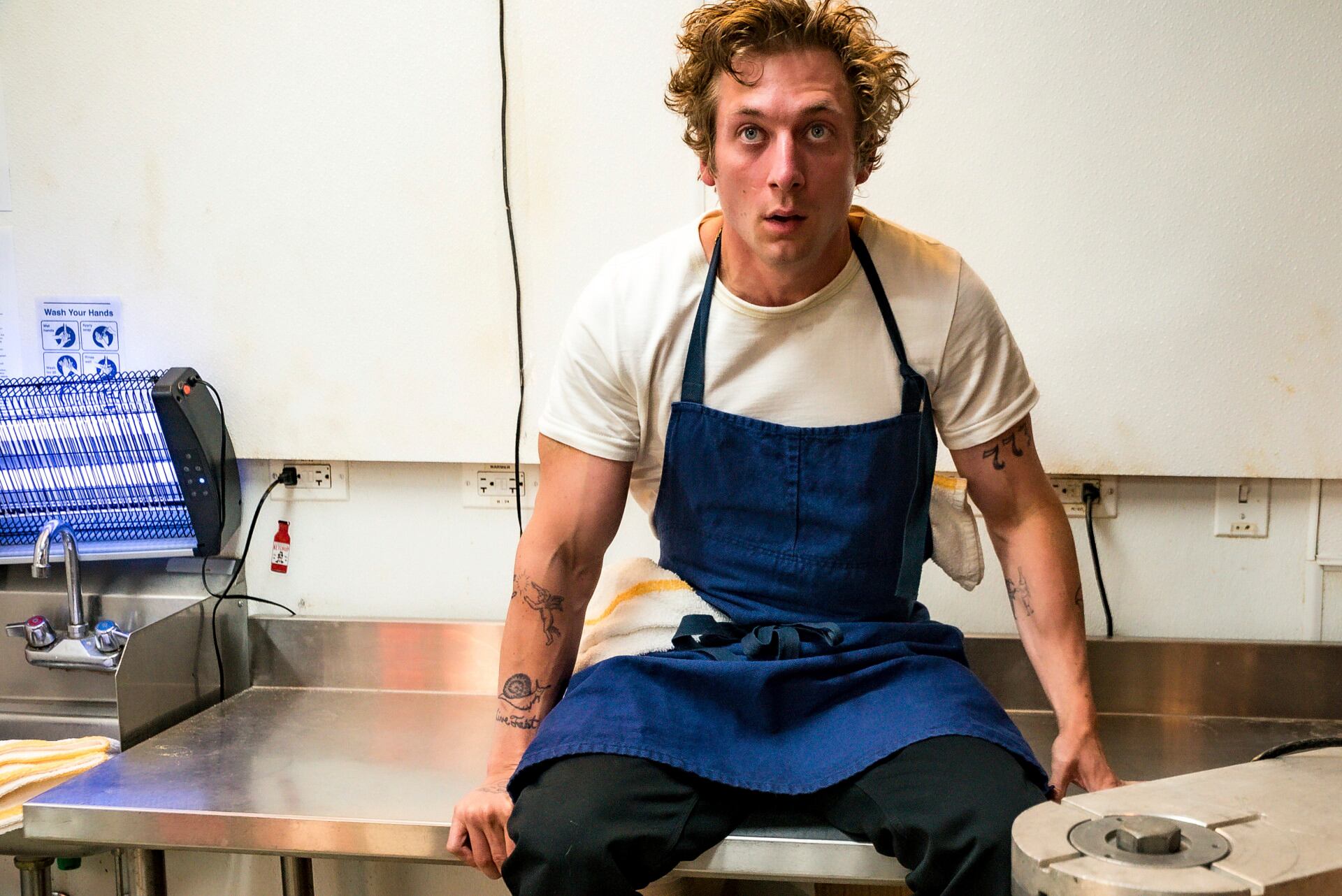
Did you happen to watch the series The Bear? The show follows a struggling small business owner in Chicago who is trying to save his business. It's a story a lot of small business owners in the U.S. can relate to. To help out these struggling entrepreneurs, Cheddar News brought on an expert here to help take your company from stressful to successful.
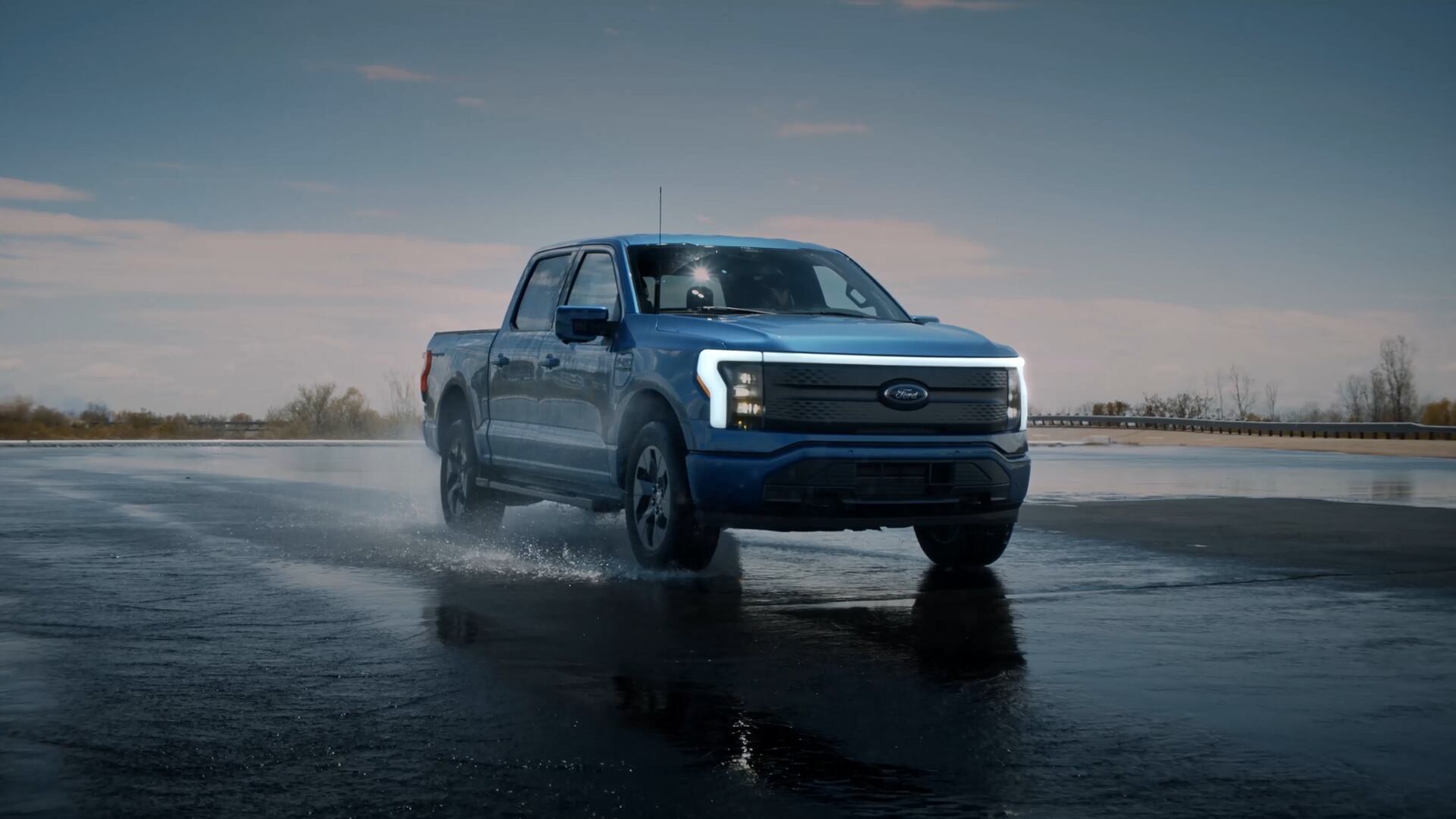
The sticker prices for Ford's F-150 Lightning electric pickup trucks are being lowered by thousands of dollars across the board, the company said Monday, due to increased plant capacity, falling costs for battery raw materials and internal efforts to scale production by the Detroit automaker.
United Airlines and the union representing its pilots said Saturday they reached agreement on a contract that will raise pilot pay by up to 40% over four years.
The court’s ruling applies to higher education institutions and other entities that receive federal funding and doesn’t directly change private employer obligations, but business leaders might pull back diversity, equity and inclusion programs to avoid lawsuits.