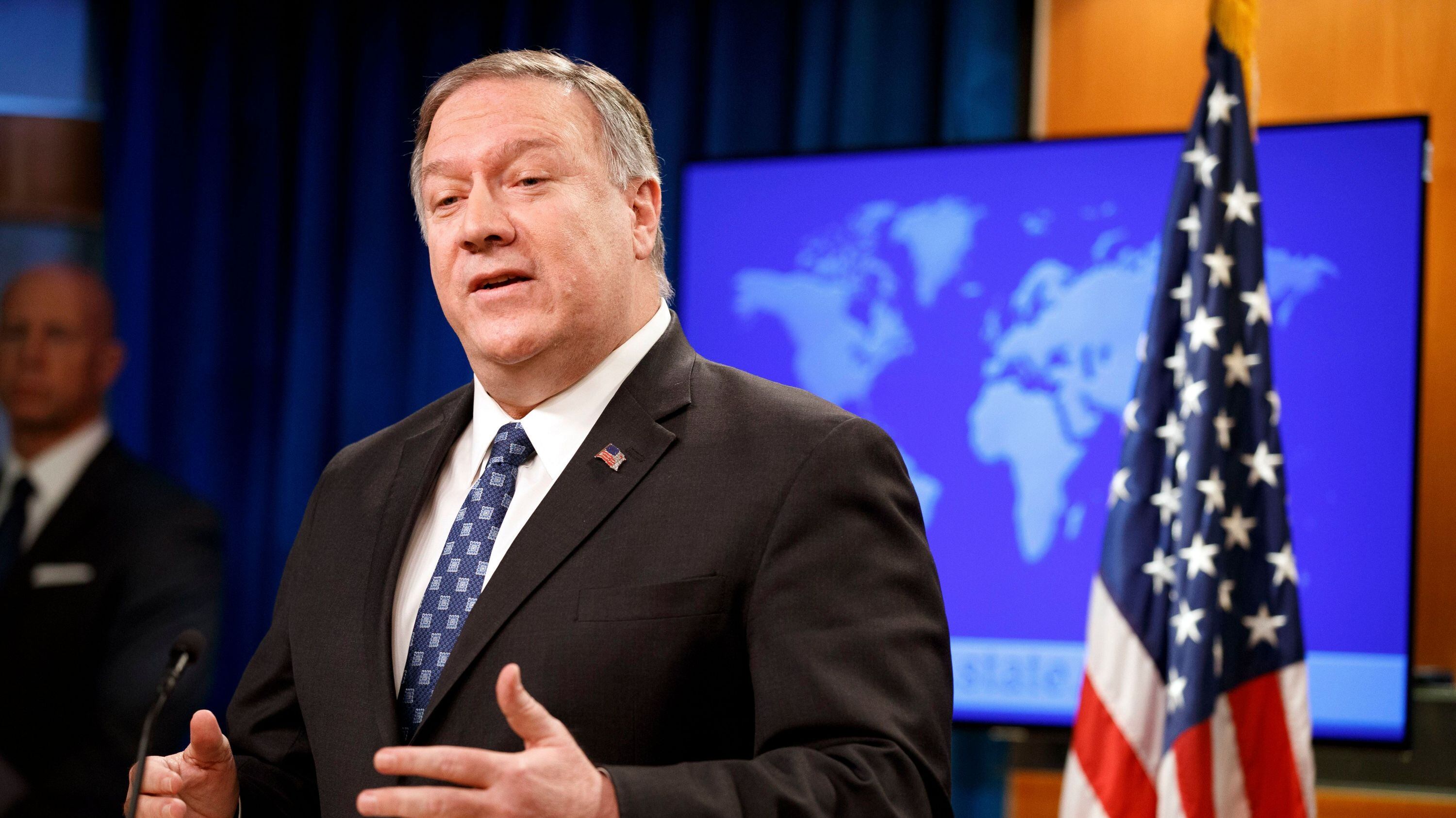
Secretary of State Mike Pompeo said Tuesday that reports Gen. Qassem Soleimani was on a diplomatic mission when he was killed are "fundamentally false" and asserted that the president's actions that led to his death were both legal and appropriate.
As tensions continue to rise in the Middle East, Pompeo answered questions from reporters at the State Department after making remarks on issues that included turmoil in Venezuela and the Australian wildfires, for which he offered his condolences.
Pompeo, the former C.I.A. director, declined to provide evidence of what has been repeatedly described by the White House as an "imminent" threat from Iran that led to the assassination. He further said the timing of the attack was less important than the fact that American lives were threatened.
"If you're looking for imminence, you need to look no further than the days that led up to the strike that was taken against Soleimani," he said.
An American contractor was killed late last month in a rocket attack by an Iran-backed militia in Iraq. After the U.S. ordered a retaliatory missile strike, protesters stormed the embassy in Baghdad on New Year's Eve. Some Pentagon officials have said intelligence did not show an imminent attack.
He added, "And then you, in addition to that, have what we can clearly see were continuing efforts on behalf of this terrorist to build out a network of campaign activities that were going to lead potentially to the death of many more Americans."
"It was the right decision, we got it right," and U.S. intelligence supported that conclusion, Pompeo claimed, defending both the president's authorization of the strike and the broader Iran policy.
Pompeo said the U.S. would also abide by international law. On Monday, Defense Secretary Mark Esper acknowledged that striking cultural sites is a war crime, despite the president tweeting about such potential targets in Iran. When questioned on the subject, Pompeo said "let me tell you who's done damage to the Persian culture. It's not the United States of America. It's the ayatollah."
Meanwhile, U.S. forces were placed on high alert in the Middle East amid military intelligence suggesting Iran is moving equipment to launch drone strikes.
Pompeo said the president had acted in an "entirely legal, appropriate" way that was "perfectly within our strategy," which he described as a "pressure campaign we have in place … diplomatic component, economic component, and military component."
"In the event that the Iranians make another bad choice, the president will respond in the way he did last week," he said.
Last week, President Trump authorized the airstrike killing Soleimani and his adviser Abu Mahdi al-Muhandis at the Baghdad airport, angering Tehran for killing the high-profile commander of the Quds Force and frustrating some American politicians who feel he took his power too far.
The president ordered the strike without giving notice to Congress, seemingly conflicting with the War Powers Act of 1973. Speaker Nancy Pelosi said she will hold votes this week when the House of Representatives is back in session to limit the president's ability to act unilaterally. A Senate vote is expected as well.
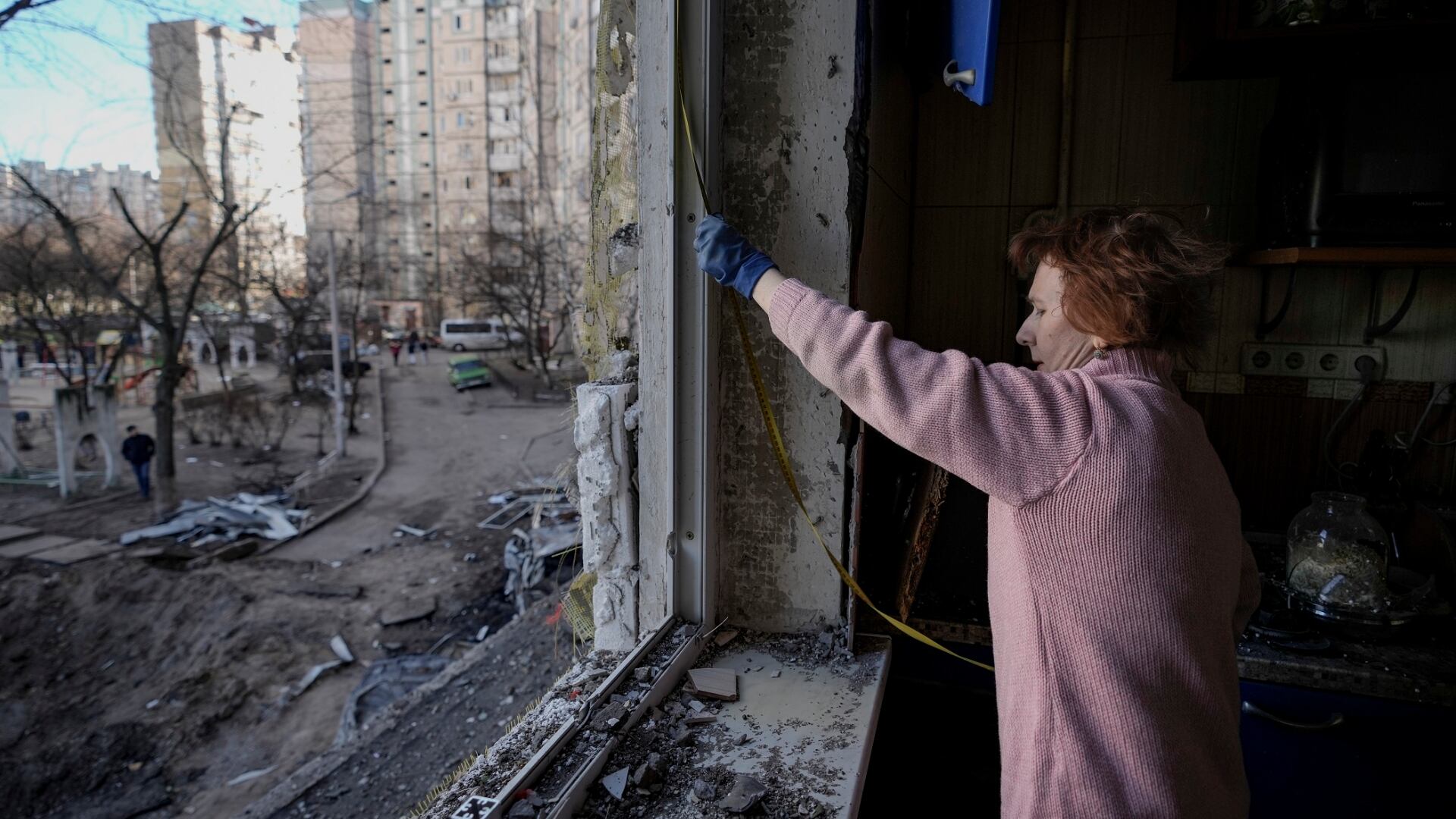
Catching you up on what you Need to Know on Mar 21, 2022, with updates on the Russian invasion in Ukraine, a Boeing 737-800 plane carrying 132 people crashed in China, Canadian Pacific rail workers on strike, another possible COVID surge, and the SEC's new climate rules for businesses.
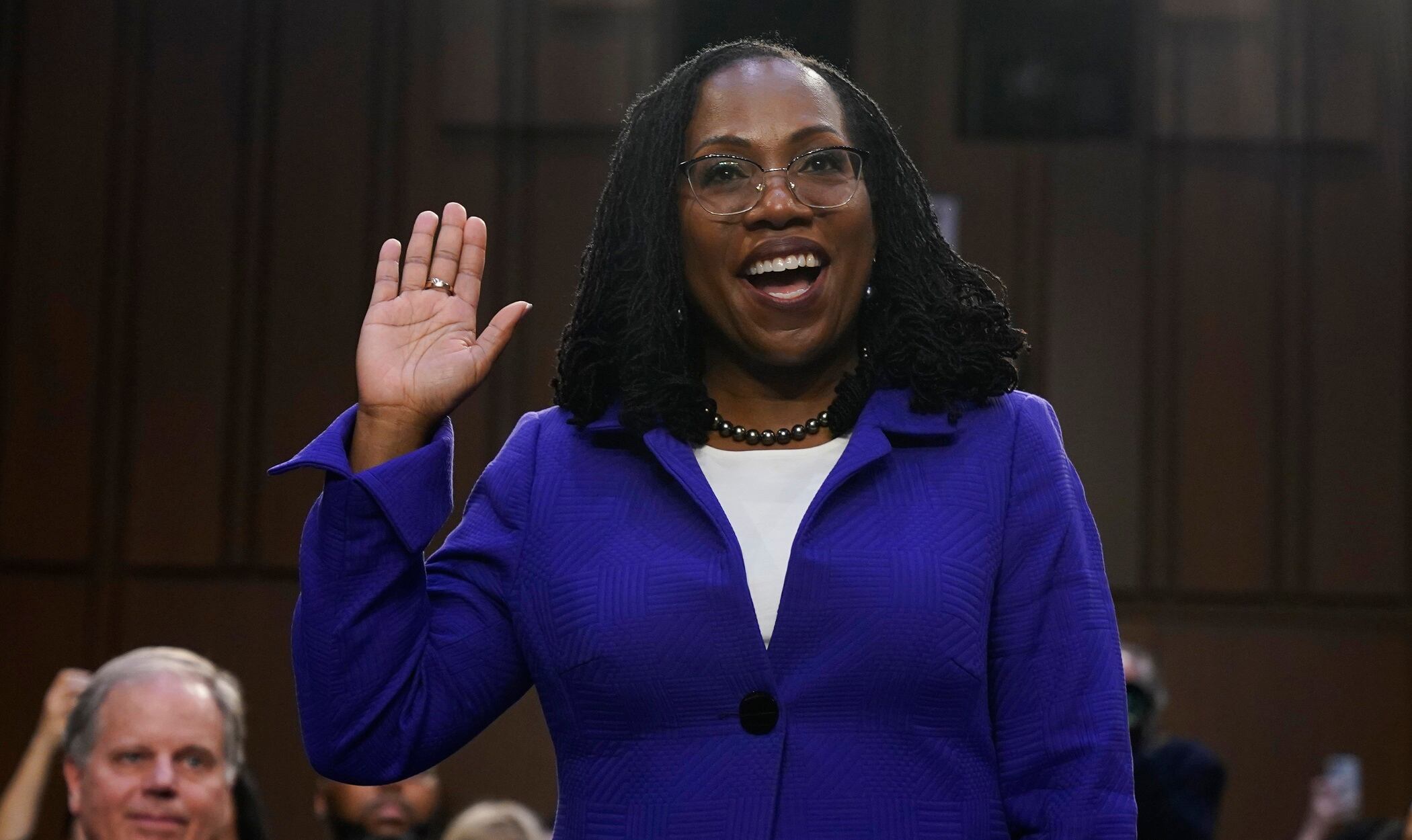
Judge Ketanji Brown Jackson has told senators that she will defend the Constitution and decide cases “without fear or favor” if she is confirmed to the Supreme Court.
David Stryzewski, CEO of Sound Planning Group, joins Cheddar News' Closing Bell, where he says he believes pent-up demand is driving stocks higher and explains how Wednesday's Fed decision continues to impact investor sentiment.
Rachel Thomas, the co-founder and CEO of the non-profit Lean In, joined Cheddar amid Women's History Month, to discuss how the organization is taking on issues that continue to impact the workplace through its Circles program. "These are a program that brings women together in small groups, usually 8 to 12, for support, camaraderie, and to learn together," she said. "We also we have a lot of curriculum so women can learn how to navigate workplace biases, how to negotiate with women." Thomas also applauded President Biden's recent call to action on equal pay for women, noting that businesses must do more to be cognizant of inherent gender and racial biases.
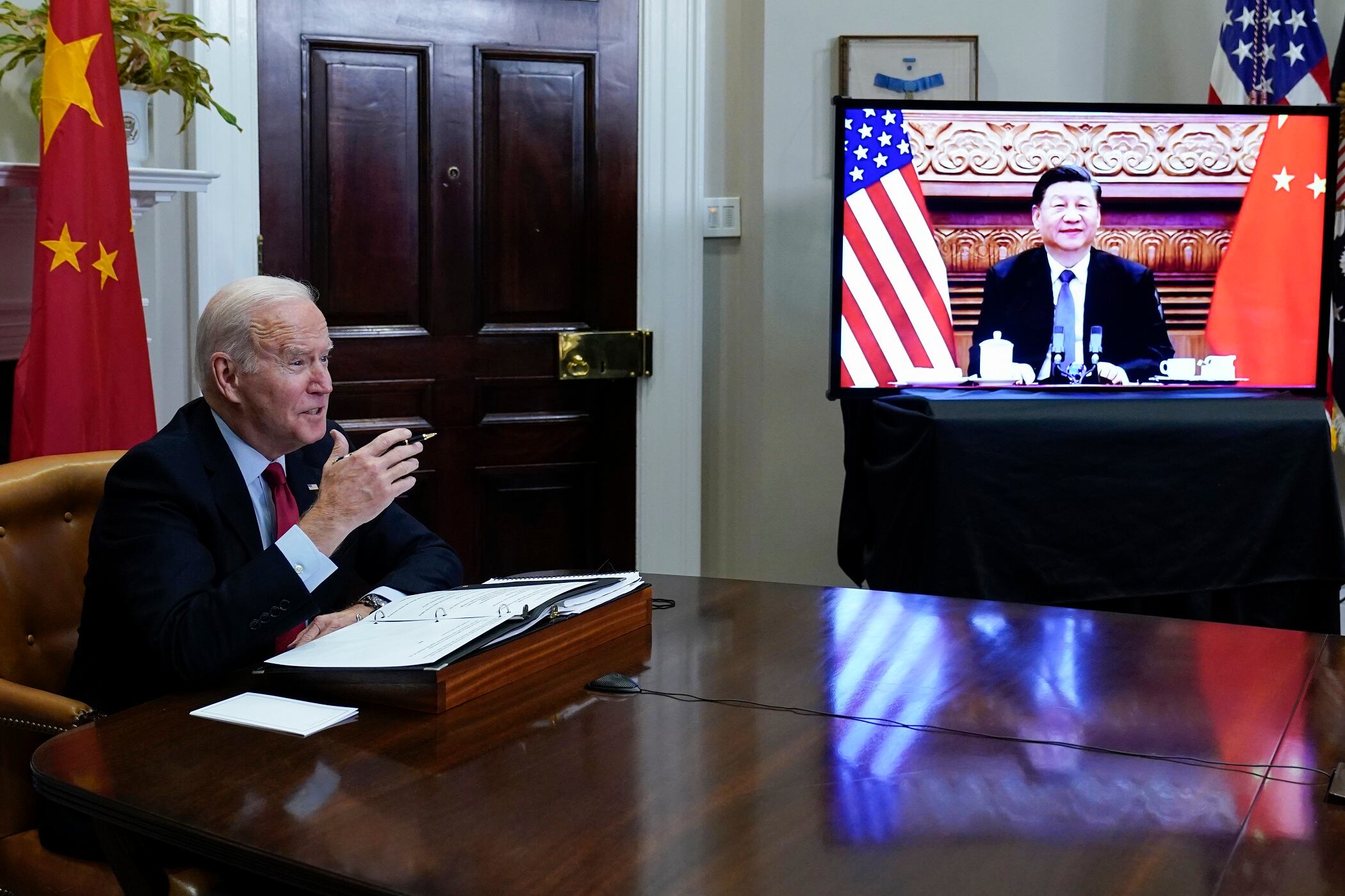
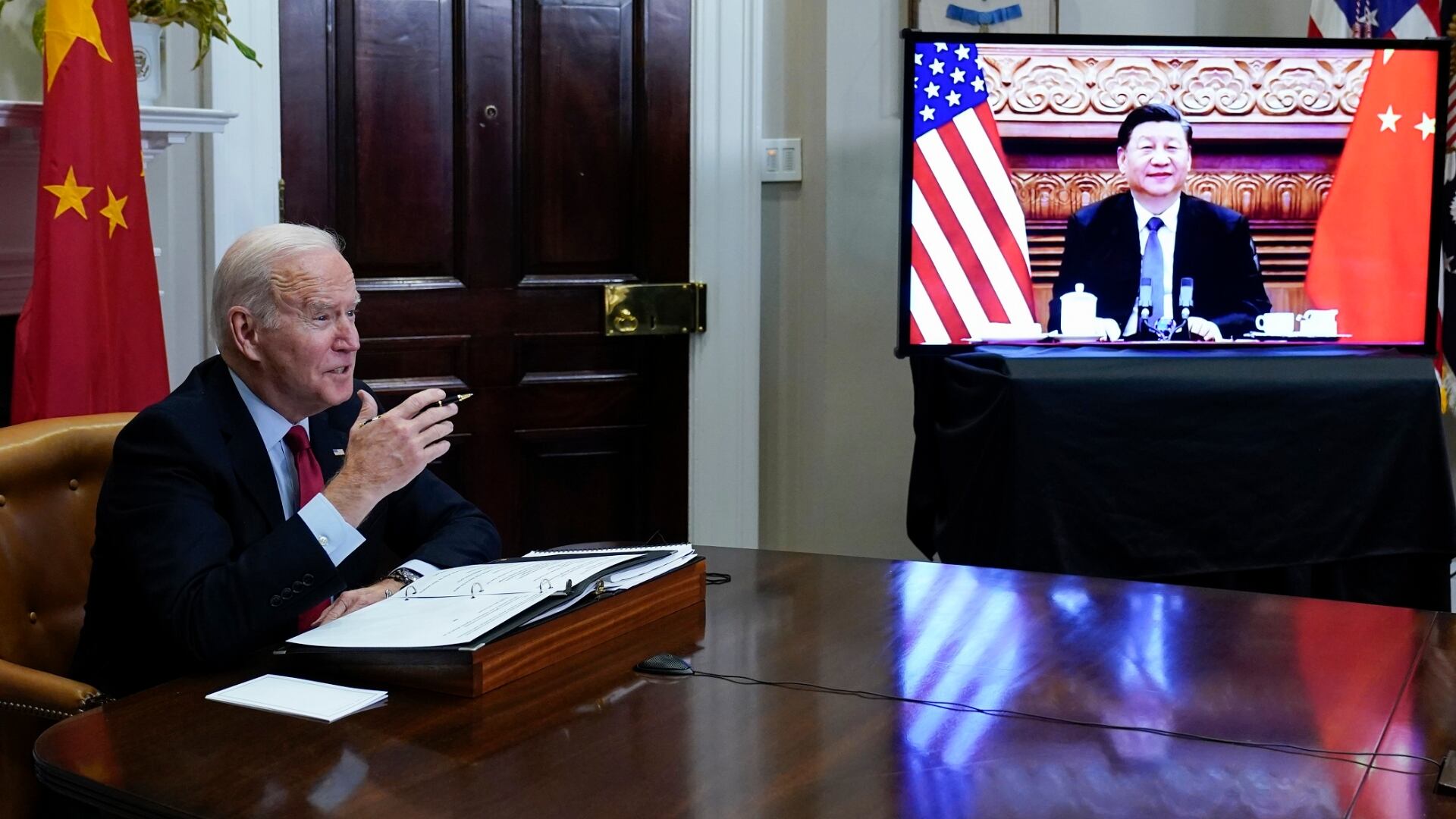
President Joe Biden and China’s Xi Jinping spoke Friday for nearly two hours via a video call as the White House looks to deter Beijing from providing military or economic assistance for Russia’s invasion of Ukraine.
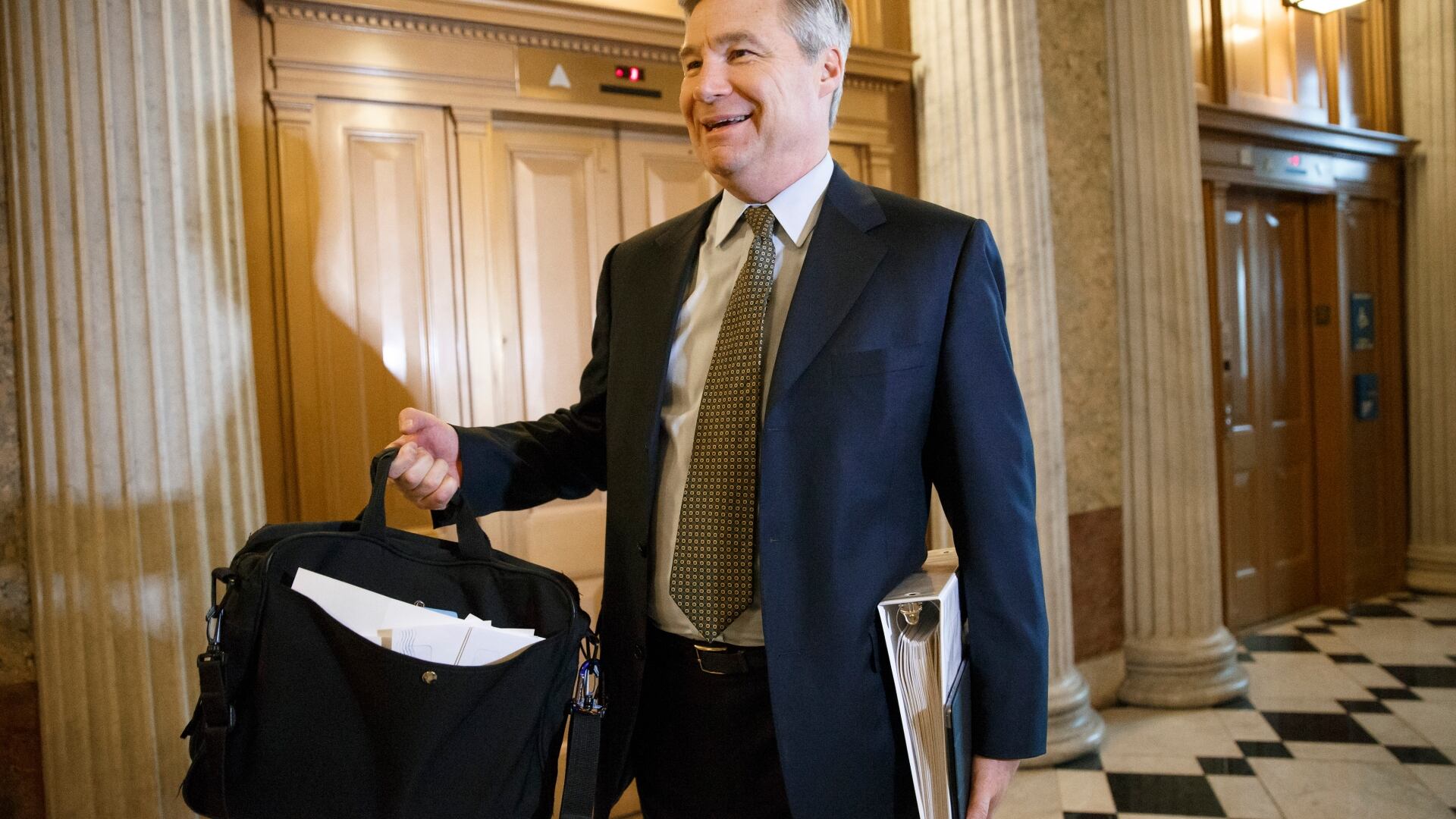
The Senate has passed the Sunshine Protection Act to permanently set U.S. clocks to daylight saving time — meaning you won't need to change them twice a year. Senator Sheldon Whitehouse (D-R.I.) joined Cheddar News to talk about something that hasn't been changed in almost half a century. “Well, I think if you were to start from scratch and have somebody come in and say here's my idea, we're going to have two different times during the year and you're going to shift back and forth between different times and have to reset all your clocks twice a year, you'd probably throw that person out as like having a screw loose," he said regarding the status quo.
Catching you up on what you Need to Know on Mar 18, 2022, with updates on the war in Ukraine, President Biden’s meeting with Xi Jinping, Meta removing a deepfake video of Volodymyr Zelenskyy, Britney Griner, vaccine updates, and tech news.
As the Russia's invasion of Ukraine continues, medical experts are worried conditions in active warzones will exacerbate the current pandemic — or even give rise to other contagions. Dr. Daniel Fagbuyi, a war veteran and former Obama administration biodefense appointee, joined Cheddar News to discuss the ongoing danger of COVID-19 on top of the war, as well as the potential for new variants to emerge. "I mean just large volumes of people definitely is a breeding ground. That's the worst case," he said. "Two things don't mix: war-conflict and a virus, a potential pandemic virus."