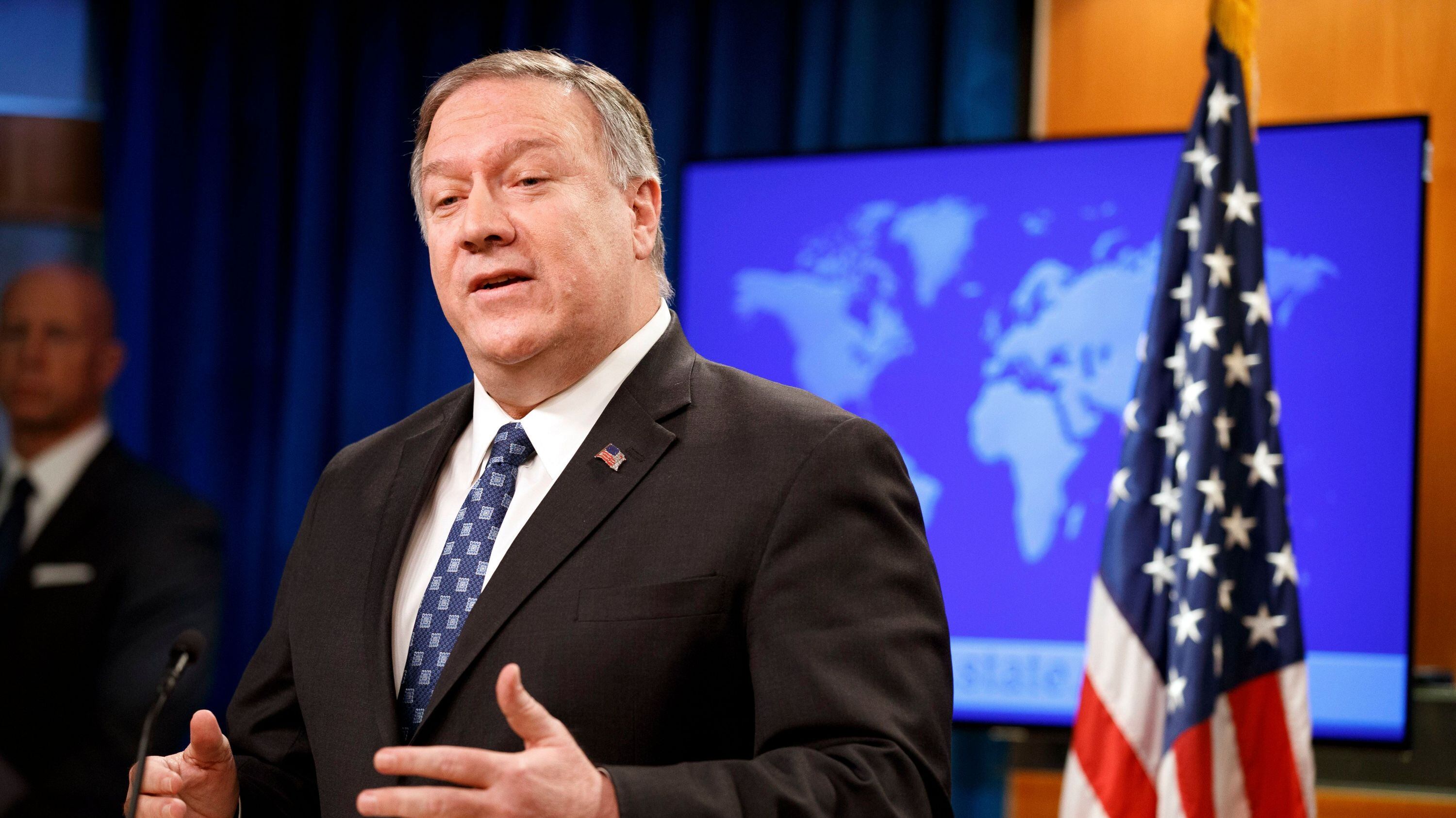
Secretary of State Mike Pompeo said Tuesday that reports Gen. Qassem Soleimani was on a diplomatic mission when he was killed are "fundamentally false" and asserted that the president's actions that led to his death were both legal and appropriate.
As tensions continue to rise in the Middle East, Pompeo answered questions from reporters at the State Department after making remarks on issues that included turmoil in Venezuela and the Australian wildfires, for which he offered his condolences.
Pompeo, the former C.I.A. director, declined to provide evidence of what has been repeatedly described by the White House as an "imminent" threat from Iran that led to the assassination. He further said the timing of the attack was less important than the fact that American lives were threatened.
"If you're looking for imminence, you need to look no further than the days that led up to the strike that was taken against Soleimani," he said.
An American contractor was killed late last month in a rocket attack by an Iran-backed militia in Iraq. After the U.S. ordered a retaliatory missile strike, protesters stormed the embassy in Baghdad on New Year's Eve. Some Pentagon officials have said intelligence did not show an imminent attack.
He added, "And then you, in addition to that, have what we can clearly see were continuing efforts on behalf of this terrorist to build out a network of campaign activities that were going to lead potentially to the death of many more Americans."
"It was the right decision, we got it right," and U.S. intelligence supported that conclusion, Pompeo claimed, defending both the president's authorization of the strike and the broader Iran policy.
Pompeo said the U.S. would also abide by international law. On Monday, Defense Secretary Mark Esper acknowledged that striking cultural sites is a war crime, despite the president tweeting about such potential targets in Iran. When questioned on the subject, Pompeo said "let me tell you who's done damage to the Persian culture. It's not the United States of America. It's the ayatollah."
Meanwhile, U.S. forces were placed on high alert in the Middle East amid military intelligence suggesting Iran is moving equipment to launch drone strikes.
Pompeo said the president had acted in an "entirely legal, appropriate" way that was "perfectly within our strategy," which he described as a "pressure campaign we have in place … diplomatic component, economic component, and military component."
"In the event that the Iranians make another bad choice, the president will respond in the way he did last week," he said.
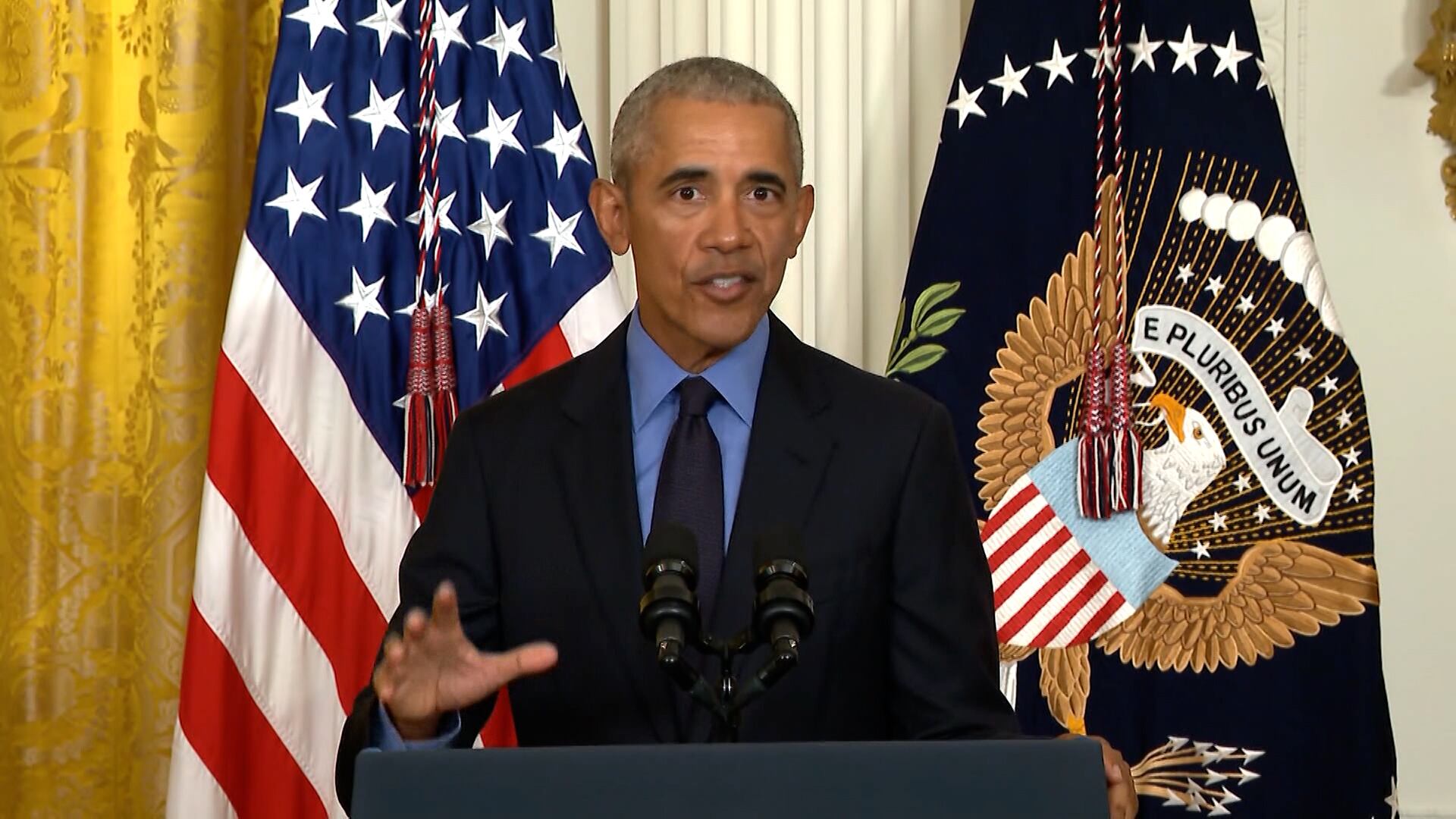
Last week, President Trump authorized the airstrike killing Soleimani and his adviser Abu Mahdi al-Muhandis at the Baghdad airport, angering Tehran for killing the high-profile commander of the Quds Force and frustrating some American politicians who feel he took his power too far.
The president ordered the strike without giving notice to Congress, seemingly conflicting with the War Powers Act of 1973. Speaker Nancy Pelosi said she will hold votes this week when the House of Representatives is back in session to limit the president's ability to act unilaterally. A Senate vote is expected as well.
Krutika Amin, associate director at the Kaiser Family Foundation for the Program on the Affordable Care Act, joins Cheddar Politics to discuss the Biden administration's plan to fix the so-called 'family glitch' in the Affordable Care Act preventing millions of Americans from accessing government-subsidized health plan.
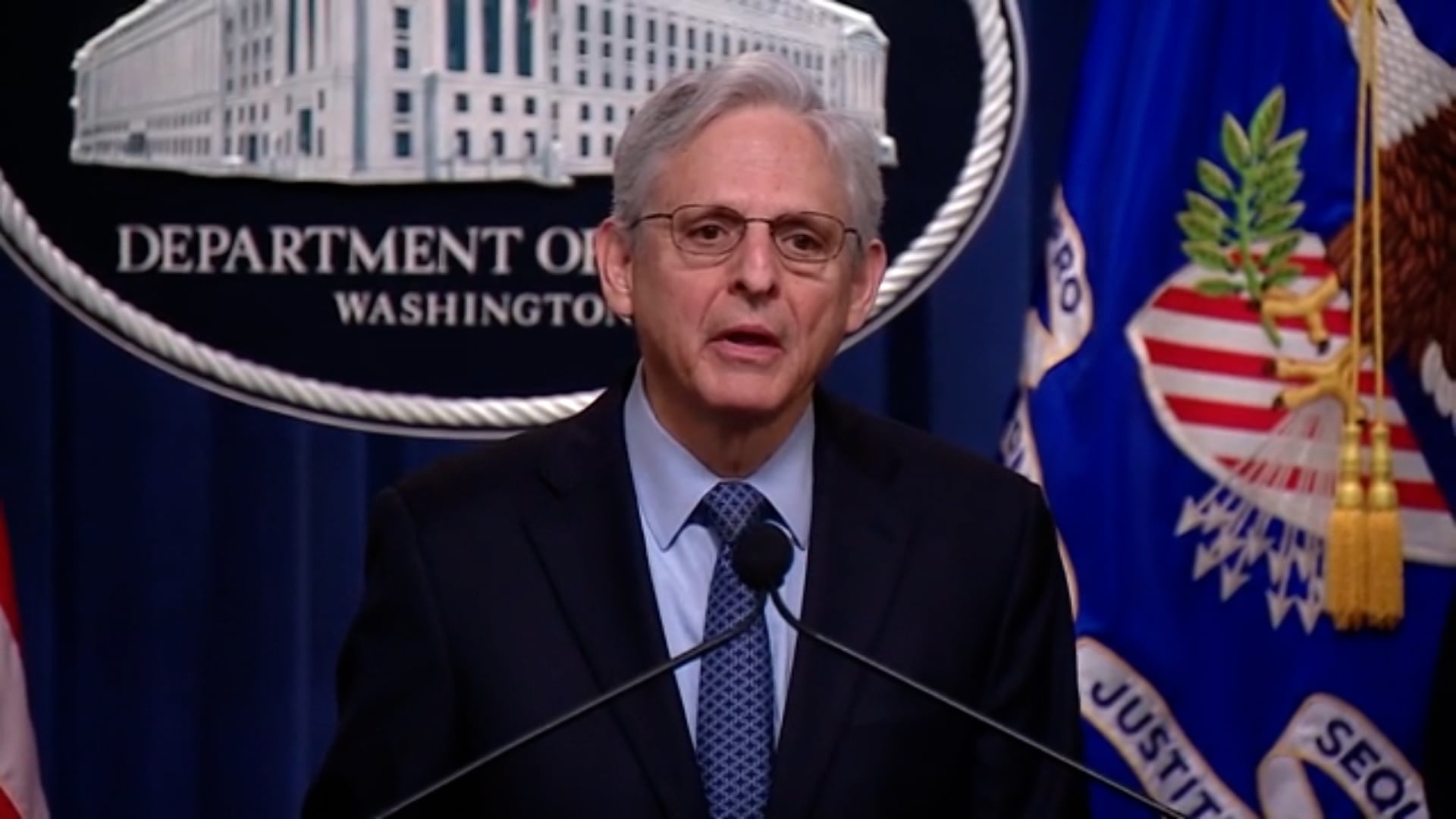
Abdallah Fayyad, opinion writer at the Boston Globe, joins Cheddar Politics to discuss the House's vote to hold former Trump aides Dan Scavino and Peter Navarro in contempt of Congress and send the recommendation to the Department of Justice. Fayyad also weighs in on the pressure facing Attorney General Merrick Garland to be more aggressive in prosecuting the January 6 case.
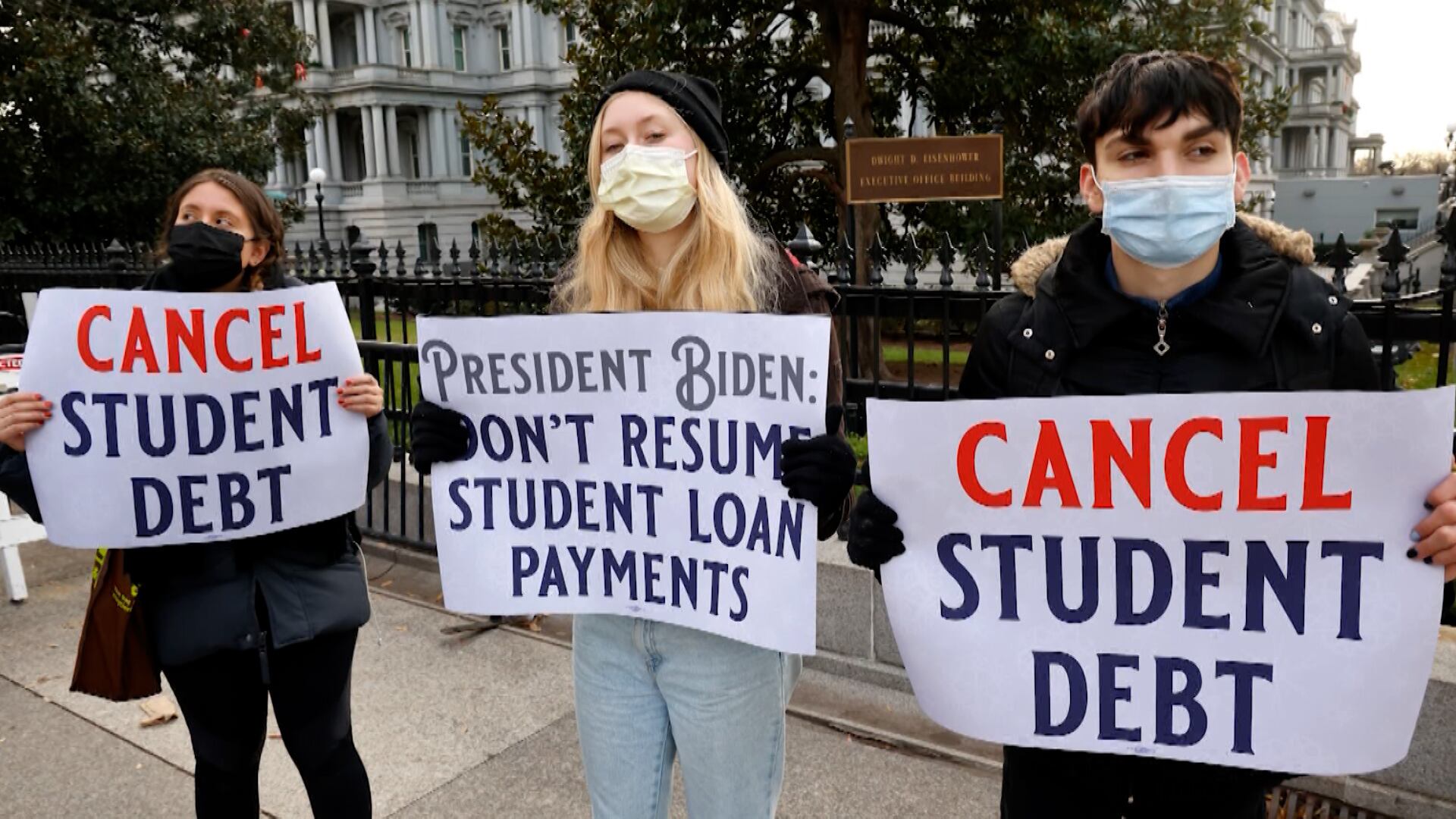
Those paying back federal student loans are getting a few extra months of relief. President Biden just announced another extension of the pandemic relief program allowing millions of borrowers to freeze their student loan payments. The pause began in March 2020 and it has been extended six times. Tomas Campos, co-founder and CEO of Spinwheel, joins Cheddar News to discuss.
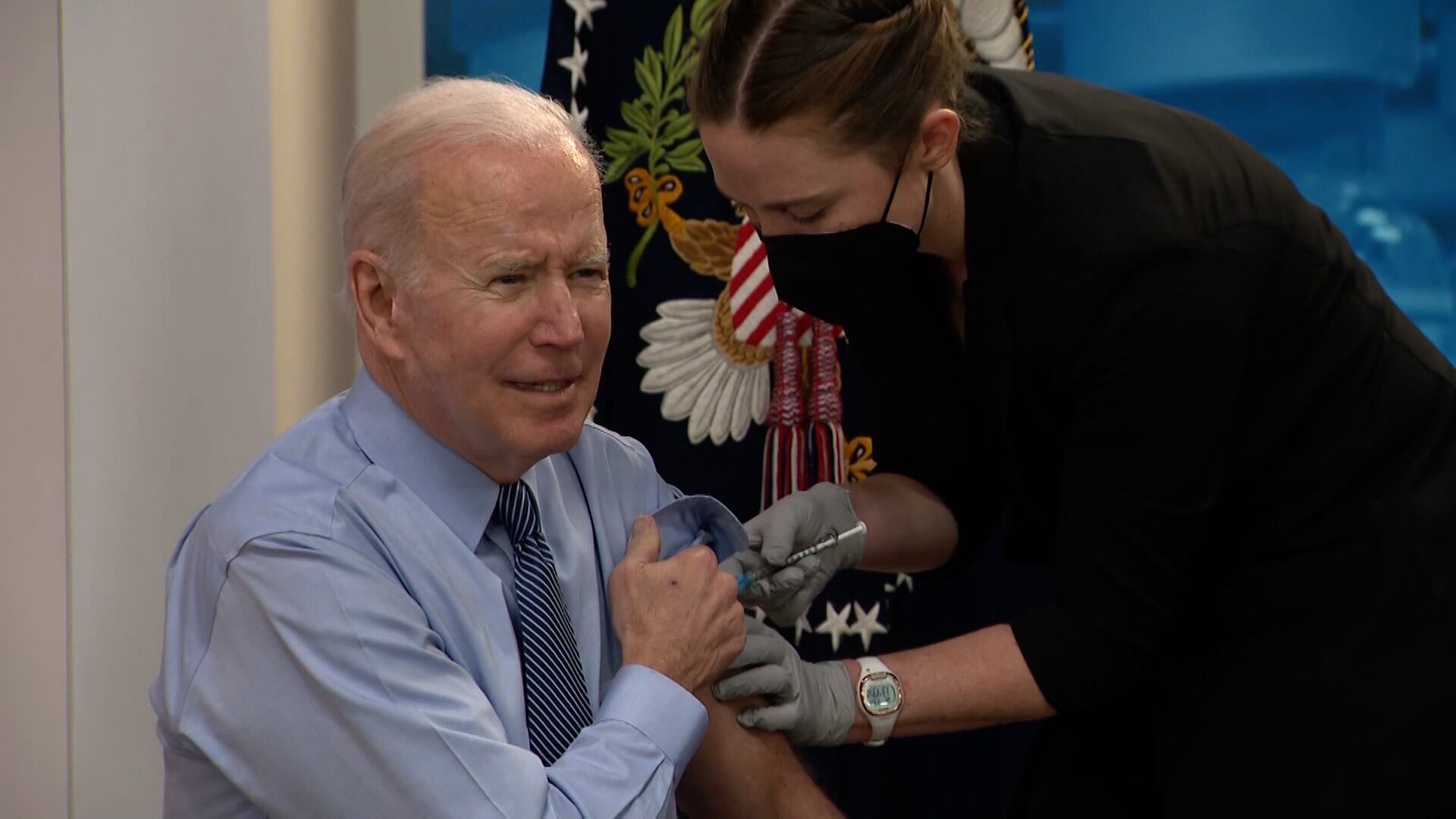
There has been notable disagreement in the medical community about a fourth COVID-19 vaccine dose. The FDA last week authorized a second booster dose for older and immunocompromised individuals, as some agency officials did not support the idea. The FDA made the decision without meeting with its advisory committee, as it had ahead of its recommendations on the previous COVID-19 vaccine doses.
The CDC followed in the footsteps of the FDA and authorized a fourth dose as well. Reports say the agency also did not discuss the move with its own advisory team of vaccine experts. Now, a growing number of doctors are speaking out against the decisions - leaving people confused about whether they should get another vaccine dose. Dr. Julie Morita, a member of the CDC's advisory committee to the director, and the executive vice president of the Robert Wood Johnson Foundation, joins Cheddar News' Closing Bell to discuss.
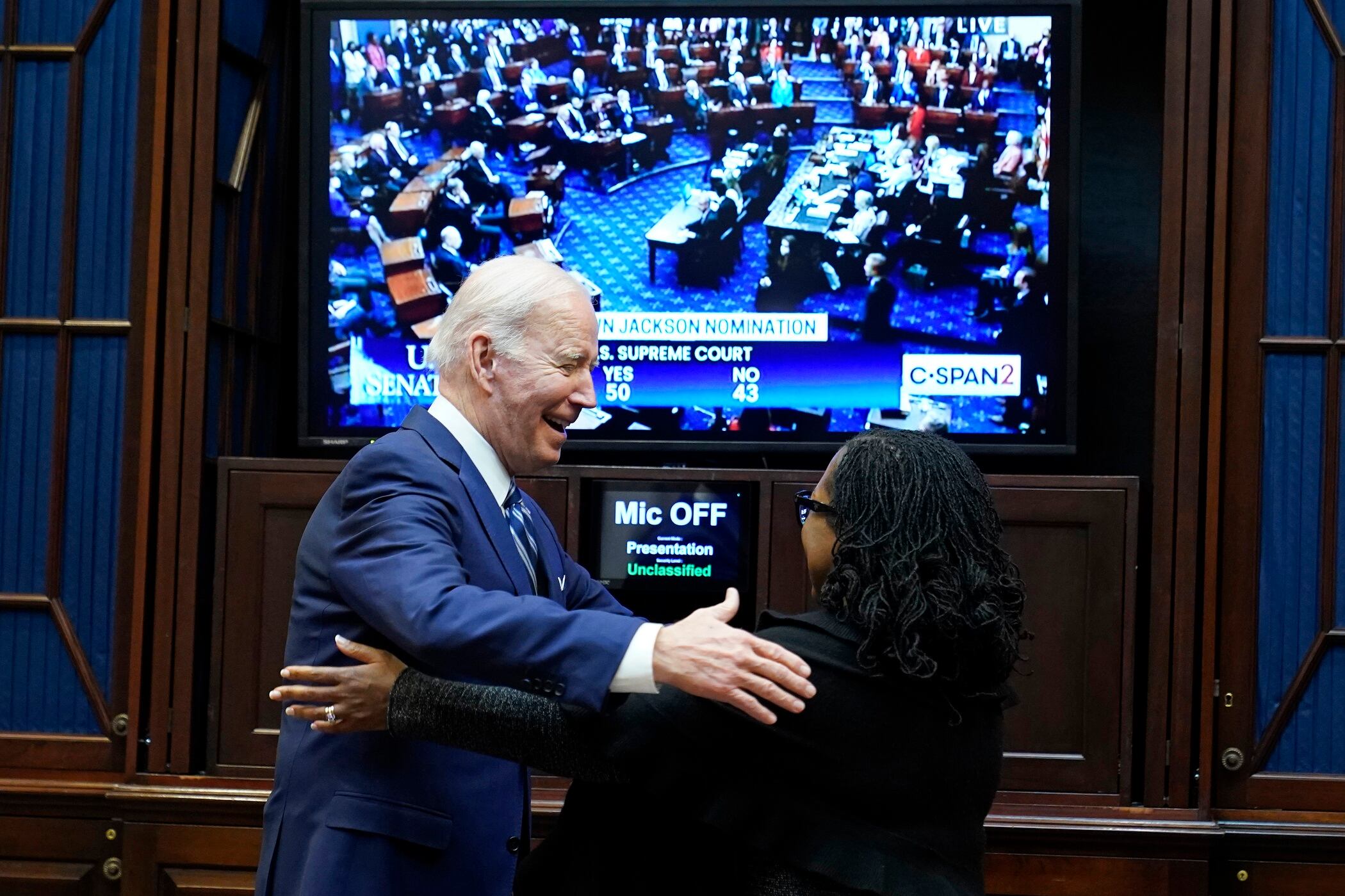
The Senate has confirmed Ketanji Brown Jackson to the Supreme Court, shattering a historic barrier by securing her place as the first Black female justice and giving President Joe Biden a bipartisan endorsement for his effort to diversify the court
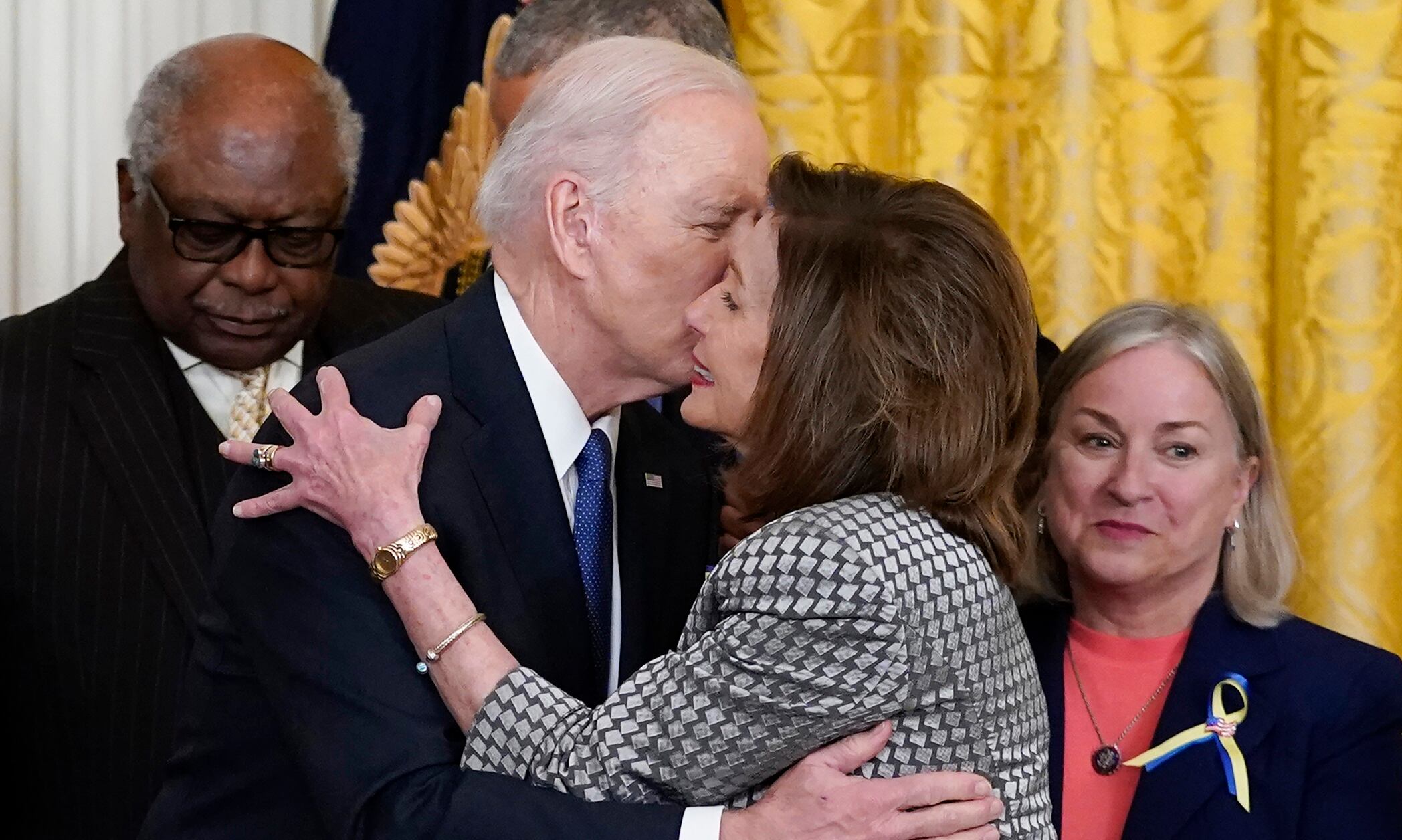
House Speaker Nancy Pelosi has tested positive for COVID-19, her spokesman says. That's a day after the 82-year-old Democratic leader appeared unmasked at a White House event with President Joe Biden.
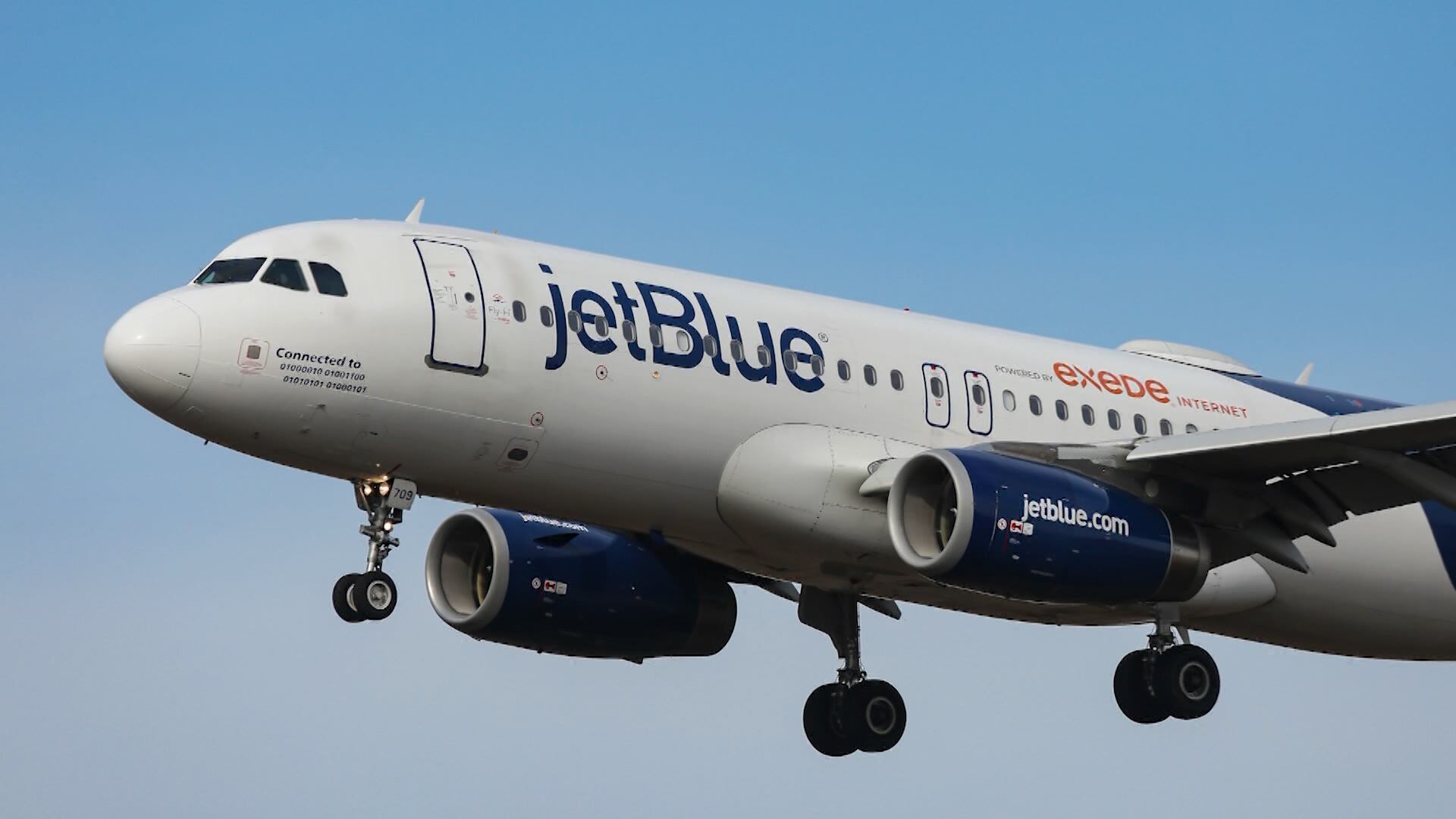
JetBlue made an unsolicited offer to buy low-cost carrier Spirit Airlines, potentially jeopardizing the original offer from Frontier Airlines. Several analysts sounding the alarm on JetBlue's proposed $3.6 billion merger, saying the deal doesn't quite make sense. Jim Corridore, Senior Insights Manager at Similarweb joined Cheddar's Opening Bell to discuss.
The Biden administration is once again extending the pause on federal student loans payments — this time, through the end of August. In a statement, President Biden cited a recent analysis from the Fed that if the payments were to resume, millions of student loan borrowers would face significant "economic hardship, delinquencies, and defaults that could threaten America's financial stability." Sarah Foster, an analyst at Bankrate, breaks down the impact of the extension on borrowers, the economy, and the future of student loan forgiveness. "I think this is just an instance of the federal student loan forbearance program kind of creating additional uncertainty for borrowers, especially in the sense that these past four extensions from the Biden administration have kind of come at the 11th hour here," she said.