As some states have recently enacted further restrictions on abortion rights, women's health care startup Pill Club — a company that sells birth control subscriptions via telemedicine — is trying to fill a gap in service at a time when women need help the most.
The company has announced that it is donating 5,000 units of the generic version of Plan B for women in need as part of a collaboration with the nonprofit Power to Decide. The pills are a form of emergency contraception taken immediately after sex.
"I think there's a real need and an increased role for the private sector to really be able to help," Nick Chang, the CEO and co-founder of Pill Club, told Cheddar.
"If a number of public companies and nonprofits are facing restricted funds, or are facing headwinds, this is the right moment for private sector companies to be able to help out."
The company has also promised to match up to $10,000 in donations to the partnering nonprofit's contraceptive access fund.
2019 saw several states drastically restrict abortion rights. Amnesty International reports that 42 restrictions on abortions were enacted in the first half of the year. Five states — Georgia, Ohio, Alabama, Kentucky, and Mississippi — have passed so-called 'heartbeat' bills, which would ban abortion about two weeks after a woman first misses her period due to pregnancy.
"Our ability to serve women in these states is only becoming an increasingly important dynamic," Chang said.
Chang says the company doubled in size this year, and that demand has increased in the regions most impacted by recent restrictions on abortion.
As commercial options tighten, more travelers are turning to private aviation. Wheels Up CEO George Mattson breaks down capacity and demand challenges.
Layoffs, hiring slowdowns, and shifting skill demands dominate this year’s job talk. LinkedIn’s Kory Kantenga explains what workers should watch for next.
Retailers face tariffs and cost challenges this holiday season. Wells Fargo's Lauren Murphy shares insights on pricing, promotions, and shopping trends.
Dateability, founded by sisters Jacqueline and Alexa Child, is the only dating app for disabled and chronically ill communities, fostering love without limits.
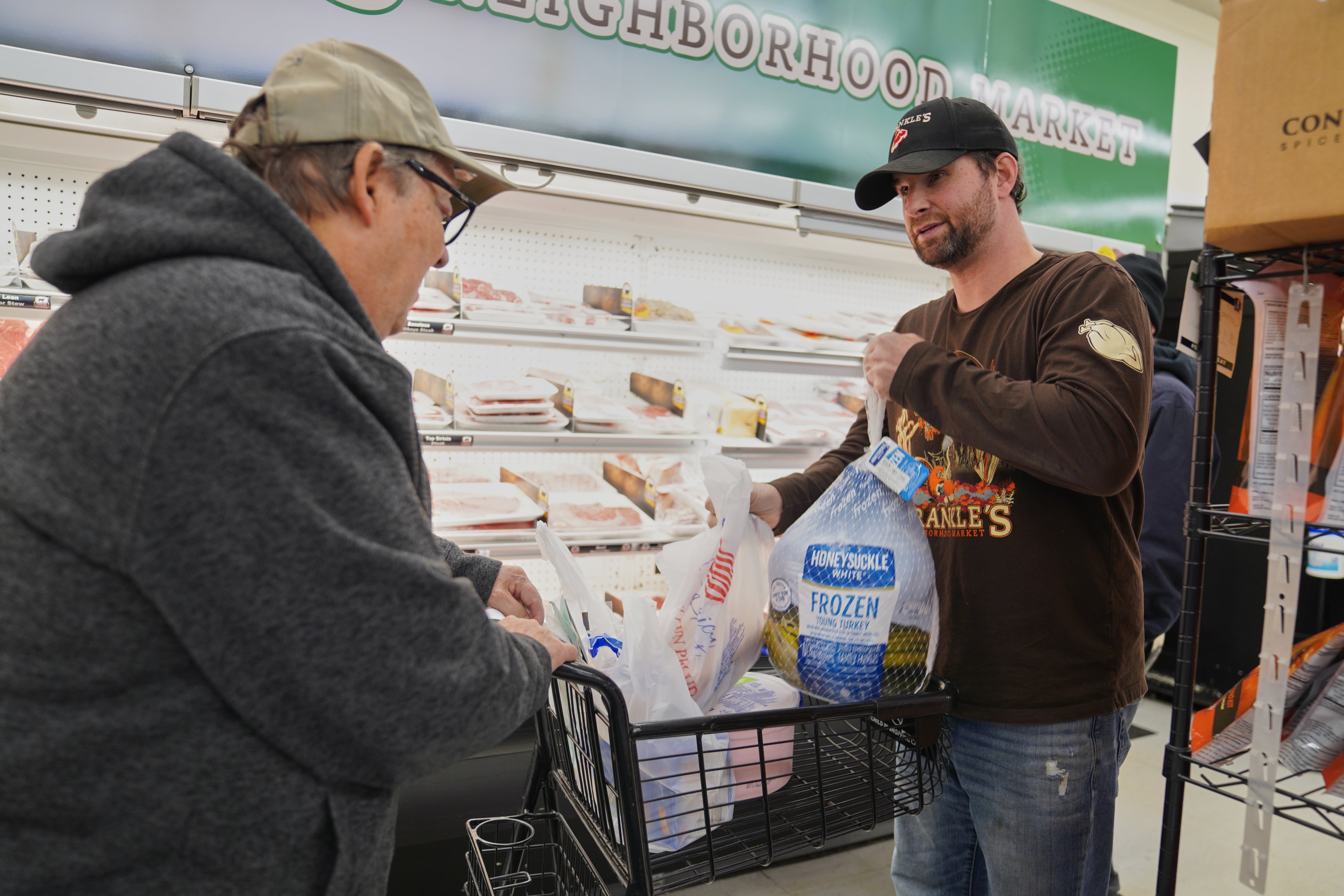
Some small grocery stores and neighborhood convenience stores are eager for the U.S. government shutdown to end and for their customers to start receiving federal food aid again. Late last month, the Trump administration froze funding for the SNAP benefits that about 42 million Americans use to buy groceries. The U.S. Department of Agriculture says about 74% of the assistance was spent last year at superstores like Walmart and supermarkets like Kroger. Around 14% went to smaller stores that are more accessible to SNAP beneficiaries. A former director of the United Nations World Food Program says SNAP is not only a social safety net for families but a local economic engine that supports neighborhood businesses.
Andy Baehr, Head of Product at CoinDesk Indices, breaks down crypto’s Black Friday crash, Bitcoin dipping under $100K, and what’s driving the market rout.