As some states have recently enacted further restrictions on abortion rights, women's health care startup Pill Club — a company that sells birth control subscriptions via telemedicine — is trying to fill a gap in service at a time when women need help the most.
The company has announced that it is donating 5,000 units of the generic version of Plan B for women in need as part of a collaboration with the nonprofit Power to Decide. The pills are a form of emergency contraception taken immediately after sex.
"I think there's a real need and an increased role for the private sector to really be able to help," Nick Chang, the CEO and co-founder of Pill Club, told Cheddar.
"If a number of public companies and nonprofits are facing restricted funds, or are facing headwinds, this is the right moment for private sector companies to be able to help out."
The company has also promised to match up to $10,000 in donations to the partnering nonprofit's contraceptive access fund.
2019 saw several states drastically restrict abortion rights. Amnesty International reports that 42 restrictions on abortions were enacted in the first half of the year. Five states — Georgia, Ohio, Alabama, Kentucky, and Mississippi — have passed so-called 'heartbeat' bills, which would ban abortion about two weeks after a woman first misses her period due to pregnancy.
"Our ability to serve women in these states is only becoming an increasingly important dynamic," Chang said.
Chang says the company doubled in size this year, and that demand has increased in the regions most impacted by recent restrictions on abortion.
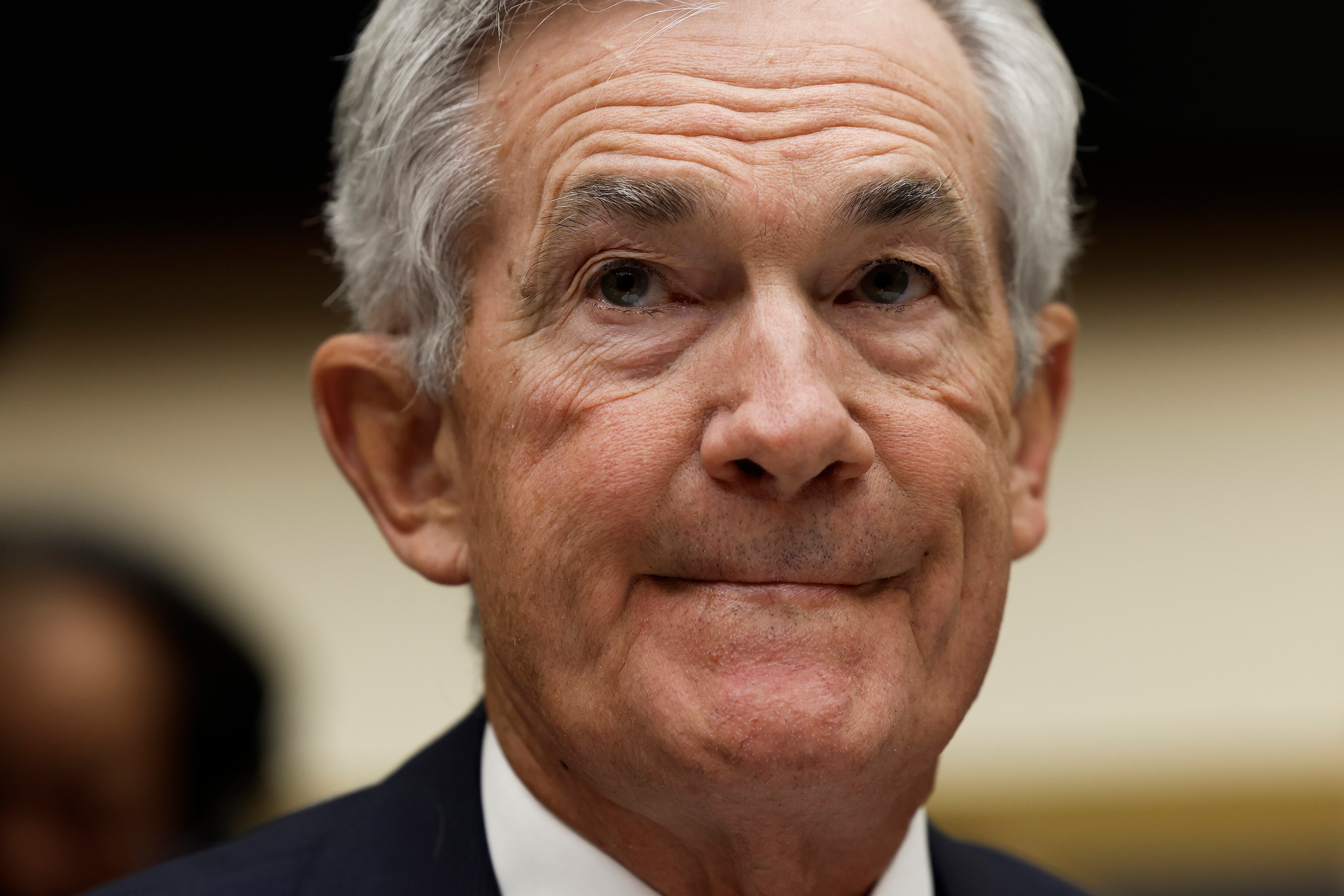
Federal Reserve Chair Jerome Powell was tricked into an extended phone call in January with Russian pranksters posing as Ukrainian President Volodymyr Zelenskyy, during which Powell appeared to discuss the economic impact of interest rate hikes.
Amazon on Thursday reported stronger-than-expected revenue and profits for the first quarter, sending its stocks higher in after-hours trading. But its prices took a dip in the evening amid concerns about a continued slowdown in the company's profitable cloud computing unit AWS.
A key index of underlying inflation that is closely followed by the Federal Reserve remained elevated last month, keeping the Fed on track to raise interest rates next week for the 10th time since March of last year.
As a growing number of overweight Americans clamor for Ozempic and Wegovy — drugs touted by celebrities and on TikTok to pare pounds — an even more powerful obesity medicine is poised to upend treatment.
A California judge is ordering Tesla CEO Elon Musk to be interviewed under oath regarding statements about the safety and capability of the car maker's autopilot features.
David Wright, president and owner of Wright Financial Group LLC, joined Cheddar News to discuss Thursday's trading as stocks closed higher amid strong tech profits. But Wright says banking stress could sway markets down as the Federal Reserve could weigh more rate increases.
The Gap is laying off 1,800 corporate workers, roughly three time the number of headquarters jobs it cut last fall, as the struggling chain cuts costs in a bid to become more nimble.