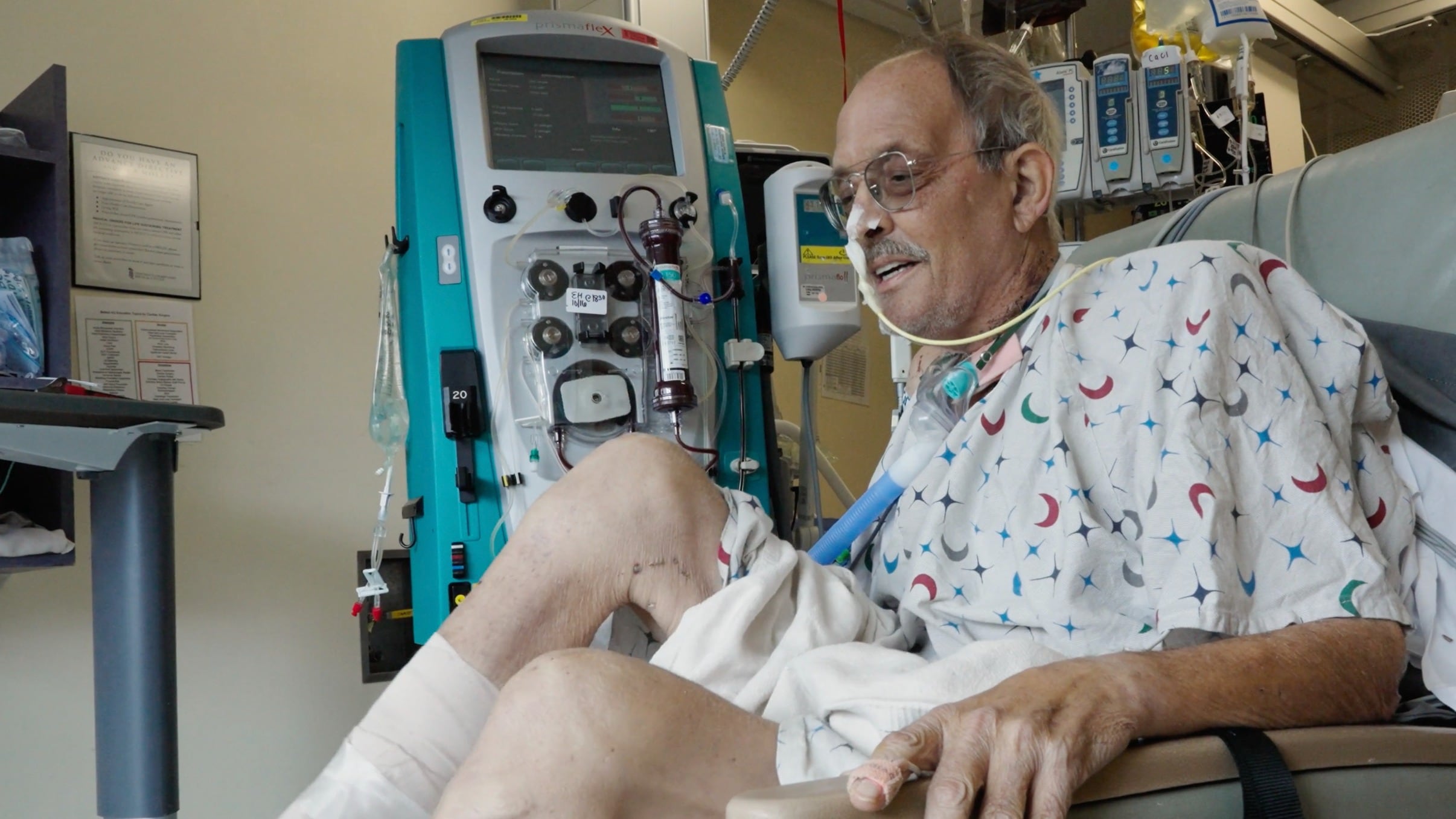
In this image from video provided by the University of Maryland School of Medicine, Lawrence Faucette, a pig heart transplant patient, works with a physical therapist at the school's hospital in Baltimore, Md., on Wednesday, Oct. 18, 2023. (Tom Jemski/University of Maryland School of Medicine via AP)
Lawrence Faucette was dying from heart failure and ineligible for a traditional heart transplant because of other health problems when doctors at the University of Maryland School of Medicine offered the highly experimental surgery.
In the first glimpse of Faucette provided since the Sept. 20 transplant, hospital video shows physical therapist Chris Wells urging him to smile while pushing through a pedaling exercise to regain his strength.
“That’s going to be tough but I’ll work it out,” Faucette, 58, replied, breathing heavily but giving a smile.
The Maryland team last year performed the world’s first transplant of a heart from a genetically altered pig into another dying man. David Bennett survived just two months before that heart failed, for reasons that aren’t completely clear although signs of a pig virus later were found inside the organ. Lessons from that first experiment led to changes before this second try, including better virus testing.
Attempts at animal-to-human organ transplants — called xenotransplants — have failed for decades, as people’s immune systems immediately destroyed the foreign tissue. Now scientists are trying again using pigs genetically modified to make their organs more humanlike.
In Friday’s hospital video, Faucette’s doctors said the pig heart has shown no sign of rejection.
“His heart is doing everything on its own,” said Dr. Muhammad Mohiuddin, the Maryland team’s cardiac xenotransplantation chief.
A hospital spokeswoman said Faucette, of Frederick, Maryland, has been able to stand and physical therapists are helping him gain strength needed to attempt walking.
Many scientists hope xenotransplants one day could compensate for the huge shortage of human organ donations. More than 100,000 people are on the nation’s list for a transplant, most awaiting kidneys, and thousands will die waiting.
A handful of scientific teams have tested pig kidneys and hearts in monkeys and in donated human bodies, hoping to learn enough for the Food and Drug Administration to allow formal xenotransplant studies.
The Associated Press Health and Science Department receives support from the Howard Hughes Medical Institute’s Science and Educational Media Group. The AP is solely responsible for all content.
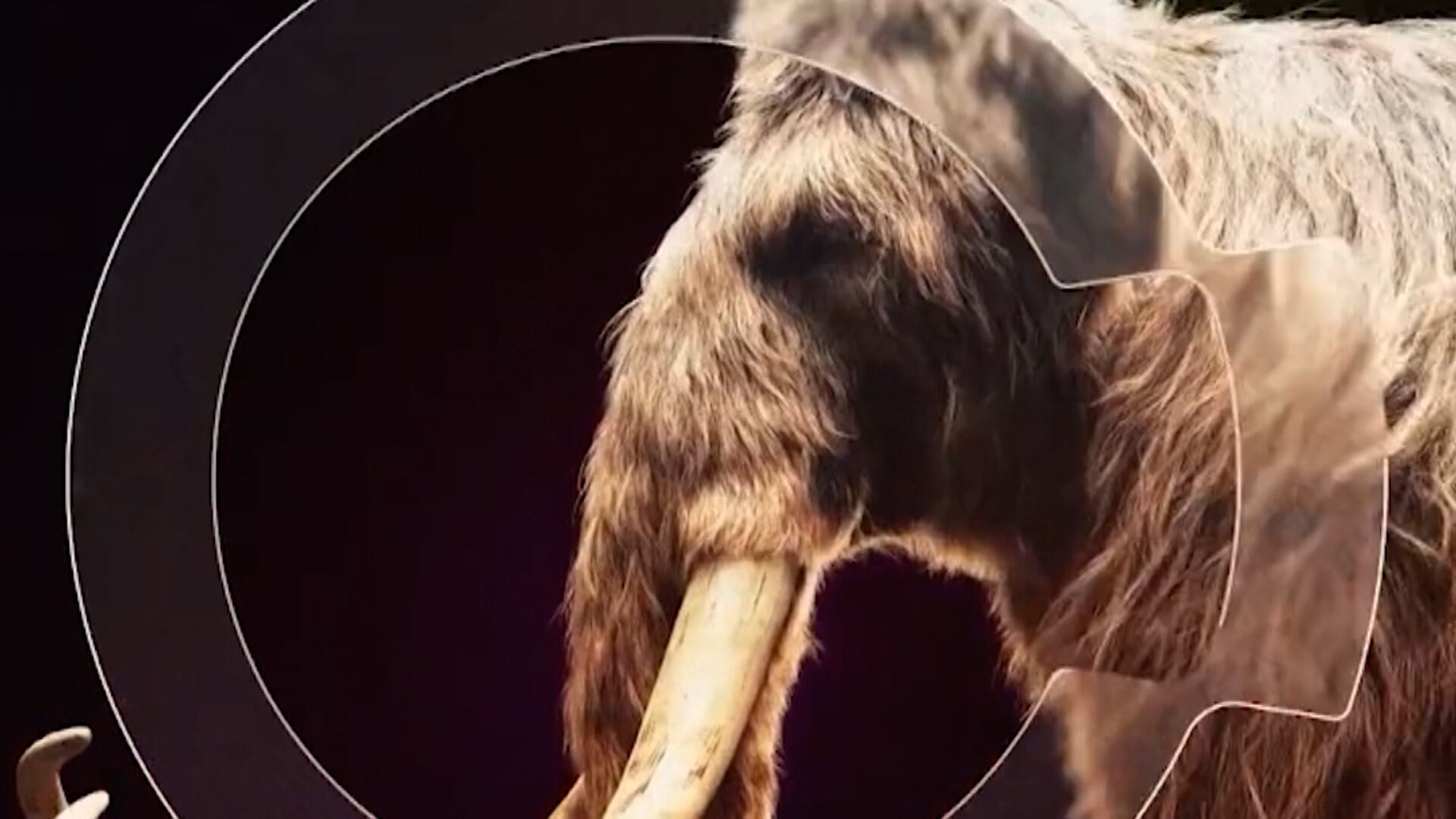
Bioscience and genetic engineering company, Colossal, raised $60 million in a Series A funding round. Colossal is focused on developing new technologies and genetic tools to restore extinct species, and protect critically endangered species. One of the startup's long-term goals is to resurrect the woolly mammoth, and return it back to the arctic. Colossal also says it is developing technology that expands beyond animals, and has the potential to advance human health. Ben Lamm, co-founder and CEO of Colossal, joins Cheddar News' Closing Bell to discuss.
Residents were cleaning their homes Thursday after a 7.4-magnitude earthquake struck off the coast of Fukushima in northern Japan, smashing furniture, knocking out power and killing four people.
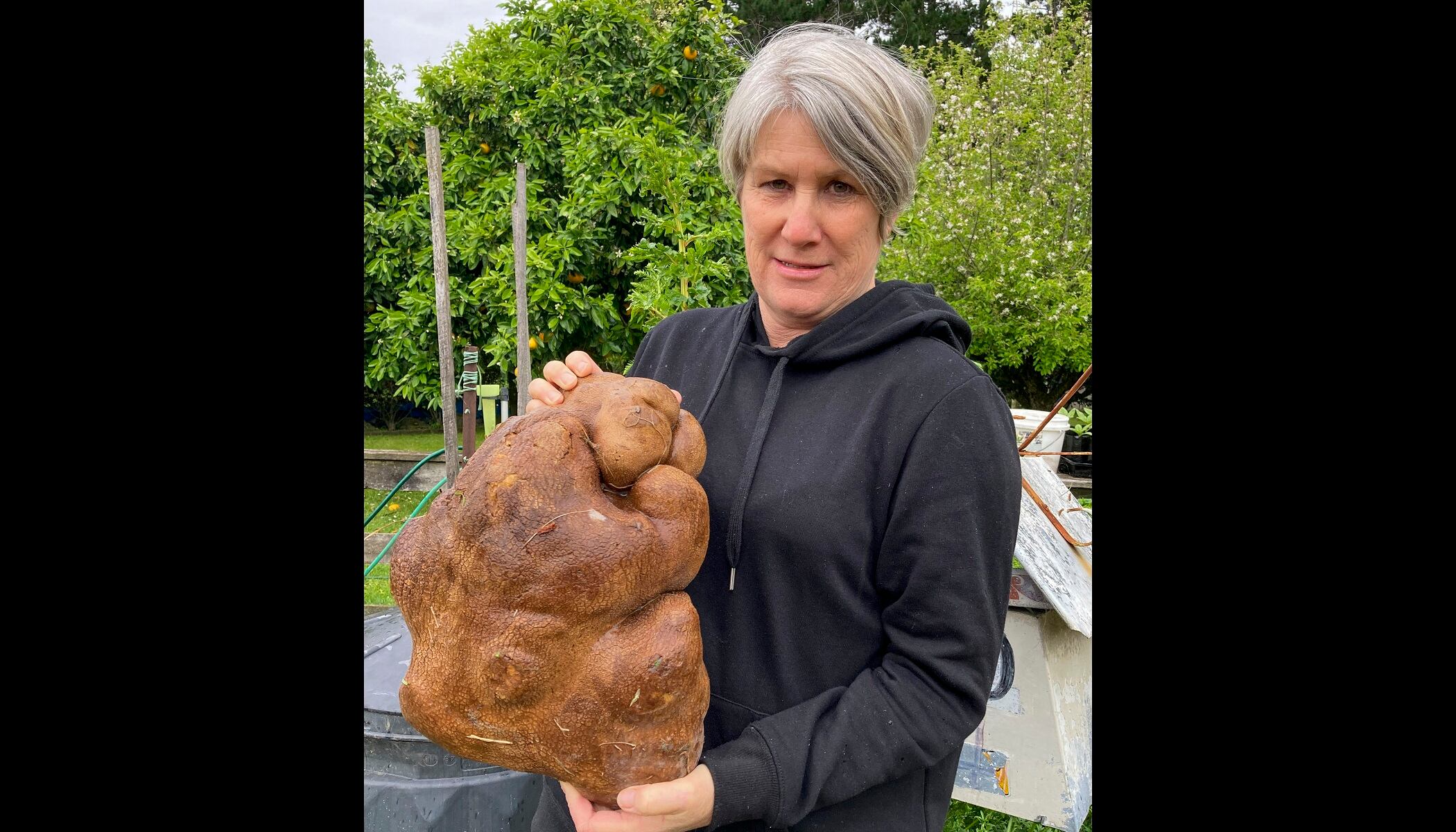
A New Zealand couple who believed they had dug up the world’s largest potato had their dreams turned to mash after Guinness World Records wrote to say that scientific testing had found it wasn’t, in fact, a potato after all.
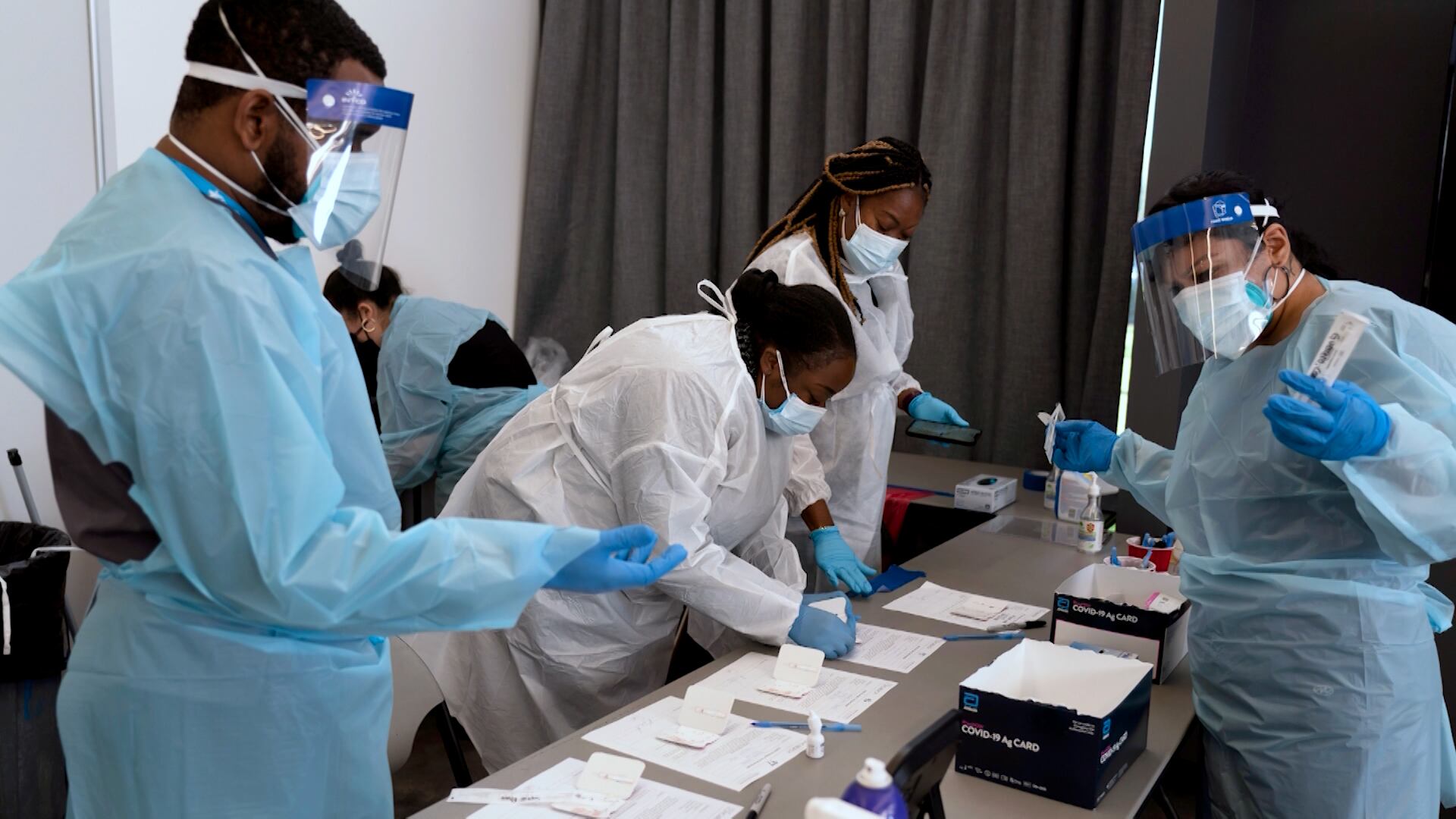
Two years into the pandemic, many of us have regained a sense of normalcy. However, those in the healthcare industry are still confronting the virus every day, dealing with the physical, mental and psychological stress of the ongoing pandemic. Ben Mirtes, CFO of Ingenovis Health and Lydia Mobley, a travel nurse with Faststaff, who has spent the last two years going from hotspot to hotspot, joined Cheddar’s Opening Bell to reflect on their experiences in healthcare, and discuss why they are optimistic about a path forward.
Catching you up on what you Need to Know on March 16, 2022, with updates on Ukraine and Russia, a container ship gets stuck in the Chesapeake Bay, Disney employees stage a walkout over the "Don't Say Gay" law in Florida, and NASA completes its first spacewalk of 2022.
Food technology startup Tender Food raised $12 million in a seed round led by Chris Sacca's Lowercarbon Capital. Tender says it specializes in creating alternative meats with an authentic texture and is on a mission to make alternative meats so delicious, nutritious, and affordable, that eating meat from animals will no longer make sense. Christophe Chantre, co-founder & CEO of Tender Food, joins Cheddar News' Closing Bell to discuss.
Ryan Shearman, chief alchemist and co-founder at Aether, and Henry Elkus, founder of Helena, join Cheddar News to talk about the completion of an $18 million Series A funding round led by Helena.
As the Russia-Ukraine conflict continues to grow, so do concerns over the impact it could have on the international space community, and more specifically, the International Space Station. Those concerns come after Dmitry Rogozin, the director of Russia's state space agency, posted several tweets over the last few weeks in which he threatened to 'destroy Russia's cooperation on the ISS.' Olympia LePoint, rocket scientist and author of 'Answers Unleashed II: The Science of Attracting What You Want,' joined Cheddar News' Closing Bell to discuss.