This photo combo shows Katie Posten holding the front and back of a photograph she found stuck to her car's windshield on Saturday, Dec. 11, 2021 in New Albany, Ind. The photo is from a tornado-damaged home in Kentucky that landed almost 130 miles away in Indiana. (Katie Posten via AP).
By Mike Schneider
When Katie Posten walked outside Saturday morning to her car parked in her driveway, she saw something that looked like a note or receipt stuck to the windshield.
She grabbed it and saw it was a black and white photo of a woman in a striped sundress and headscarf holding a little boy in her lap. On the back, written in cursive, it said, “Gertie Swatzell & J.D. Swatzell 1942." A few hours later, Posten would discover that the photo had made quite a journey - almost 130 miles (209 kilometers) on the back of monstrous winds.
Posten had been tracking the tornadoes that hit the middle of the U.S. Friday night, killing dozens of people. They came close to where she lives in New Albany, Indiana, across the Ohio River from Louisville, Kentucky. So she figured it must be debris from someone's damaged home.
“Seeing the date, I realized that was likely from a home hit by a tornado. How else is it going to be there?" Posten said in a phone interview Sunday morning. “It’s not a receipt. It’s well-kept photo."
So, doing what any 21st century person would do, she posted an image of the photo on Facebook and Twitter and asked for help in finding its owners. She said she was hoping someone on social media would have a connection to the photo or share it with someone who had a connection.
Sure enough, that's what happened.
“A lot of people shared it on Facebook. Someone came across it who is friends with a man with the same last name, and they tagged him,” said Posten, 30, who works for a tech company.
That man was Cole Swatzell, who commented that the photo belonged to family members in Dawson Springs, Kentucky, almost 130 miles (209 kilometers) away from New Albany, as the crow flies, and 167 miles (269 kilometers) away by car. Swatzell on Sunday didn't respond to a Facebook message seeking comment.
In Dawson Springs — a town of about 2,700 people 60 miles (97 kilometers) east of Paducah — homes were leveled, trees were splintered and search and rescue teams continued to scour the community for any survivors. Dozens of people across five states were killed.
The fact that the photo traveled almost 130 miles is “unusual but not that unusual,” said John Snow, a meteorology professor at the University of Oklahoma.
In one documented case from the 1920s, paper debris traveled 230 miles from the Missouri Bootheel into southern Illinois. The paper debris rides winds, sometimes reaching heights of 30,000 to 40,000 feet above the ground, he said.
“It gets swirled up,” Snow said. “The storm dissipates and then everything flutters down to the ground.”
Posten wasn't alone in finding family photos and school pictures that had traveled dozens of miles in the tornadoes' paths. A Facebook group was set up after the storms so people could post photos and other items like an ultrasound image they had found deposited in their yards.
Posten plans to return the photo to the Swatzell family sometime this week.
“It’s really remarkable, definitely one of those things, given all that has happened, that makes you consider how valuable things are — memories, family heirlooms, and those kinds of things,” Posten said. “It shows you the power of social media for good. It was encouraging that immediately there were tons of replies from people, looking up ancestry records, and saying ‘I know someone who knows someone and I’d like to help.’”
With so many high-profile court cases taking over the media, from the trial over the murder of Ahmaud Arbery to the trial of Kyle Rittenhouse to the ongoing Elizabeth Holmes trial, Cheddar took a look at these cases and why there is such a big interest in them. Rachel Fiset, a white collar criminal defense lawyer and partner with Zeiback, Fiset, and Coleman, and Bryan Hance, attorney-at-law, professor, and academic program director of the pre-law and paralegal studies program at National University, joined Cheddar for a roundtable discussion on why there is so much public interest in so-called courtroom drama.
2022 is just around the corner and one of the world's most famous trendspotters says that there is a wide-ranging mix of trends coming up in the new year that could impact businesses, culture, and our society at large.
Trendspotter and cultural zeitgeist analyst Marian Salzman, joined Cheddar to discuss more.
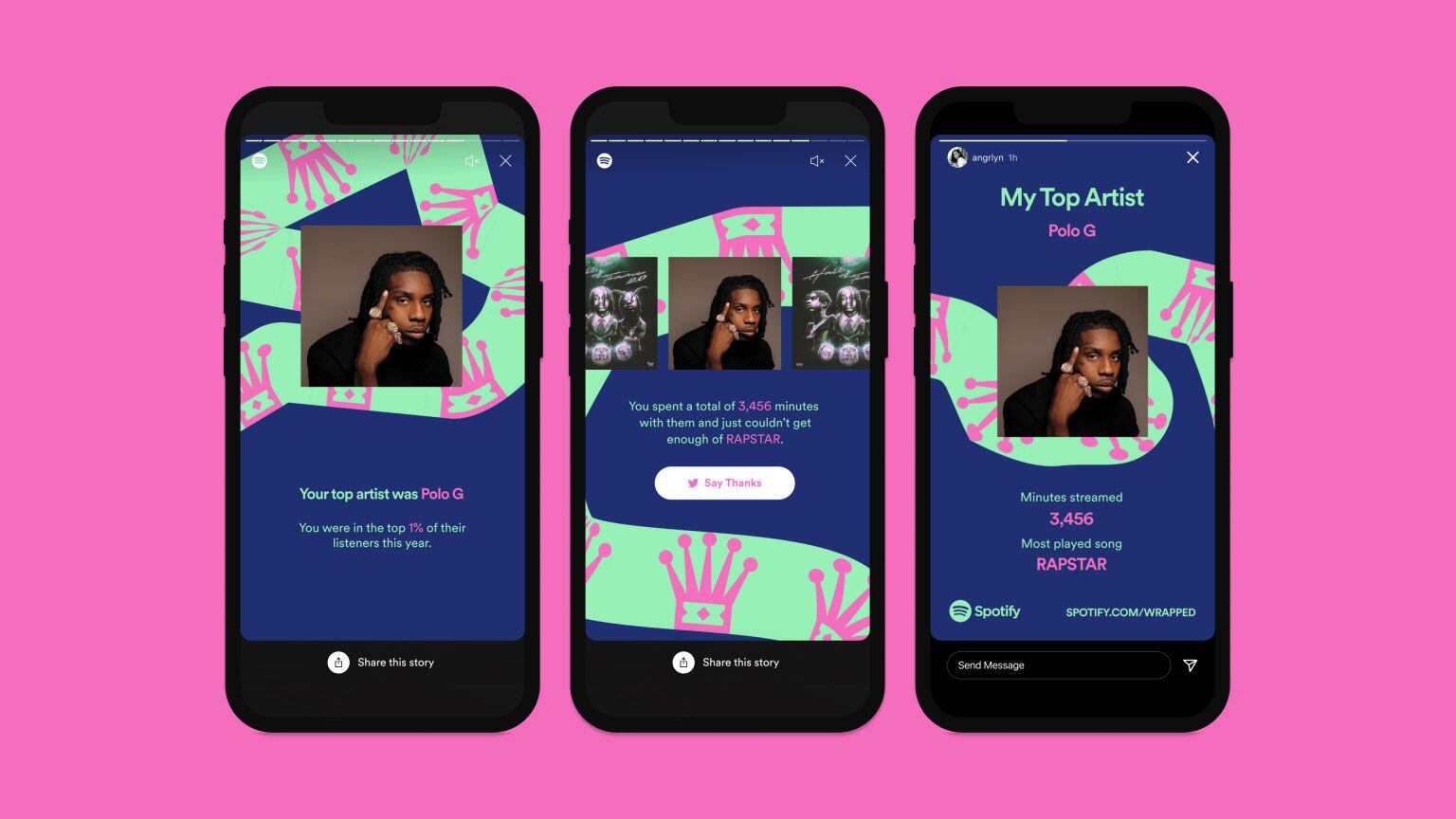
Spotify has just officially released its 2021 'Wrapped'. For the past few years, the streaming giant has been presenting customers with their listening habits from the prior year, including favorite artists, most listened to the genre, podcasts, songs you name it. However, critics say this method just shows how apps can collect our data. CEO of Prevailion Karim Hijazi, joined Cheddar to discuss more.
Recent internal documents obtained by the New York Times reveal how exactly TikTok's algorithm works. The report highlights how the app is mainly focused on retaining two metrics which are retention and time spent. In addition, the document titled, "TikTok Algo 101" details how the algorithm understands human nature from when we get bored to our sensitivity and culture ques. It means the app monitors will kind of videos you like. Professor of Computer Science at the University of California in San Diego Julian McCauley, joined Cheddar to discuss more.
According to a recent study by a group of international researchers, artificial intelligence can predict new illegal drugs before they hit the streets. This method could help save lives and fight crime. Professor of Computing Science at the University of Alberta, joined Cheddar to discuss more.
Carlo and Baker discuss the sweeping new vaccine mandate in NYC that will target all private businesses. Plus, Trump's media venture gets its CEO and more.
A lockout is now in place for Major League Baseball. The collective bargaining agreement between the league and players association expired at 11:59 p.m. Wednesday night.
MLB commissioner Rob Manfred said both sides were unable to negotiate a new contract by that time, so the league locked out the players on Thursday at 12:01 a.m. The lockout also means trades and free agency deals have to stop for now. Dodgers Nation lead editor Clint Pasillas joined Cheddar News' Closing Bell to discuss.
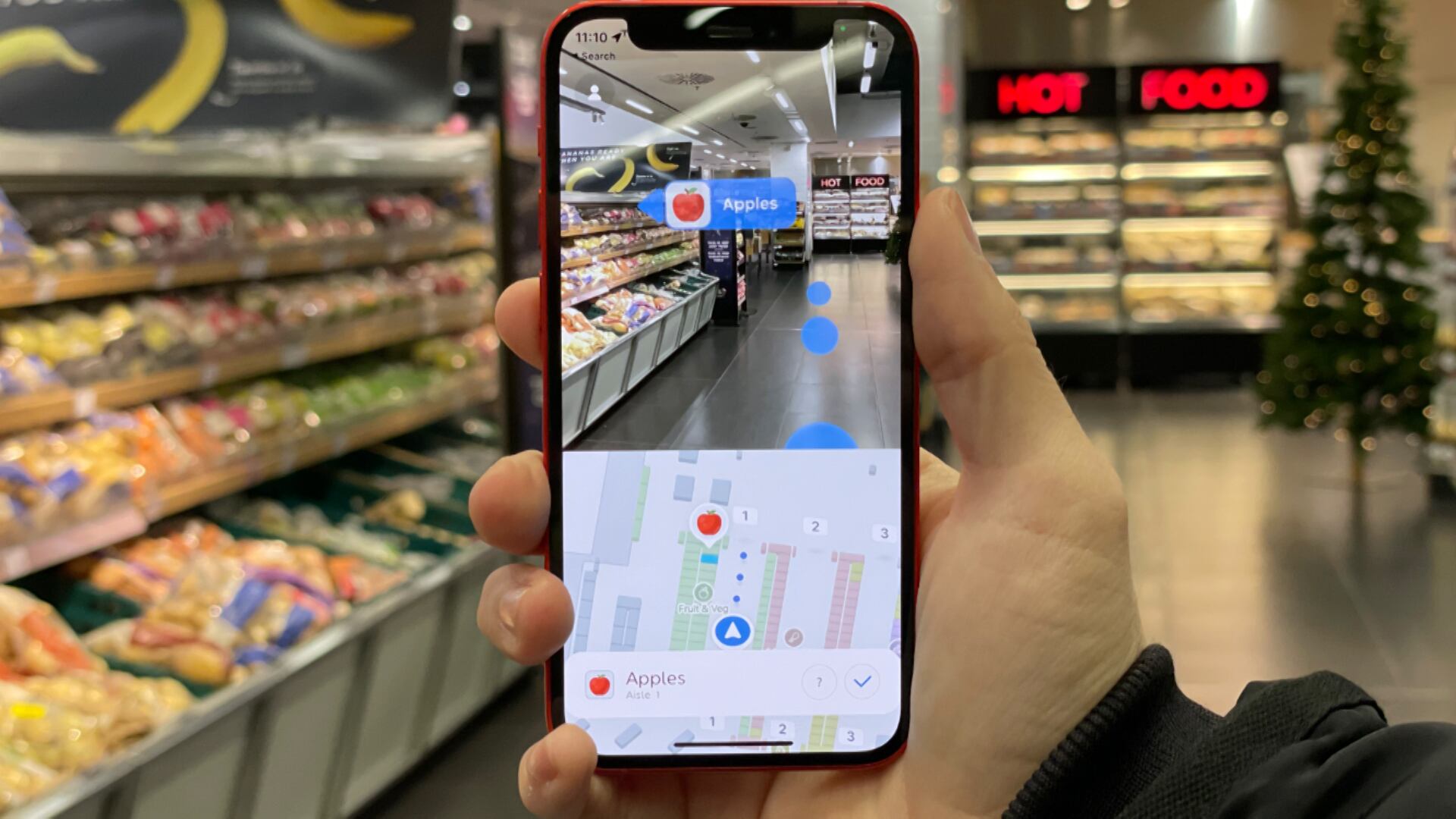
The UK-based augmented reality startup, Dent Reality, raised the equivalent of $3.4 million USD in its most recent funding round. Dent Reality has created an AR app for smartphones that helps shoppers navigate retail locations by providing a layout of a store's aisles, while showing where to find specific items. The company works mainly with grocery stores but aims to integrate its tech with all types of physical spaces. Dent Reality CEO Andrew Hart joins Cheddar News' Closing Bell to discuss.