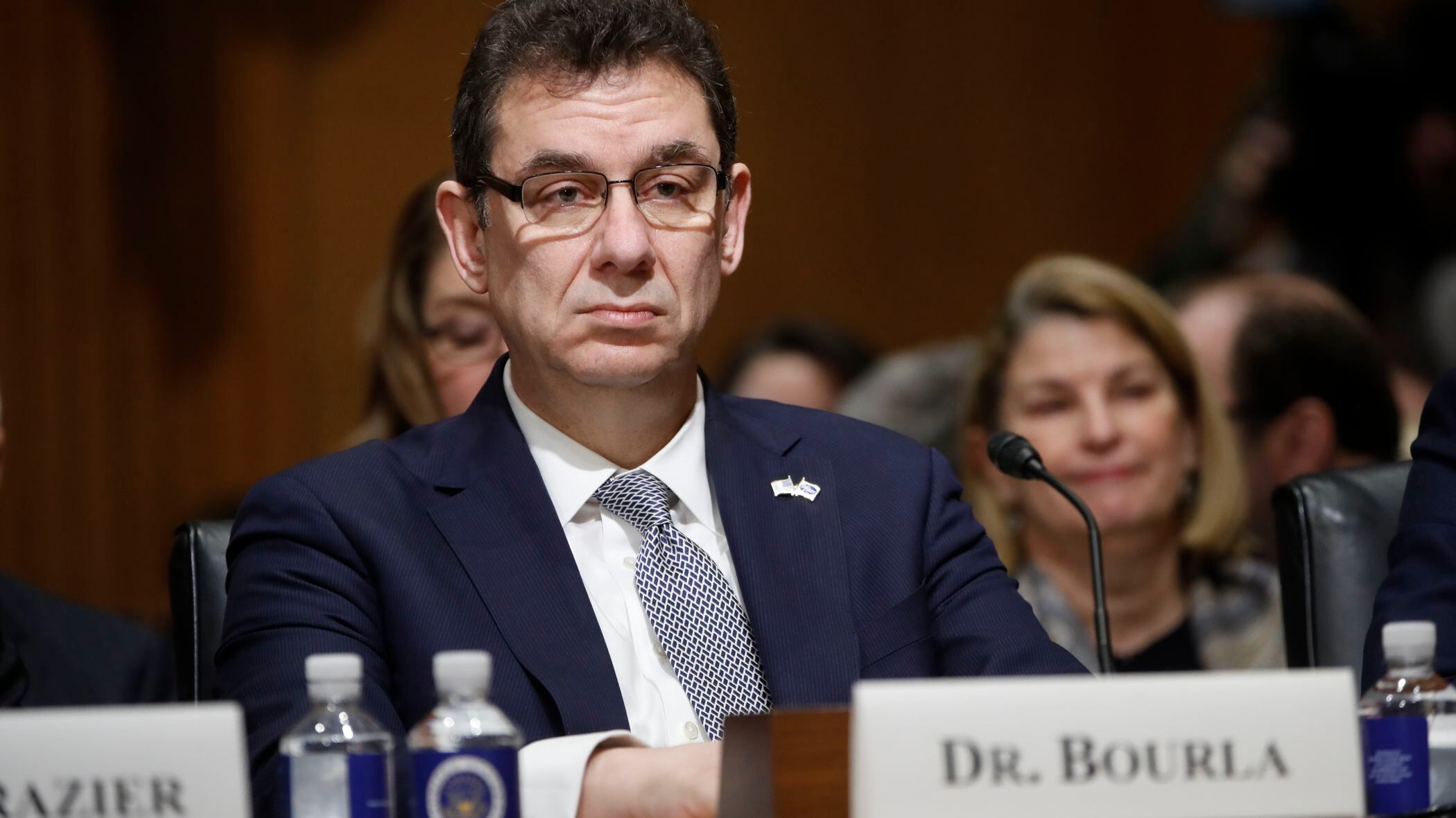
In this Feb. 26, 2019 file photo, Albert Bourla, chief executive officer of Pfizer, prepares to testify before the Senate Finance Committee hearing on drug prices, on Capitol Hill in Washington. Pfizer Inc.'s CEO says it can't seek emergency authorization of its COVID-19 vaccine before the third week of November — and that's if everything goes well. The announcement on Friday, Oct. 16, 2020, by Bourla reflects estimates from leading scientists that its unlikely data would start to emerge until November or December showing any of the leading vaccine candidates work. (AP Photo/Pablo Martinez Monsivais, File)
Pfizer Inc. cannot request emergency authorization of its COVID-19 vaccine before the third week of November -- and that’s if everything goes well, the company’s CEO announced Friday.
Despite President Donald Trump’s repeated promises of a vaccine before Election Day, scientists have been cautioning that it’s unlikely data showing a leading shot actually works would come until November or December.
Another leading U.S. contender, Moderna Inc., previously announced the earliest it could seek authorization of its own vaccine would be Nov. 25.
Pfizer CEO Albert Bourla has long said it's possible testing might reveal by the end of October if his company’s vaccine actually protects against the coronavirus. But in Friday’s announcement, he made clear that effectiveness is only part of the equation.
The vaccine also must be proven safe. And to qualify for an “emergency use authorization,” any COVID-19 vaccine must track at least half the participants in large-scale studies for two months after their second dose, the time period in which side effects are likely to appear.
Bourla estimated Pfizer's 44,000-person study will reach that milestone in the third week of November.
“We are operating at the speed of science,” he wrote in a letter posted to the company’s website.
The vaccine made by Pfizer and its German partner BioNTech is among several leading candidates in final testing.
Even if a vaccine emerges by year’s end, only limited doses will be available right away. The U.S. government is deciding who would be first in line, almost certainly health care workers, and estimates there may be enough for widespread vaccinations in the spring.
___
The Associated Press Health and Science Department receives support from the Howard Hughes Medical Institute’s Department of Science Education. The AP is solely responsible for all content.
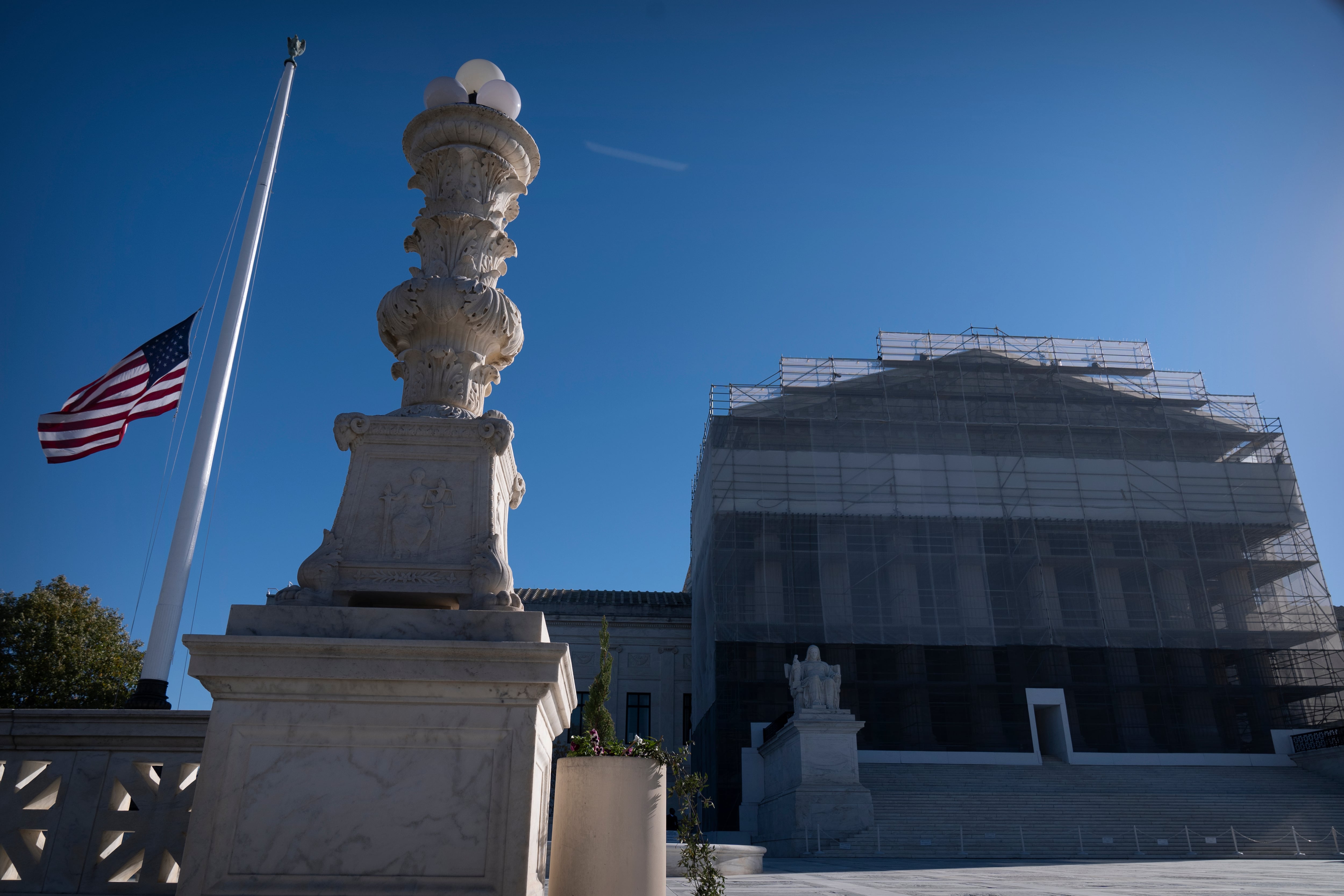
Arguments at the Supreme Court have concluded for the day as the justices consider President Donald Trump's sweeping unilateral tariffs in a trillion-dollar test of executive power.
AI is reshaping investigations. Longeye CEO Guillaume Delepine shares how their AI workspace empowers law enforcement to uncover insights faster and smarter.
Stephen Kates, Financial Analyst at Bankrate, joins to discuss the Fed’s 25-basis-point rate cut, inflation risks, and what it all means for consumers and marke
Big tech earnings take center stage as investors digest results from Alphabet, Meta, Microsoft, Amazon, and Apple, with insights from Gil Luria of D.A. Davidson
Disney content has gone dark on YouTube TV, leaving subscribers of the Google-owned live streaming platform without access to major networks like ESPN and ABC. That’s because the companies have failed to reach a new licensing deal to keep Disney channels on YouTube TV. Depending on how long it lasts, the dispute could particularly impact coverage of U.S. college football matchups over the weekend — on top of other news and entertainment disruptions that have already arrived. In the meantime, YouTube TV subscribers who want to watch Disney channels could have little choice other than turning to the company’s own platforms, which come with their own price tags.