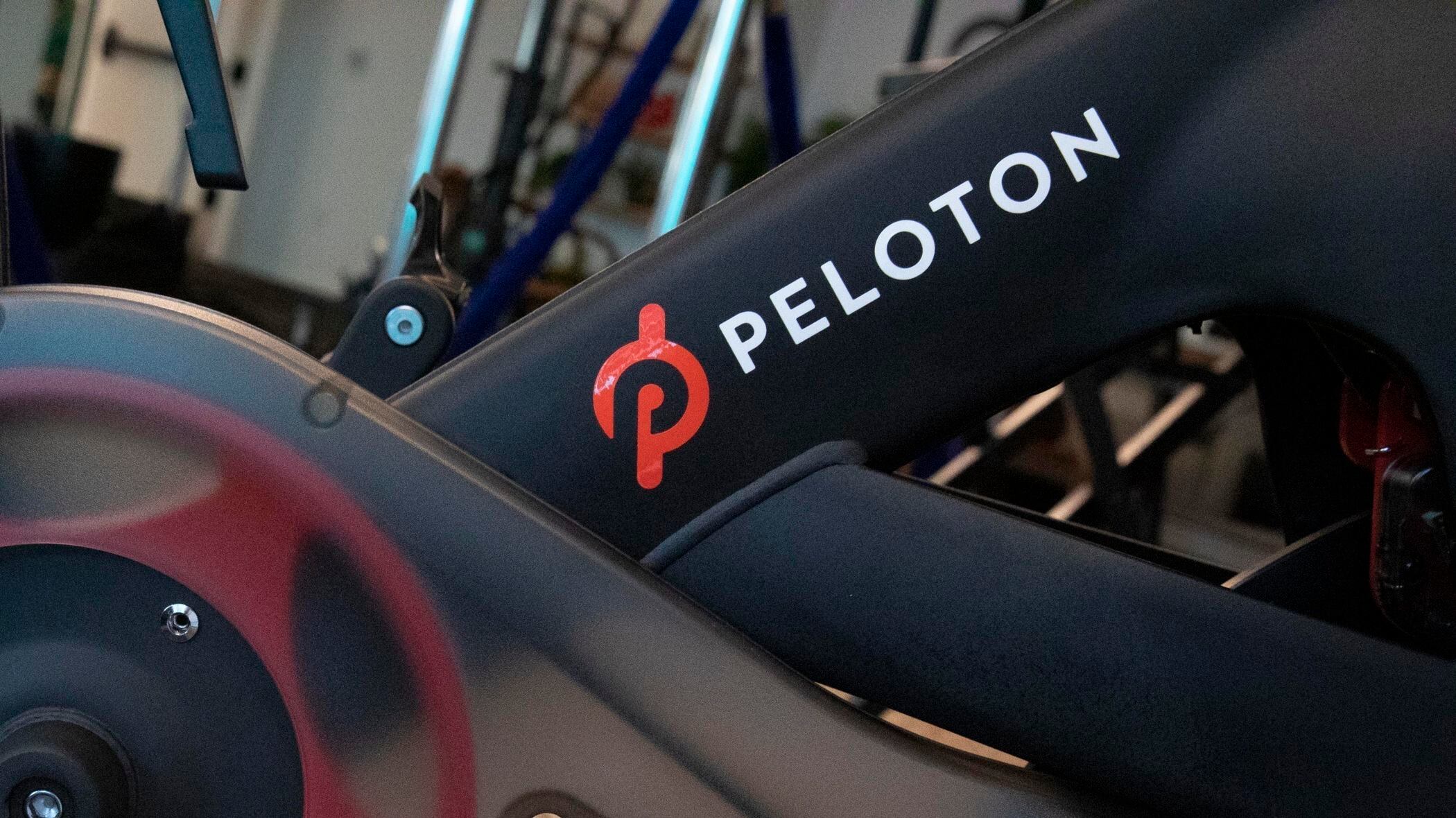
In this Sept. 26, 2019 file photo, the Peloton logo is displayed on the company's stationary bicycle in New York. Peloton plans to spend about $400 million to build its first U.S. factory in Ohio. The exercise equipment maker said Monday, May 24, 2021, that the Peloton Output Park will make the Peloton Bike, Bike+ and Peloton Tread starting in 2023. (AP Photo/Mark Lennihan, File)
Peloton plans to spend about $400 million to build its first U.S. factory in Ohio.
The exercise equipment maker said Monday that the Peloton Output Park will make the Peloton Bike, Bike+ and Peloton Tread starting in 2023. It will have more than 200 acres and more than 1 million square feet of manufacturing, office and amenities space.
Peloton Interactive Inc. said it plans to break ground on the site in Troy Township over the summer. The company anticipates adding more than 2,000 jobs in Ohio over the next few years. Positions will span corporate, manufacturing, assembly and quality assurance functions.
The New York-based company employs about 3,700 people, according to FactSet.
Peloton has faced surging demand during the pandemic. It reported that revenue in the first three months of the year more than doubled on strong subscription growth. Last December, the company spent $420 million to acquire Precor, a company whose fitness machines populate hundreds of commercial and hotel gyms. That deal gave Peloton its first manufacturing capacity in the U.S.
“While we will continue to invest in our Asian manufacturing footprint as well as our existing facilities in the U.S. via our Precor sites, the new Peloton Output Park gives us a massive strategic lever to make sure we have capacity, quality, and economies of scale in our bike and tread product lines, to support our continued growth for years and years to come," said Peloton CEO John Foley.
The plans still need final approvals from state and local officials.
Shares of Peloton fell less than 2% in afternoon trading.
As commercial options tighten, more travelers are turning to private aviation. Wheels Up CEO George Mattson breaks down capacity and demand challenges.
Layoffs, hiring slowdowns, and shifting skill demands dominate this year’s job talk. LinkedIn’s Kory Kantenga explains what workers should watch for next.
Retailers face tariffs and cost challenges this holiday season. Wells Fargo's Lauren Murphy shares insights on pricing, promotions, and shopping trends.
Dateability, founded by sisters Jacqueline and Alexa Child, is the only dating app for disabled and chronically ill communities, fostering love without limits.
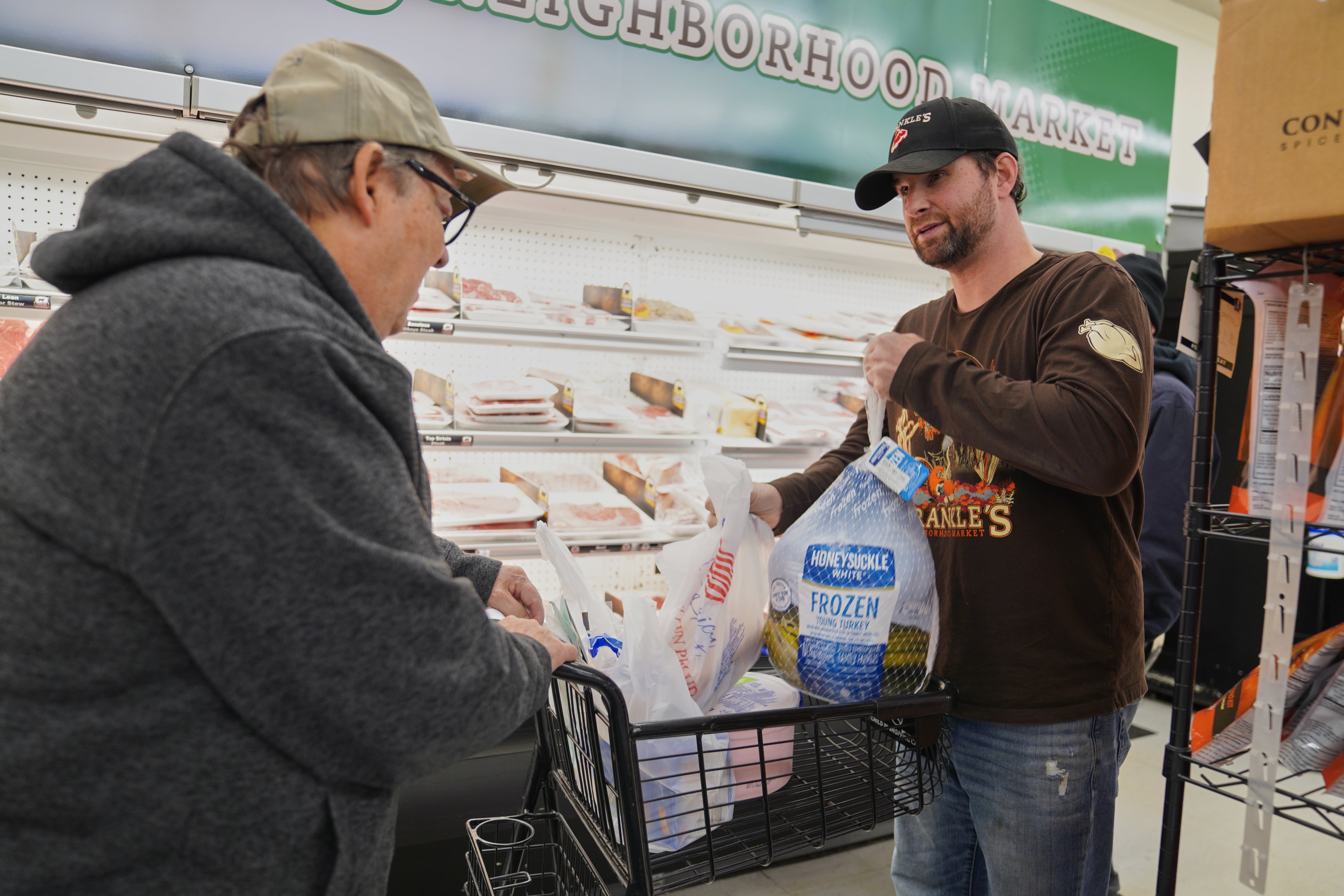
Some small grocery stores and neighborhood convenience stores are eager for the U.S. government shutdown to end and for their customers to start receiving federal food aid again. Late last month, the Trump administration froze funding for the SNAP benefits that about 42 million Americans use to buy groceries. The U.S. Department of Agriculture says about 74% of the assistance was spent last year at superstores like Walmart and supermarkets like Kroger. Around 14% went to smaller stores that are more accessible to SNAP beneficiaries. A former director of the United Nations World Food Program says SNAP is not only a social safety net for families but a local economic engine that supports neighborhood businesses.
Andy Baehr, Head of Product at CoinDesk Indices, breaks down crypto’s Black Friday crash, Bitcoin dipping under $100K, and what’s driving the market rout.