With the NFL in its offseason, New England Patriots Safety Devin McCourty says he's focused on securing generational wealth for himself and other athletes through a new venture capital mission called Broad Street Ventures. Co-founded by Malcolm Jenkins of the New Orleans Saints and Ralonda Johnson, current president of the organization, the group looks to educate athletes while helping them gain financially.
"For us, we wanted to create a vehicle that would allow Black and brown investors to learn about venture capital but also have access to some of the best deals in the tech and consumer space," Johnson told Cheddar.
McCourty said that his close friendship with Jenkins is what spawned his decision to invest with Broad Street Ventures.
"We played in an all-star game coming out of high school and we do a lot off-the-field things together, and I think from there he started to talk about a vision of having NFL players having access to a different kind of wealth," he said.
Both grew up in New Jersey before going on to their collegiate and professional careers.
For NFL players, unlike in some other sports like the NBA and Major League Baseball, contracts are not guaranteed, the average length of a career is significantly fewer years, and as a result, players often have to find other means to secure finances for their futures. McCourty said that Broad Street Ventures allows all athletes to learn about venture capital investing.
Ralonda Johnson added that the group provides information sessions where potential investors can not only learn the ropes but also about emerging technologies.
"Not everyone [who] attends may invest or not, but just so that they at least have an understanding of tech investing. We'll go over from seed through late stage, just as much information that we can give them," she said.
For McCourty, Broad Street Ventures presents an opportunity for professional athletes to change the perception that the general public may have of them. He said with this opportunity, sports figures aren't limited to just making plays on the field. They can invest and lift up areas and industries that they are passionate about, offering fans a closer look at the human and not just the athlete.
Despite headwinds from COVID-19, Omni Hotels and Resorts has been able to stay on track, with many new properties in the works. The hotel and resorts chain has also seen a 50% uptick in revenue across all of its locations compared to its levels in 2019. Peter Strebel, President & CEO of Omni Hotels & Resorts, joined Cheddar to talk about how Omni was able to emerge from the pandemic stronger than ever, and give insight into the expected summer travel surge.
Keri Miller, HOA Treasurer at Mallard Creek, and Mike Hunter, Attorney at Offit Kurman, discuss how residents feel about the rise in corporate rentals and what is being done to curtail the short-term rentals trend.
Rick Tumlinson, Founding Partner of SpaceFund, discusses the industries driving the space economy and what should investors look for when investing in space companies.
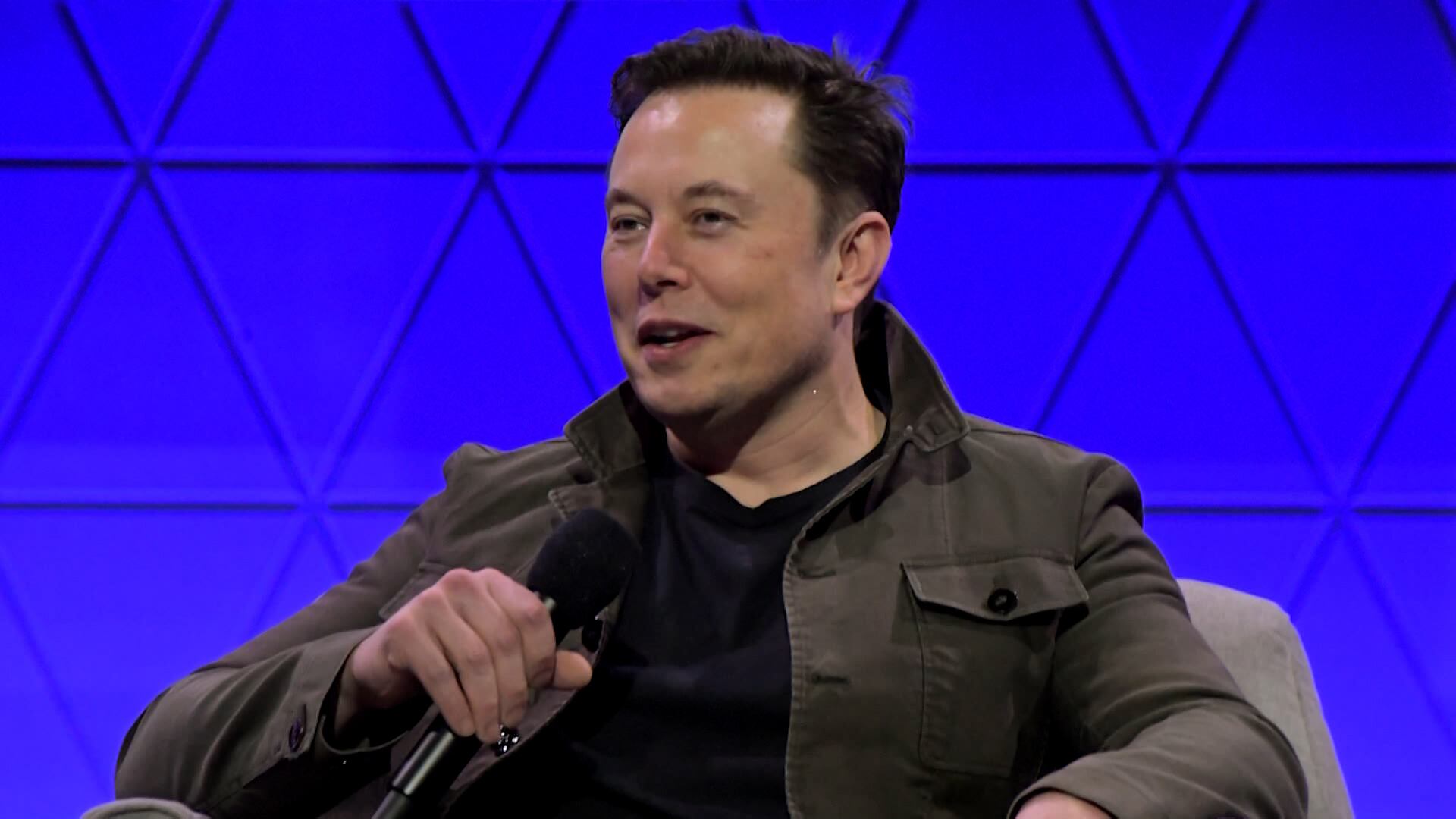
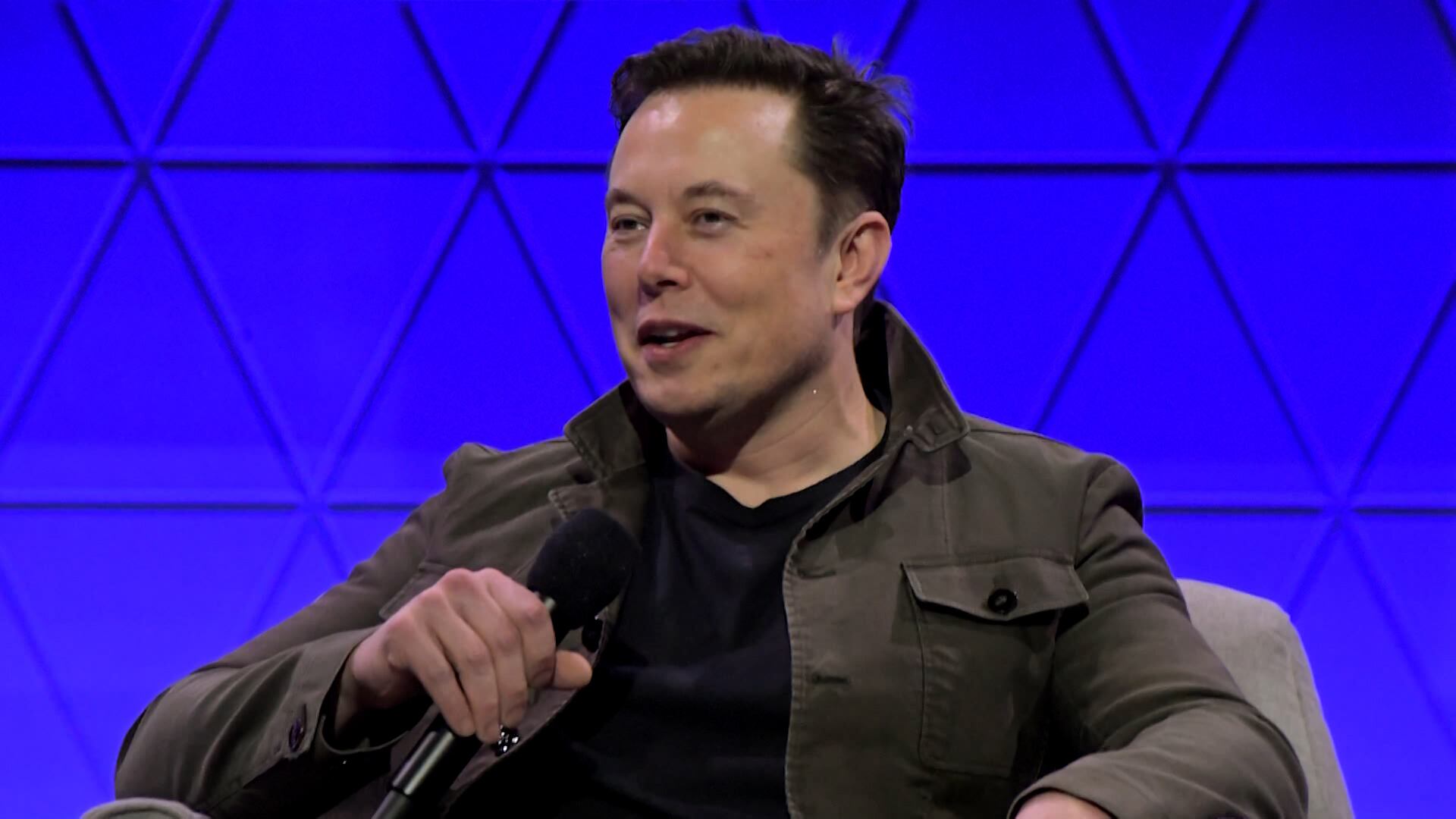
Elon Musk is set to join Twitter's board of directors. This comes shortly after the Tesla CEO purchased a 9.2% stake in Twitter, sending shares surging as much as 27% and making him the largest shareholder in the social media company. Angelo Zino, Senior Industry Analyst at CFRA Research, joined Cheddar's Opening Bell to gives his take on the social media saga.
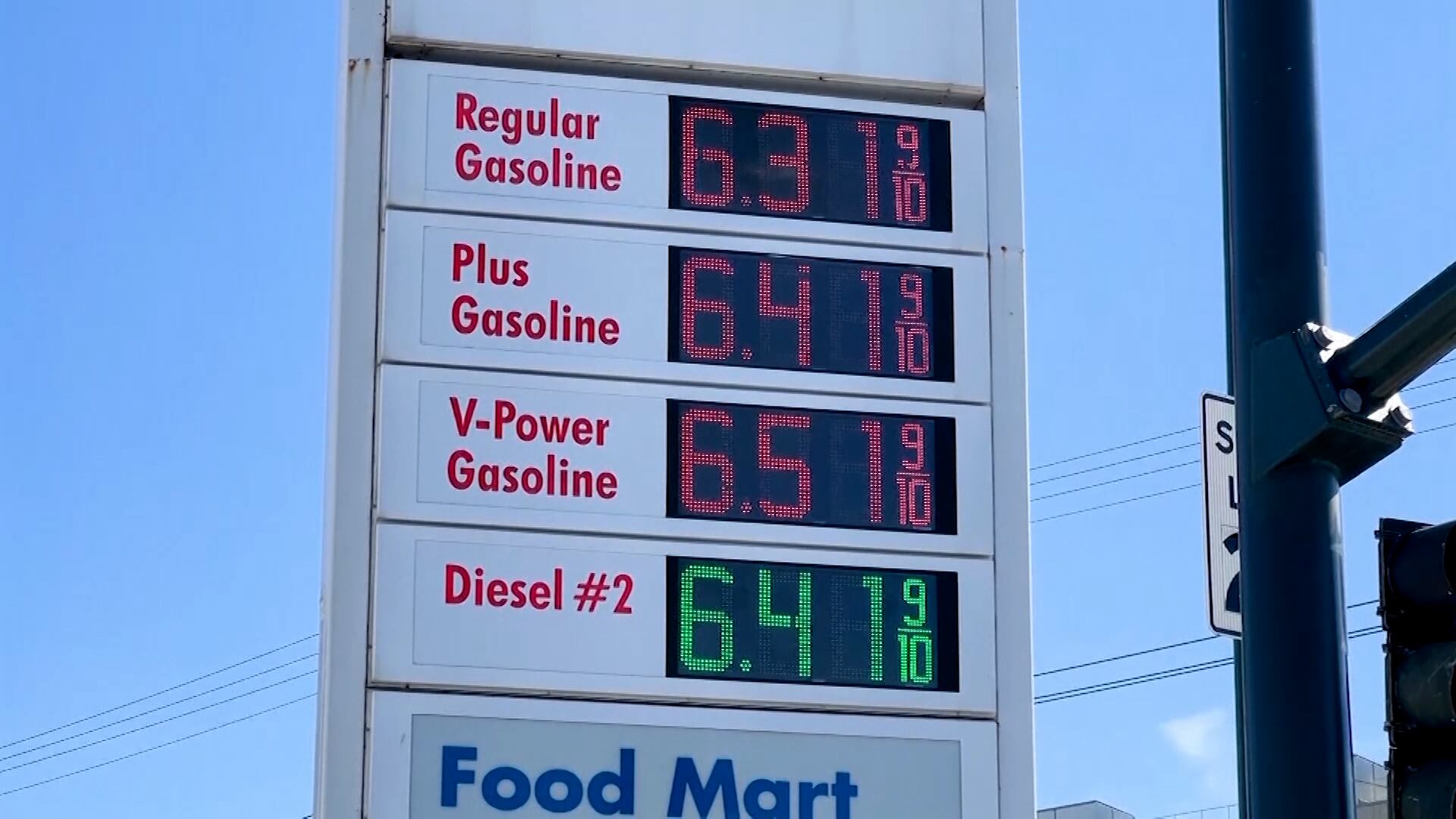
President Biden has announced a historic release of oil from the U.S. reserves in an attempt to cut down surging gas prices across the country. The administration will release 1 million barrels of oil per day for the next six months, marking the largest withdrawal in the nearly 50-year history of the country's emergency supply of oil. Patrick DeHaan, Head of Petroleum Analysis at GasBuddy, breaks down why the Biden administration is making this unprecedented move, and what impact it could have on prices at the pump.
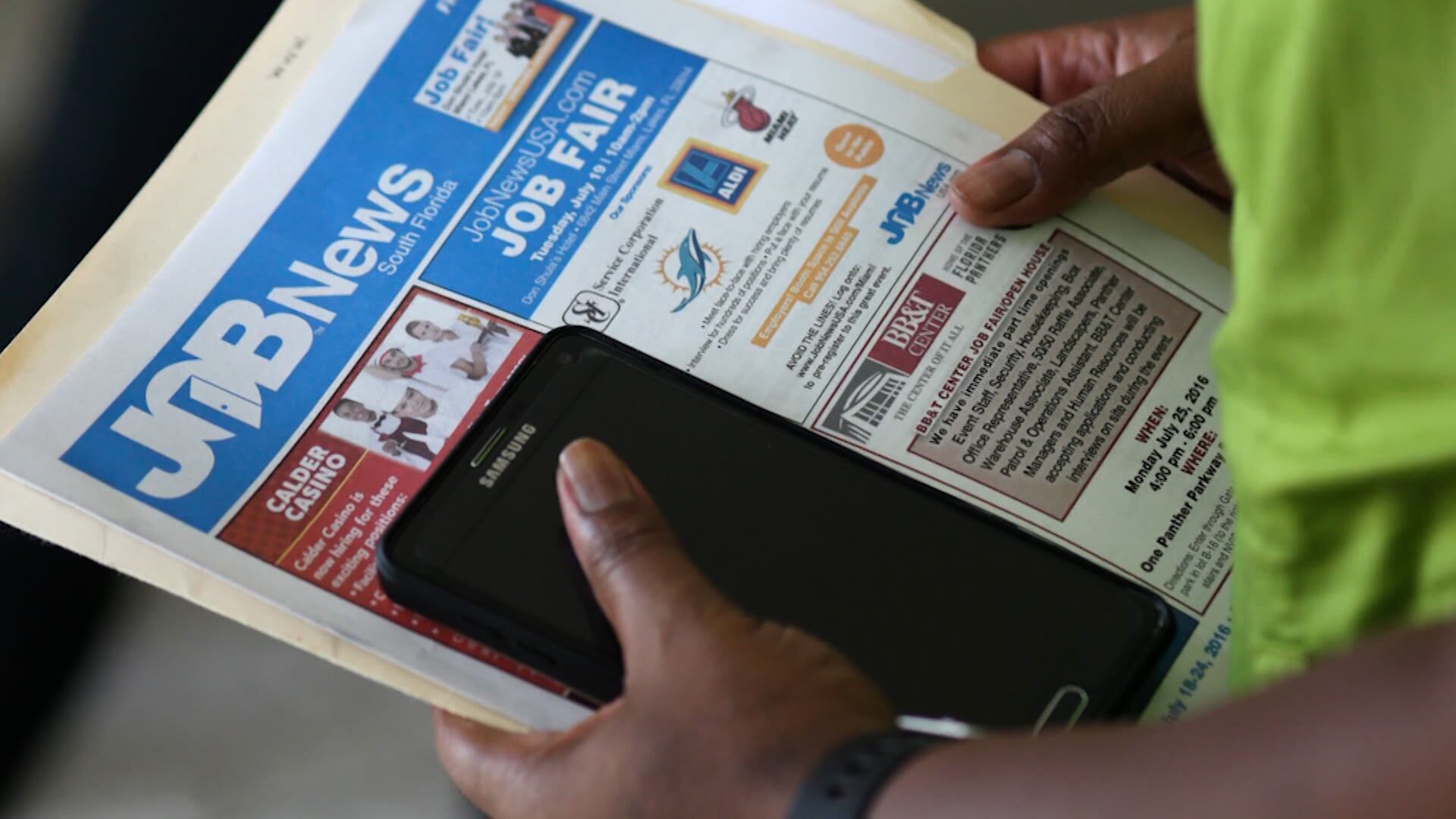
Rhea Thomas, Senior Economist at Wilmington Trust, breaks down the highlights from the latest jobs report and discusses how inflation could impact economic growth.
American gas stations are massive and only getting bigger. That's because most chains like Wawa, Sheetz, and Buc-ee's sell way more than just gas. So when and why did gas stations change from single-pump service garages to supersized, all-in-one travel hubs?