One Government Worker's Furlough Struggle: 'We Don't Know When It's Going to End'
*By Justin Chermol*
As the partial government shutdown spans its 18th day, furloughed federal workers like Sam Shirazi who have been placed on unpaid leave are struggling with both an immediate financial reality and a more amorphous sense of uncertainty.
"We don't know when it's going to end, and it doesn't seem like it's going to end anytime soon," Shirazi told Cheddar's J.D. Durkin on Tuesday. "That's creating frustration for everyone who works for the federal government."
About 420,000 federal employees deemed essential are working without pay while another 380,000 have been furloughed.
Beyond his paycheck, Shirazi's most pressing priority is to care for his daughter ー whose daily routine has been derailed by the shutdown. Her daycare is located in a federal building that has been temporarily shuttered, which presents a major challenge for Shirazi, who must keep her engaged and occupied all day.
"It's difficult because the Smithsonian is closed, the National Zoo is closed," he said of the federally-funded sources of amusement on which he might typically rely. "We have to figure out ways to keep her entertained."
"With small children you need a normal routine or otherwise things go a little haywire, so we're just trying to do our best," he added.
Although some of his peers are considering a shift to the private sector, Shirazi said he values his job with the federal government, but he is "concerned this will affect retention, and also hiring."
"I think people don't want to go into a situation that's so uncertain," he said.
Above all Shirazi said he simply wants to resume his life as a public servant without interruption.
"We want to work, we believe in public service, and we hope that this ends sooner rather than later so we can get back to work. I just hope that our leaders are able to resolve this."
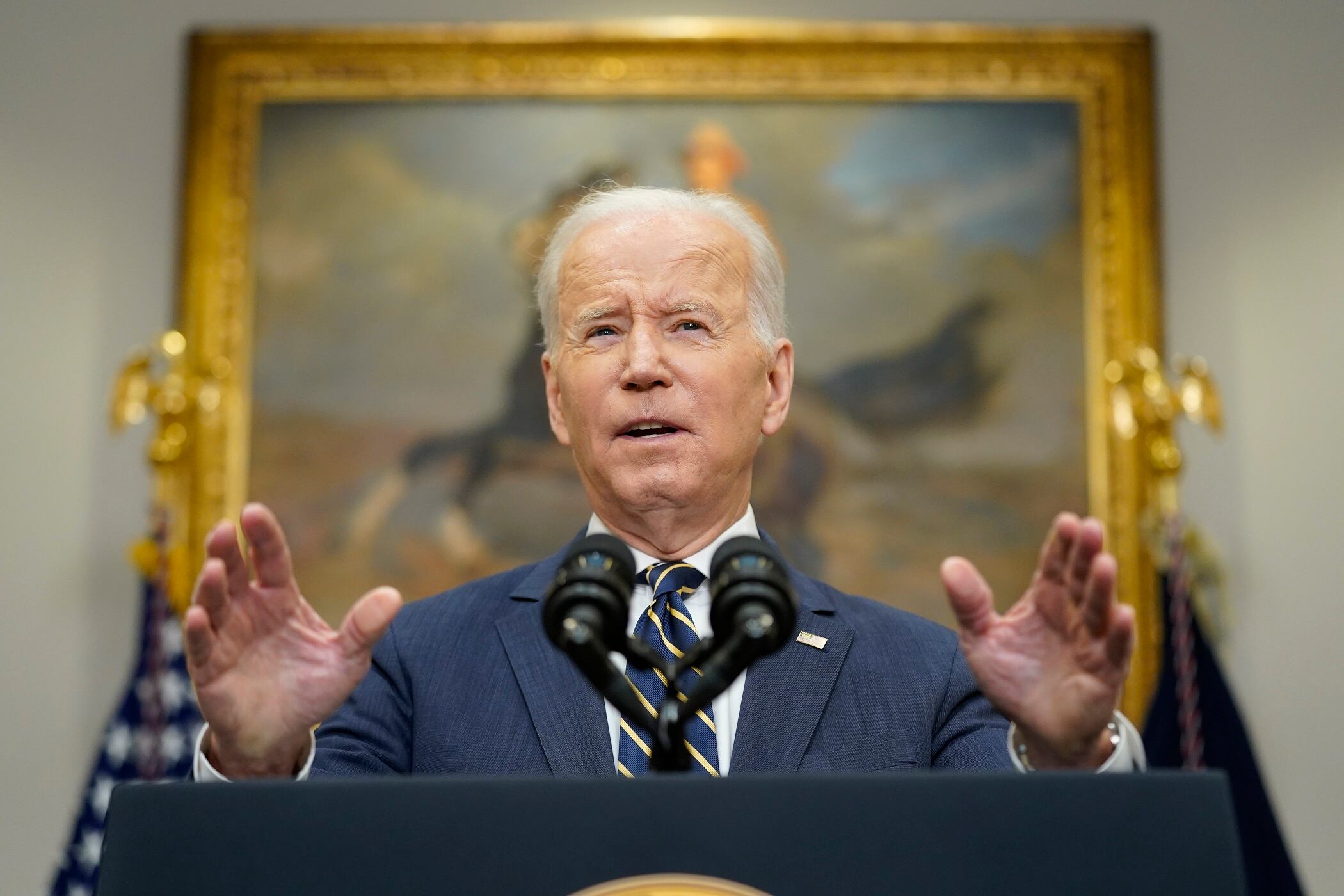
President Joe Biden announced Friday that along with the European Union and the Group of Seven countries, the U.S. will revoke “most favored nation” trade status for Russia over its invasion of Ukraine.
The consumer price index jumped 7.9 percent in February, marking a 40-year high for inflation in the U.S. This report comes less than a week ahead of the Fed's all important meeting. Kayla Bruun, Economic Analyst, Morning Consult, joined Cheddar's Opening Bell to discuss.
Markets opened lower amid hotter-than-expected inflation data, which surged to its highest level in nearly 40 years. Lisa Erickson, Senior Vice President and Co-Head, Public Markets Group, U.S. Bank joined Cheddar's Opening Bell to discuss the significance of this figure ahead of the Federal Reserve's FOMC meeting.
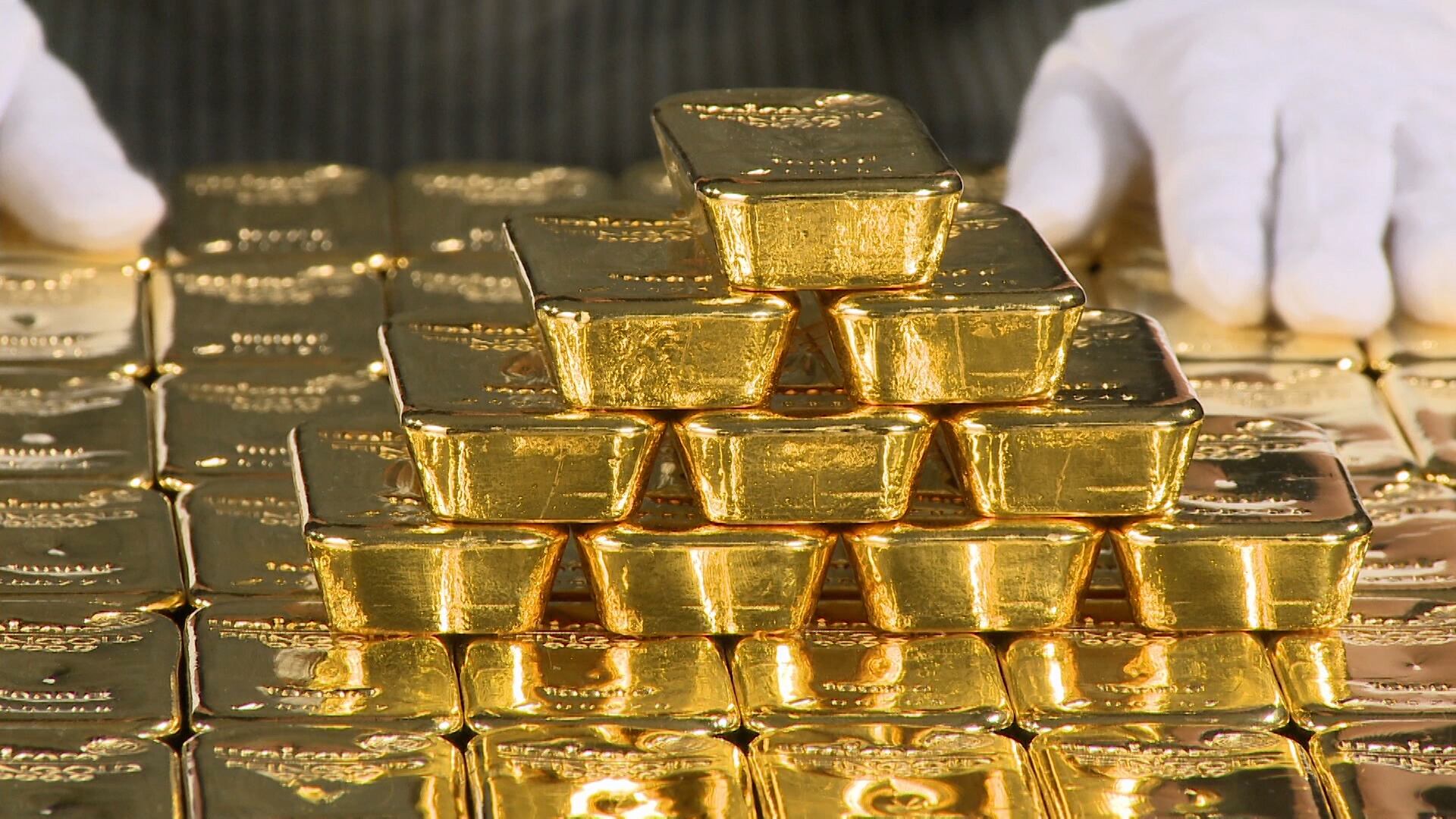
As the Russia-Ukraine war disrupts the global economy, sending markets on a roller coaster ride, gold remains hovering around $2,000 an ounce. Often seen as a safe haven in times of economic crisis, Jason Cozens, founder and CEO of gold-as-currency platform Glint Pay, joined Cheddar’s Opening Bell to discuss the latest gold rush, how the war is impacting prices, and how people can use Glint to trade in the precious metal. “You know the stock markets and cryptocurrencies are risky investments," he stated. "Whereas gold is just reliable money. It's no one else's liability if you own."
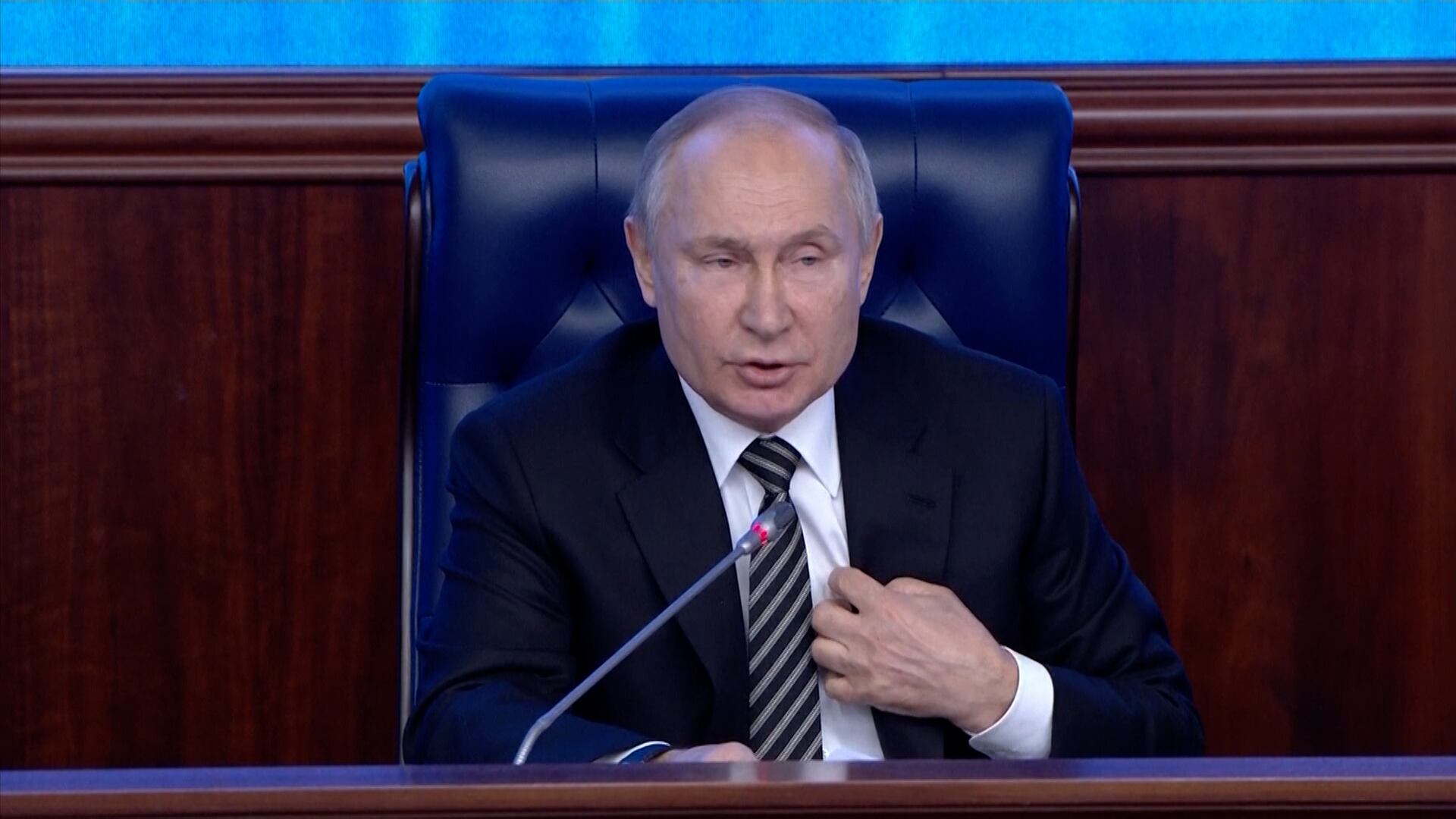
As Western sanctions weigh on Russia's economy, the country is at the risk of defaulting on its debt. Fitch ratings agency has downgraded Russia's debt for the second time in a week, warning a "sovereign default is imminent." Jesse Wheeler, Economic Analyst at Morning Consult, explains what that means, and how it could have ripple effects across the global economy.
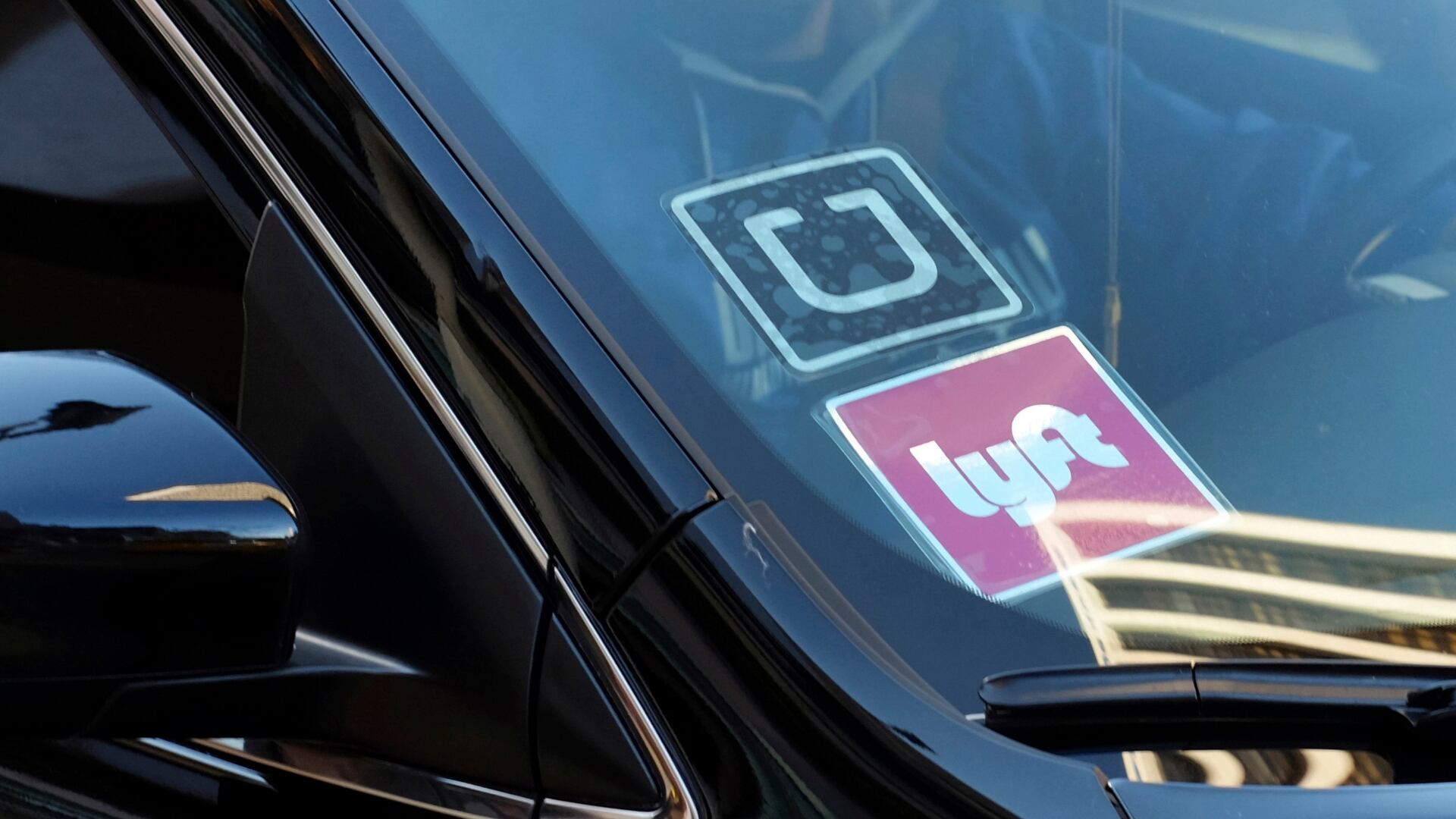
Uber Lyft and Doordash are all set to spend $1 million dollars on a campaign and efforts to stop lawmakers from classifying their gig workers as employees. The campaign features TV and online ads highlighting Washington area workers who say they prefer the flexibility of being an independent contractor rather than following the model of a company employee. Professor at NYU. Stern School of Business and author of the sharing economy, Arun Sundararajan, joined Cheddar to discuss more.
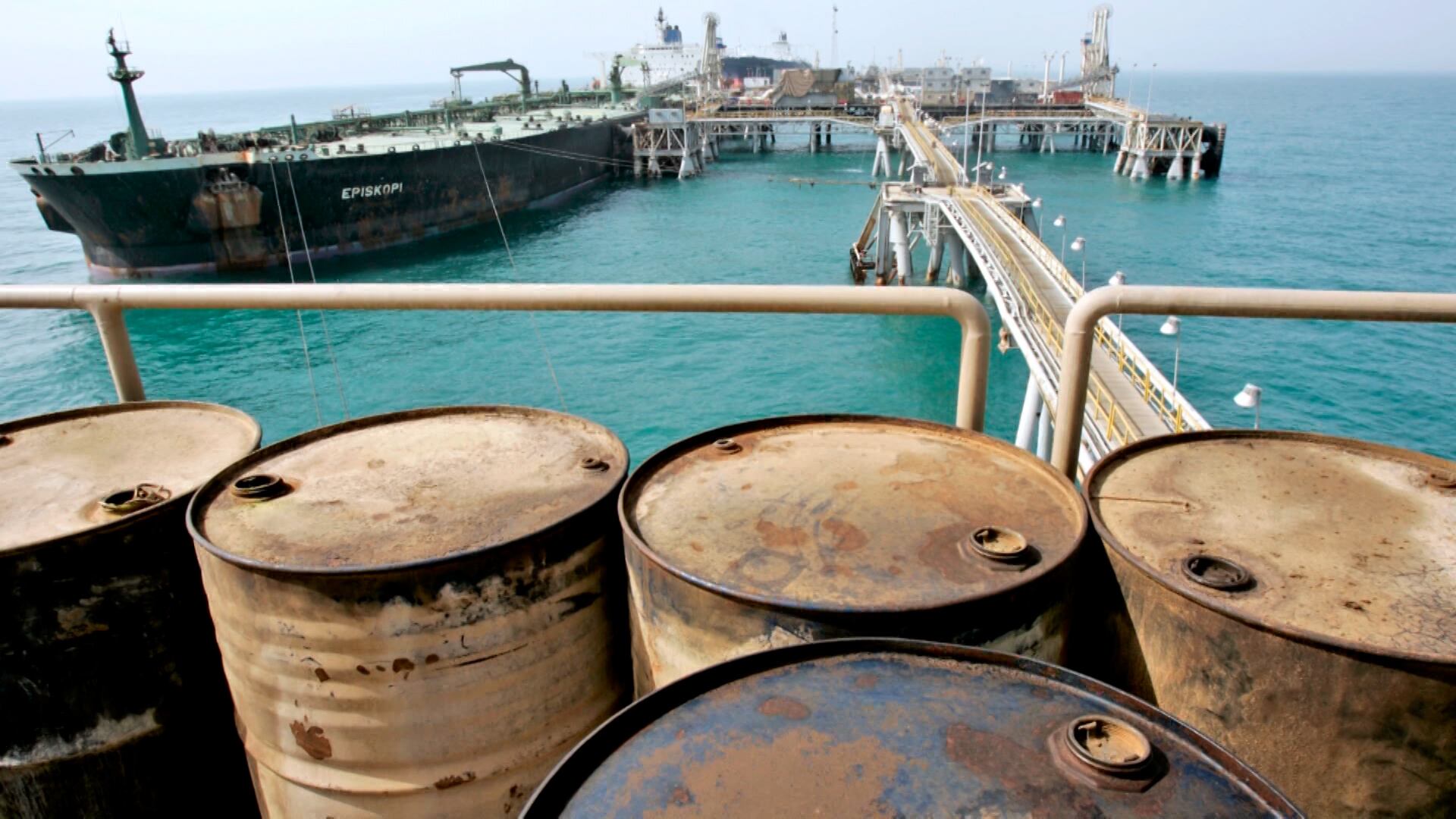
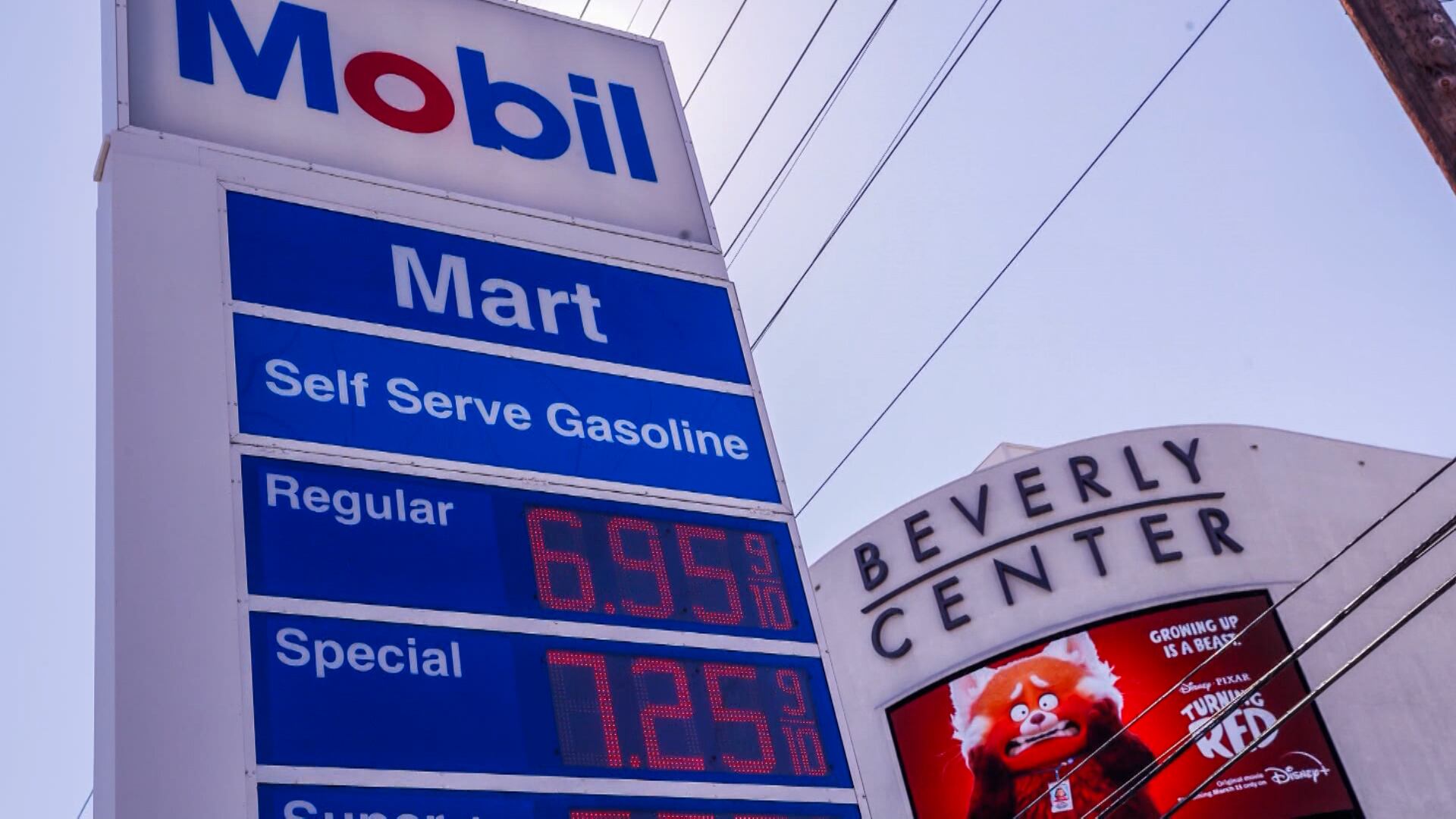
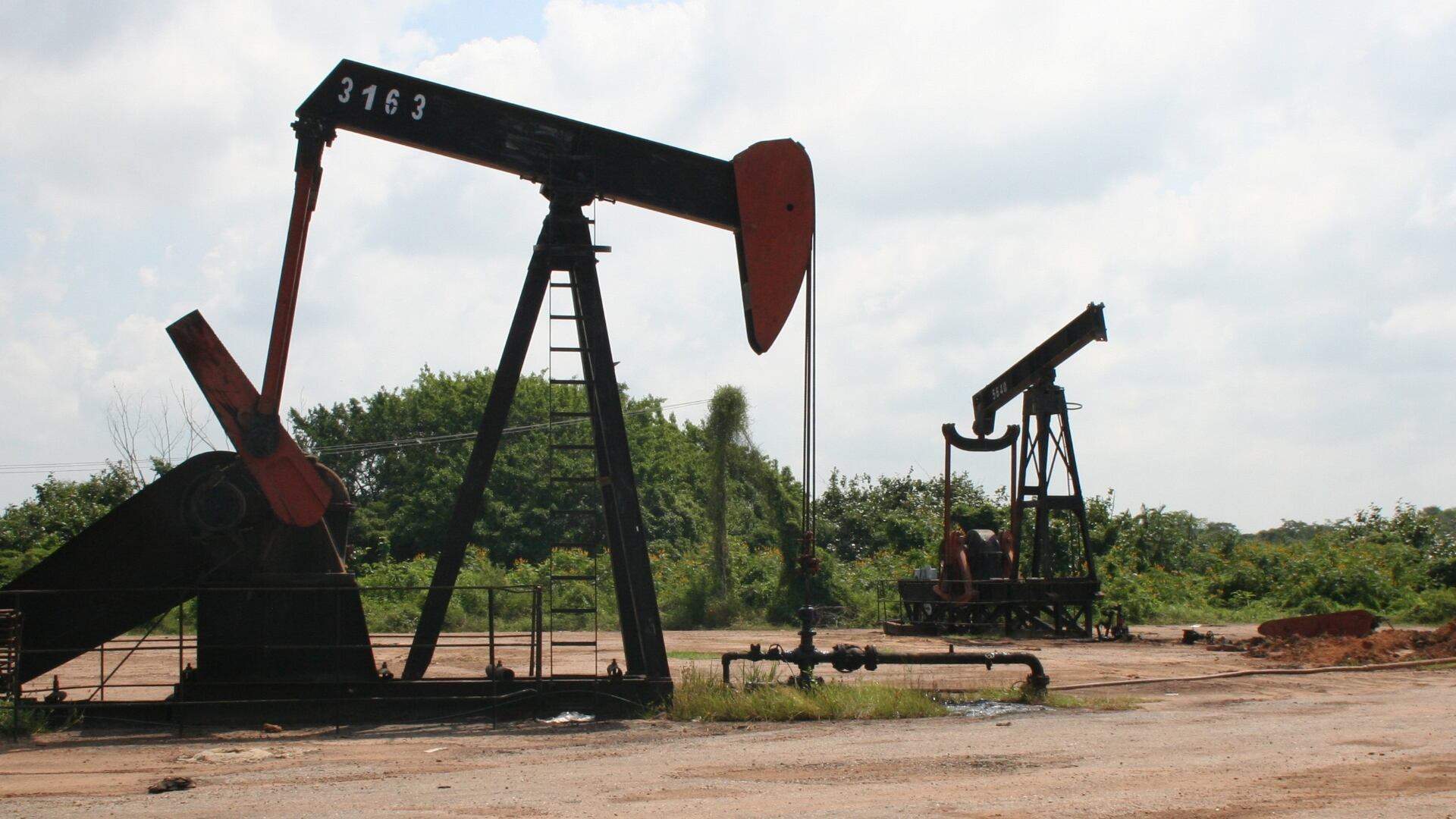
President Biden is looking at unlikely partners to buy oil, after banning all Russian energy imports. Among them is Venezuela, a regime that has been sanctioned by the U.S. since 2019. Ariel Cohen of the Atlantic Council explains to Cheddar News why that might not be a bad choice.