One Government Worker's Furlough Struggle: 'We Don't Know When It's Going to End'
*By Justin Chermol*
As the partial government shutdown spans its 18th day, furloughed federal workers like Sam Shirazi who have been placed on unpaid leave are struggling with both an immediate financial reality and a more amorphous sense of uncertainty.
"We don't know when it's going to end, and it doesn't seem like it's going to end anytime soon," Shirazi told Cheddar's J.D. Durkin on Tuesday. "That's creating frustration for everyone who works for the federal government."
About 420,000 federal employees deemed essential are working without pay while another 380,000 have been furloughed.
Beyond his paycheck, Shirazi's most pressing priority is to care for his daughter ー whose daily routine has been derailed by the shutdown. Her daycare is located in a federal building that has been temporarily shuttered, which presents a major challenge for Shirazi, who must keep her engaged and occupied all day.
"It's difficult because the Smithsonian is closed, the National Zoo is closed," he said of the federally-funded sources of amusement on which he might typically rely. "We have to figure out ways to keep her entertained."
"With small children you need a normal routine or otherwise things go a little haywire, so we're just trying to do our best," he added.
Although some of his peers are considering a shift to the private sector, Shirazi said he values his job with the federal government, but he is "concerned this will affect retention, and also hiring."
"I think people don't want to go into a situation that's so uncertain," he said.
Above all Shirazi said he simply wants to resume his life as a public servant without interruption.
"We want to work, we believe in public service, and we hope that this ends sooner rather than later so we can get back to work. I just hope that our leaders are able to resolve this."
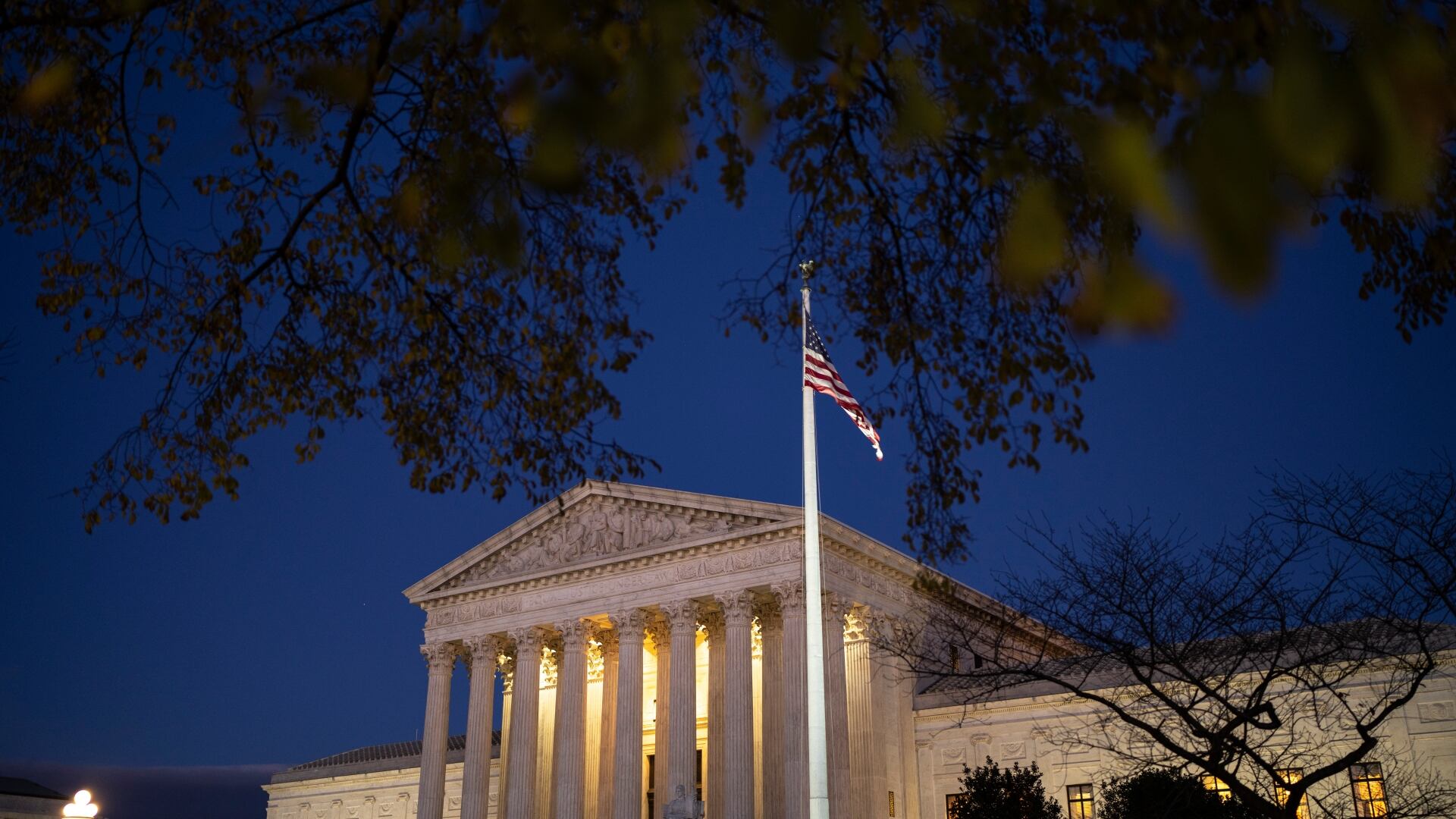
The Supreme Court appeared prepared Wednesday to uphold a Mississippi law that would ban almost all abortions after 15 weeks of pregnancy. The ruling is far from over, with Roe V. Wade at risk. Susan Rinkunas, senior reporter at Jezebel, joins Cheddar News to share the developments of the hearing.
The nine justices heard arguments Wednesday, around a Mississippi abortion law that bans the procedure after 15 weeks and appeared to lean toward upholding the law, while leaving uncertainty about the landmark precedent, Roe v. Wade. Kristin Ford, vice president of communications and research at NARAL Pro-Choice America joins Cheddar News to discuss.
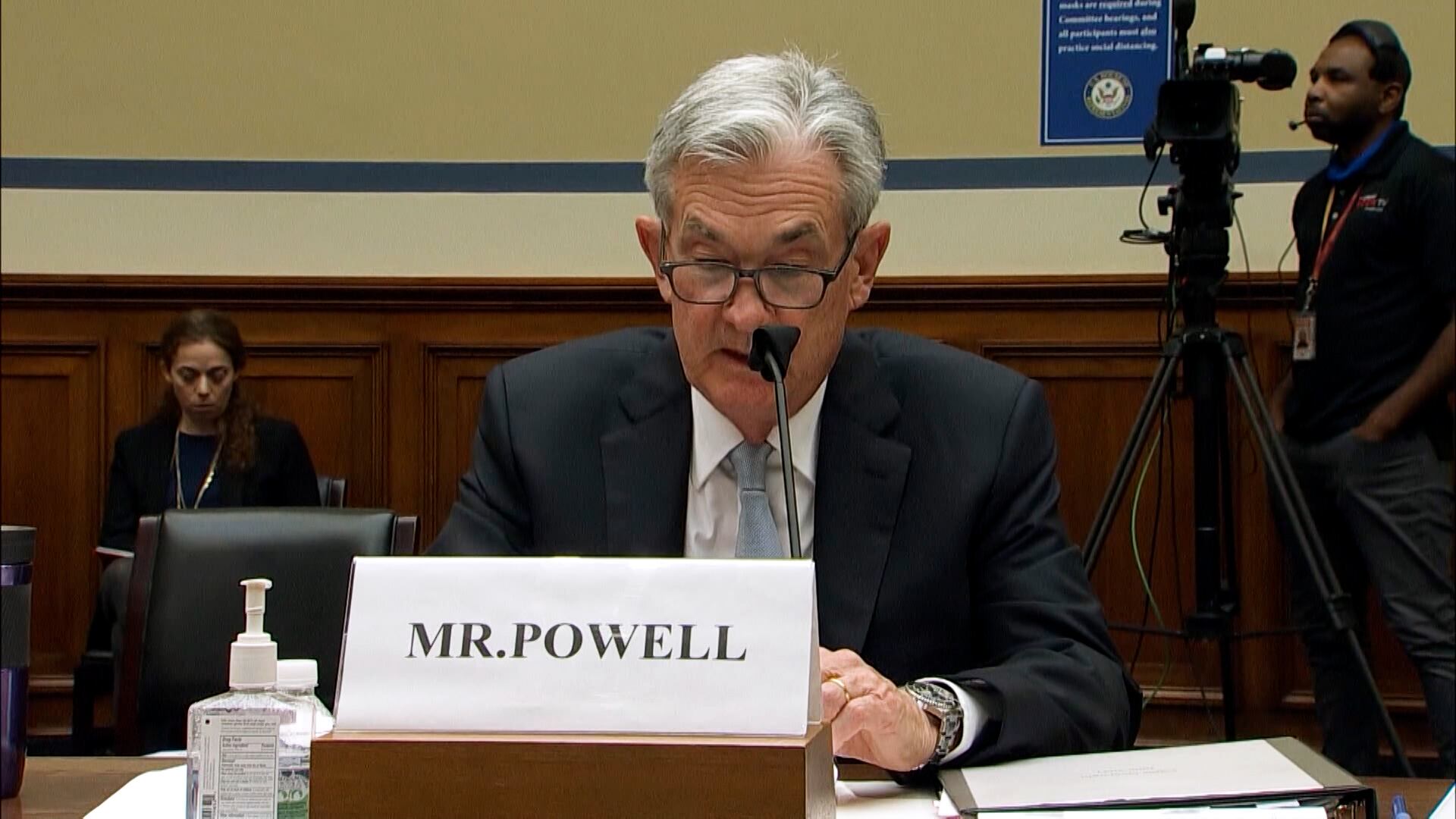
Just about a week after being re-nominated, Federal Reserve Chair Jermone Powell is changing his tune. After nearly a year of referring to inflation as 'transitory,' Powell said he will retire the 'T' word as inflation remains elevated. Christopher Russo, Post-Graduate Research Fellow, Mercatus Center joined Cheddar's Opening Bell to discuss.
Airbnb has come under fire after an Axios report found that the rental company has properties available in China's Xinjiang region where the nation has been accused of committing genocide against Uyghur Muslims, demolishing their homes, and replacing them with tourist attractions.
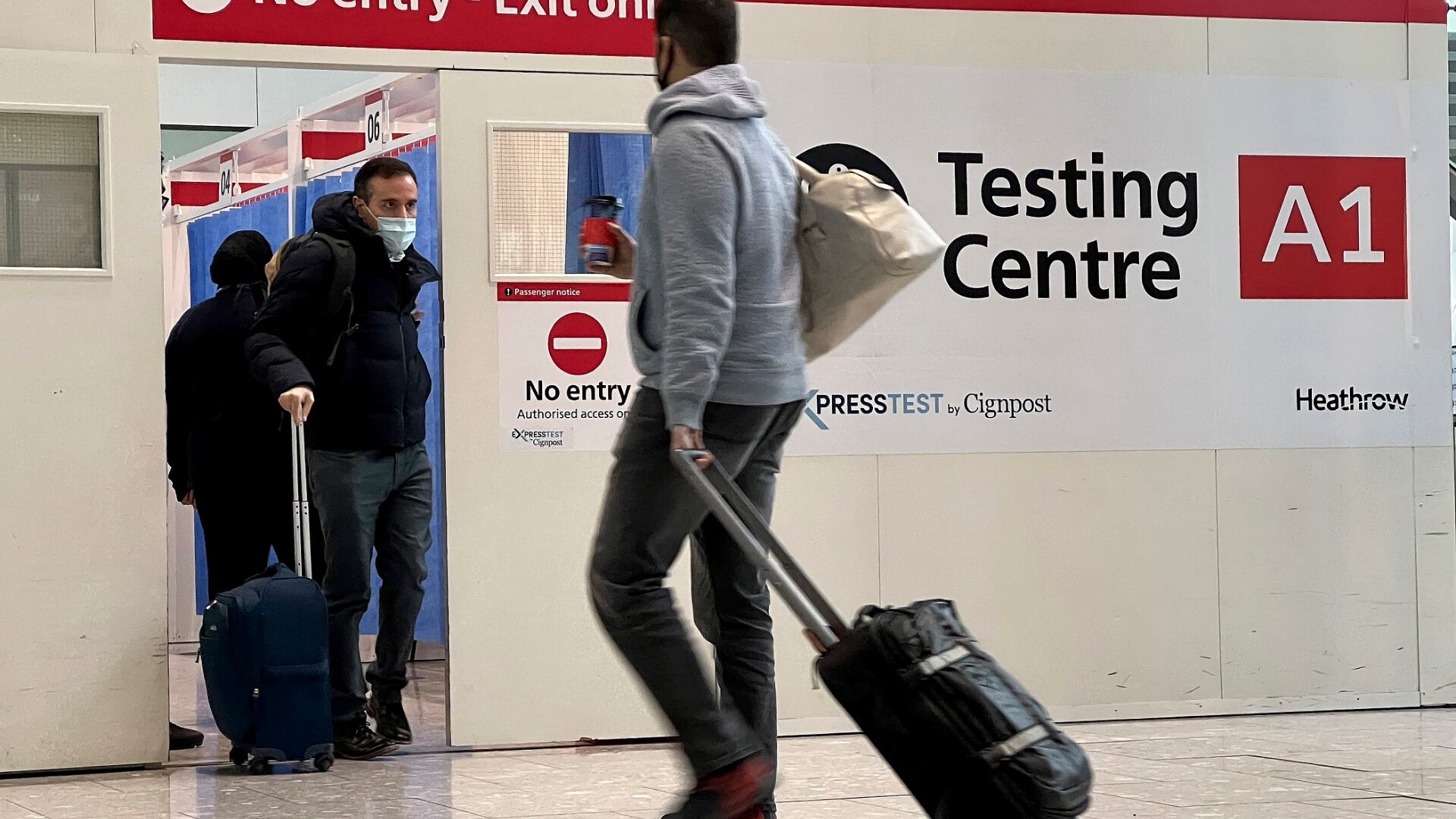
With the emergence of the omicron variant, the U.S. is considering tightening international travel guidelines. The CDC said it might reduce the window for foreign travelers to submit a negative COVID-19 test from three days prior to one day before allowing entry.
Jill and Carlo cover the latest on Omicron, another school shooting in America and more. Plus, bidding farewell to 'transitory' inflation, and the controversy surrounding 'Lovely Bones' author Alice Sebold.
Disparities in tree coverage across America is a huge issue that affects air quality, heat exposure, and ultimately determines how resilient communities are against climate change. The Build Back Better Act is allocating $2.5 billion to boost 'tree equity.' Lemir Teron, assistant professor at SUNY College of Environmental Science and Forestry, joins Cheddar News to explain why this is a priority for Democrats today.