After President Trump authorized a military strike killing a top Iranian military commander, the escalating conflict sent stocks down around the world, and oil and gold prices up on the first Monday of the new year.
Brent oil prices, the international benchmark, hit the $70 mark for the first time in three months and the price of West Texas Intermediate, the American oil benchmark, reached more than $63 a barrel after the Pentagon's announcement confirming an airstrike at Baghdad's airport. Crude oil last hit the $70 mark in September after drones suspected to have been launched by Iran struck Saudi Arabian oil plants. Saudi Arabia, Iran, and Iraq account for almost half of the world's oil reserves.
Prices are up amid a growing list of concerns after the killing of Gen. Qassem Soleimani: Iran may close the Strait of Hormuz, has already threatened retaliation, and said it will no longer abide by the 2015 nuclear deal the U.S. withdrew from two years ago, and Iraq voted to expel U.S. troops. The State Department warned of a "heightened risk" of a missile attack near U.S. bases.
It is unclear how Iran will respond to Trump's unilateral move. Oanda's Jeffrey Halley noted that "a big fat dollop of geopolitical uncertainty has landed on investors desks" in a report.
But J. Jay Park, CEO of ReconAfrica, said the geopolitical uneasiness isn't, alone, enough to continue driving oil prices up. He said what may continue to drive up prices is a change in supply. Park said supply, demand, OPEC decisions and compliance, geopolitics, and public sentiment about those four items affect oil prices. Uncertainty in Iran, coupled with a change in supply or demand may change the game. Iran may choose to close the Strait of Hormuz, a move Britain has forestalled by sending the Royal Navy to help ships pass through the Strait, through which 21 percent of 2018's global petroleum liquids consumption flowed.
"If that were to happen, the sky's the limit, over $100 easily," Park told Cheddar on Monday.
With the region on edge, stocks fell in Japan, Hong Kong, South Korea, and across European markets.
In the meantime, Park said the current crisis may not drive up oil prices further.
"In the recent past we've seen a number of conflicts, for example the suspected Iranian attack on Abqaiq in Saudia Arabia, that kind of underwhelmed in terms of the extent to which these changes affected the overall price and how long that effect lasted," he said.
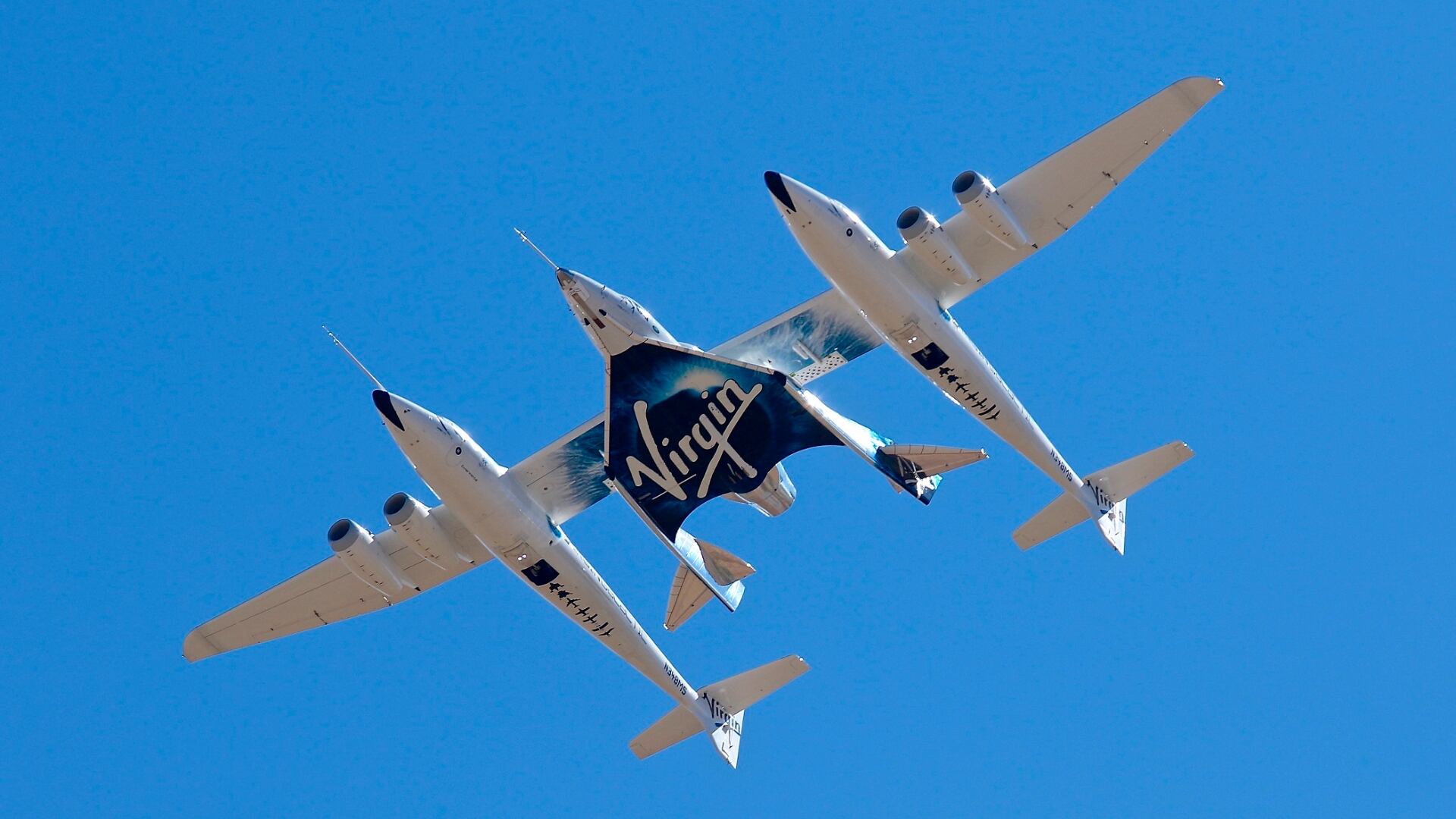
Virgin Galactic is reporting an increase in demand for commercial space flights after seeing a boost in ticket sales, raising the price for a seat on a shuttle to $450,000. The company said they now have 700 customers.
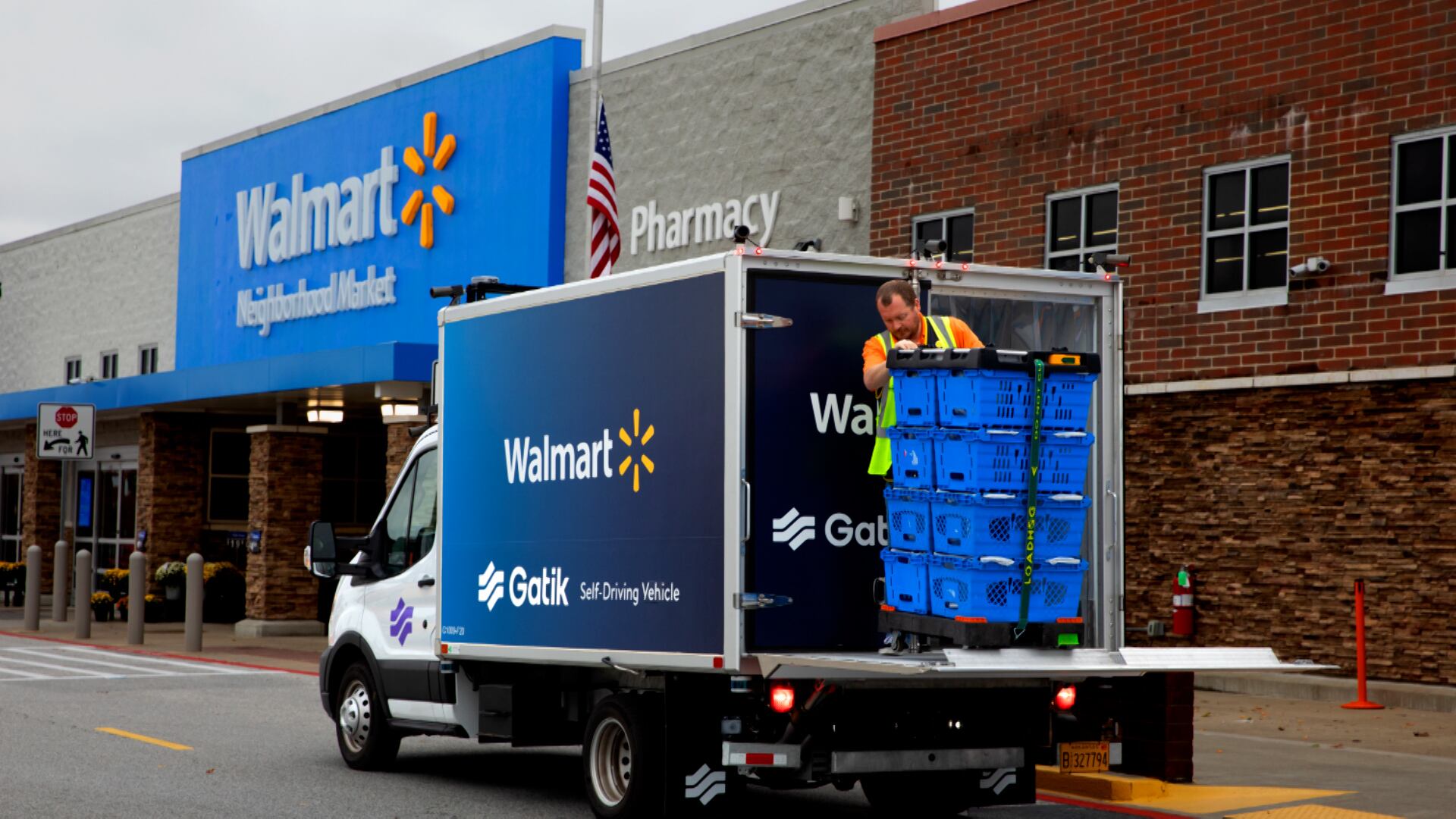
Walmart has joined forces with robotruck start-up Gatik to deploy driverless grocery delivery. We spoke to the CEO and co-founder of Gatik to discuss how the technology works and how autonomous vehicles will help ease supply chain issues.
At least 7 million customers have been impacted by a data breach on the investing app Robinhood. The specific information that was leaked varied by each customer, but Robinhood stated that hackers did not access social security numbers or banking information.
Paulina Likos, Investing Reporter at US News & World report, joined Wake Up With Cheddar to break down how the U.S. reopening its borders to foreign travelers might provide a big boost to the hard-hit travel and tourism industry.
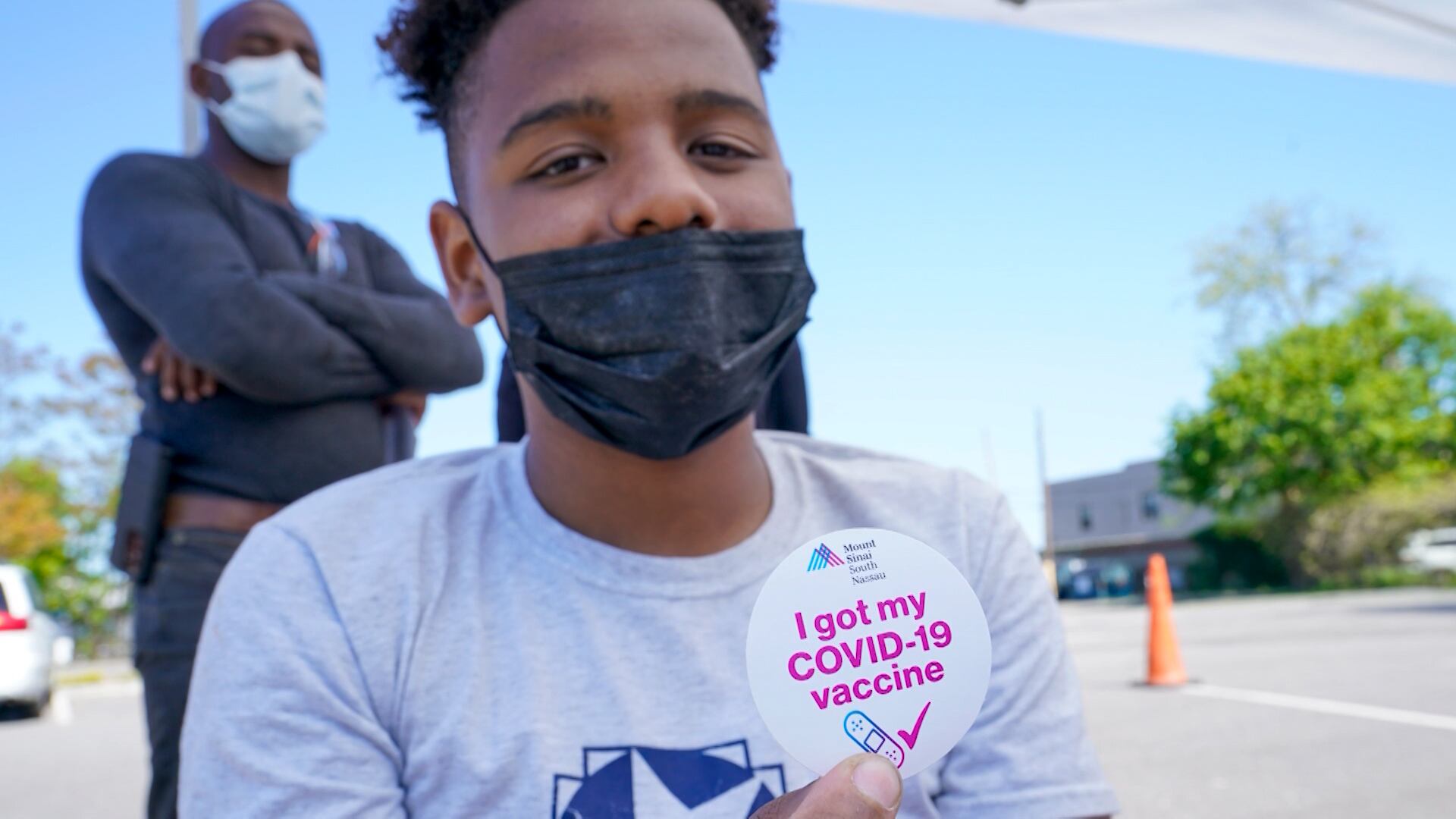
The world hit a grim milestone on Monday, with COVID-19 cases surpassing a quarter of a billion worldwide. As cases increase, the fight to beat the virus continues as well, with a number of medical breakthroughs coming out over the last few months in the form of pills from Pfizer and Merck. Regeneron is now the latest company to join the fight, recently releasing new data on a covid antibody cocktail. Professor Peter Pitts, former FDA Associate Commissioner and the founder of the Center for Medicine in the Public Interest breaks down the differences between the 3 treatments and why vaccines are still among the fire line of defense.
Doug Astrop, managing partner at Exponential Investment Partners, joined Cheddar to discuss Peloton's precipitous price drop, and whether the company can recover as the at-home workout trend tapers off. "They've lowered the prices on their equipment to try to attract a bigger audience because ultimately they're sort of headed to this Apple ecosystem model where they can monetize a loyal customer base," he said. Astrop noted that he believes there is a reality where the in-person gym experience and Peloton's at-home programs can co-exist.
Bill Stone, Chief Investment Officer at Glenview Trust Company, joined Wake Up With Cheddar to break down markets headlines ahead of the start of the trading week.
Jill and Carlo discuss the scenes of joy at American airports as borders reopen, another tool in the Covid toolbox, the latest in the Astroworld crowd crush tragedy and more.